

If you want an easy way to boost nutrition at every meal, kale salads are a smart and versatile choice. Below you’ll find a curated collection of kale salad recipes, practical tips for preparing and massaging kale, nutrition information, and flavorful dressing ideas to inspire your next salad.
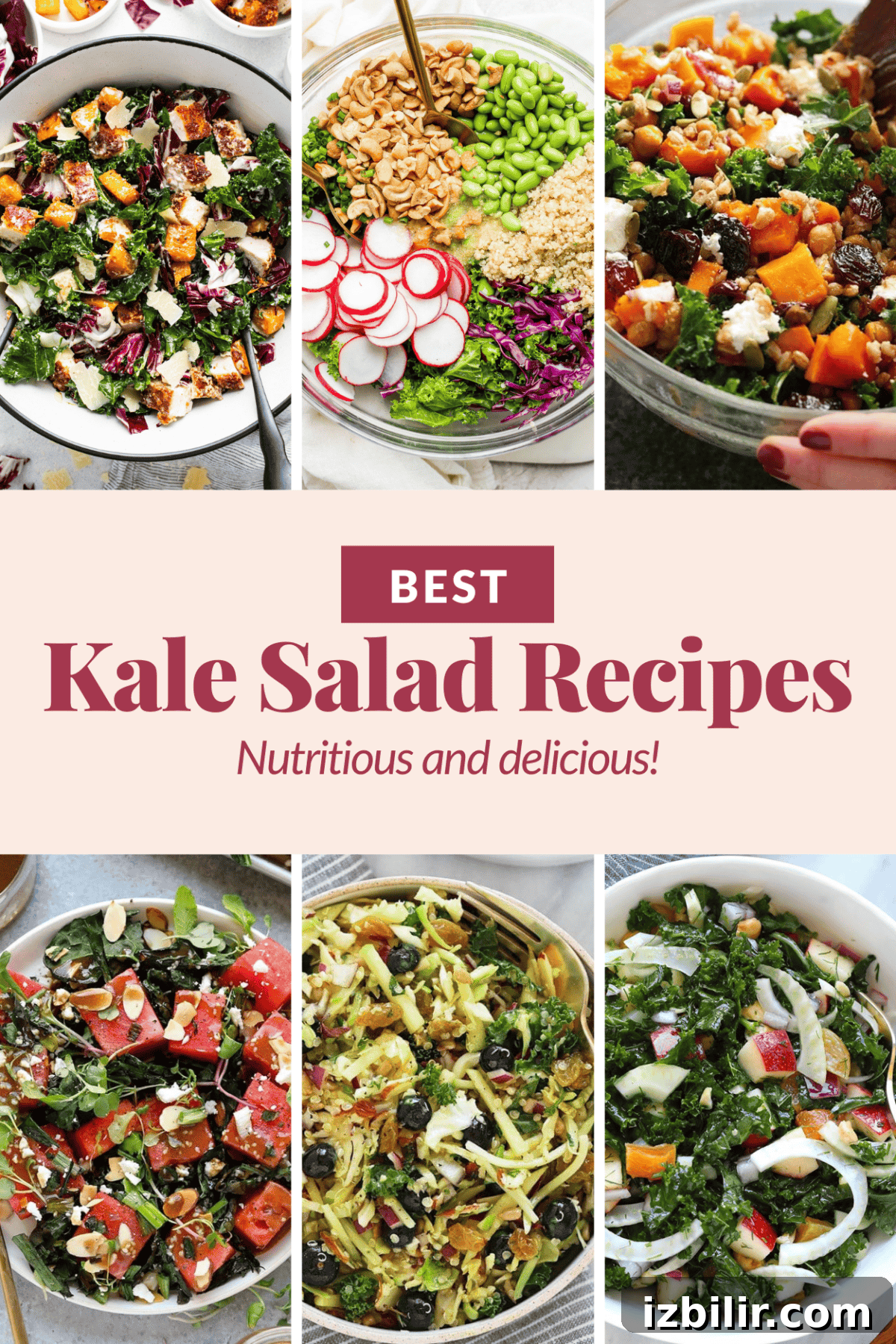
From massaged kale and fennel salads to hearty kale and quinoa combinations, kale offers year-round versatility and nutrition. It’s a sturdy green that works well raw, lightly massaged, roasted, or sautéed. Read on for background on kale, tips for preparing it, a list of favorite kale salad recipes, and ideas for dressings that pair particularly well with kale’s robust flavor.
Best Kale Salad Recipes
- Massaged Kale and Fennel Salad with Lemon Vinaigrette
- Grilled Kale and Watermelon Salad
- Pomegranate and Pear Kale Salad
- Roasted Butternut Squash Kale Salad with Farro and Goat Cheese
- Harvest Blackberry and Butternut Squash Massaged Kale Salad
- Spring Citrus Kale Salad
- Superfood Detox Salad
- Winter Pomegranate Salad
- Honey Ginger Quinoa Kale Salad
- Crispy Chicken Kale Caesar Salad
- Strawberry Quinoa Salad
- Green Goddess Quinoa Salad
- Asparagus Salad
- Moroccan Quinoa Salad with Crispy Chickpeas
- Sesame Soy Kale Salad
Kale Nutrition (per 1 cup)
- 34 calories
- 1 g fat
- 7 g carbohydrates
- 1 g fiber
- 0 g sugar
- 2.5 g protein
Everything You Need to Know About Kale
What is kale?
Kale is a leafy green in the cabbage family that has been cultivated for centuries. Its textured leaves—curly, flat, or bumpy—are nutrient-dense and adaptable to many cooking methods. While its flavor can be slightly bitter when raw, that bitterness softens with light cooking, massaging, or the addition of acid in dressings.
Because kale is hardy, it holds up well in mixed salads, grain bowls, and warm preparations. Its firm leaves make it an excellent base for sturdy salads that can stand up to heavier dressings and toppings like roasted squash, grains, cheese, or roasted nuts.
Common types of kale
- Curly Kale: The most familiar form, with ruffled, dark green leaves and a slightly bitter taste. It benefits from massaging to soften the texture.
- Lacinato Kale (Dinosaur Kale): Longer, darker, and less bitter than curly kale. Its tender leaves are great in salads or lightly sautéed.
- Red Russian Kale: Notable for its reddish stems and tender texture; it’s mildly sweet and colorful in raw or cooked dishes.
- Baby Kale: Young leaves harvested before full maturity. They’re tender and mild, ideal for quick salads and smoothies.
When is kale in season?
Kale is typically a cool-season crop that often tastes sweeter after cool weather. It shines in fall and winter but is widely available year-round thanks to modern agriculture. Whether you buy it in season or off-season, look for crisp, vibrant leaves and avoid limp or yellowing stems for the best flavor and texture.
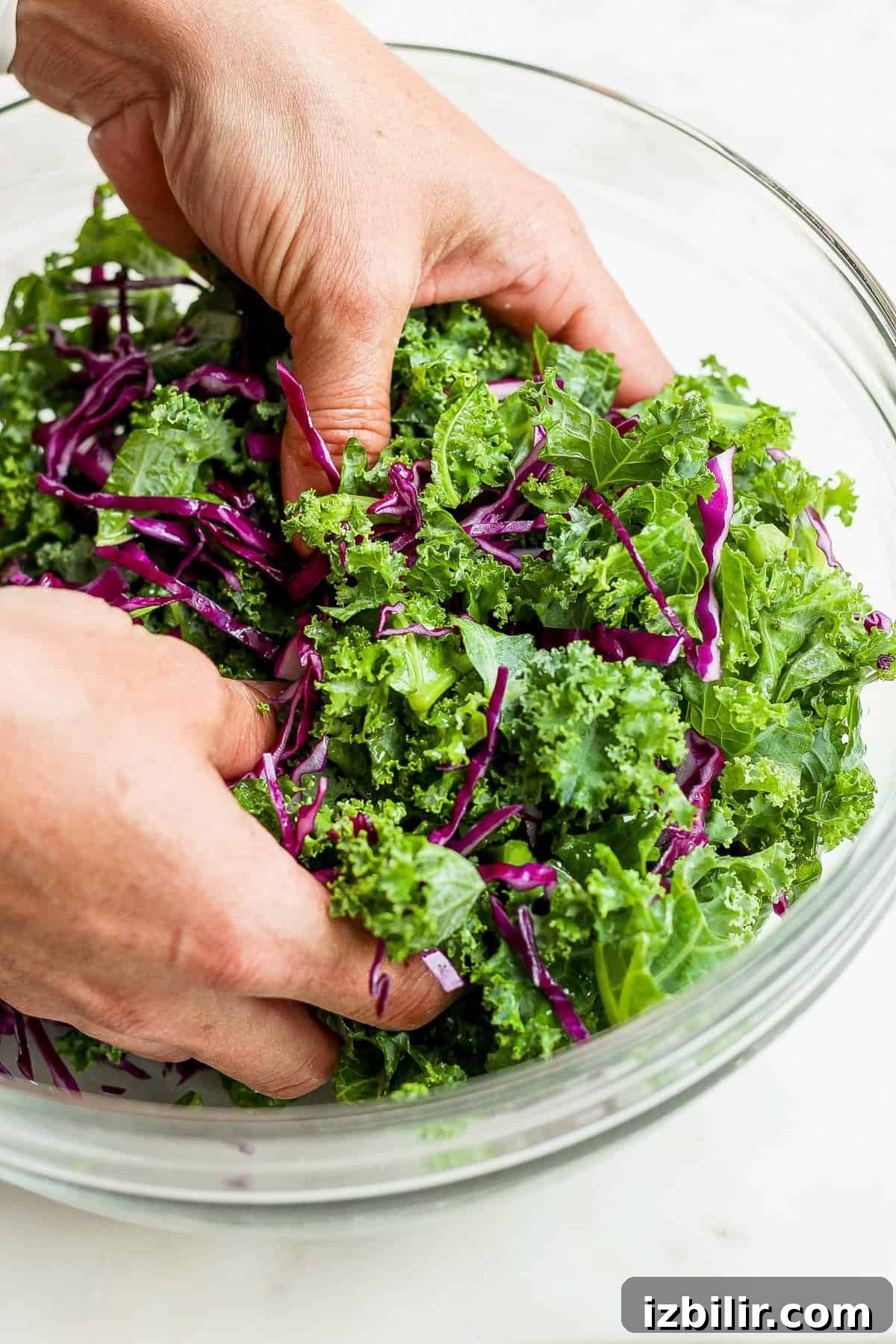
How to Massage Kale
Massaging kale softens its fibers, reduces bitterness, and makes it easier to digest. It’s a simple technique that transforms sturdy kale into a tender salad base.
What you need
- Fresh kale on the stalk
- Olive oil
- Salt
To prepare, strip the leaves from the stalks and tear or chop them into bite-sized pieces. For every 4 cups of chopped kale, drizzle about 1 teaspoon of olive oil and sprinkle a pinch of salt. Using clean hands, rub and squeeze the leaves together for 4–6 minutes until they become softer, brighter, and more pliable. After massaging, the kale will blend seamlessly with dressings and other salad ingredients.
Can you eat raw kale in salads?
Yes—raw kale can be eaten in salads, though massaging is recommended for mature varieties to make them more tender and easier to digest. Baby kale is naturally softer and can be used raw without massaging. If you prefer a completely raw approach, pair kale with acidic dressings (citrus or vinegar) which help balance texture and flavor.
With these basics covered, you’re ready to experiment with the kale salad recipes listed above. Try combining kale with grains, roasted vegetables, fruits, nuts, and proteins to create balanced, delicious meals.
Kale Salad Dressing Ideas
Kale pairs well with a wide range of dressings. For a reliable lineup of options, consider these dressings that complement kale’s texture and flavor:
- All-Purpose Green Goddess Dressing
- Homemade Italian Dressing
- Avocado Cilantro Lime Dressing
- Best Balsamic Vinaigrette Dressing
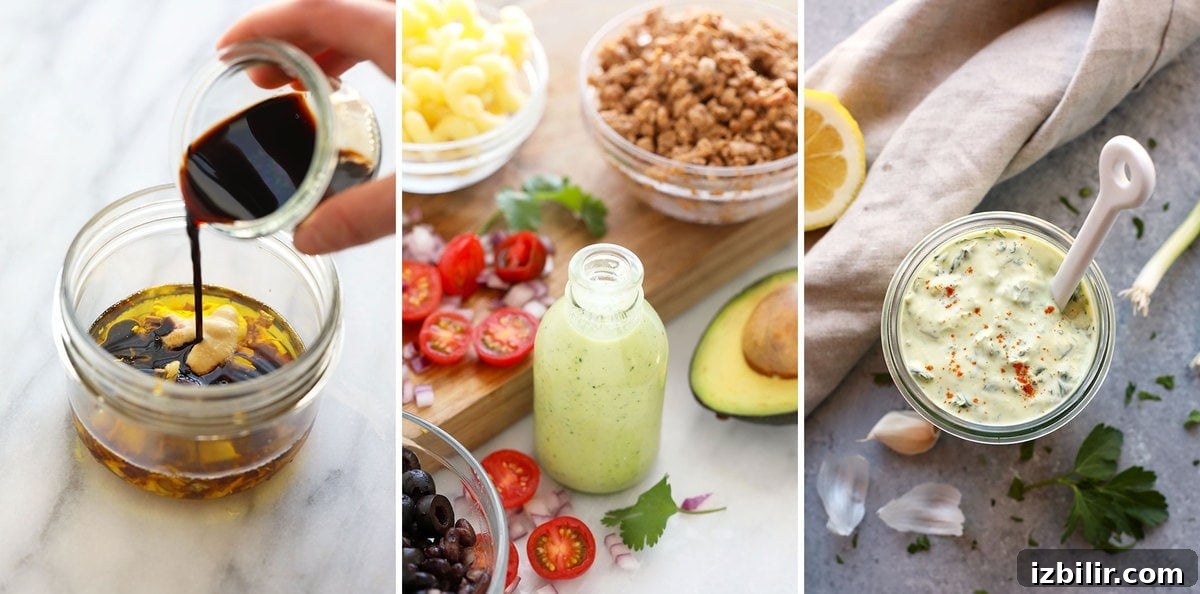
Tips for pairing: bright, acidic dressings (lemon, vinegar, or citrus) cut through kale’s earthiness; creamy dressings add richness and pair well with roasted vegetables or chicken; and nutty or sesame-based dressings complement kale’s robust texture in Asian-inspired salads. Use toppings like toasted nuts, seeds, dried fruit, fresh herbs, whole grains, or a crumbled cheese to add contrast and depth.
Try a few combinations to find your favorites—kale is forgiving, stores well, and adapts to many flavors, making it a dependable base for nutritious, flavorful salads year-round.