
Eating well on a tight budget is challenging for anyone, and college life adds extra obstacles: limited time, shared kitchens, and small grocery budgets make balanced meals feel out of reach. With some planning and a few basic skills, however, you can cook nutritious, satisfying meals without overspending.
I learned to cook in college out of necessity. I lived on roughly $40 a week for groceries, shared a tiny kitchen, and refused to eat cafeteria food every day. Those limitations forced me to experiment with simple, affordable recipes and practical meal-prep strategies. That experience is what inspired this site, originally called College Foodie Finds.
Below I share the easy, budget-friendly recipes and effective meal-prep tips that worked for me and for my younger brother when he went to college. These ideas are realistic whether you’re in a dorm, apartment, or shared housing and are designed to make eating healthy feel manageable and sustainable.

How I Ate Healthy in College on a Small Weekly Budget
My college kitchen skills were basic: I could cook grains, roast proteins, and sauté vegetables. What made the difference was planning and consistency. Instead of relying on takeout or prepackaged meals, I learned to stretch a few versatile ingredients across several dishes and to prep components ahead of time.
At the time I budgeted roughly $40 per week for groceries. That exact number isn’t a rule—your budget will differ—but having a target helps you make smarter choices at the store. Repeating ingredients across meals, buying staples in bulk, and prepping food once for the week cut both costs and stress.
When my brother started college, we cooked together and I passed on the same straightforward tips. He now prepares healthy meals on his own, which is what encouraged me to share these strategies and recipe ideas here.
A Simple Weekly Meal Prep Plan
Meal prep was the single biggest reason I could eat affordably and healthfully. Cooking a few components at the start of the week saves time, reduces waste, and greatly reduces the temptation to order takeout.
Prep once each week:
- Grains: rice, quinoa, or oats
- Vegetables: roasted, steamed, or sautéed
- Proteins: roasted chicken, beans, or tofu
- Snacks and breakfasts to grab on busy days
Cook fresh or reheat each day:
- Simple dinners
- Fresh add-ins like herbs, fruit, or sauces
- Items that taste best right before serving
Most meals follow a basic formula: protein + grain + vegetable + sauce. Swap ingredients based on sales, what’s in your pantry, or what you’re craving. Suggested sample day:
- Breakfast: Peanut Butter Overnight Oats
- Lunch: Mexican Sweet Potato Quinoa Casserole
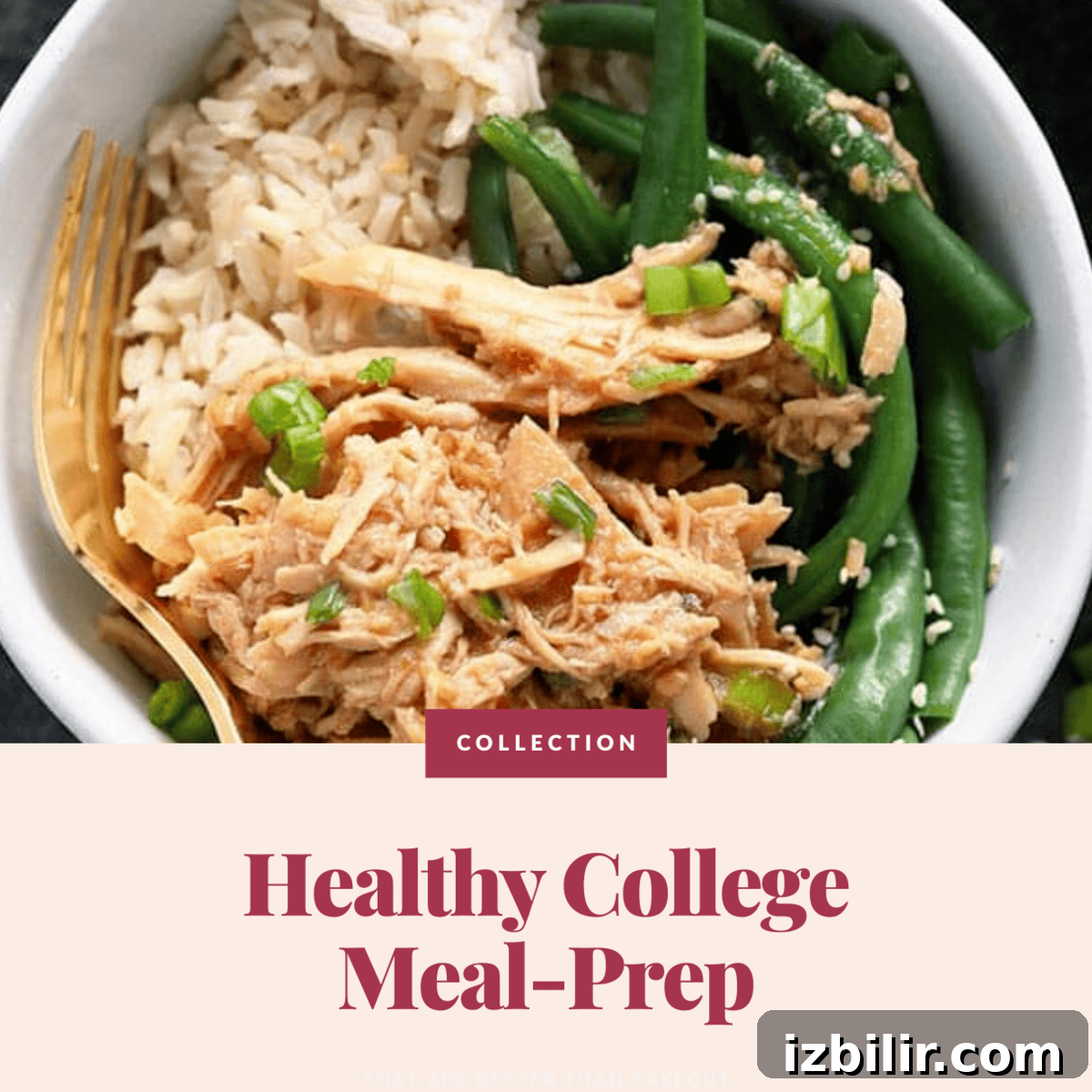
- Dinner: Crockpot Honey Garlic Chicken
- Snack: No-Bake Peanut Butter Balls
- Dessert: PB Banana Nice Cream
If you need more quick options, look for dependable 30-minute recipes and meal-prep friendly ideas that fit your schedule and kitchen setup.
Healthy College Meal Ideas
Below are practical, budget-conscious meal categories with examples that work well in small kitchens and on busy days. Each group emphasizes simple preparation, affordable ingredients, and flexibility.
Healthy Breakfasts
Quick, filling breakfasts set you up for a productive day. Make-ahead options and microwave recipes save time and keep costs low—perfect for early classes and limited kitchen space.

- 2-Minute Microwave Oatmeal
- Overnight oats and baked oatmeal cups
- Avocado toast variations
- Breakfast burritos or quesadillas made ahead and frozen
- Smoothies for busy mornings
Healthy Meal-Prep Lunches
Packing lunch saves money and keeps you fueled through classes. Build lunches around leftovers, bowls, wraps, and salads that store or reheat easily.
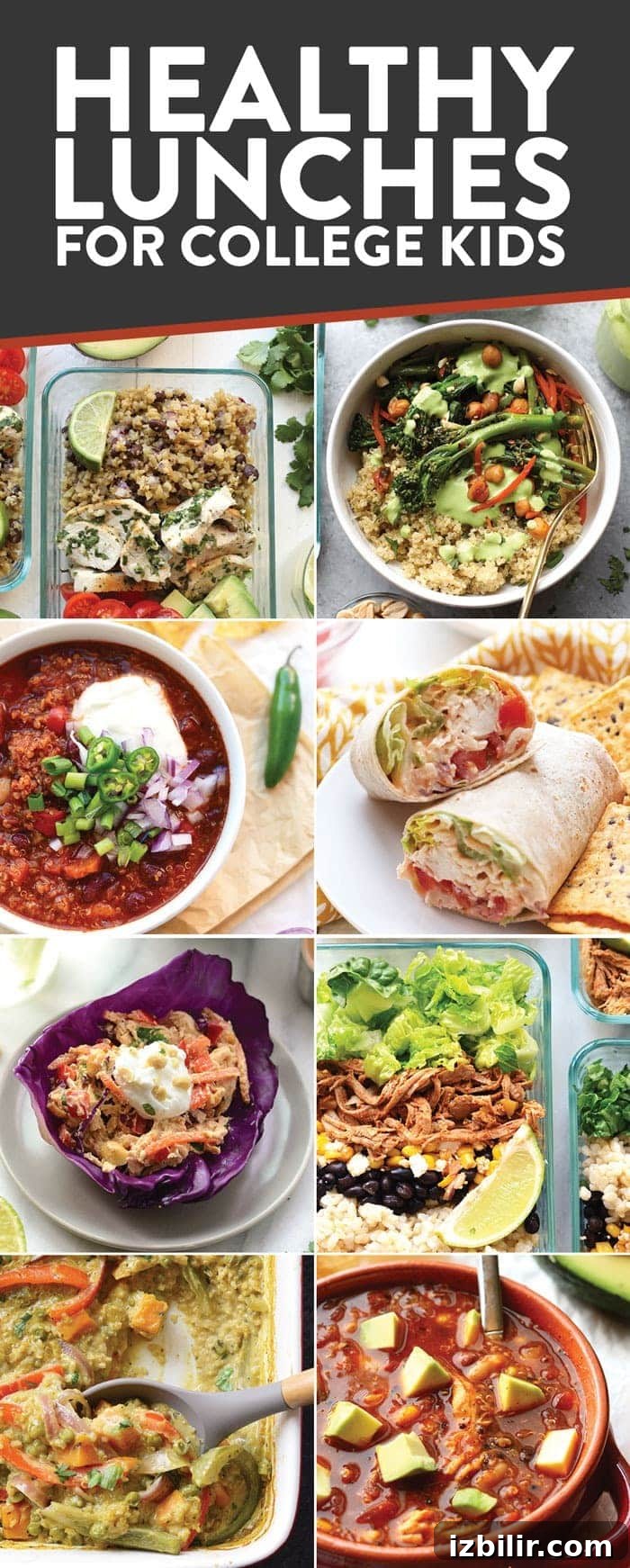
- Grain bowls with roasted veggies and a protein
- Chicken or tuna salads for sandwiches or wraps
- Pasta or quinoa salads that hold up all week
- Veggie-packed soups and stews (easy to reheat)
Healthy Dinners
For dinner, aim for minimal cookware and simple recipes: sheet-pan meals, one-pot dishes, slow-cooker or Instant Pot recipes make cooking easier and scale well for leftovers.

- Slow cooker and Instant Pot chicken or vegetarian stews
- Stir-fries and noodle bowls using frozen veggies and a simple sauce
- Sheet-pan roasted proteins with a grain and greens
- Easy casseroles that reheat well
Healthy Snacks On-The-Go
Prepare snacks in bulk so you always have healthy options between classes or during late-night study sessions. Homemade bars, protein balls, and roasted veggies are portable and budget-friendly.

- Homemade granola bars and larabar-style snacks
- Peanut butter protein balls or bars
- Roasted kale chips or veggie sticks with hummus
- Fruit leather or baked muffins for quick energy
Healthy Desserts
When you want something sweet, choose treats made from whole ingredients. Simple no-bake bites, mug cakes, and fruit-based desserts satisfy cravings without derailing your budget or nutrition goals.

- No-bake peanut butter oat cups
- Almond butter or cashew butter cookie bars
- Healthy brownies and flourless baked treats
- Single-serve mug cakes for late nights
What Every College Kitchen Needs
You don’t need a full chef’s kitchen to cook well. A few staples and basic tools cover most meals and keep costs low.
Pantry and Fridge Staples
- Grains: rice, quinoa, oats, whole wheat pasta, or tortillas
- Canned goods: beans, tomatoes, and tuna
- Frozen fruits and vegetables for smoothies and quick meals
- Nut butters, olive oil, basic seasonings, and simple sauces
Easy, Affordable Proteins
- Eggs
- Chicken (buy in bulk and freeze)
- Canned beans and chickpeas
- Greek yogurt and tofu
Minimal Kitchen Tools
- One reliable nonstick pan
- One medium pot
- Baking sheet
- Cutting board and sharp knife
- Storage containers for meal prep and leftovers
Optional appliances like a rice cooker, slow cooker, or Instant Pot make batch cooking easier, but they’re not required. If you live in a dorm, confirm which appliances are allowed before buying.
Budget Tips for Healthy College Meals
Eating well on a student budget is doable with a few smart habits. These strategies helped me extend my grocery dollars while still enjoying varied, nutritious meals.
Set and Stick to a Weekly Grocery Budget
Decide what you can realistically spend each week and commit to that amount. Planning meals before shopping, basing dinners on affordable staples, and tracking spending will help keep you on target. Leave some flexibility so your budget is sustainable.
Plan Meals That Share Ingredients
Choose recipes that reuse the same core items so you can buy in bulk and reduce waste. Overlapping ingredients simplify shopping lists and make meal-prep more efficient.
Shop Smart: Sales, Bulk, and Store Choice
Compare stores for prices and quality, buy staple items in bulk when possible, and shop sale items each week. Be flexible: swapping similar ingredients to match sales saves money without compromising flavor.
Use Meal Prep to Stretch Your Budget
Batch-cooking reduces last-minute purchases and ensures you have ready-to-eat meals. Prep snacks and freeze extras so you always have affordable, healthy options available.
Balance Practicality with Enjoyment
Eating well in college isn’t about perfection. Allow yourself occasional meals out with friends and small treats. A realistic budget that includes a little fun is easier to maintain long-term.