
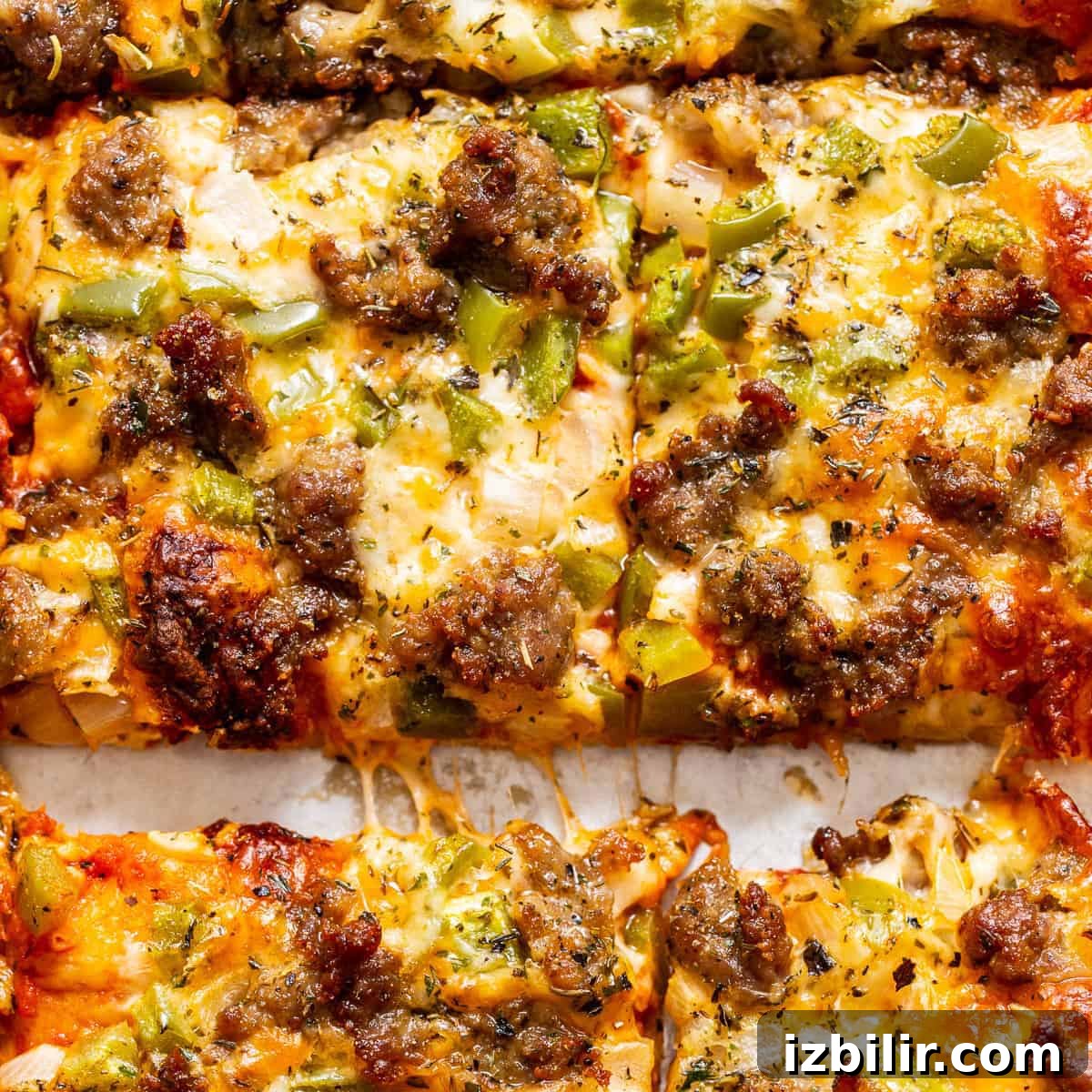
My Grandma Marie was the queen of pizza making. For as long as I can remember she made her homemade pizza every time we visited. I used to help with the dough and waiting for it to rise was always the hardest part. This recipe is delicious, endlessly customizable, and intentionally simple — it’s made on a baking sheet with basic pantry ingredients and family-tested technique.
Follow this guide to make homemade pizza dough using Grandma Marie’s recipe. You only need six everyday ingredients and a little time for the dough to rise. The recipe yields two large sheet-pan pizzas, perfect for feeding a family or a crowd.
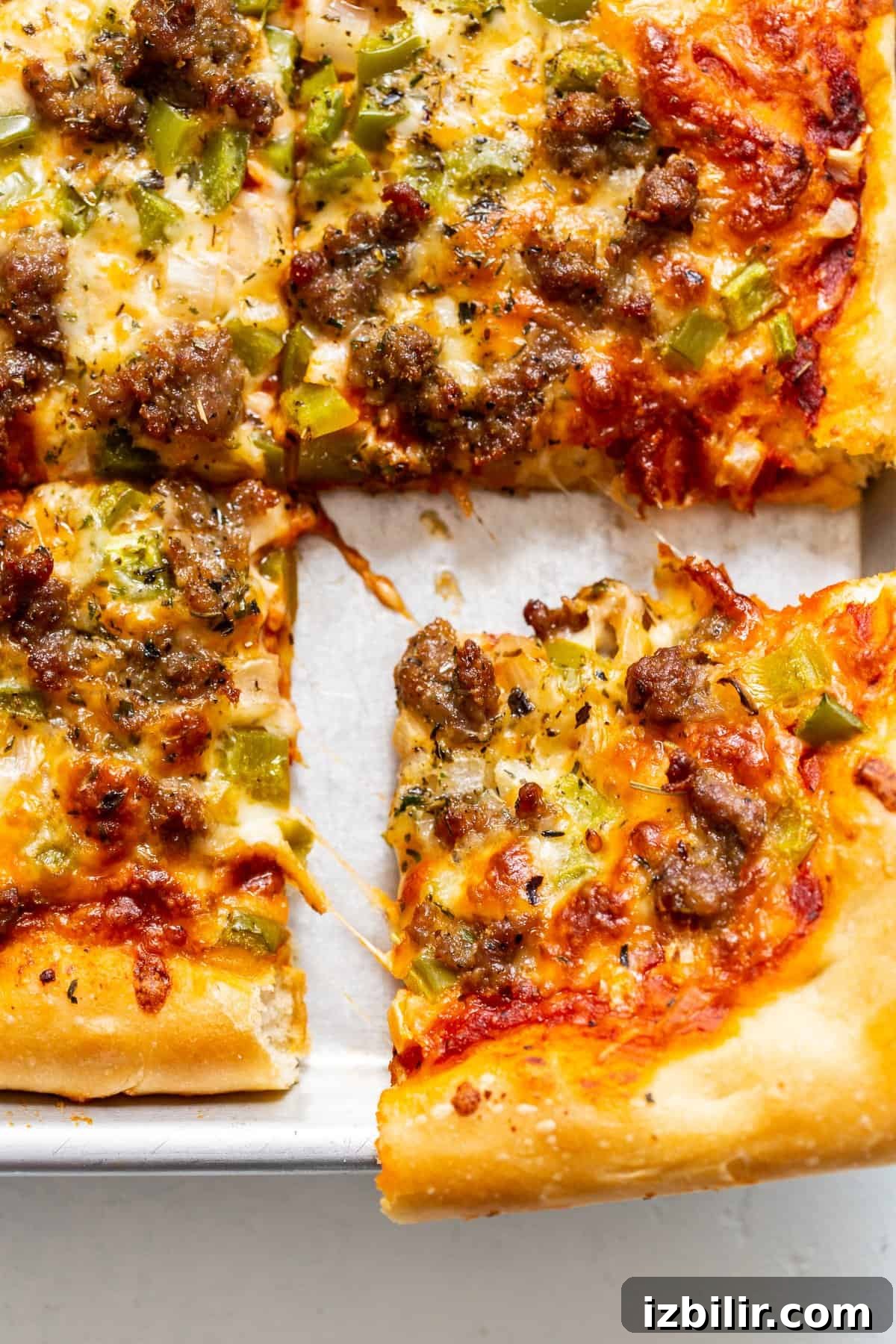
Our Guide to Homemade Pizza Dough Inspired By My Grandma Marie
Grandma Marie’s pizza dough recipe has been passed down through the family and is a reliable method for making two oversized sheet-pan pizzas. She was a first-generation Italian American who learned to make pizza from her mother Antoniette. The recipe is straightforward, which made it perfect for big family pizza nights when several grandchildren would gather in the kitchen to help.
I remember the counter full of flour, the vintage mixing bowl tucked in a corner while the dough rose, and my grandmother measuring with a laugh — “a little bit-a this and a little bit-a that.” The result was always great: a tender, golden crust with a crisp edge and a soft interior.
Ingredients You Need to Make Pizza Dough
Warm water – about 2 1/2 cups at roughly 110°F (43°C) to activate the yeast.
Active dry yeast – one standard package (about 2 1/4 teaspoons).
Granulated sugar – 1 tablespoon to feed the yeast and balance the flavors.
All-purpose flour – 5 to 5 1/2 cups; adjust as needed for dough consistency.
Salt – 1 1/2 teaspoons for seasoning.
Olive oil – 1/2 cup, plus extra for greasing bowls and pans.
Other Tools Needed
- 2 baking sheets (standard sheet pans)
- Rolling pin
- Large mixing bowl
- Tea towel or clean kitchen towel
- Pizza cutter or kitchen scissors
Simple Instructions
- Activate the yeast: In a large bowl combine 2 1/2 cups warm water (~110°F), the active dry yeast, 1 tablespoon sugar, and 1 cup of the flour. Whisk until blended and let sit briefly while the yeast begins to dissolve.
- Mix the dough: Add 4 more cups of flour, the salt, and 1/2 cup olive oil. Stir with a wooden spoon until a shaggy dough forms. If sticky, sprinkle in up to 1/2 cup additional flour until the dough holds together without being overly sticky.
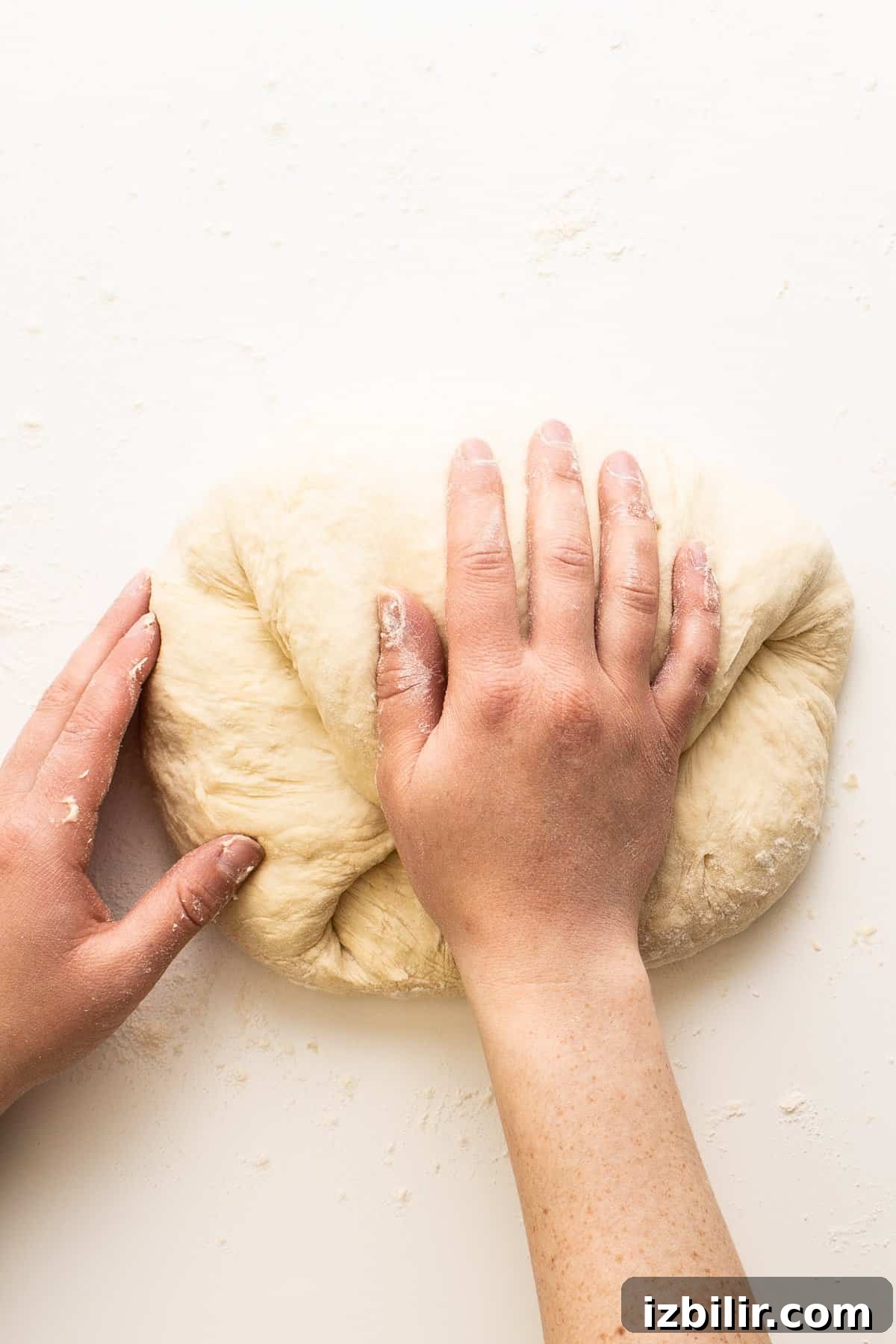
- Knead the dough: Lightly flour a clean work surface and knead the dough by hand until smooth and elastic, forming it into a ball. Add a little flour as needed while kneading.
- First proof: Drizzle olive oil in a large bowl to coat the bottom, place the dough ball inside, and cover with a tea towel. Let rise in a warm, dark spot for about 1 hour, until nearly doubled in size.
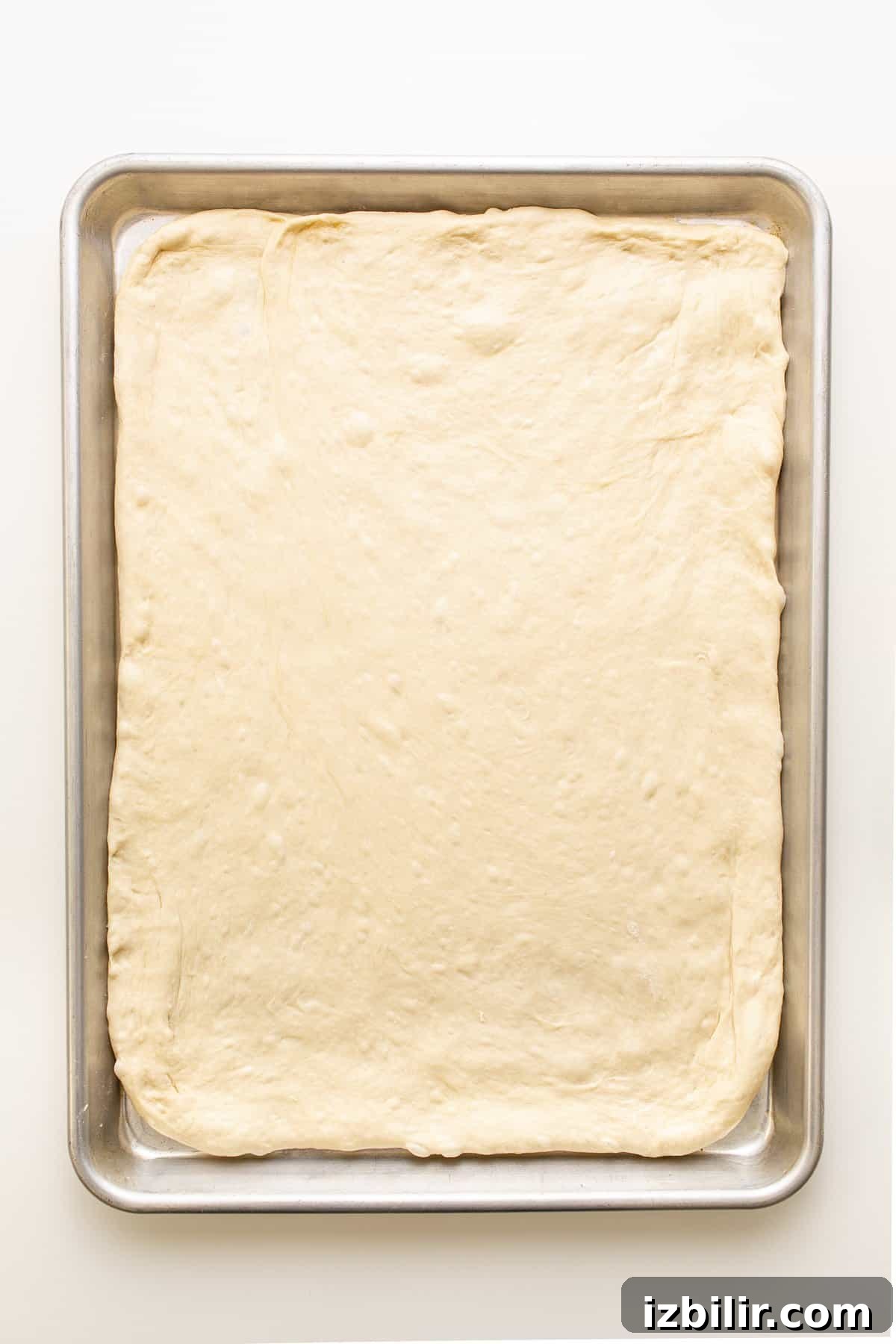
- Shape for sheet pans: Grease two sheet pans. Punch the dough down and place it on a floured surface. Divide into two equal pieces and roll each to fit a baking sheet, working the dough to the pan edges.
- Second proof: Cover the shaped dough on the pans with tea towels and let proof for 30 minutes to 1 hour. For a thicker crust, skip punching the dough down a second time; for a thinner crust, press it down slightly.
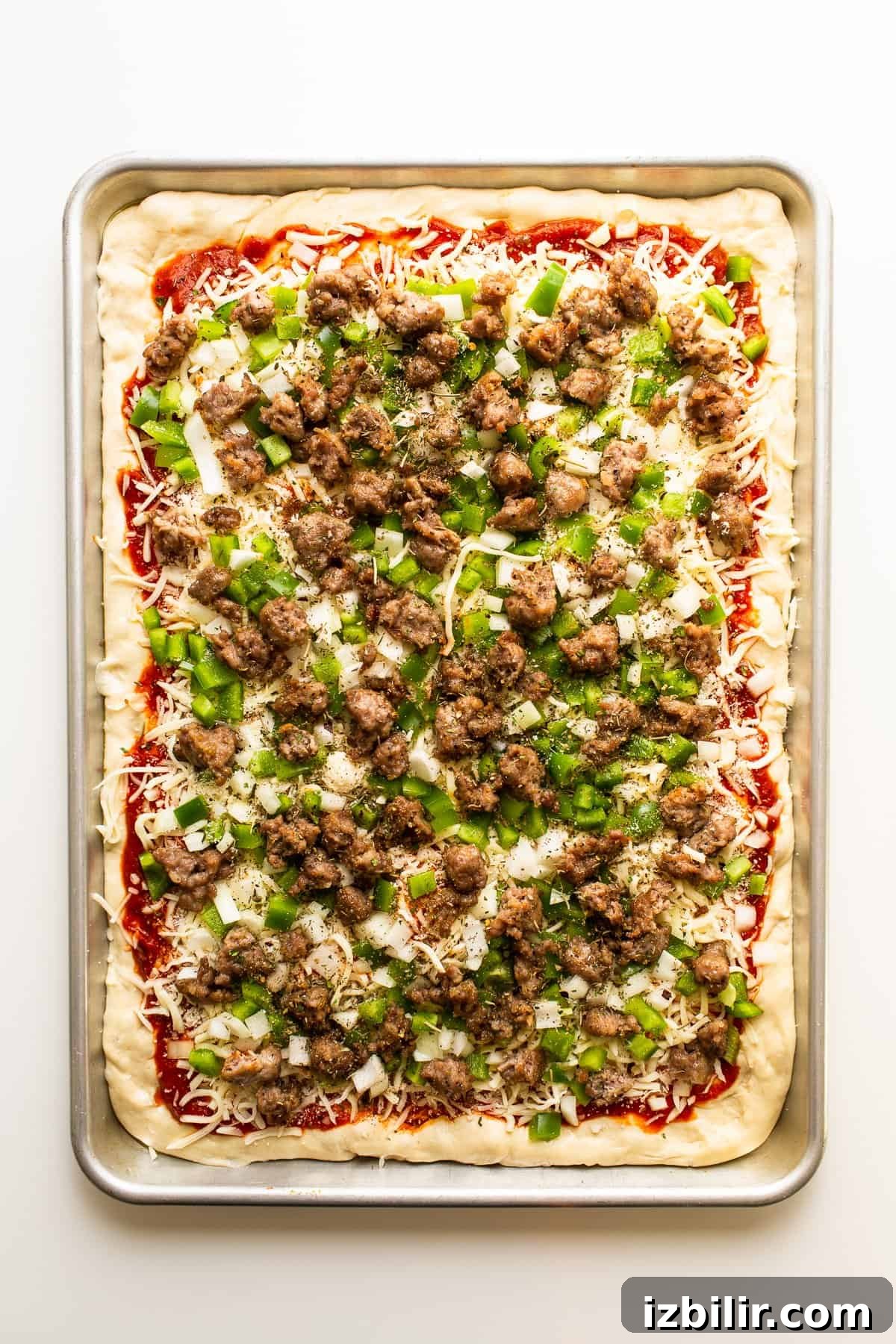
- Top the pizzas: Spread pizza sauce leaving a 1-inch border, then add shredded mozzarella, grated Parmesan, and your preferred toppings.
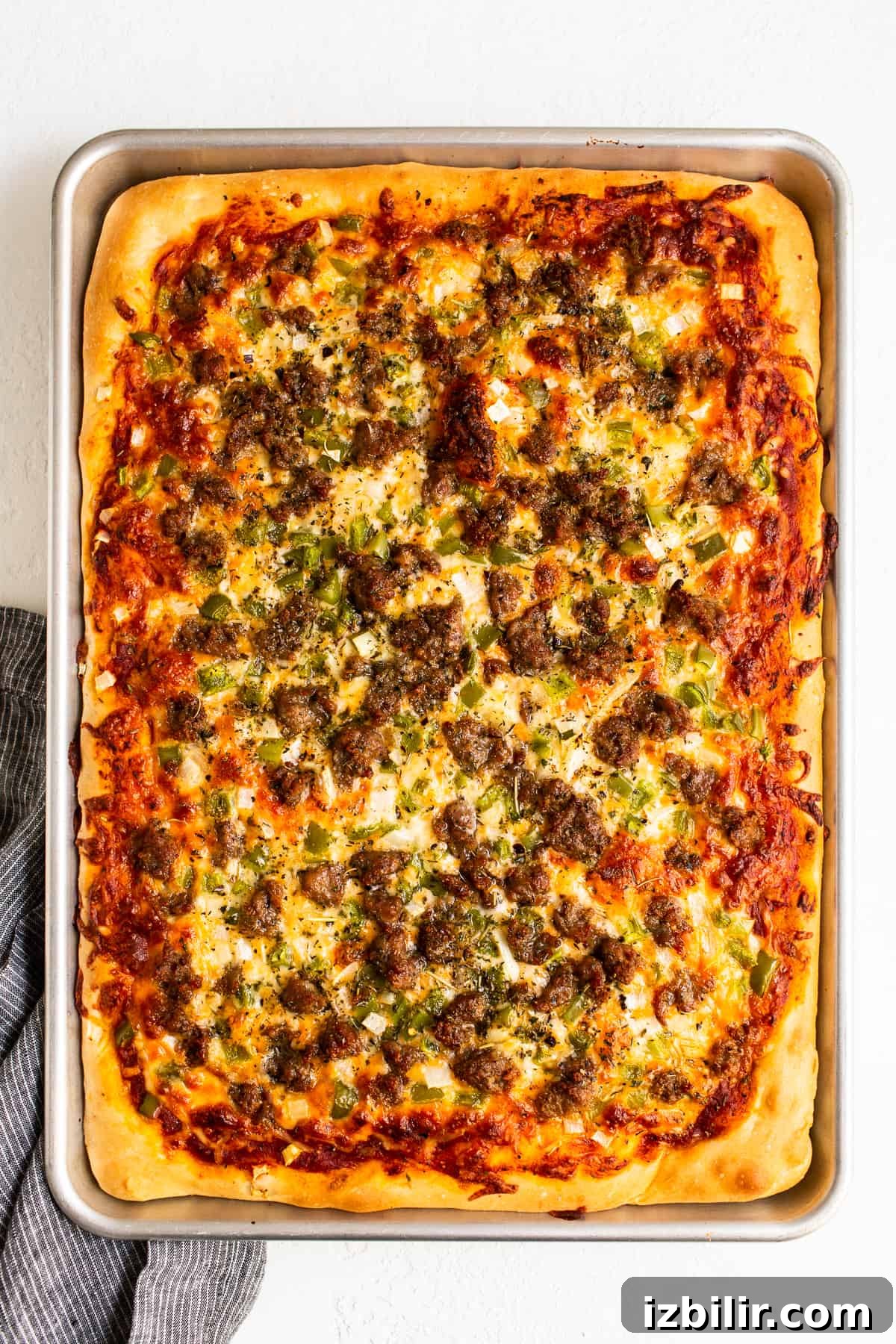
- Bake: Preheat the oven to 450°F (232°C). Bake the pizzas 10 minutes at 450°F, then reduce the oven to 375°F (190°C) and bake an additional 15–20 minutes, or until the crust is golden brown and cooked through. Let rest 5 minutes before slicing.
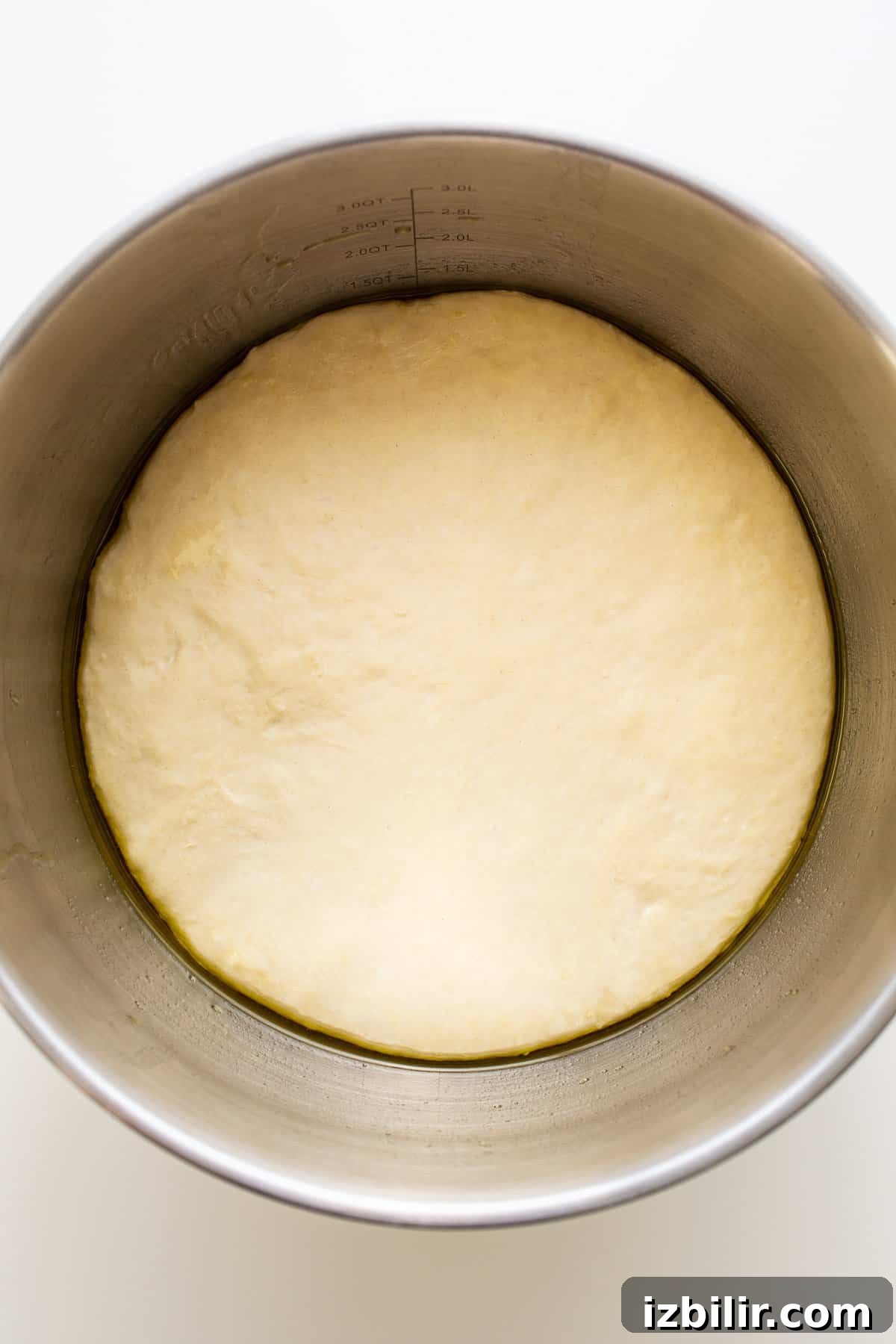
What is proofing the pizza dough?
Proofing simply means allowing the dough to rise. The yeast ferments the sugars, releasing gas that makes the dough light and airy. Two proofs—first in a bowl and a second after shaping—produce a tender, flavorful crust.
Quick tip: In warm climates the dough can rise on the counter. If your kitchen is cold, preheat your oven to 170°F (77°C), then turn it off and place the covered bowl inside for the one-hour rise. The residual warmth encourages an even proof.
Baking temperatures
Bake at 450°F for the first 10 minutes, then reduce to 375°F and bake another 15–20 minutes until the crust is golden and cooked through. Oven temperatures vary, so watch the crust to avoid overbrowning.
Do you bake pizza dough before topping?
With this method there’s no need to pre-bake the crust. Assemble and bake directly after the second proof for best texture and flavor.
Do you need to precook sausage?
Grandma Marie placed uncooked Italian sausage directly on the pizza and it cooked through in the oven. If you prefer, you can pre-cook sausage to ensure it’s fully browned before topping.
What goes on first?
Spread sauce first, then cheese, then other toppings. This order helps the toppings adhere and the cheese to brown evenly.
How to tell when the crust is done
Done crusts are golden brown on the bottom with a slightly soft center and crisp edges. Use a spatula to check the underside if you’re unsure.
Favorite Toppings
A classic combination is Italian sausage, green pepper, and onion. Here are the toppings used in the photos and recipe:
- Pizza sauce — use store-bought or homemade
- Italian sausage (mild or spicy), broken into small pieces
- Mozzarella cheese — about 3–4 cups shredded across both pizzas
- Grated Parmesan — 1 cup, plus extra for finishing
- Green pepper — finely diced or sliced
- Onion — yellow or sweet, diced or caramelized
More topping ideas
- Pepperoni
- Mushrooms
- Fresh basil
- Sliced tomatoes
- Red pepper flakes
- Shredded chicken
Storing and Reheating Leftovers
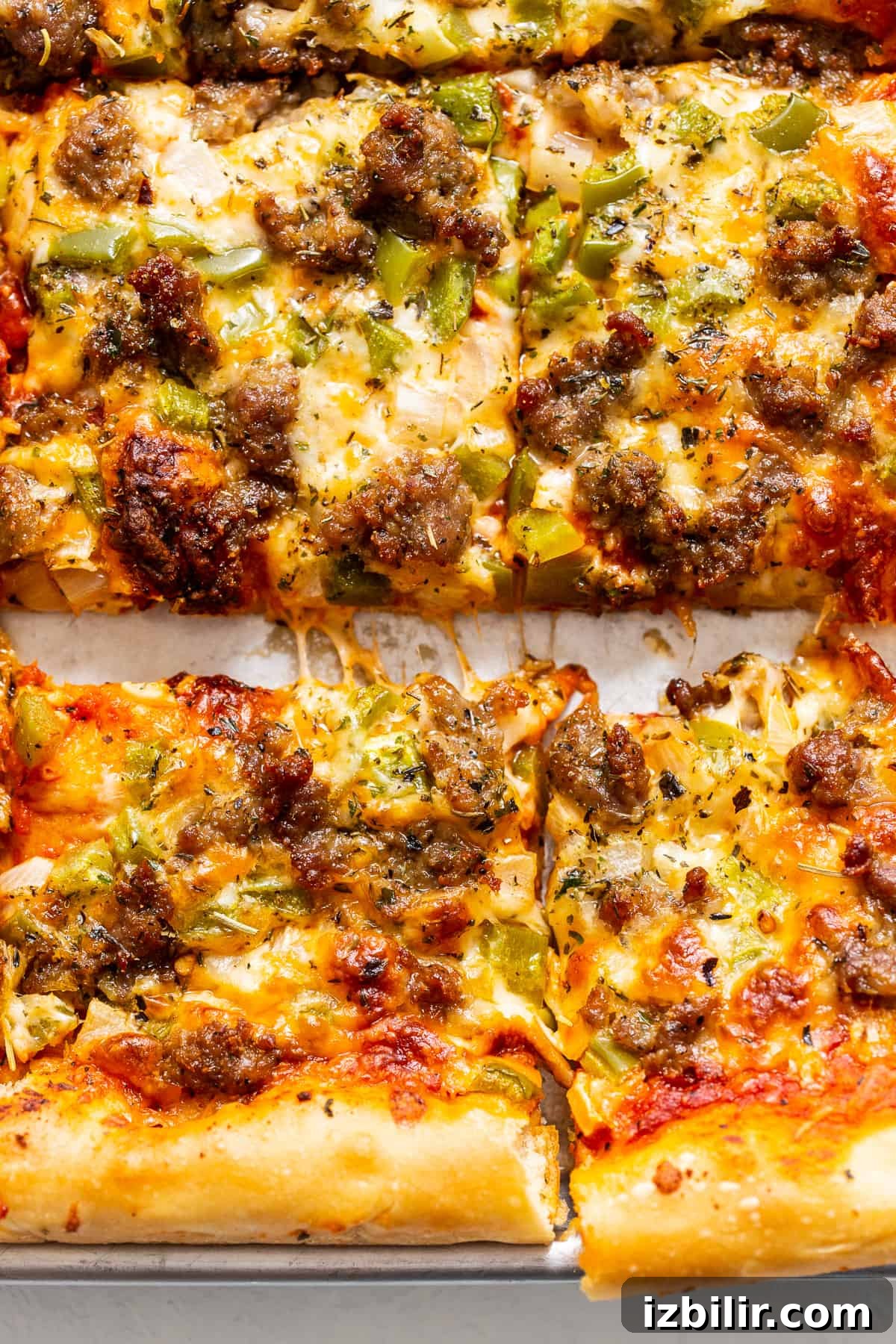
Store leftover pizza wrapped in aluminum foil or in a freezer-safe bag. For longer storage, freeze slices flat in a sealed bag.
To reheat: lightly oil a baking sheet, place slices on it, and warm in a 350°F oven for 5–10 minutes until heated through. This keeps the crust crisp.
How to Freeze Pizza Dough
- Lightly brush the dough ball with olive oil to prevent sticking.
- Place the dough in a freezer-safe bag, remove as much air as possible, and seal tightly.
- Freeze up to 3 months. Thaw in the refrigerator overnight before bringing to room temperature and proofing again.
More Pizza Ideas
- BBQ chicken pizza
- Cauliflower crust pizza
- Naan breakfast pizza
- French bread pizza
- Cast iron pizza
Homemade Pizza Dough Recipe (At a Glance)
Yields: 2 large sheet-pan pizzas | Prep time: about 3 hours (includes proofing) | Cook time: ~30 minutes
Ingredients
- 2 1/2 cups warm water (~110°F)
- 1 package active dry yeast (2 1/4 teaspoons)
- 1 tablespoon granulated sugar
- 5–5 1/2 cups all-purpose flour
- 1 1/2 teaspoons salt
- 1/2 cup olive oil (plus extra for greasing)
- For toppings: pizza sauce, 3–4 cups shredded mozzarella, 1 cup grated Parmesan, 1 lb ground Italian sausage, 1 medium onion, 2 green bell peppers, Italian seasoning, red pepper flakes to taste
Instructions (Short)
- Whisk water, yeast, sugar and 1 cup flour in a large bowl.
- Add remaining flour, salt, and olive oil; mix until dough forms. Add up to 1/2 cup more flour if sticky.
- Knead on a floured surface until smooth, form into a ball.
- Oil a bowl, place dough inside, cover and let rise 1 hour until doubled.
- Punch down, divide in half, roll to fit sheet pans, cover and proof 30–60 minutes.
- Top and bake: 450°F for 10 minutes, reduce to 375°F for 15–20 minutes until golden.
Tips & Notes
- This recipe makes two full sheet-pan pizzas.
- Proof the dough twice for the best texture and flavor.
- In cold kitchens, use your oven briefly warmed to 170°F and turned off to create a cozy proofing environment.
- Freeze unused dough balls lightly oiled in tight-sealed bags for up to 3 months.
- Ovens vary — check your pizza a few minutes before the recommended bake time to avoid overbrowning.
Nutrition (dough only, approximate)
Calories: 285 kcal • Carbohydrates: 41 g • Protein: 6 g • Fat: 10 g • Fiber: 2 g • Sugar: 1 g
If you make this recipe, share your results and any favorite topping variations. Grandma Marie’s dough is forgiving and perfect for family pizza nights — enjoy!