
Servings:
8
Servings
8
Servings
Salsa de Chile de Árbol and Tomatillo
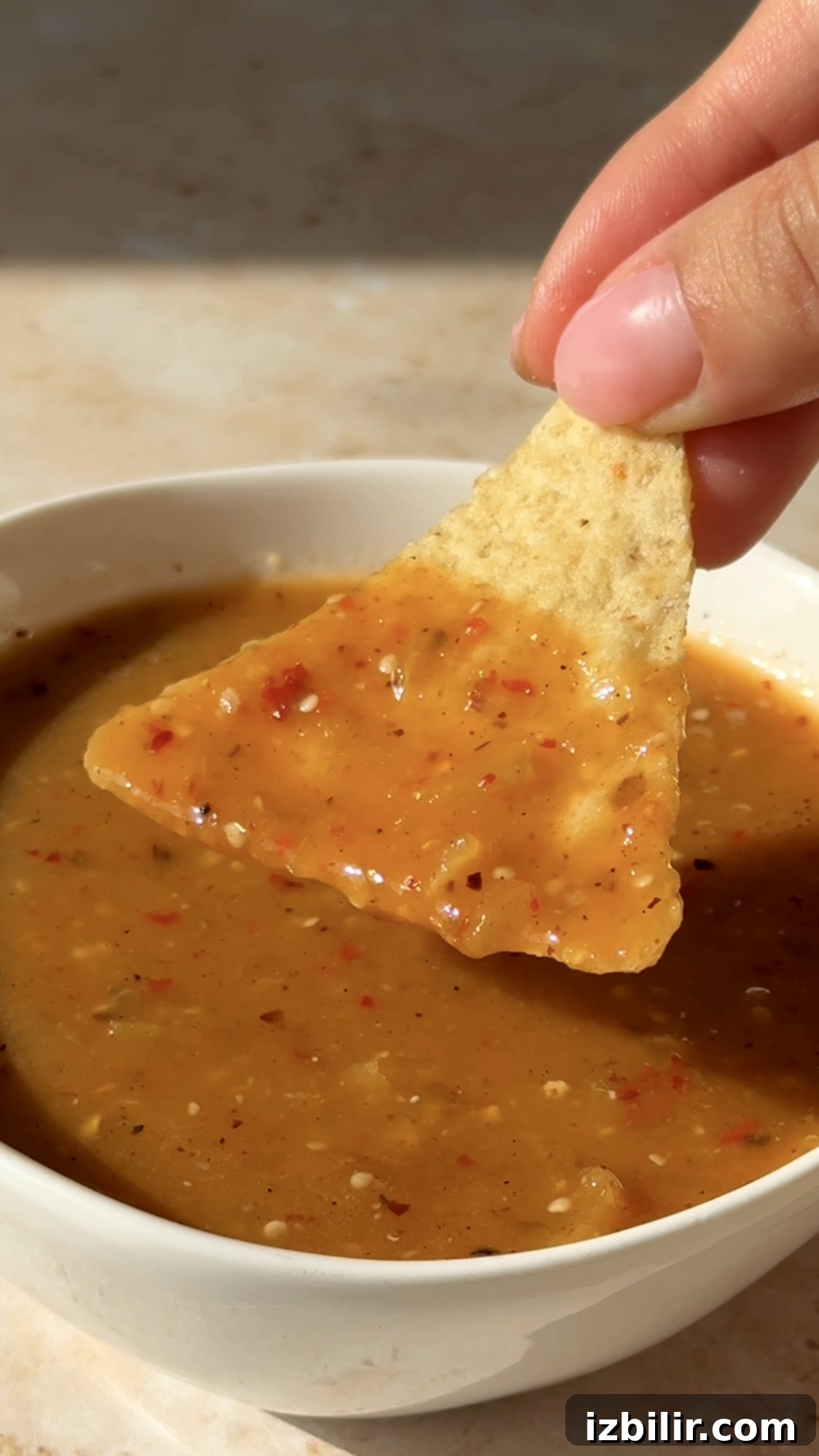
This vibrant tomatillo and chile de árbol salsa delivers bright acidity and a focused, smoky heat—ideal for tacos, grilled meats, and chip dips. Roasting or flash-frying the tomatillos and aromatics softens their edges and deepens the flavor, while briefly frying the dried chiles in oil unlocks their essential oils and aroma. Blended with garlic, onion, and a touch of water, the result is a balanced salsa that is fresh, punchy, and easy to customize for chunkier or smoother textures.
Total:
10 minutes
10 minutes
Equipment
-
Frying pan or skillet
-
Blender or food processor
-
Cutting board and knife
Ingredients
- 1 tbsp oil
- 5 tomatillos, husks removed and washed
- 1/4 white onion
- 2 – 3 garlic cloves
- 12 – 16 dried chile de árbol, depending on desired heat level
- 1/2 cup water
- Salt, to taste
Instructions
-
Heat a medium skillet over medium heat and add the oil. Once the oil shimmers, add the tomatillos, quartered onion, garlic cloves (whole or lightly crushed), and the dried chile de árbol. Stir occasionally so everything browns evenly and the tomatillos soften. The goal is to cook until the tomatillos are blistered and slightly charred in spots—about 4–5 minutes—so their tartness mellows and their sweetness comes forward.
-
Watch the chile de árbol carefully: remove the chiles as soon as they become fragrant and lightly toasted. They can go from aromatic to bitter quickly, so taking them out early preserves a clean, smoky heat. Set the chiles aside on a plate while you finish the other ingredients in the pan.
-
Continue cooking the tomatillos, onion, and garlic until they are softened through and nicely browned in places—this should take another 2–3 minutes. Once cooked, remove the pan from the heat and allow the ingredients to cool for a few minutes; cooling slightly helps the blended salsa retain texture and prevents steam from thinning it too much.
-
Add the toasted chiles, the cooked onion and garlic, and 1/2 cup of water to a blender. Blend on high for 8–10 seconds to break down the chiles and aromatics into a cohesive base. If your chiles are especially hot, start with fewer chiles and taste as you go.
-
Add the cooked tomatillos to the blender and pulse about 20 times. For a chunkier salsa, pulse fewer times; for a smoother, more saucy texture, blend longer. Keep in mind that overheating in the blender can make the salsa too thin—pulse and check frequently until you reach the desired consistency.
-
Taste the salsa and season with salt to your preference. If the salsa seems too thick, add a tablespoon or two of water and pulse again until you reach the right pouring consistency. Transfer the salsa to a bowl and let it rest for a few minutes to allow flavors to meld.
-
Serve immediately with warm tortillas, grilled meats, eggs, or as a bright dip for chips. This salsa also pairs beautifully with roasted vegetables and can be spooned over stews or rice bowls for an acidic, spicy lift.
Notes
- Remove chile de árbol early: they toast quickly and will turn bitter if left in the pan too long. Retrieving them as soon as they are fragrant preserves a bright, clean heat.
- Let cooked tomatillos cool slightly before blending to stabilize texture and retain a less watery, more flavorful result.
- To boost smokiness without oil, quickly dry-toast the chiles in a hot, dry pan for 15–30 seconds per side before frying. Be careful not to burn them.
- Storage: refrigerate the salsa in a sealed container for up to 5 days. Flavors deepen after a few hours, so leftovers often taste even better the next day.
- Customize: add a squeeze of fresh lime or a few sprigs of cilantro at the end for a fresh, bright finish. Adjust the number of chiles to control heat—less if serving to a crowd with varying spice tolerance.
This tomatillo and chile de árbol salsa is a versatile, fast condiment that elevates simple meals. Whether you prefer it rustic and chunky or smooth and saucy, the technique of lightly frying and then blending ensures a well-rounded flavor profile—tangy, slightly sweet, and supported by a toasty chile warmth. Try a small batch first to dial in your perfect balance of heat and acidity.
Like this? Leave a comment below!