
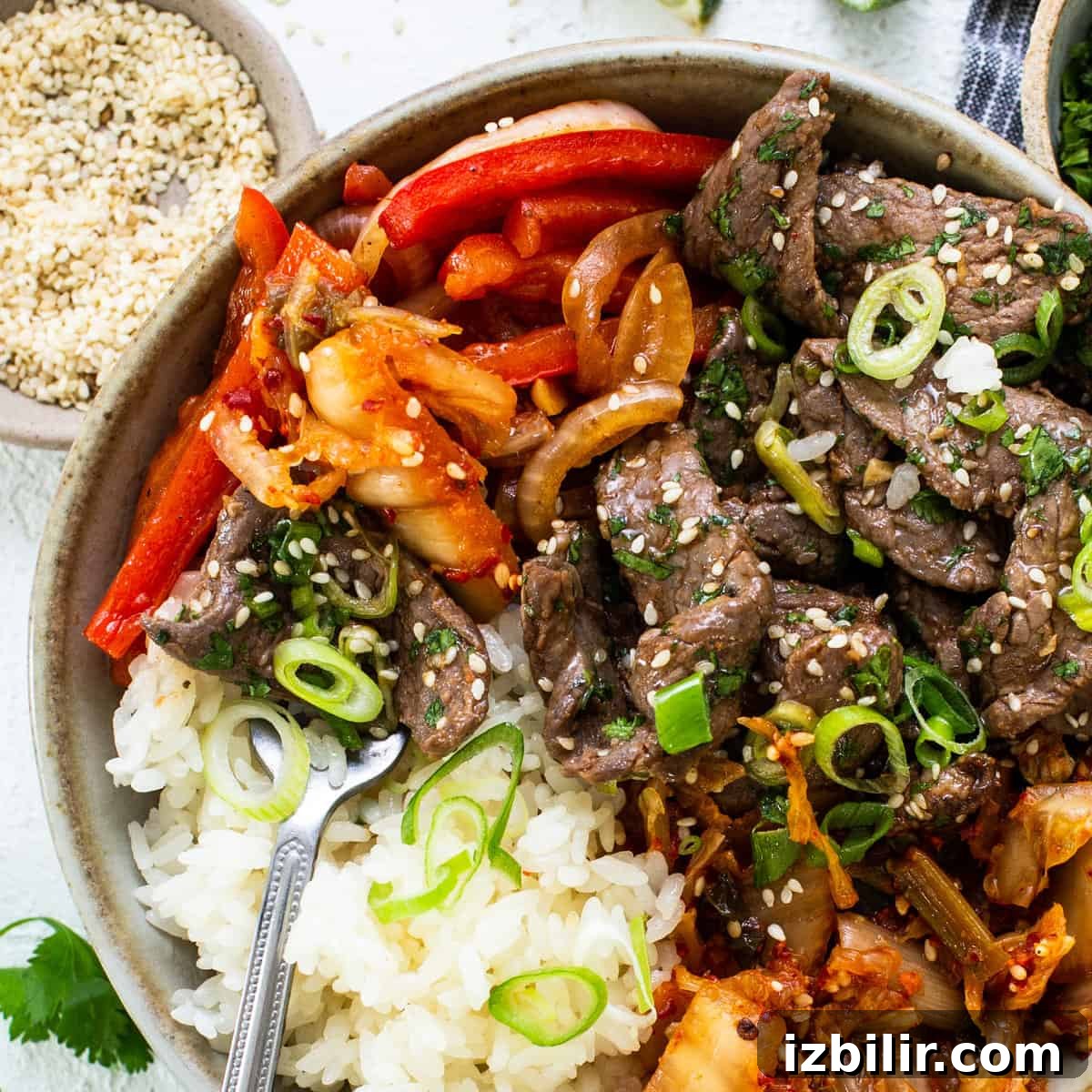
Beef Bulgogi Bowls
These beef bulgogi bowls are hearty, full of classic Korean flavors, and ideal for weekly meal prep. Thinly sliced ribeye soaks in a savory-sweet bulgogi marinade, then is quickly seared and served over sticky rice with sautéed vegetables and spicy kimchi for a complete, satisfying meal.
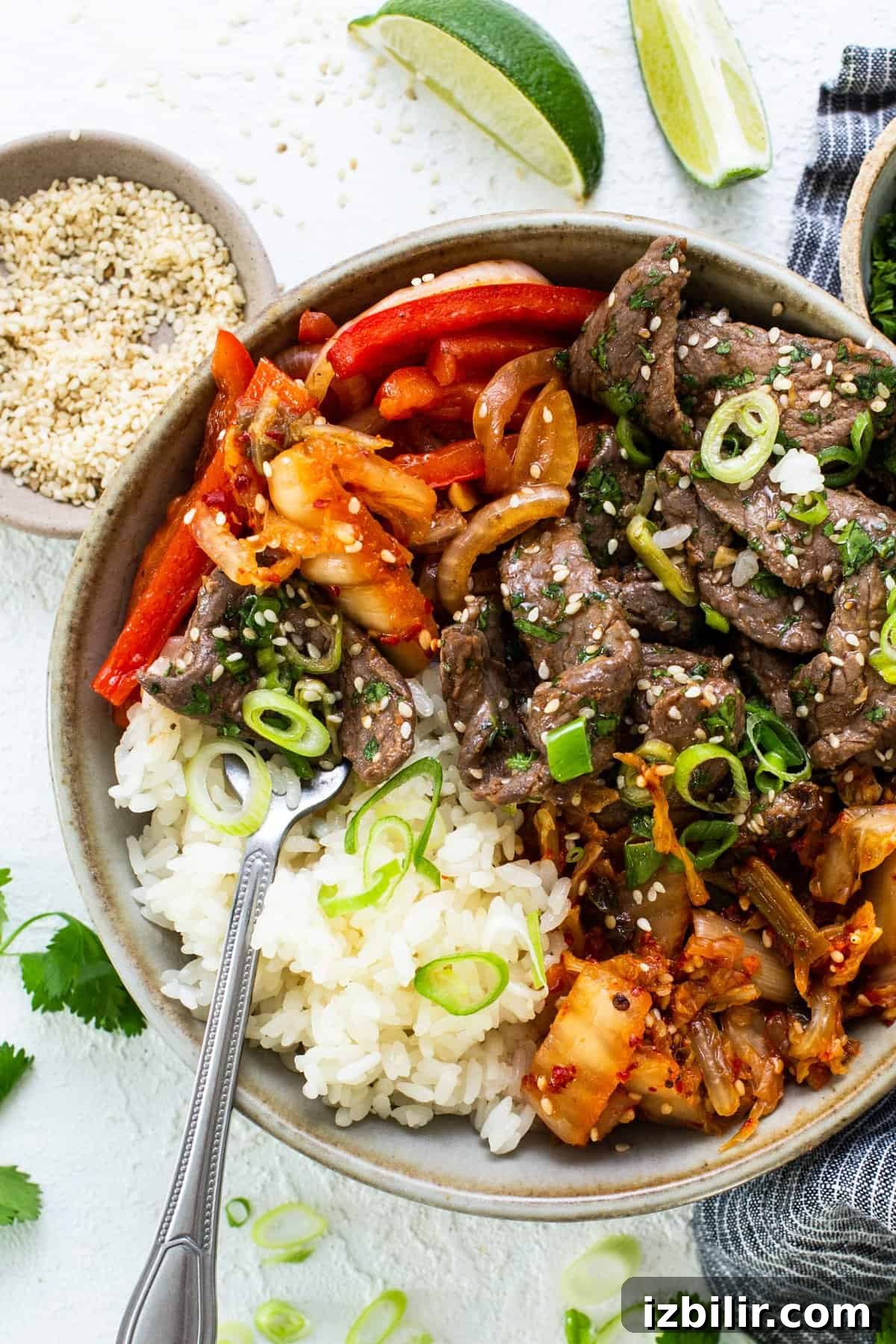
If you enjoy Korean-style beef but haven’t tried making bulgogi at home, this recipe is a great starting point. It draws on traditional bulgogi flavors—soy, sesame, garlic, ginger, and gochujang—while keeping the method approachable. Make a big batch to enjoy leftovers all week or prepare quickly for a flavorful weeknight dinner.

What’s in Beef Bulgogi Bowls?
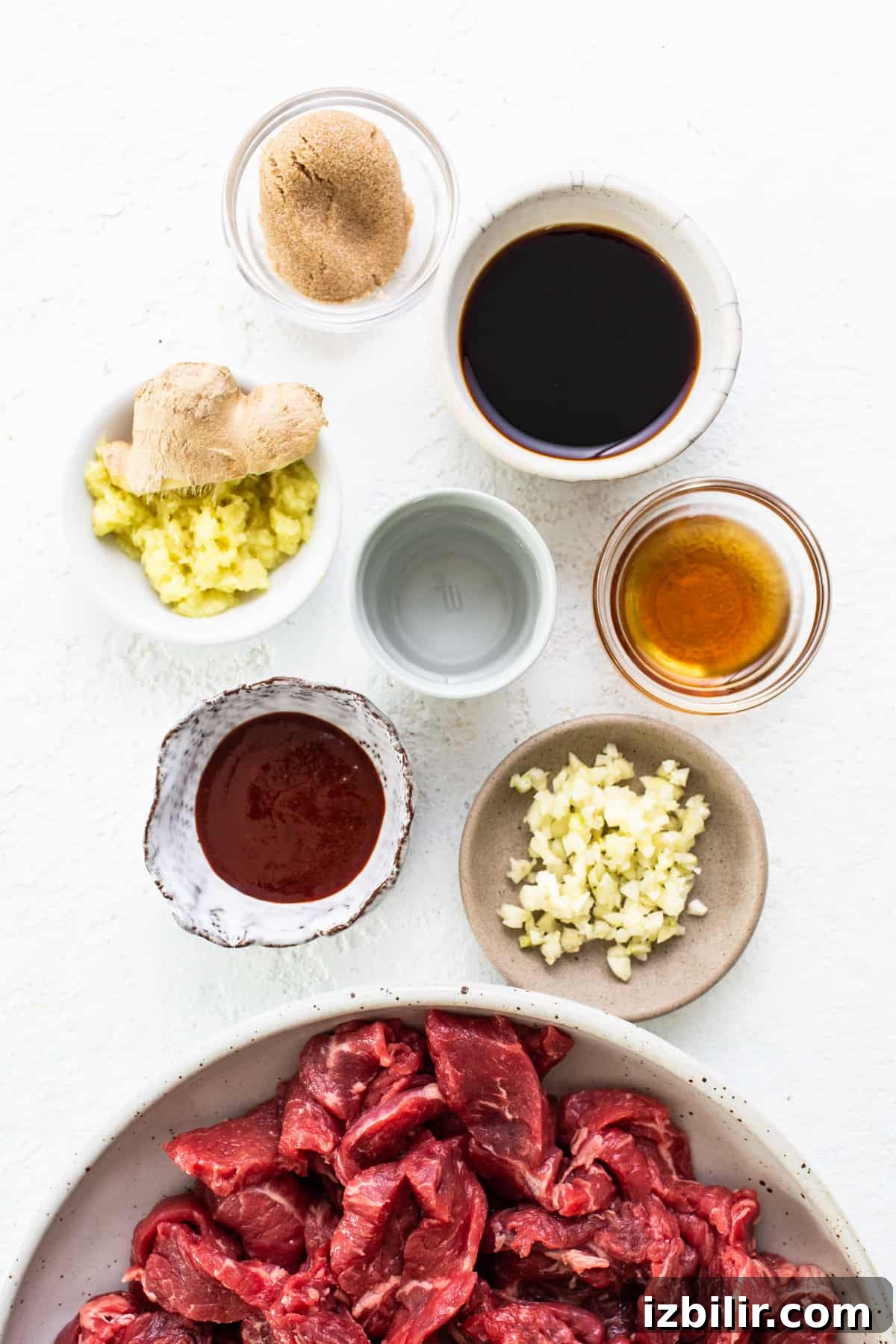
- Boneless ribeye: Thinly sliced against the grain for tender, juicy bites.
- Soy sauce: Provides rich umami and salt for the marinade.
- Toasted sesame oil: Adds a warm, nutty aroma and depth.
- Gochujang: Korean red chili paste that brings a mild heat and fermented complexity.
- Red bell peppers & white onion: Sautéed until just tender to balance the meat.
- Green onions and cilantro: Fresh garnishes that lift the finished bowls.
- Lime: A squeeze of lime brightens the flavors just before serving.
- Sticky rice or long-grain white rice: A soft, neutral base for the savory beef and vegetables.
- Kimchi: Fermented cabbage or other kimchi varieties add acidity, spice, and texture.
- Cast iron skillet: Helpful for quick, even searing and caramelization.
Substitutions & Variations
- Vegetables: Swap the red bell peppers for shredded carrots, broccoli florets, snap peas, or mushrooms depending on what you like or have on hand.
- Rice: Sticky rice works best for authentic texture, but long-grain white rice, brown rice, or cauliflower rice are all good substitutes.
- Protein: Ribeye is preferred for its marbling, but sirloin, tenderloin, or thinly sliced short ribs can be used.
- Toppings: Add dried seaweed, toasted sesame seeds, sliced avocado, or a soft-boiled egg for extra richness and texture.
- Spice level: Increase gochujang by 1–2 teaspoons to make the bulgogi spicier.
- Wraps: Serve the meat and vegetables in lettuce leaves for a lighter, handheld option.
Ingredients (serves 6)
Beef
- 2 lbs boneless ribeye, thinly sliced against the grain
Marinade
- 1/4 cup soy sauce
- 2 tablespoons water
- 1 tablespoon toasted sesame oil
- 3 teaspoons gochujang (adjust to taste)
- 1 tablespoon light brown sugar
- 1 tablespoon freshly grated ginger
- 3 cloves garlic, minced
Bowls
- 1 tablespoon avocado oil (or neutral oil)
- 2 red bell peppers, sliced
- 1/2 large white onion, sliced
- 3 cloves garlic, thinly sliced
- 1/2 teaspoon salt
- 4 green onions, sliced
- 1/3 cup chopped fresh cilantro
- 1 lime, cut into wedges
- 2 cups cooked sticky rice or long-grain white rice
- 1–2 tablespoons raw white sesame seeds
- 1 cup kimchi, any kind
Instructions
- Place the ribeye in the freezer for about 20 minutes to firm it up slightly; this makes slicing thin strips easier. Slice the meat thinly against the grain.
- Transfer the sliced beef to a bowl or resealable bag. Whisk together all marinade ingredients (soy sauce, water, sesame oil, gochujang, brown sugar, grated ginger, and minced garlic) and pour over the beef. Toss to coat thoroughly.
- Refrigerate the beef for at least 1 hour or overnight for best flavor. Turn the bag or stir the meat periodically to ensure even marination.
- When ready to cook, remove the beef from the refrigerator and let it come to room temperature for 10–15 minutes. Drain excess marinade and reserve the liquid.
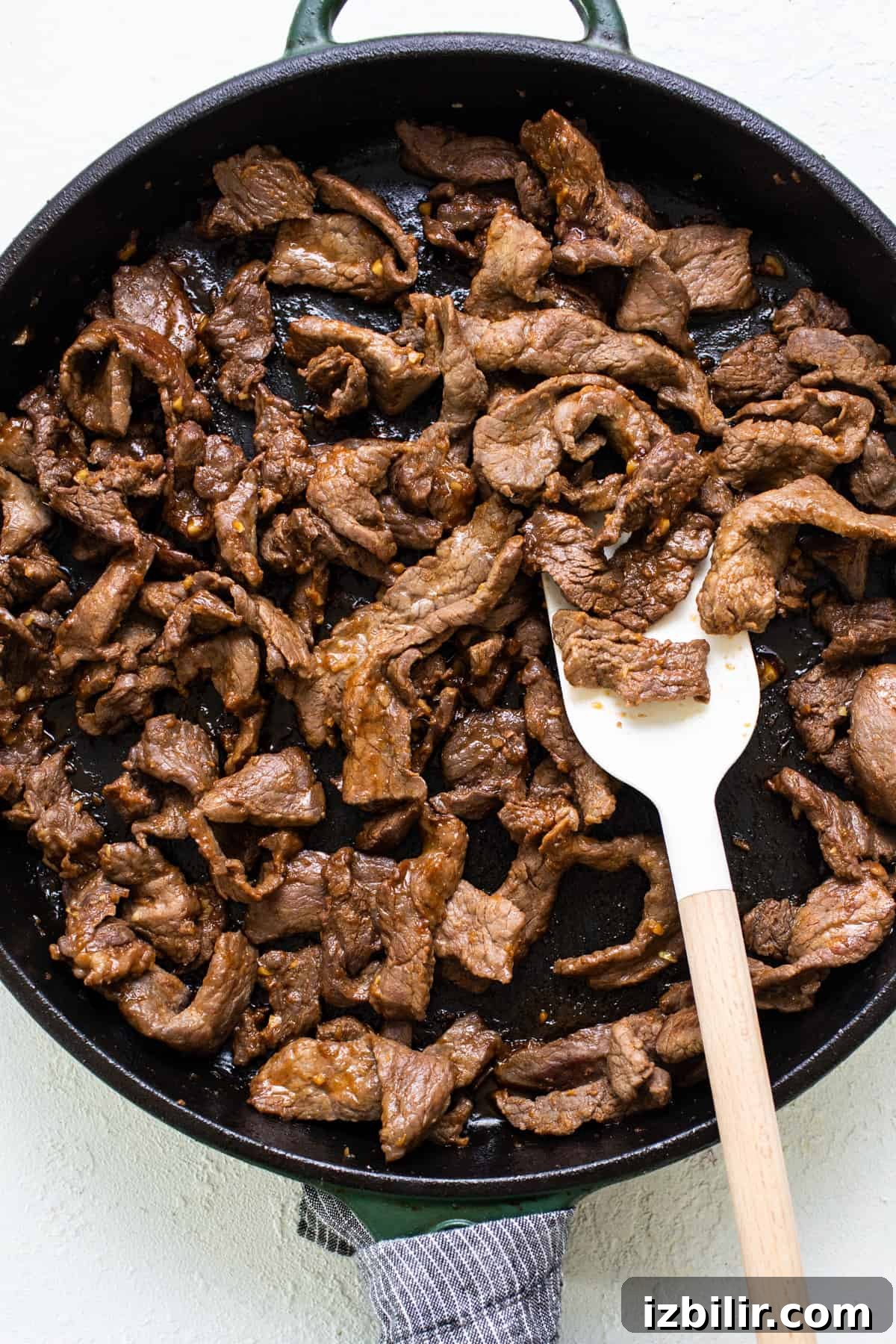
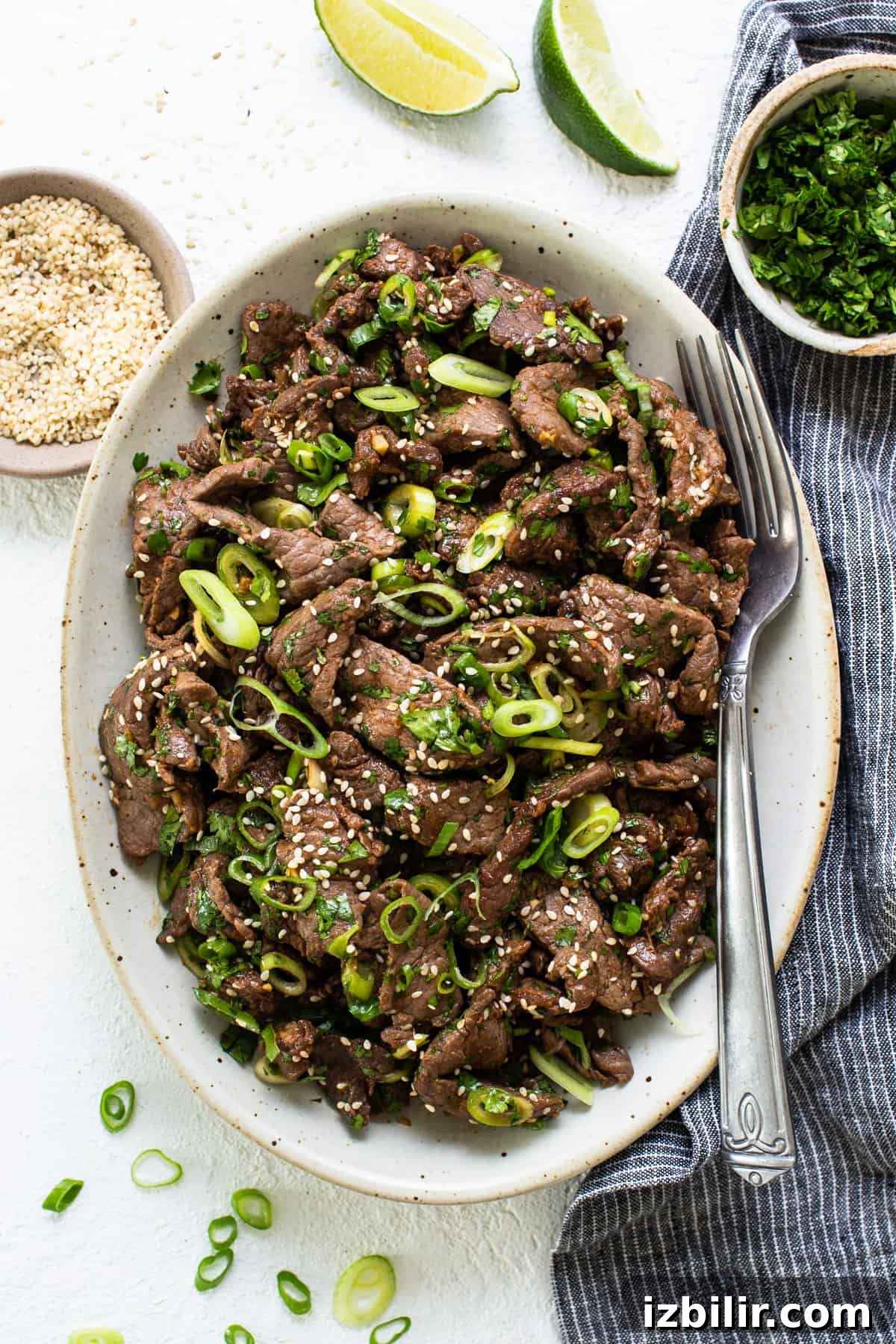
- Heat avocado oil in a large cast iron skillet or heavy pan over high heat. When the pan is very hot, add the beef in a single layer and sear for 2–3 minutes per side until browned and cooked through. Remove the beef to a plate.
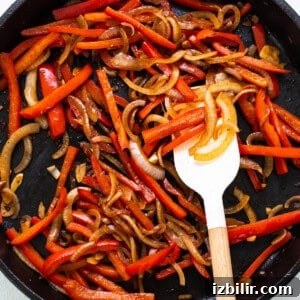
- Leave the beef drippings in the pan, then add the sliced bell peppers, white onion, and thinly sliced garlic. Season with salt and sauté for 4–5 minutes until crisp-tender but not soggy. Remove from heat.
- Pour the reserved marinade into a small saucepan and bring it to a boil. Simmer for about 5 minutes to reduce and cook out any raw flavor; then remove from heat.
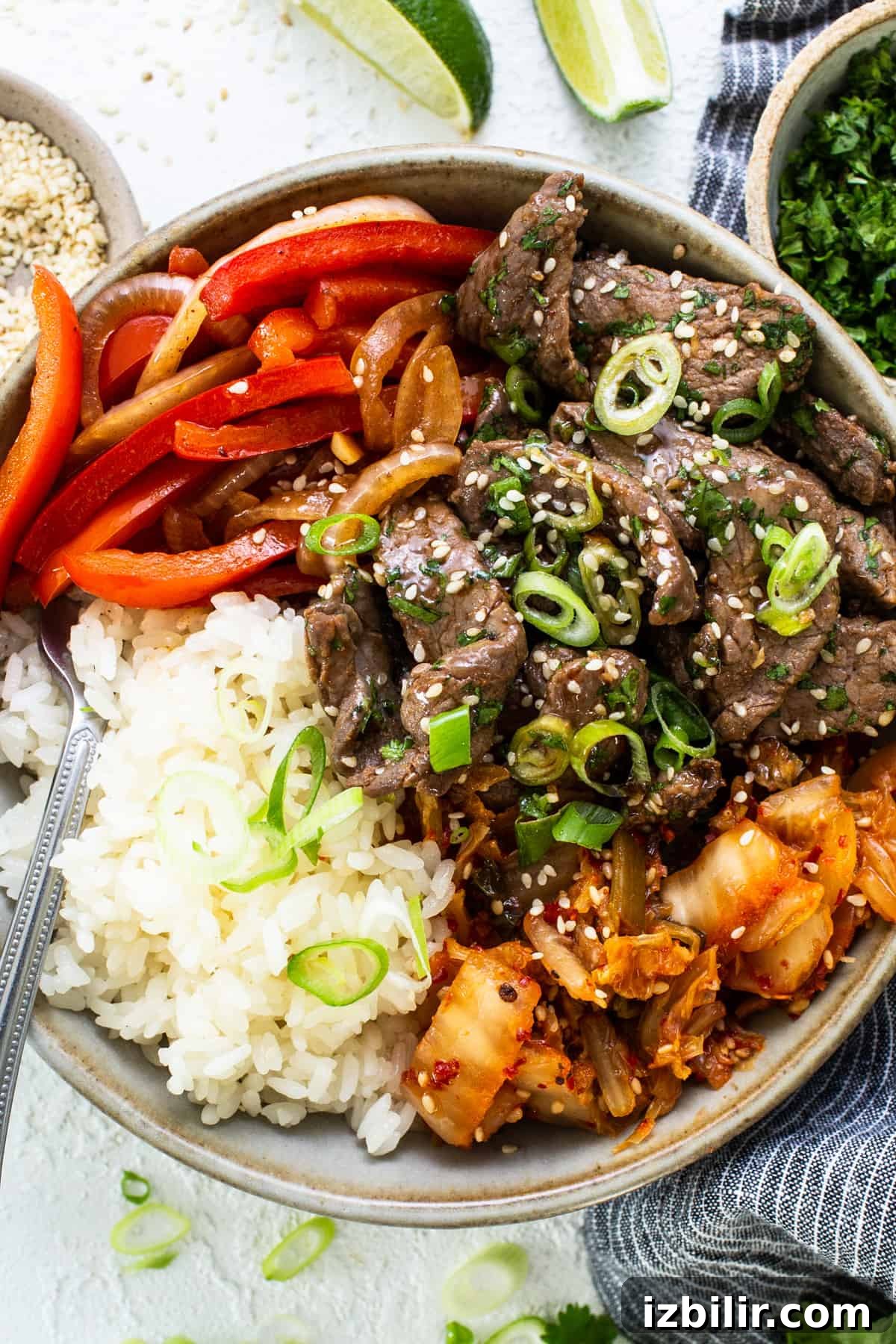
- Assemble bowls by dividing the cooked rice among bowls, topping with beef, sautéed vegetables, kimchi, green onions, cilantro, and sesame seeds. Drizzle the reduced marinade over the beef if desired and finish with a squeeze of lime.
Tips & Notes
- If you want more heat, add 1–2 extra teaspoons of gochujang to the marinade.
- These bowls work great as a meal-prep option: store beef, rice, vegetables, and kimchi separately for best texture.
- Try serving the bulgogi as lettuce wraps or topped with a soft-boiled egg for added richness.
- Substitute vegetables based on seasonality or preference—zucchini, mushrooms, or snap peas all pair well.
Sticky Rice Directions
- Rinse 1 cup uncooked rice under cold water for 2–3 minutes until water runs mostly clear.
- If using an electric pressure cooker: add rinsed rice and 1 cup water, cook at high pressure for 4 minutes, then allow a natural pressure release for 8 minutes. Fluff and set aside.
- For stovetop: combine rinsed rice with the appropriate water amount (usually 1:1 to 1:1.2 for sticky rice), bring to a simmer, cover, and cook until tender. Fluff before serving.
Storage
Store components separately in airtight containers in the refrigerator for up to 4 days. Keep rice, beef, vegetables, and kimchi in separate containers to preserve texture and flavor.
Freezer Directions
To freeze: place beef, rice, and vegetables in freezer-safe, airtight containers or bags and freeze for up to 3 months. Thaw overnight in the refrigerator before reheating.
FAQs
- What cut of meat is best for bulgogi?
- Traditional bulgogi often uses thinly sliced ribeye because its marbling keeps the meat tender and flavorful. You can also use sirloin, tenderloin, or short ribs if preferred.
- How is bulgogi different from bibimbap?
- Bulgogi refers specifically to marinated, thinly sliced beef that is typically cooked quickly and served with rice and vegetables. Bibimbap is a rice bowl topped with a variety of vegetables, sometimes meat, a fried egg, and a spicy sauce. Both are served over rice, but bibimbap is a mixed vegetable-centric bowl while bulgogi emphasizes the marinated beef.
- What does bulgogi taste like?
- Bulgogi combines savory, sweet, and slightly spicy flavors from soy sauce, sugar, sesame oil, garlic, ginger, and gochujang (when used). The result is tender, slightly caramelized beef with a balanced umami profile.
Nutrition (per serving, approximate)
Calories: 473 kcal • Carbohydrates: 24 g • Protein: 34 g • Fat: 27 g • Fiber: 2 g • Sugar: 5 g
Nutrition values are estimates and should be used as a general guide.
If you try this recipe, consider making an extra batch of marinade and vegetables so you can build fresh bowls quickly throughout the week. Enjoy the savory-sweet depth of bulgogi alongside bright kimchi and rice for a balanced, flavorful meal.