
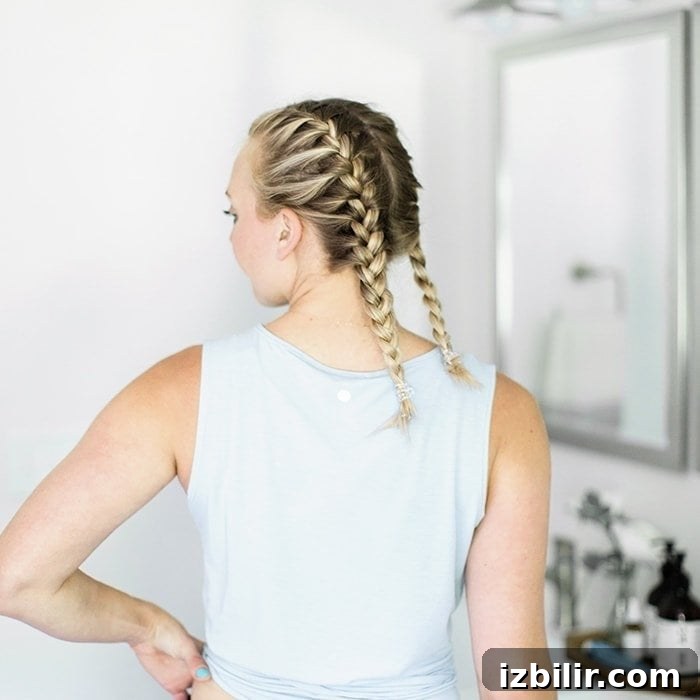
Jump on the French braid bandwagon and learn how to French braid your own hair with an easy, step-by-step approach. This guide walks you through the process of braiding your hair into pigtails, explains the basics, and offers practical tips and variations so you can master a neat, long-lasting braid whether you’re a beginner or just refreshing your technique.
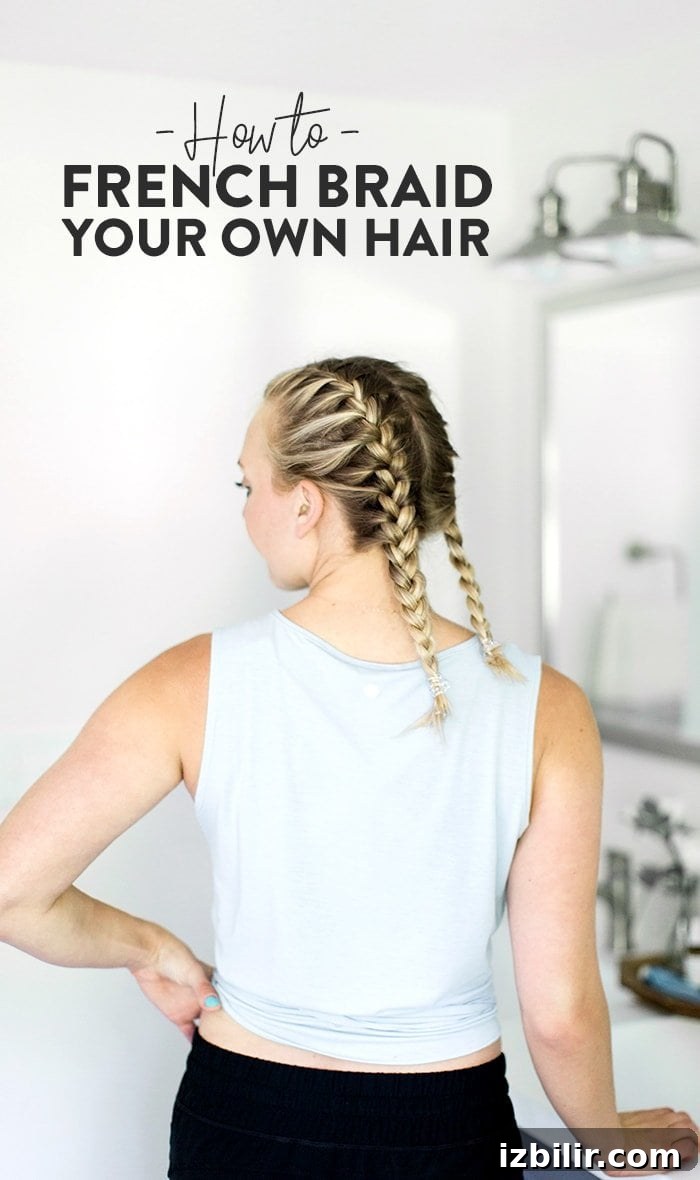
Many people learn to French braid as kids and come back to the style later because it’s practical and versatile. Whether you braided as a child or are learning for the first time, this method is straightforward with a little practice. French braids keep hair controlled during workouts, conceal day-old oil, work well while traveling, and create soft waves when released.
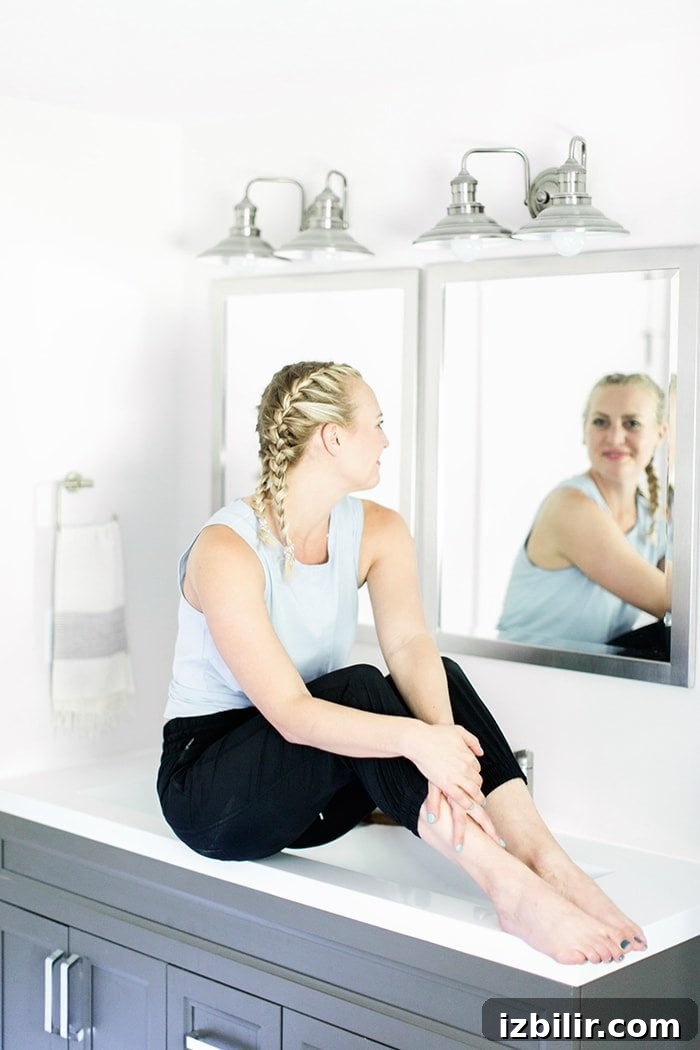
How to French Braid Your Own Hair
French braiding into pigtails is simple when you break it into steps. All you need is a comb and two hair ties. Follow these detailed steps and practice a few times for speed and neatness.
- Use a comb to part your hair straight down the middle so you have two even sections.
- Secure one side with a hair tie or clip so you can focus on the other side without interference.
- Starting at the crown of the free side, take a small triangular section of hair. Divide that section into three equal strands and begin a standard three-strand braid (cross the right strand over the middle, then the left over the middle).
- After the first braid pass, begin adding hair: pick up a small piece of hair from the outer edge of the section and add it to the outer strand before crossing it over into the middle. Repeat on the other side. This is the “French” element—adding hair into each outside strand before crossing.
- Continue adding small, even amounts of hair from both sides as you move down the scalp, keeping tension consistent so the braid lies flat and neat. Aim to add hair from the top and outer edges only.
- Once you reach the nape of the neck and there’s no more hair to add, finish with a regular three-strand braid down to the ends and secure with a hair tie.
- Repeat the entire process on the opposite side so you end up with two French braided pigtails.
French braiding takes practice. The more consistently you braid your own hair, the better your tension control and speed will become. Start with small sections of hair added each pass for a tighter, more secure braid; take larger chunks for a chunkier, more relaxed look.
Why Choose French Braids
French braids are popular because they are functional and flattering. They keep hair off the face and neck, reduce tangles, and can disguise oily roots on day two or three. They’re also a go-to for active days, travel, and creating textured waves when taken down.
- Keeps hair secure during workouts
- Camouflages dirty or second-day hair
- Convenient for travel and long days
- Creates natural waves when released
Tips, Troubleshooting, and Styling Variations
Preparation helps: brush or detangle your hair first and, if desired, use a light texturizing spray or dry shampoo to add grip. If your hair is very slippery, slightly damp hair or a small amount of styling product can make braiding easier.
Common problems and fixes:
- Uneven sections: keep the part neat and take equal amounts of hair each time you add to the braid.
- Loose or falling braid: maintain even tension and secure the braid firmly at the nape before finishing the three-strand section.
- Braids that pull or feel tight: loosen the added sections slightly or pancake (gently pull at outer edges) the finished braid for a fuller, more relaxed appearance.
Styling variations to try once you’re comfortable:
- Make the braid bigger by grabbing wider sections as you add hair.
- Stop adding hair earlier and finish with a low ponytail for a half-French look.
- Leave the ends loose for a messy, beachy vibe or twist each braid into a bun for a double-bun style.
- Undo the braids after a few hours or overnight for soft, natural waves.
Learning to French braid your own hair opens up quick daily styling options and creative looks for special occasions. If you’re new, be patient—practice on one side until it feels natural, then move to the other. Watching a variety of video tutorials can also help you visualize hand placement and motion until the technique feels intuitive.
Do you already French braid your own hair? Try these tips and experiment with section size and texture to find the look that works best for your hair type and lifestyle.