
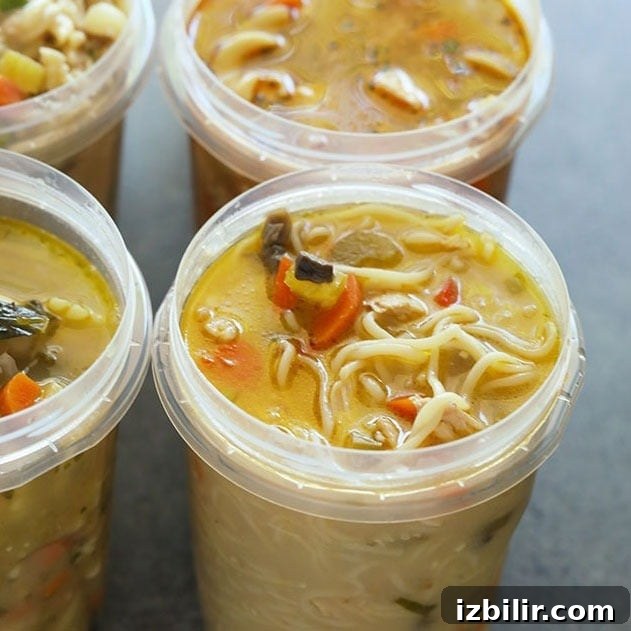
How to Freeze Soup (and Thaw It)
Freezing soup is one of the simplest and most effective ways to save time and always have a home-cooked meal on hand. Whether you want to meal prep for a busy week, pack meals for a new parent, or simply reduce food waste, properly freezing and thawing soup will help preserve flavor and texture. Below is a practical, step-by-step guide with tips for getting the best results.
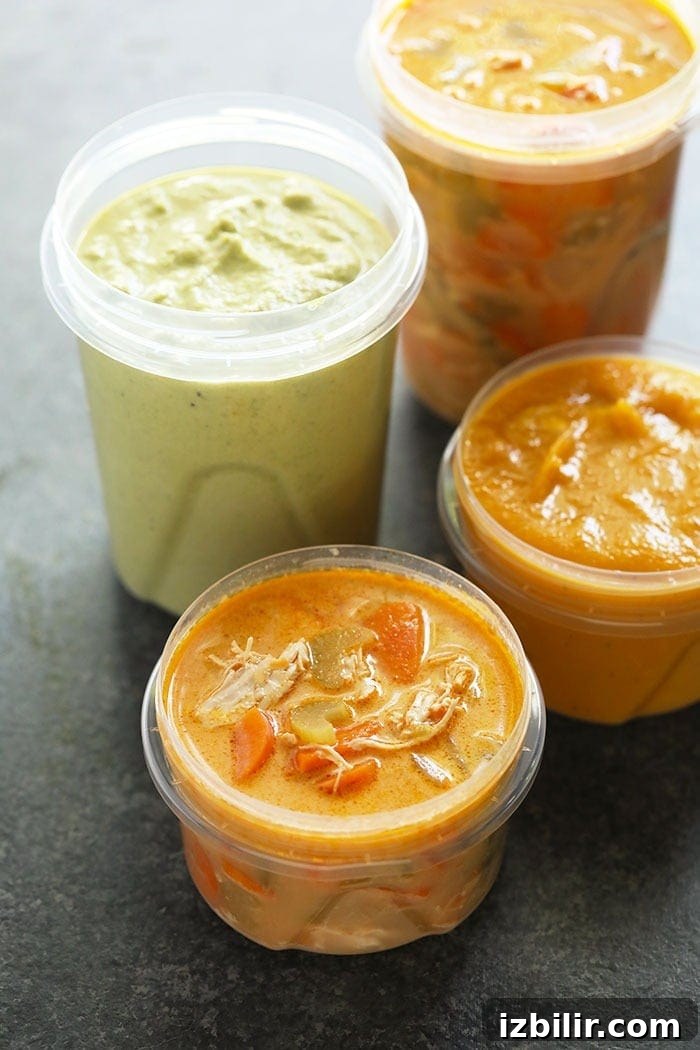
Why Freeze Soup?
- Meal prep: Soup is easy to portion and freezes well when prepared correctly. Freezing batches in advance ensures you always have a healthy, ready-made meal.
- Gifting: A container of homemade soup is a thoughtful, practical gift for someone recovering from illness, handling a new baby, or needing a simple dinner solution.
- Variety and convenience: Soups come in countless flavors and styles, so you can stock your freezer with different options and enjoy diverse meals without extra effort.
How to Freeze Soup
- Choose and prepare the soup. Follow your recipe but avoid adding dairy, cream, or fully cooked noodles if you plan to freeze the soup. These elements are better added after thawing.
- Cool completely. Allow the soup to come to room temperature before packing. Placing hot soup directly into the freezer traps steam and increases the risk of freezer burn and temperature fluctuation.
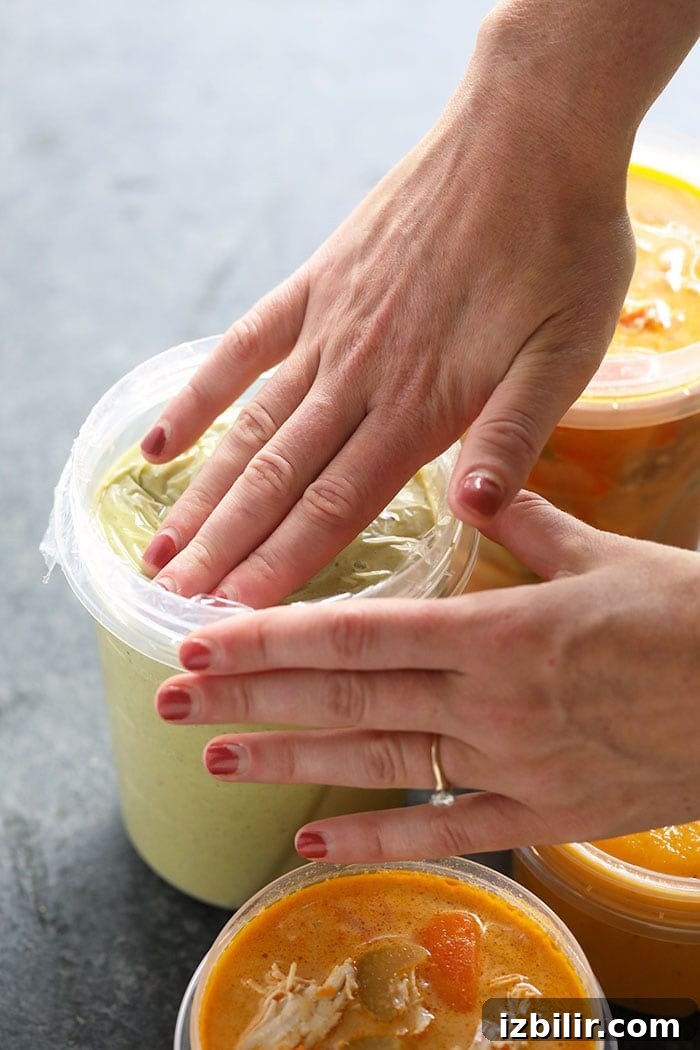
- Portion and pack. Transfer soup into freezer-safe containers or gallon-size freezer bags. Leave 1–2 inches of headspace for expansion. If using a rigid container, place a layer of plastic wrap directly on the surface to minimize air contact.
- Remove air and seal. Squeeze excess air from bags, or press plastic wrap on the surface if using a container, then secure the lid tightly.
- Label and freeze. Write the soup name and date on each container. Most soups keep their best quality for up to three months in a standard home freezer.
Practical Tips for Best Results
Under-cook vegetables: If your recipe calls for sautéed or cooked vegetables, err on the side of slightly undercooking them so they won’t turn mushy after freezing and reheating.
Leave room for expansion: Liquids expand when frozen; leaving space prevents lids from popping or bags from bursting.
Limit air exposure: The less air in the container, the lower the risk of freezer burn. Use plastic wrap against the surface or vacuum-seal bags when possible.
Label everything: Add the date and contents to each package. While soups can be safe longer, quality and flavor are best within three months.
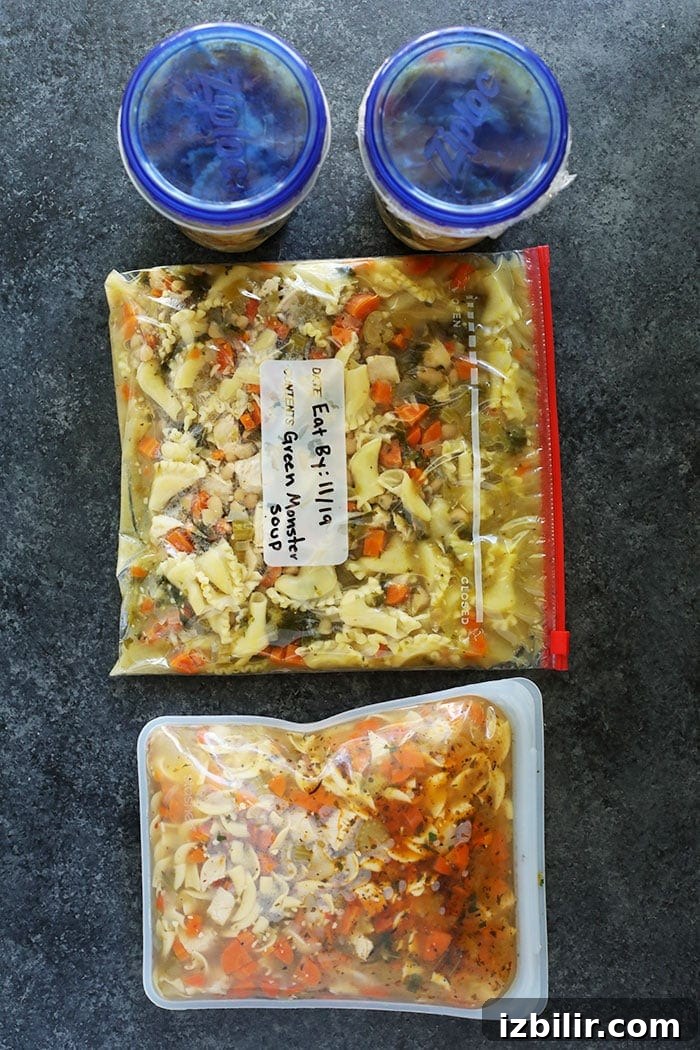
Best Soups to Freeze (and Which to Modify)
Brothy soups with hearty vegetables, beans, lentils, rice, or cooked meats freeze particularly well. Soups that are broth-based maintain texture and flavor after freezing and reheating.
Soups containing dairy, cream, or delicate starches (like pasta) can be frozen, but with adjustments: omit the dairy or pasta prior to freezing and add them freshly when reheating.
Freezing Creamy Soups
If you want to freeze a creamy soup, make the base without the cream, roux, or cheese. Freeze the flavored broth and vegetables or proteins, then add the dairy and thickeners when you reheat. This preserves texture and prevents separation.
Freezing Noodle Soups
For noodle-based soups like chicken noodle, cook and freeze the broth and other ingredients but leave the noodles out. Cook fresh noodles at serving time or add pre-cooked noodles to each individual portion just before serving.
Best Containers for Freezing Soup
Use reusable glass or BPA-free freezer-safe containers, sturdy Tupperware, or heavy-duty freezer bags. Choose portion sizes that match how you’ll eat the soup: single-serve containers for lunches or 32–64 oz containers for family meals.
Crockpot Freezer Meal Ideas
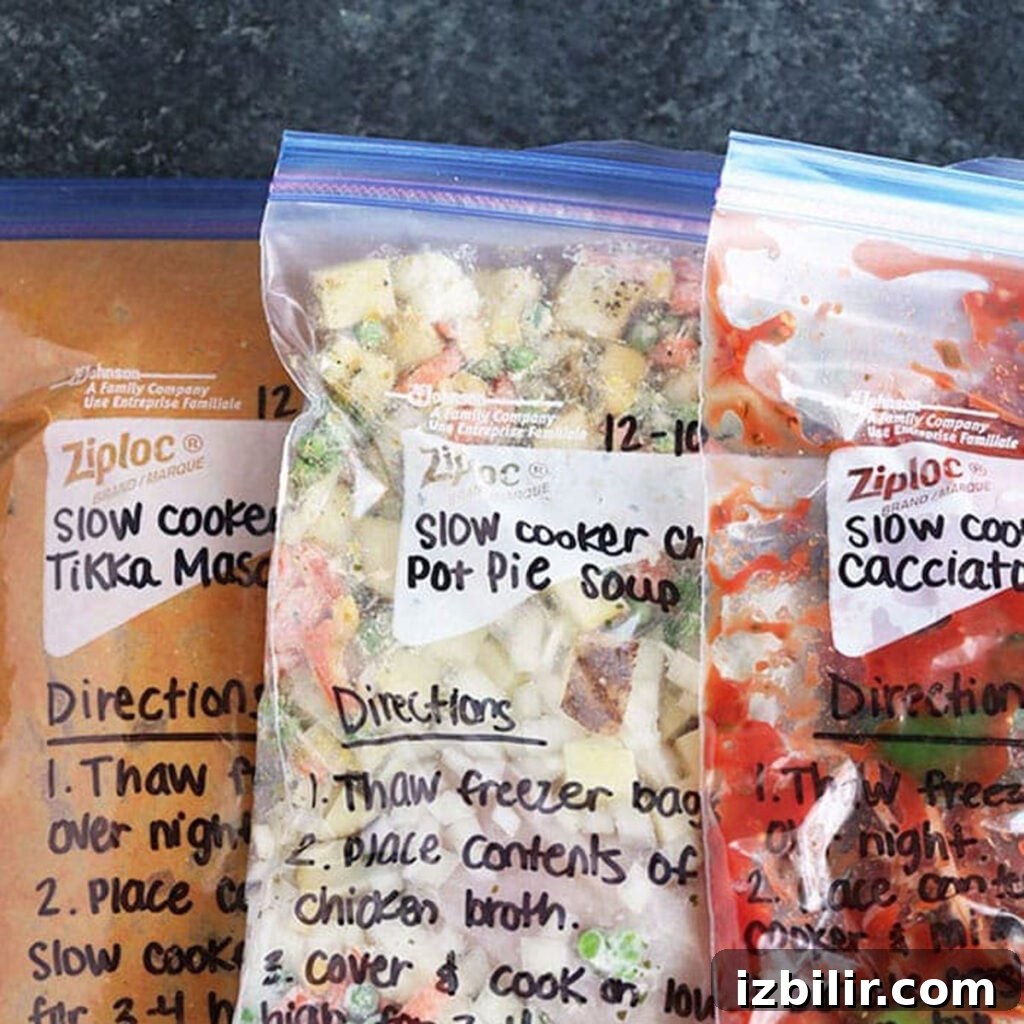
Some popular make-ahead crockpot options you can prepare and freeze (adjust the list to your preferred recipes):
- Slow Cooker Chicken Cacciatore
- Slow Cooker Chicken Tikka Masala
- Slow Cooker Chicken Enchilada Casserole
- Slow Cooker Chicken Noodle Soup (freeze without noodles)
- Slow Cooker Chicken Pot Pie Soup (freeze base, add cream at reheating)
- Crock Pot Honey Garlic Chicken
Ways to Thaw Frozen Soup
- Refrigerator thawing: The safest method is to move the soup from freezer to refrigerator and let it thaw overnight or over 24 hours, depending on size.
- Warm water bath: Submerge the sealed bag or container in warm (not hot) water to loosen the contents if you need a faster thaw. Once softened, pour into a saucepan to finish heating.
- Microwave: Use only for microwave-safe containers. Defrost on the low setting or in short intervals, stirring to promote even heating. Avoid microwaving sealed jars or metal lids.
How to Reheat Frozen Soup
For the best texture and flavor, reheat thawed soup on the stovetop over low to medium heat, stirring occasionally. Add a splash of broth or water if the soup has thickened or absorbed liquid during freezing. If the recipe originally included dairy or pasta, add them at this stage and simmer until warmed through. Taste and adjust seasoning before serving.
Favorite Soups to Freeze
- Chicken soup (freeze without noodles)
- Taco-style soup
- Turkey and wild rice soup
- Chicken enchilada soup
- Lentil soup
Simple Recipe Notes
Title: How to Freeze Soup
Summary: A straightforward method for cooling, packaging, and freezing soup so you can enjoy homemade meals on demand.
Prep: 15 mins • Servings: Varies
Ingredients
- A batch of cooled soup (omit cream or noodles if freezing)
Instructions
- Let the soup cool completely.
- Portion into freezer-safe containers or heavy-duty freezer bags, leaving space for expansion.
- Remove as much air as possible and, if using containers, press plastic wrap against the surface to reduce air exposure.
- Seal, label with the name and date, and freeze. Use within three months for best quality.
Tips & Notes
- Thaw in the refrigerator overnight, then reheat on the stovetop over low/medium heat.
- Add fresh cream, cheese, or pasta only after reheating to preserve texture.
- Adjust seasonings after reheating—flavors can mellow in the freezer.
If you love making meals ahead, freezing soup is one of the most reliable strategies for quick, nutritious dinners. Follow the simple steps above and you’ll have a rotating selection of homemade soups ready whenever you need them.