
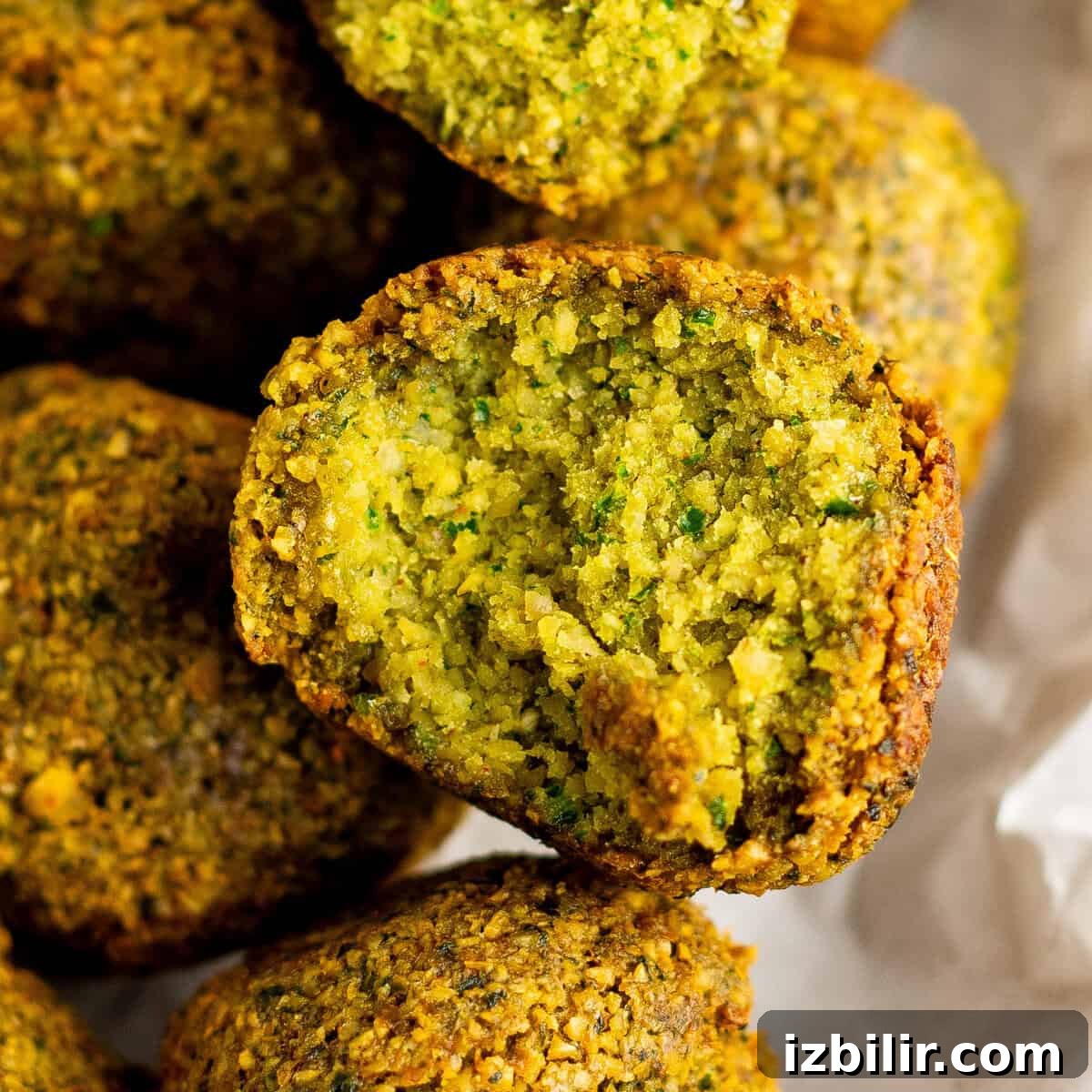
Ditch the boxed mix and make a fresh, flavorful homemade falafel instead. This vegetarian falafel is bright with fresh herbs, spiced with classic Middle Eastern flavors, and built on hearty garbanzo beans. Crisp on the outside and tender inside, it’s perfect for stuffing into pita, topping salads, or serving in bowls with hummus and tahini.
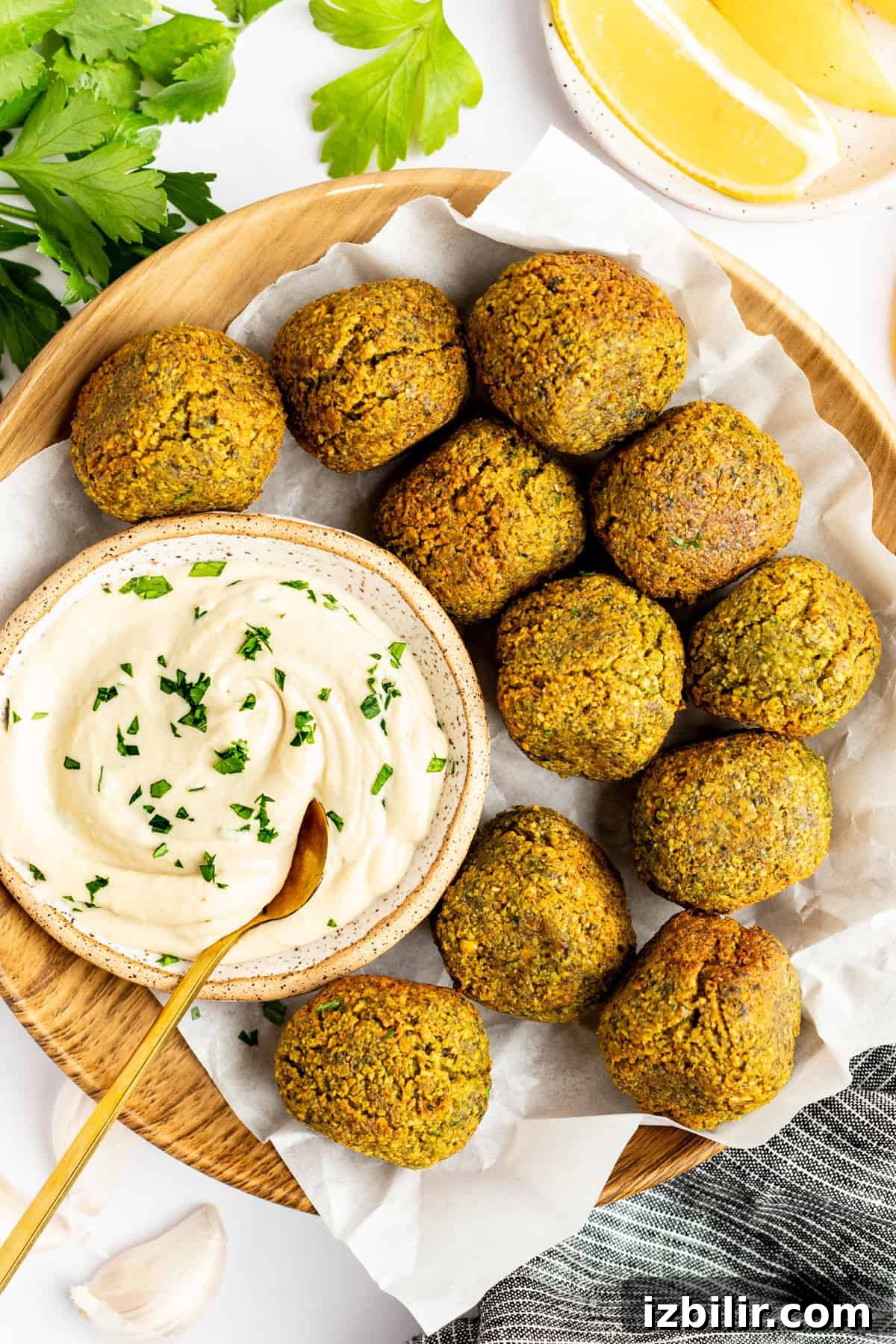
I learned a lot about authentic falafel during a trip to Israel in 2013 and from a cooking class with a local chef. The most important tip I brought home is simple: use dried garbanzo beans, not canned. Canned beans add too much moisture and give a soft, mushy texture rather than the light, crackling exterior and fluffy interior you want in a great falafel.
Everything You Need to Make Falafel
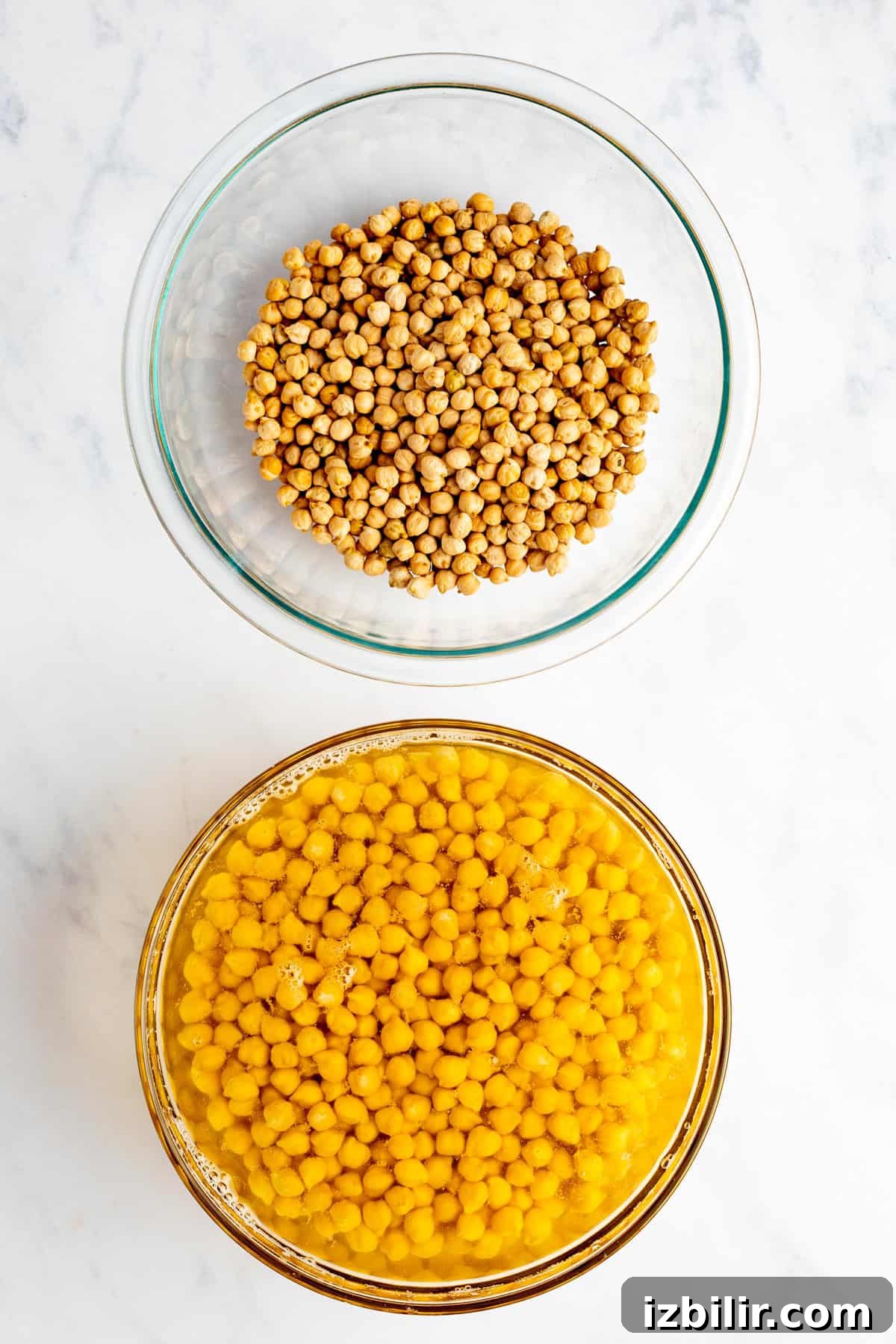
- Garbanzo (chickpeas): Use dried garbanzo beans rehydrated by soaking overnight for best texture and flavor.
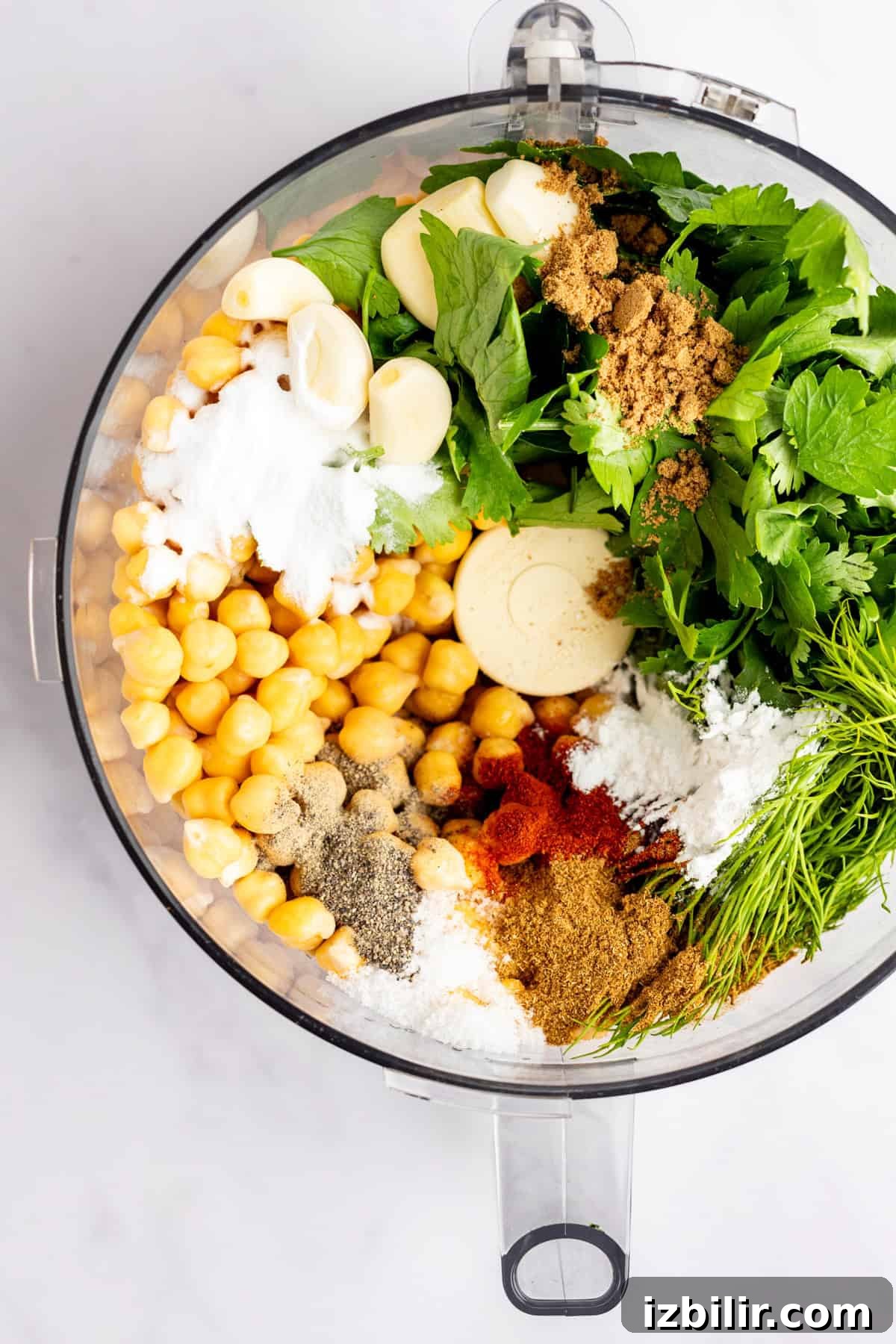
- Fresh herbs: A mix of parsley, cilantro, and dill creates a bright, green interior and fresh aroma.
- Spices: Paprika, ground coriander, cumin, sea salt, and black pepper give warmth and depth.
- Baking powder and baking soda: Small amounts help the falafel stay light while holding their shape.
- Lemon juice and garlic: Tang and sharp garlic make the flavor pop.
- Oil for frying: Avocado oil or another high smoke point oil works well for a crisp finish.
- Food processor: To combine the beans, herbs, and spices into a cohesive mixture that forms easily.
Can I use canned garbanzo beans for this recipe?
No. Do not use canned garbanzo beans for this recipe. Tests with canned beans produce a mushy falafel that won’t crisp properly or hold its shape. For the right texture, soak dried beans overnight and follow the instructions below.
Can I use any herbs?
Yes—use whatever fresh herbs you enjoy or have on hand. The combination of parsley, cilantro, and dill gives a bright, herbaceous flavor, but you can adapt the herbs to taste or seasonality.
Make it spicy
To add heat, incorporate a spoonful of harissa into the mixture or sprinkle red pepper flakes on top before serving.
How to Make the Perfect Falafel
Follow these steps to produce falafel that are crispy outside and moist inside. The process is straightforward, and small techniques—like removing some of the outer skins after soaking—make a noticeable difference.
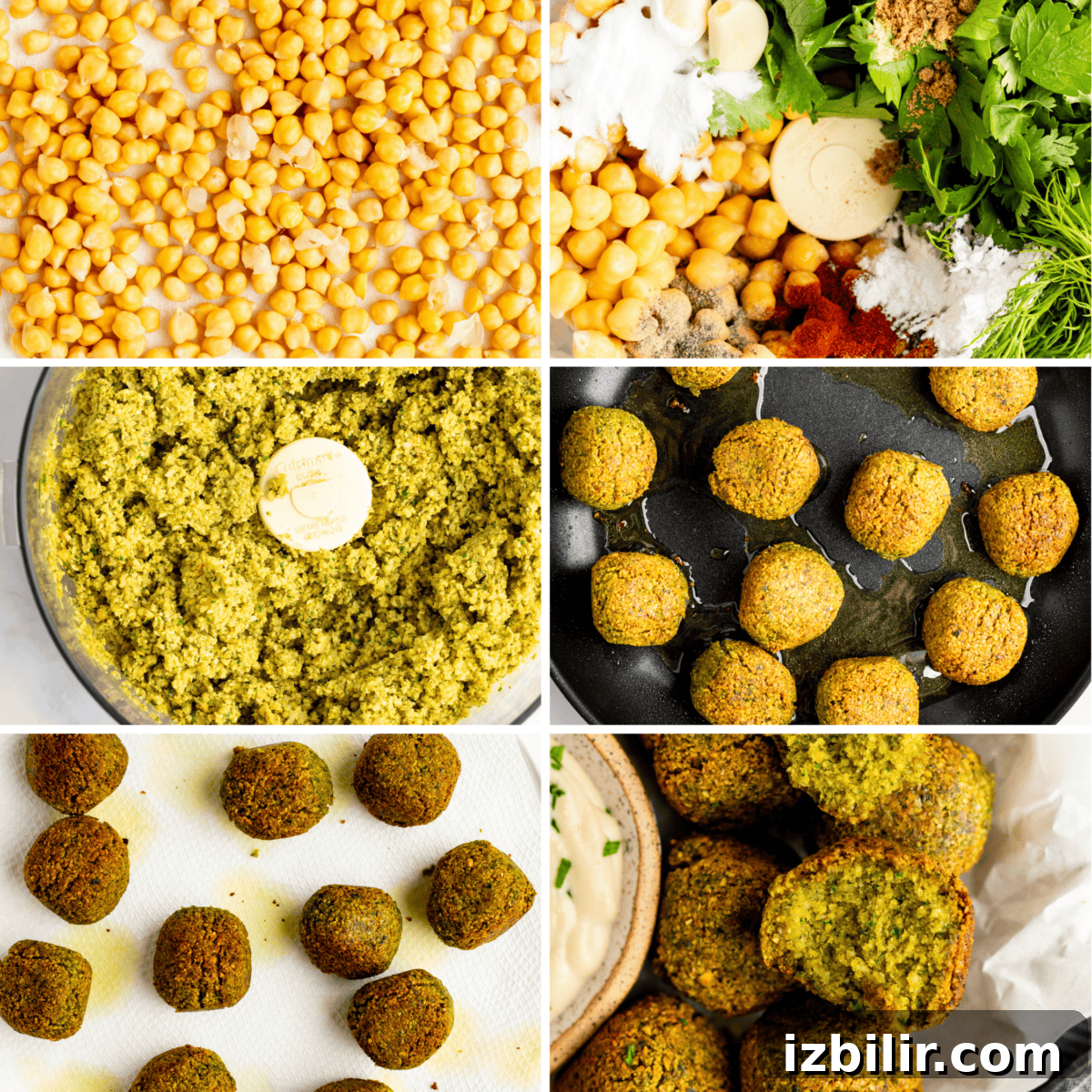
- Soak the beans: Place dried garbanzo beans in a bowl and cover them generously with water. Soak overnight (about 8–12 hours) until fully rehydrated.
- Remove skins: Drain and rinse the beans. Spread them on a clean towel and gently rub them under another towel to loosen and remove as many outer casings as possible. This step helps the falafel texture and reduces grit.
- Process the mixture: Transfer the drained beans to a food processor. Add packed fresh herbs, garlic, lemon juice, spices (paprika, coriander, cumin), sea salt, baking powder, and baking soda. Pulse and scrape the sides until the mixture is fully combined and holds together—when squeezed it should form a cohesive ball.
- Form the falafel: Scoop about 3 tablespoons of mixture and shape into balls or slightly flattened patties. Place them on a plate while you prepare the oil.
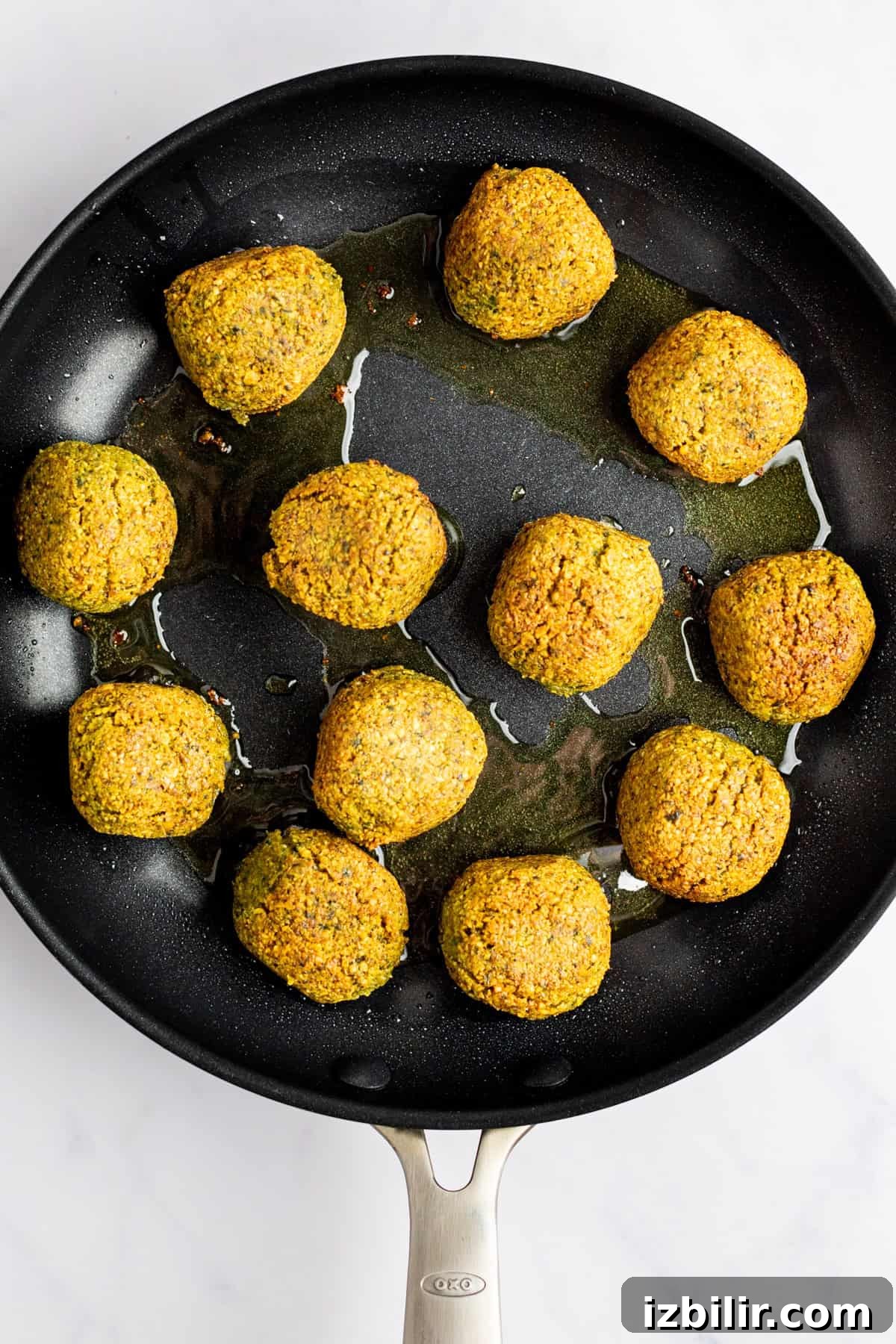
- Fry until golden: Heat 4–5 tablespoons of avocado oil in a large skillet over medium-high heat. When the oil is hot but not smoking, add the falafel and fry 1–2 minutes per side until evenly golden brown. Drain on paper towels and season with a pinch of sea salt. Repeat until all are cooked.
Air Fryer Directions
- Preheat the air fryer to 400ºF (about 200ºC).
- Place shaped falafel in the basket in a single layer and lightly spray with cooking spray or brush with oil.
- Season with salt and air fry for approximately 10 minutes, checking for even browning. Flip halfway through if needed.
- Remove when golden and crisp, and serve immediately.
A Few Air Fryer Tips
- Do not overcrowd the basket; cook in batches for even crisping.
- Make falafel uniform in size so they cook at the same rate.
- Watch closely toward the end—golden brown is the goal, not overcooked.
How long does homemade falafel last in the fridge?
Allow cooked falafel to cool completely, then store in an airtight container in the refrigerator for up to 3 days. For best texture when reheating, warm them in a preheated oven at 375ºF for 8–10 minutes until heated through and crisp. The microwave will warm them faster but may soften the exterior.
Ways to Enjoy Your Falafel
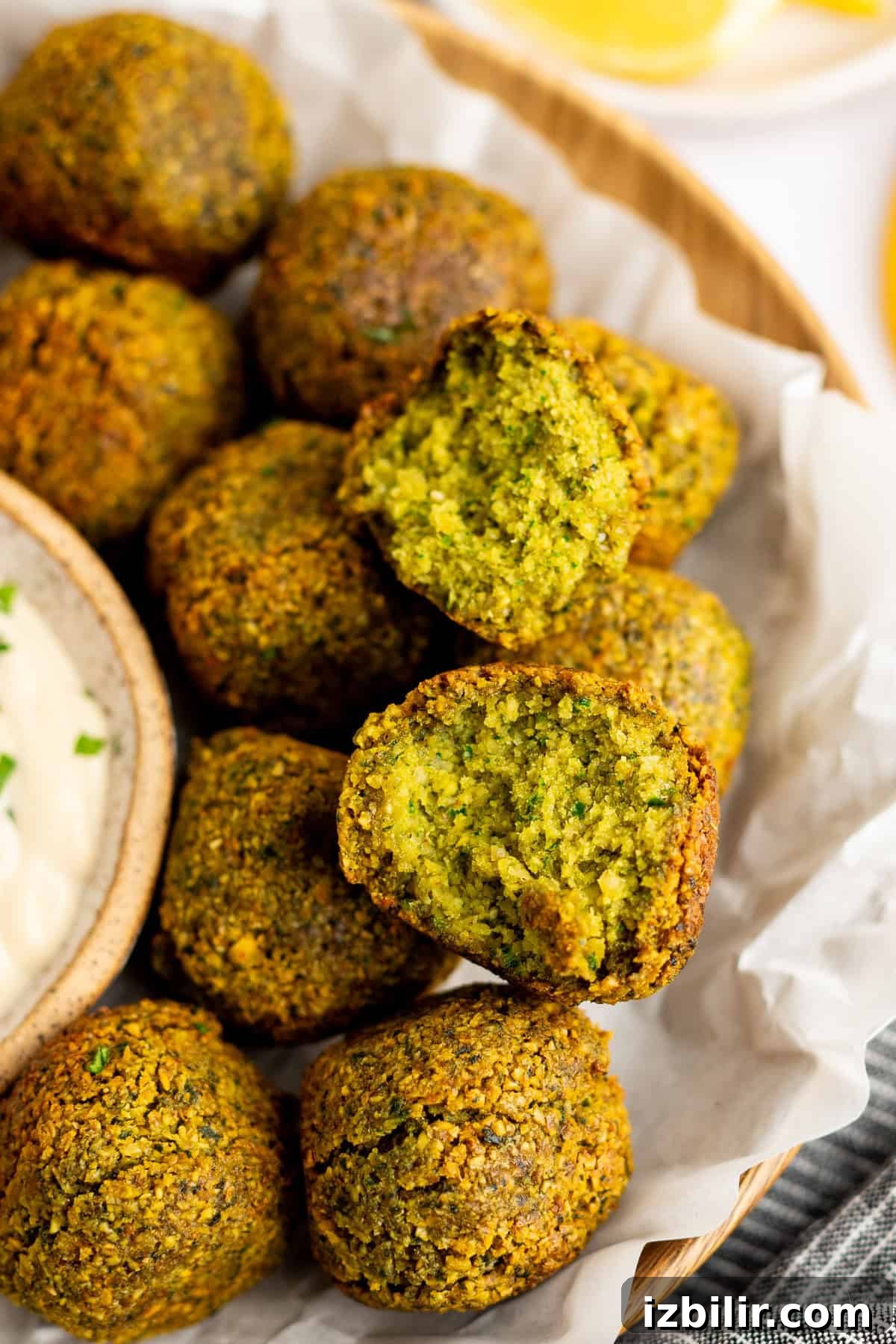
Serve falafel in pita pockets or wraps with tahini sauce, hummus, pickled vegetables, and fresh salad greens. They’re also excellent over a bed of grains or in a Mediterranean-style grain bowl with tomatoes, cucumbers, and a bright lemony dressing. For a lighter option, pair them with a crisp cucumber and tomato salad or a tangy Greek-style salad.
Ingredients
- 12 oz dried garbanzo beans (soaked overnight)
- ½ cup packed fresh cilantro
- ½ cup packed fresh parsley
- ⅓ cup packed fresh dill
- 1.5 teaspoons sea salt
- 1 teaspoon paprika
- ½ teaspoon ground coriander
- 1 teaspoon ground cumin
- ½ teaspoon ground black pepper
- 1 teaspoon baking powder
- 1 teaspoon baking soda
- 1 tablespoon fresh lemon juice
- 3–5 garlic cloves, to taste
- Avocado oil (or other high smoke point oil) for frying
Instructions (Summary)
- Soak the dried garbanzo beans in plenty of water overnight. Drain and rinse.
- Remove as many outer skins as possible by rubbing the beans between towels.
- Process the beans with herbs, spices, lemon juice, garlic, baking powder, and baking soda until a cohesive mixture forms.
- Form into 3-tablespoon portions and shape into balls or patties.
- Fry in hot oil 1–2 minutes per side until golden, or air fry at 400ºF for about 10 minutes, turning if needed.
Tips & Notes
- Do not use canned garbanzo beans for this method—soaked dried beans give the proper texture.
- To make the falafel spicier, add harissa to the mix or top with red pepper flakes.
- If you prefer a lower-fat method, the air fryer will deliver crisp results with less oil—just be sure to coat the falafel lightly.
Nutrition (per serving, approximate)
Calories: 153 kcal; Carbohydrates: 26 g; Protein: 8 g; Fat: 3 g; Fiber: 7 g; Sugar: 4 g. Nutrition values are approximate and should be used only as a guide.
Photography for the original recipe was credited to Dalya from It’s Raining Flour.