
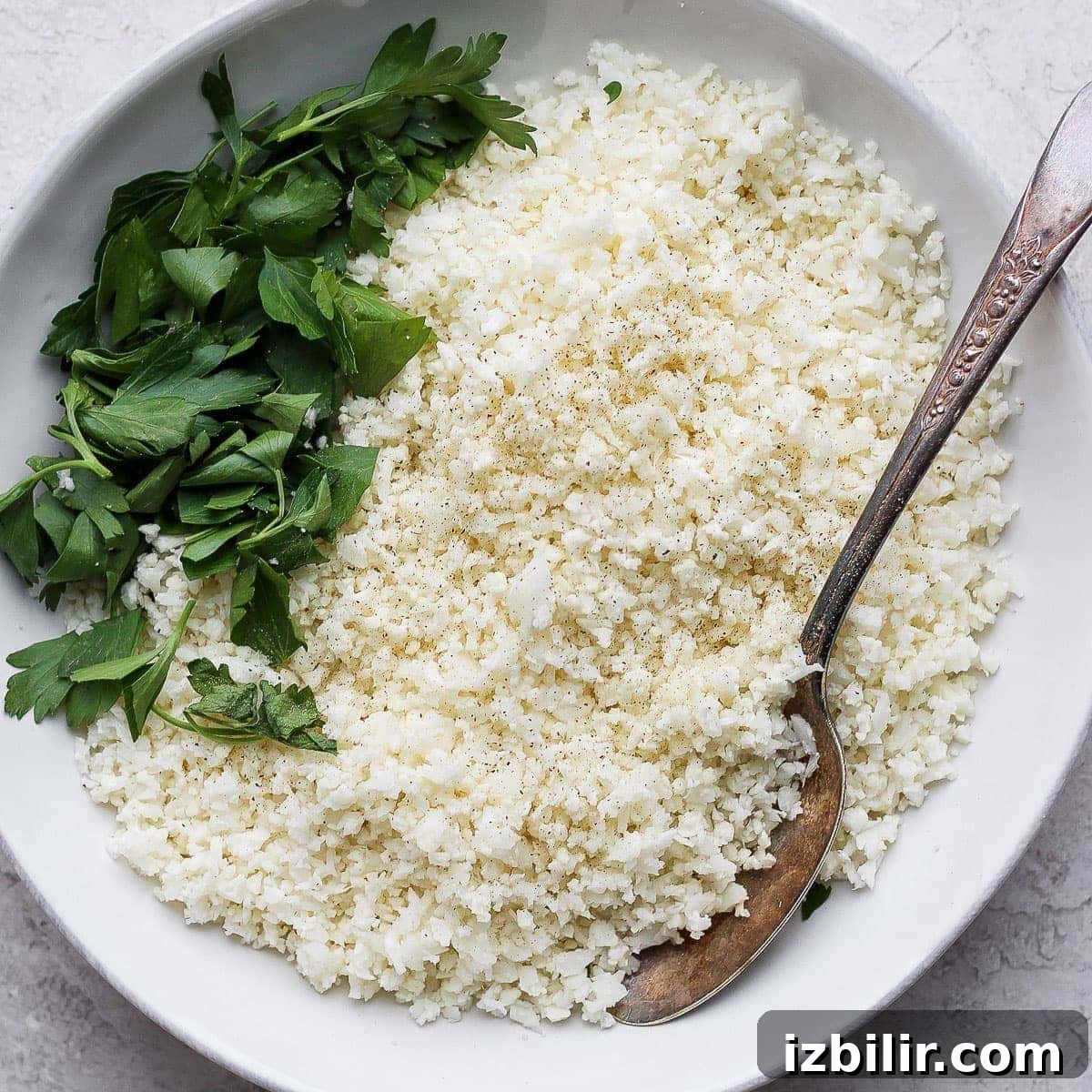
Do yourself a favor and make cauliflower rice at home — it’s quick, inexpensive, and you only need one ingredient: cauliflower. Homemade cauliflower rice is a versatile, low-carb alternative to grains and works well in salads, bowls, stir-fries, and many other recipes.
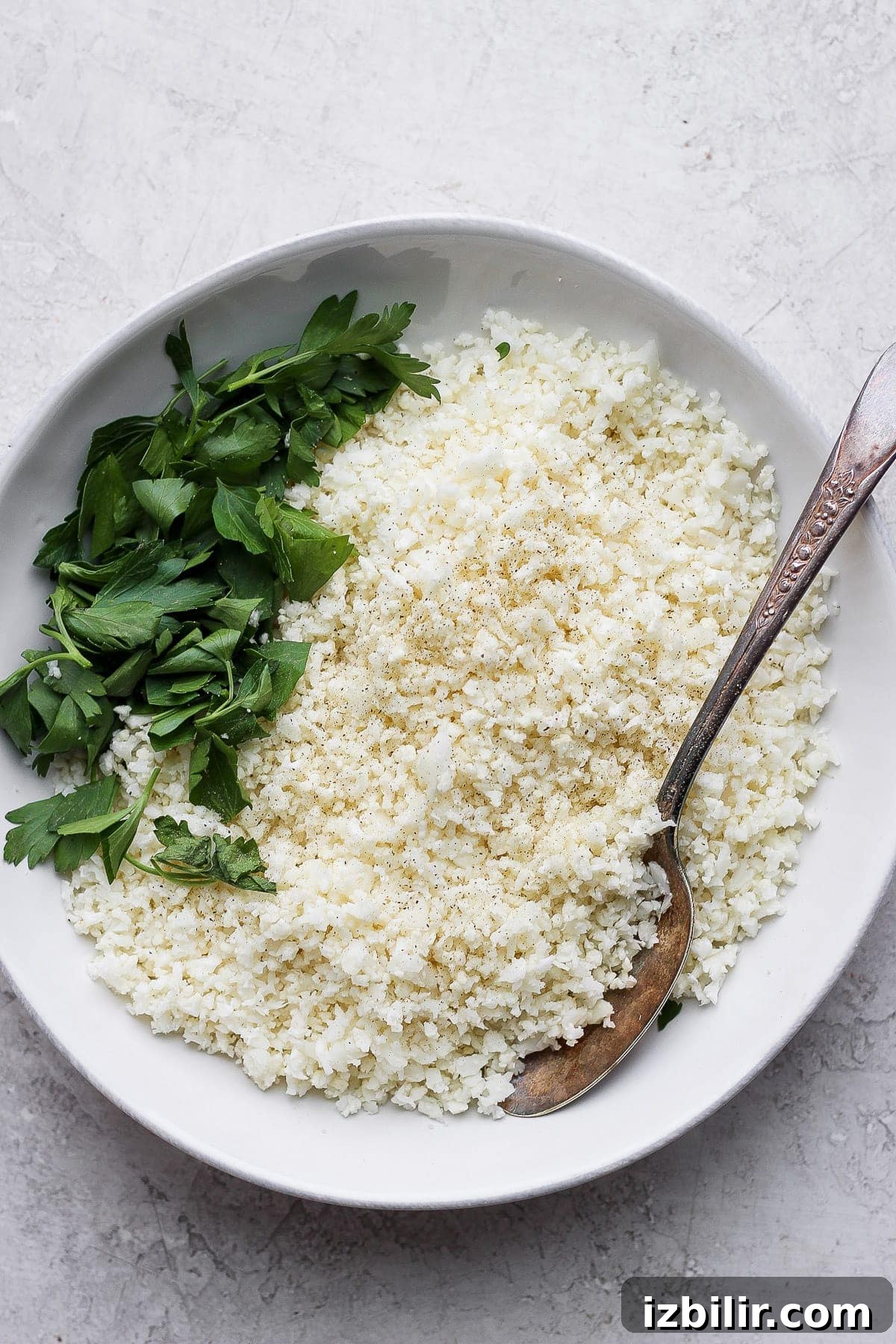
What is Cauliflower Rice?
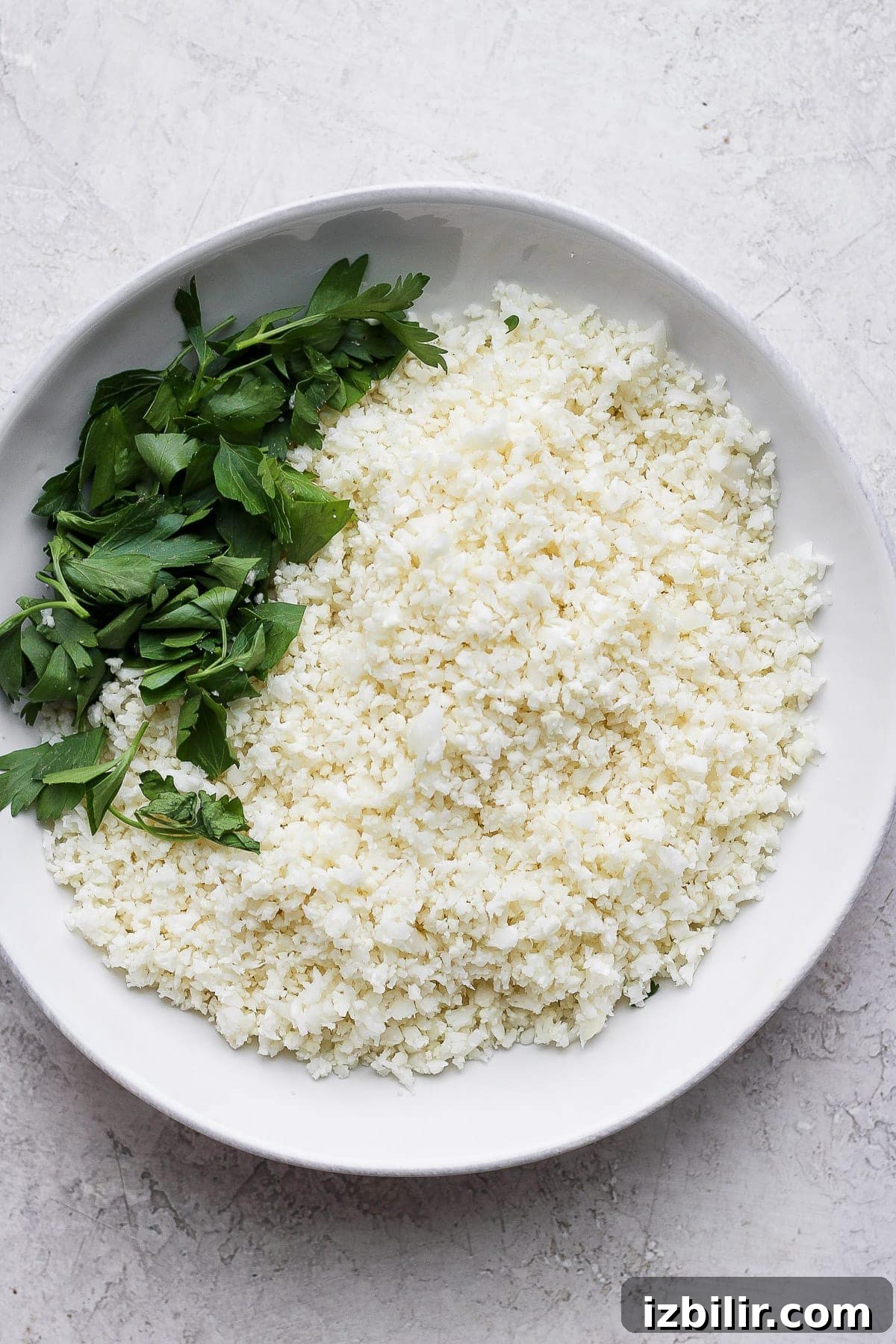
Cauliflower rice (sometimes called cauliflower couscous) is simply raw cauliflower that has been processed into small, rice-sized pieces using a food processor or a high-speed blender. The result resembles grains of rice and can be used anywhere you would normally use rice or other grains.
Why Make Cauliflower Rice?
- It’s an excellent low-carbohydrate substitute for rice, couscous, or other grains.
- Cauliflower rice is naturally gluten-free and suitable for vegan, vegetarian, paleo and many keto meal plans.
- It’s high in fiber, low in fat, and very low in calories compared to traditional grains.
- You can make a large batch in minutes and use it throughout the week for meal prep.
How to Make Cauliflower Rice
1. Prepare the Cauliflower
Start with a clean head of cauliflower. Remove the outer green leaves and cut the head into florets. You can use the white core as well — it will process into small pieces along with the florets. The larger the head, the more finished cauliflower rice you’ll have, but one medium to large head typically yields several cups.
2. Process the Cauliflower
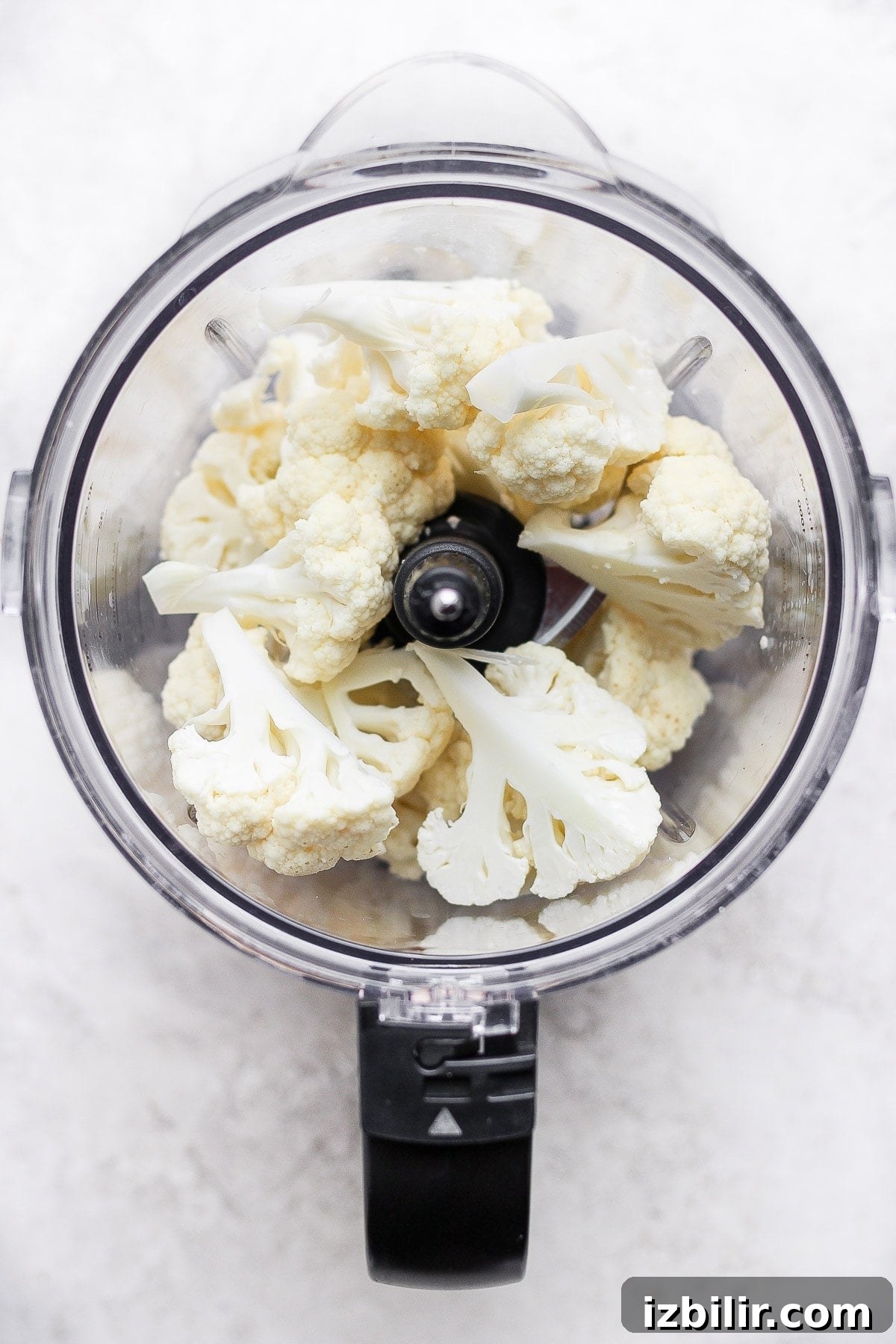
Place florets into a food processor in batches — do not overfill. Pulse on high briefly until the cauliflower pieces resemble rice grains. If you don’t have a food processor, you can grate the cauliflower on a box grater or finely chop it, but a food processor is fastest. Take care not to over-process into a puree; you want a coarse, grain-like texture.
3. Remove Excess Moisture
Removing moisture is the key to avoiding soggy cauliflower rice. Line a large bowl with a clean tea towel or cheesecloth. Add the processed cauliflower to the towel, sprinkle lightly with salt to help draw out water, and let it sit for about 15 minutes. Then twist the towel and squeeze firmly over the bowl to drain the liquid. The drier the cauliflower rice, the better it will brown and hold texture when cooked.
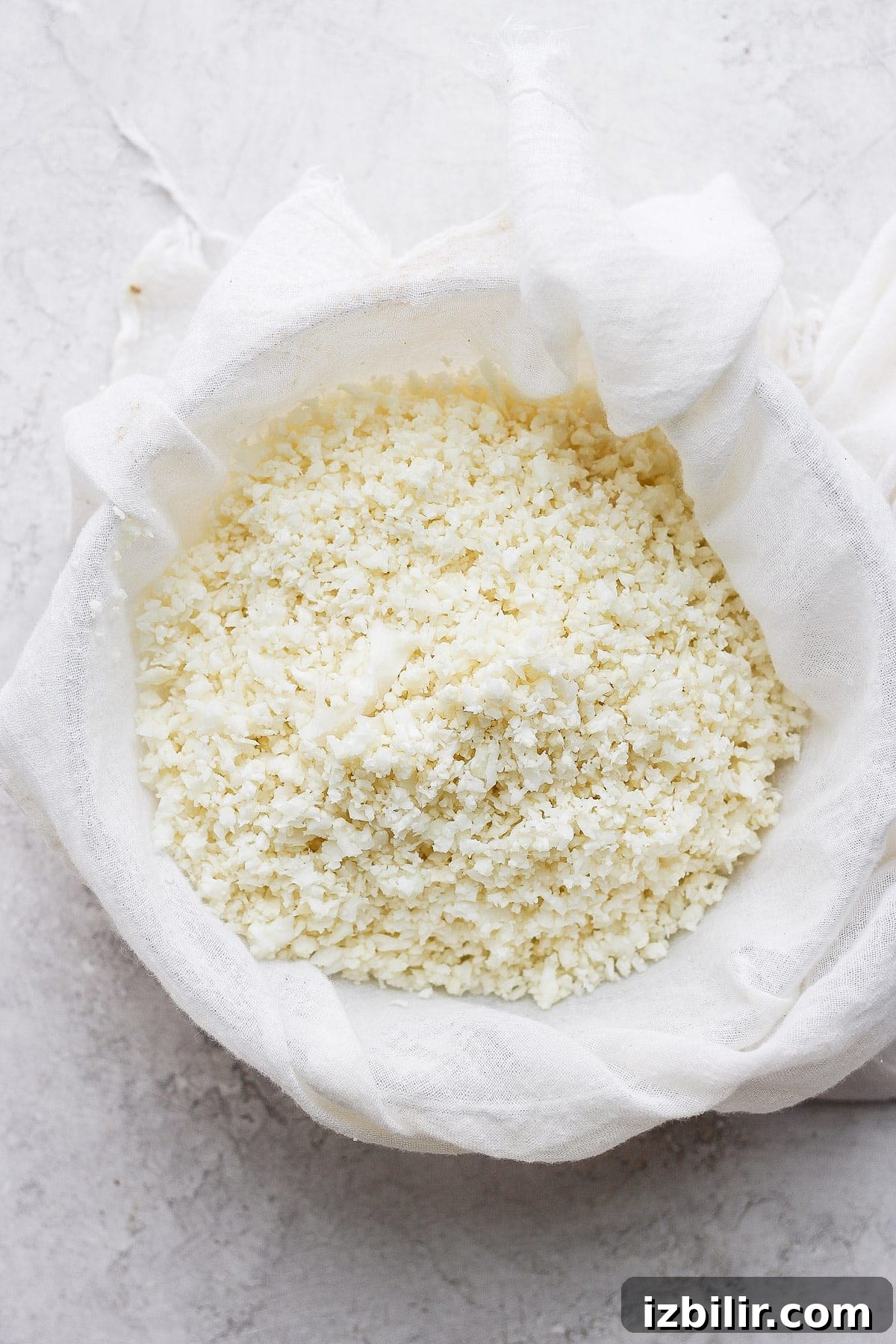
Now your cauliflower rice is ready to use. You can leave it raw for salads or lightly heat it as a side dish.
How to Use Cauliflower Rice
Cauliflower rice is extremely versatile. Use it as a one-to-one swap for rice in many recipes or try these ideas:
- Stir into a salad for extra bulk and fiber.
- Sauté with a little oil, garlic and salt as a simple side dish.
- Use as the base for grain bowls, burrito bowls, or buddha bowls.
- Stir into fried rice recipes in place of regular rice.
- Mix with herbs, lemon and olive oil for a fresh, light side.
Substitute cauliflower rice for rice in most recipes, keeping in mind it works best when the grain is not required to absorb a lot of cooking liquid (avoid direct swaps in casseroles or recipes where rice is cooked in water).
Shelf Life and Storage
Cooked Cauliflower Rice
Cooked cauliflower rice will keep in the refrigerator for 2–3 days when stored in an airtight container.
Raw Cauliflower Rice
Raw, processed cauliflower rice can last up to 7 days in the refrigerator. For best results, store it before you salt it and squeeze out moisture — this helps it stay fresh longer.
Don’t Try This
Avoid using cauliflower rice as a direct substitute in dishes that require grains to cook in liquid (for example, certain casseroles, risottos, or one-pot rice dishes). Cauliflower rice won’t absorb cooking liquid the same way rice does and can become overcooked or mushy in those preparations.
How to Store Cauliflower Rice
Store cauliflower rice in an airtight container in the refrigerator after it reaches room temperature. For freshness, keep it tightly sealed and use within the recommended time frames above.
Can You Freeze Cauliflower Rice?
Yes. To freeze cauliflower rice:
- Process the cauliflower into rice-sized pieces and remove excess moisture as described above.
- Portion the cauliflower rice into freezer-safe bags or airtight containers, removing as much air as possible.
- Label and freeze for up to 3 months. Thaw in the refrigerator or cook from frozen, adjusting cooking time as needed.
Serving Suggestions
Cauliflower rice pairs well with many proteins and vegetables. Try it with chicken and broccoli stir-fry, sesame chicken, or as a base for vegetarian tostadas and grain bowls. It also works well under saucy proteins or mixed into soups and stews near the end of cooking.
Easy Homemade Cauliflower Rice — Recipe Card
Servings: 3
Prep time: 10 mins • Cook time: 0–5 mins (depending on method) • Total: 10 mins
Ingredients
- 1 large head cauliflower, cut into florets
Instructions
- Line a medium bowl with a clean tea towel or cheesecloth and set it aside.
- Chop the cauliflower into small chunks and process in a food processor in batches. Pulse until pieces resemble rice; avoid over-processing.
- Pour the processed cauliflower into the lined bowl, add a pinch of salt, and stir. Let sit for about 15 minutes to allow moisture to be drawn out.
- Gather the towel and twist to squeeze out excess liquid. Discard the liquid and transfer the cauliflower rice to a container.
- To cook: sauté in a skillet with a little oil or butter for a few minutes until heated through and slightly golden, or use raw in salads. Adjust seasoning to taste.
Nutrition (per serving)
- Serving: 1/3 of recipe
- Calories: 49 kcal
- Carbohydrates: 10 g
- Protein: 4 g
- Fat: 0 g
- Fiber: 4 g
- Sugar: 4 g
Nutrition information is an approximation and should be used as a general guide.
Photography by: The Wooden Skillet