
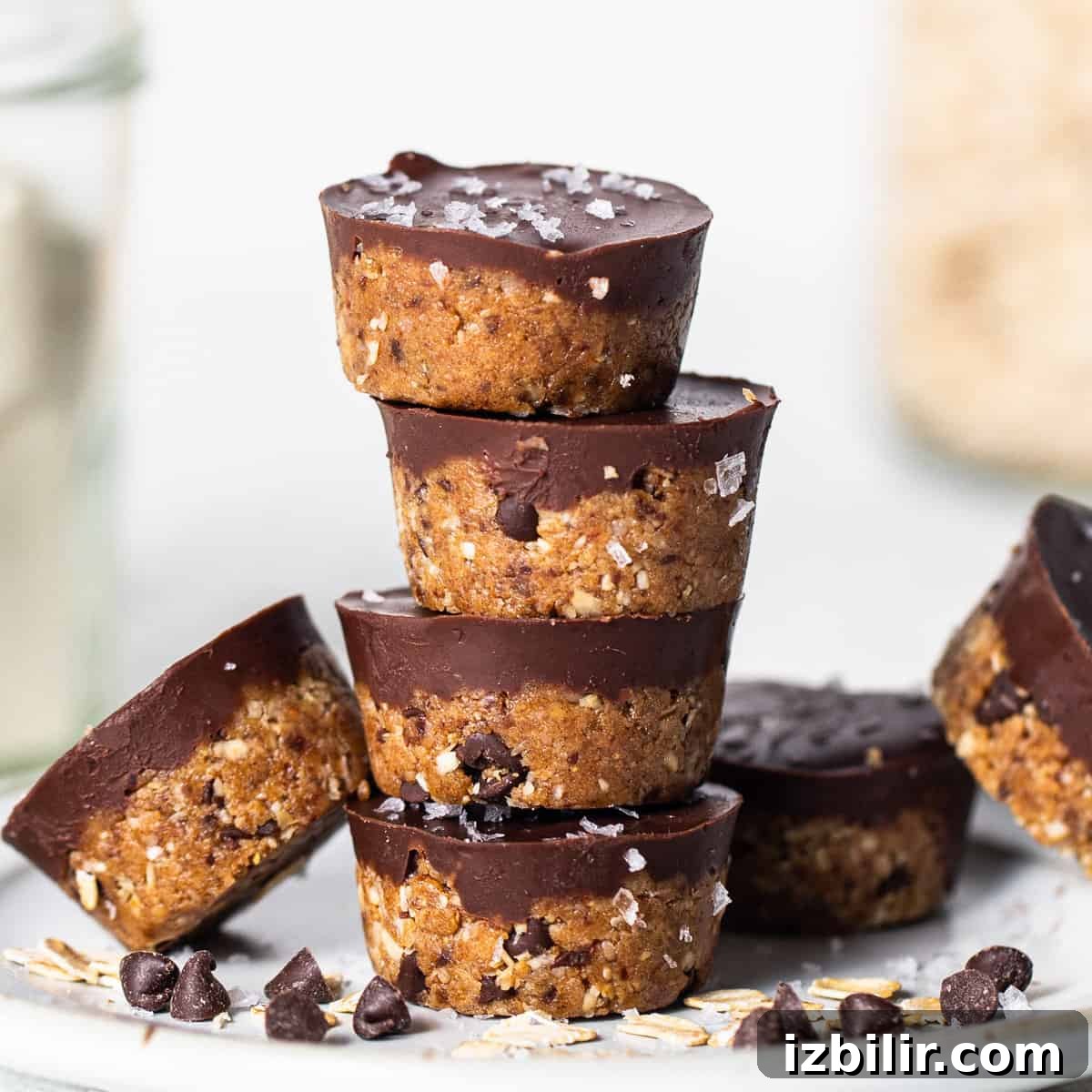
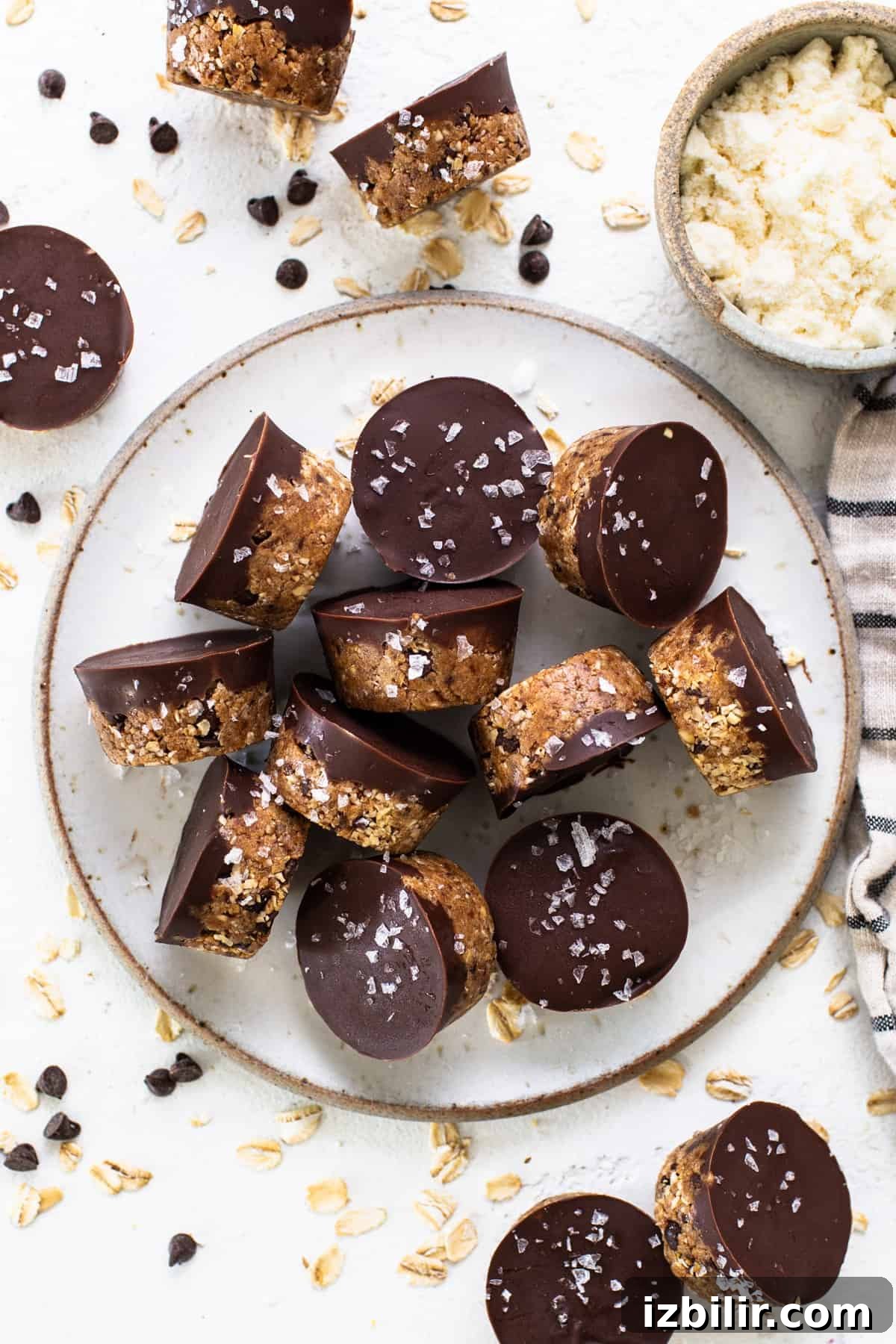
Crunchy and full of flavor, these protein cookie dough cups are a cookie-dough lover’s dream. Made from vanilla protein powder, pitted dates, creamy cashew butter, and rolled oats, this no-bake recipe makes a quick, high-protein snack that satisfies sweet cravings while keeping you energized. Mix, press into mini muffin cups, top with a chocolate layer, and freeze—no oven required.
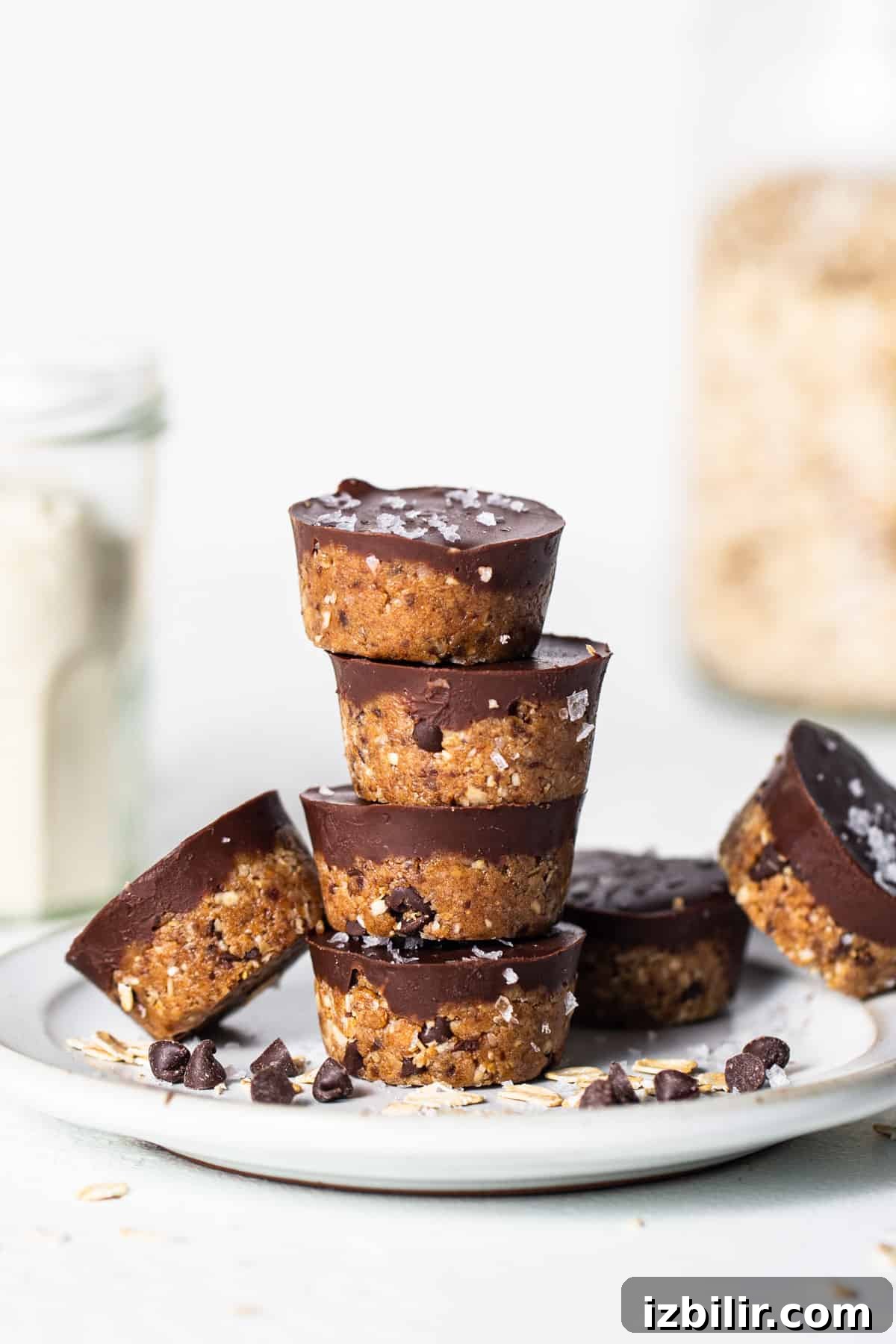
This simple recipe is ideal for meal prep, after-workout snacks, lunchboxes, or a convenient treat. The base cookie dough is soft and chewy, while a thin chocolate topping adds the classic cookie-dough finish. Below you’ll find the ingredients, step-by-step instructions, storage directions, variations, and helpful tips to get perfect cookie dough cups every time.

What You’ll Need to Make Protein Cookie Dough Cups
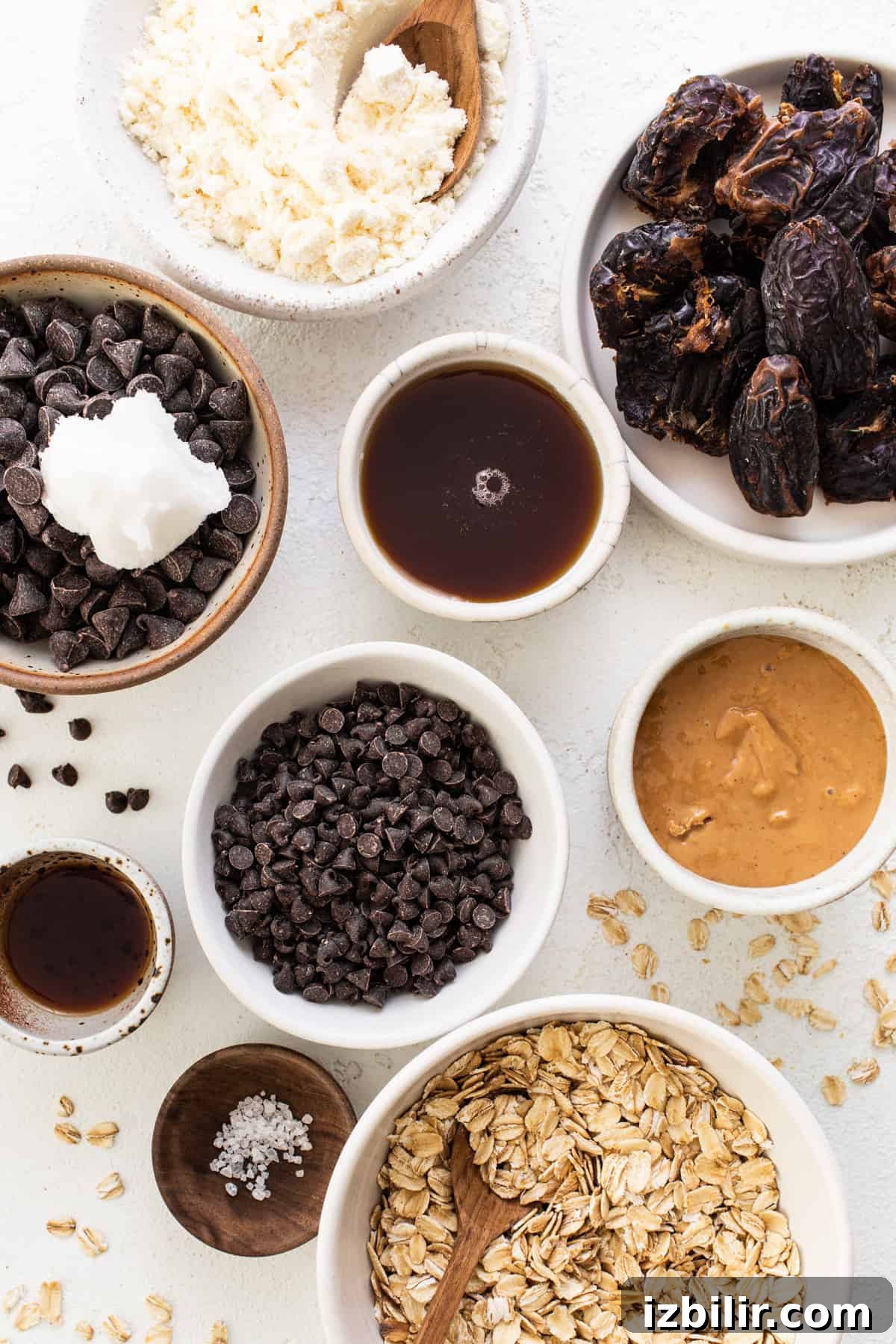
To make this edible cookie dough, you’ll turn old-fashioned rolled oats into oat flour in a high-speed food processor and combine that with vanilla protein powder. Use pitted Medjool dates for natural sweetness and binding, all-natural cashew butter for creaminess, maple syrup for extra sweetness, and mini chocolate chips for texture and flavor. A mini muffin tin and paper liners (or a silicone mini muffin pan) make assembly easy. A food processor is essential for creating a smooth, cohesive dough.
Ingredients
- 1 cup rolled oats (gluten-free if desired)
- ½ cup vanilla protein powder (choose your preferred brand)
- 1 cup pitted Medjool dates (about 10–14)
- ¾ cup all-natural, drippy cashew butter (peanut butter works too)
- ⅓ cup maple syrup
- 2 teaspoons vanilla extract
- ⅛ teaspoon coarse sea salt
- ½ cup mini chocolate chips (dairy-free if desired)
Chocolate Layer
- ¾ cup semi-sweet chocolate chips
- 2 teaspoons coconut oil (to thin the chocolate)
Variations and Substitutions
You can adapt this recipe to suit dietary preferences and flavor variations:
- Rolled oats: Swap for certified gluten-free rolled oats if you need a gluten-free option.
- Nut butter: Use peanut butter, almond butter, sunflower seed butter, or any natural nut butter you prefer.
- Chocolate chips: Use dairy-free chips for a dairy-free version, or try dark or white chocolate for a different taste profile.
- Sweetener: Replace maple syrup with honey, agave, or a monk fruit syrup; flavor will vary slightly.
- Add-ins: Mix in chopped nuts, seeds, dried fruit, coconut flakes, or sprinkles for texture and variety.
Instructions
- Line a mini muffin tin with paper liners or use a silicone mini muffin pan and set aside.
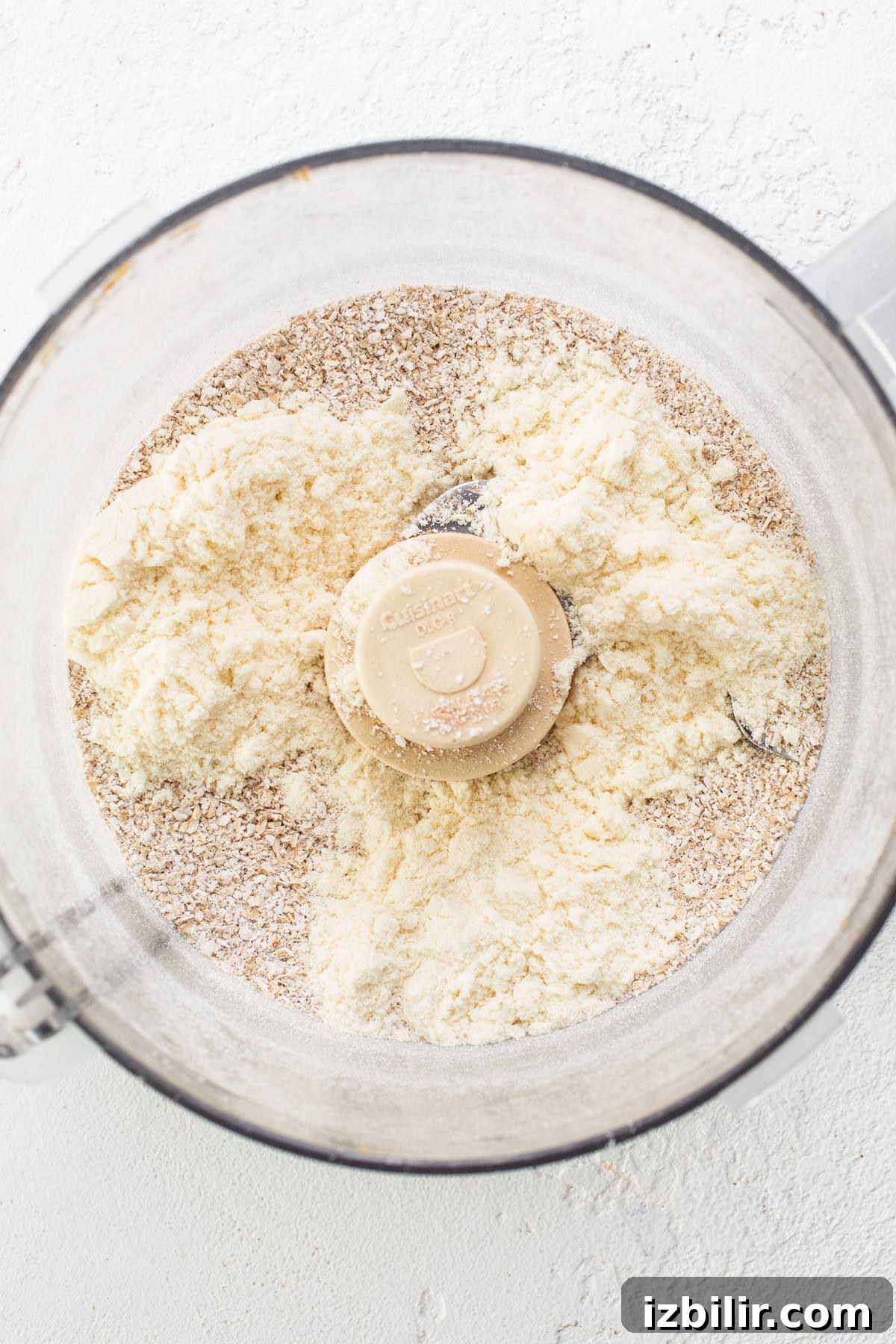
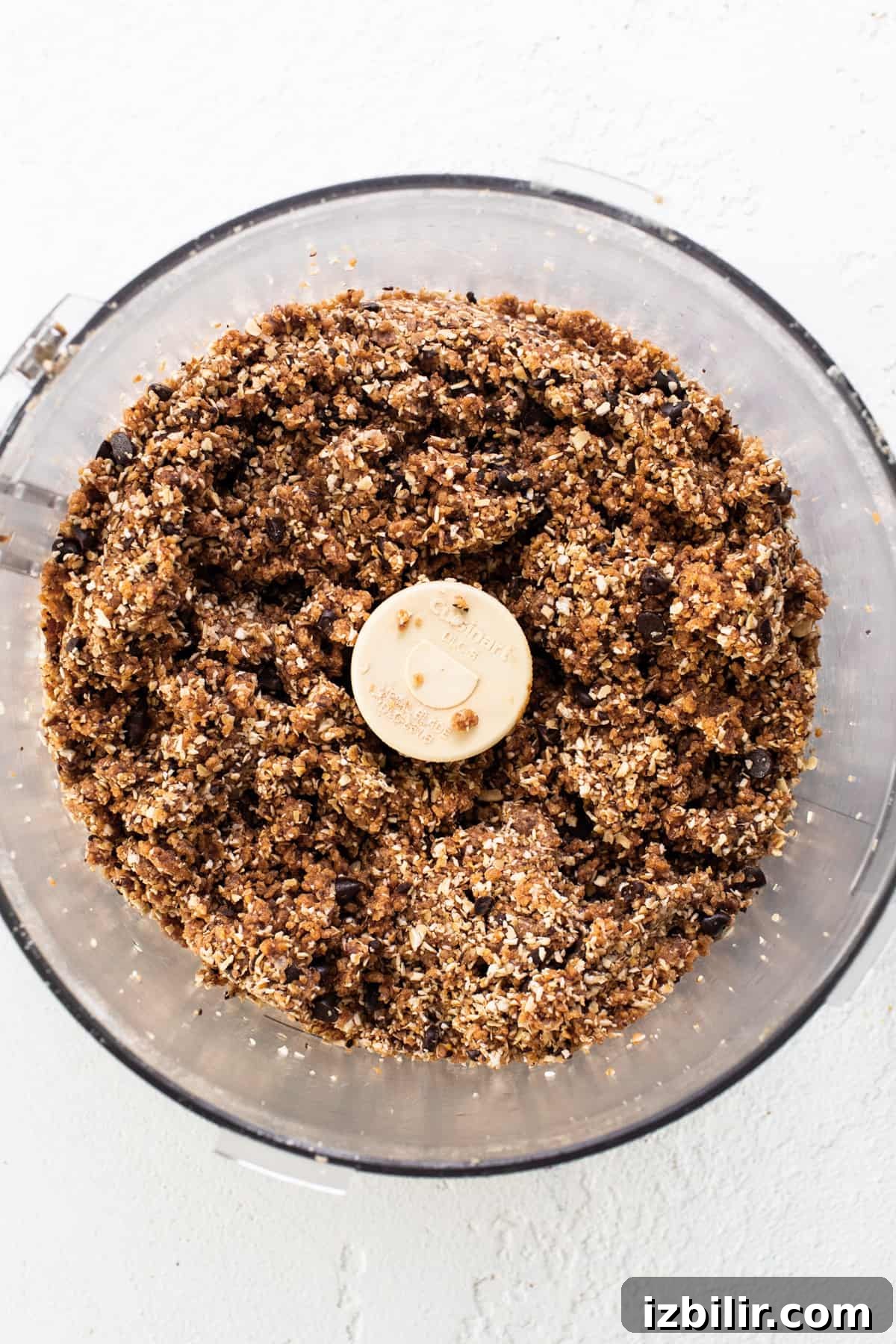
- Place rolled oats in a high-speed food processor and process on high for about 1 minute until they form a fine oat flour. Add the vanilla protein powder and pulse a few times to combine.
- Add the pitted dates, cashew butter, maple syrup, vanilla extract, and coarse sea salt to the food processor. Process on high for 1–2 minutes, stopping to scrape the sides as needed, until the mixture forms a cohesive dough that resembles cookie dough.
- Add the mini chocolate chips and pulse just a few times to distribute them throughout the dough.
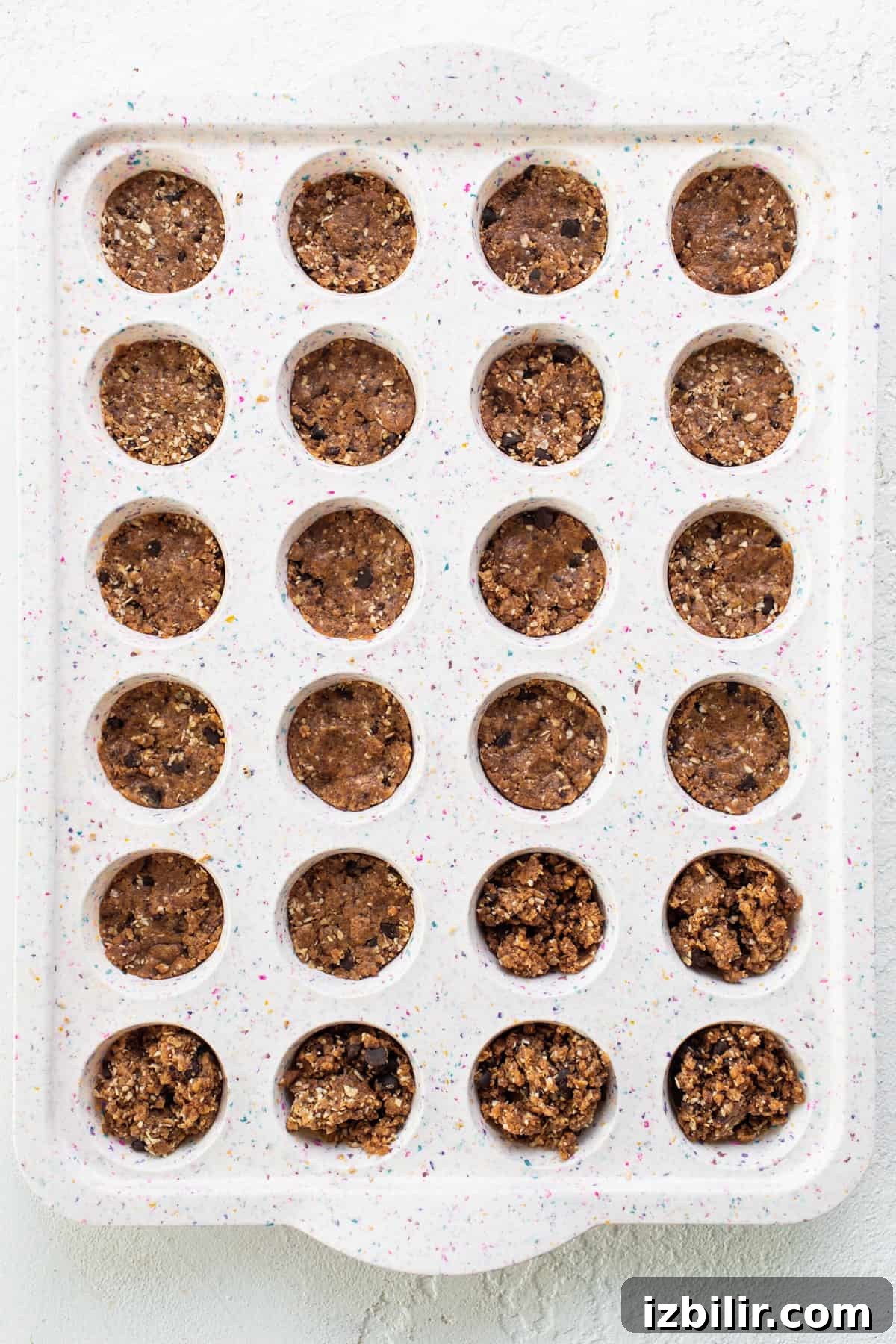
- Using a 1-teaspoon cookie scoop or a small spoon, press about ¾ of the way full worth of dough into the bottom of each muffin cup. Press the dough firmly and evenly to form a compact base.
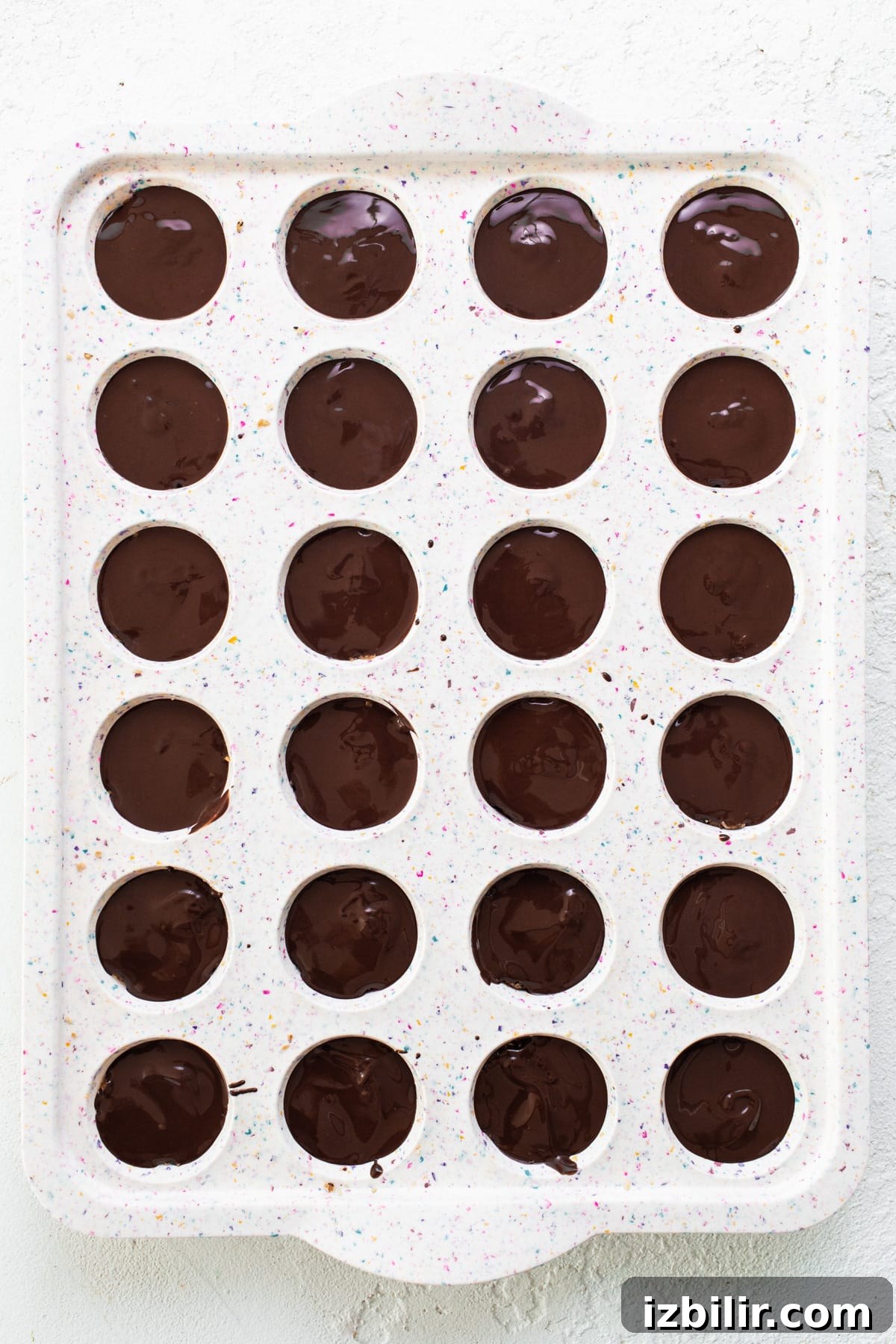
- For the chocolate topping, place the semi-sweet chocolate chips and coconut oil in a microwave-safe bowl. Heat in 20-second increments, stirring between each, until melted and glossy (about 1½–2 minutes total).
- Drop about 1 to 1½ teaspoons of the melted chocolate on top of each cookie dough cup and spread gently to cover the surface.
- Transfer the muffin tin to the freezer and let the cups set for at least 1 hour.
- Once set, remove the cookie dough cups from the tin and store them in an airtight container in the freezer or fridge (see storage directions below).
Storage + Freezer Directions
Store leftover cookie dough cups in an airtight container in the refrigerator for 2–3 days. For longer storage, place them in a freezer-safe, airtight bag or container and freeze for up to 2 weeks. Thaw briefly at room temperature for a few minutes before serving, or enjoy straight from the freezer for a firmer bite.
FAQs
- Can I make these cookie dough cups ahead of time?
- Yes. These cookie dough cups freeze well for up to two weeks, making them an easy grab-and-go snack for school, workouts, or late-night cravings.
- What if my cookie dough is too wet?
- If the dough feels wet or sticky, add a tablespoon or two of additional protein powder or a little more oat flour until it firms up and is easier to handle.
- What if my cookie dough is too dry?
- If the dough is dry and crumbly, add a teaspoon or two of water, maple syrup, or a touch more nut butter and pulse until it comes together.
Tips & Notes
- Any natural nut butter can be substituted for cashew butter; flavor will change slightly depending on the nut used.
- The texture and flavor will be influenced by the protein powder you choose—whey, plant-based, or blends will all yield different results.
- Press the dough firmly into each muffin cup to avoid air pockets and ensure a compact, chewy base.
- If you prefer a softer chocolate layer, use slightly less coconut oil; for a firmer layer, omit the oil or cool for longer in the freezer.
What to Serve with Protein Cookie Dough Cups
These cookie dough cups pair well with protein-packed breakfasts or snacks. Serve them alongside egg muffins, yogurt and fruit, energy balls, or crunchy granola crisps for a balanced spread. They also make a satisfying dessert after a meal or a convenient treat in a packed lunch.
Nutrition (per serving, approximate)
Calories: 154 kcal • Carbohydrates: 18 g • Protein: 4 g • Fat: 8 g • Fiber: 2 g • Sugar: 12 g
Nutrition values are estimates and should be used as a general guide only.
Photography: photos in this post were taken by Ashley McGlaughlin from The Edible Perspective.