
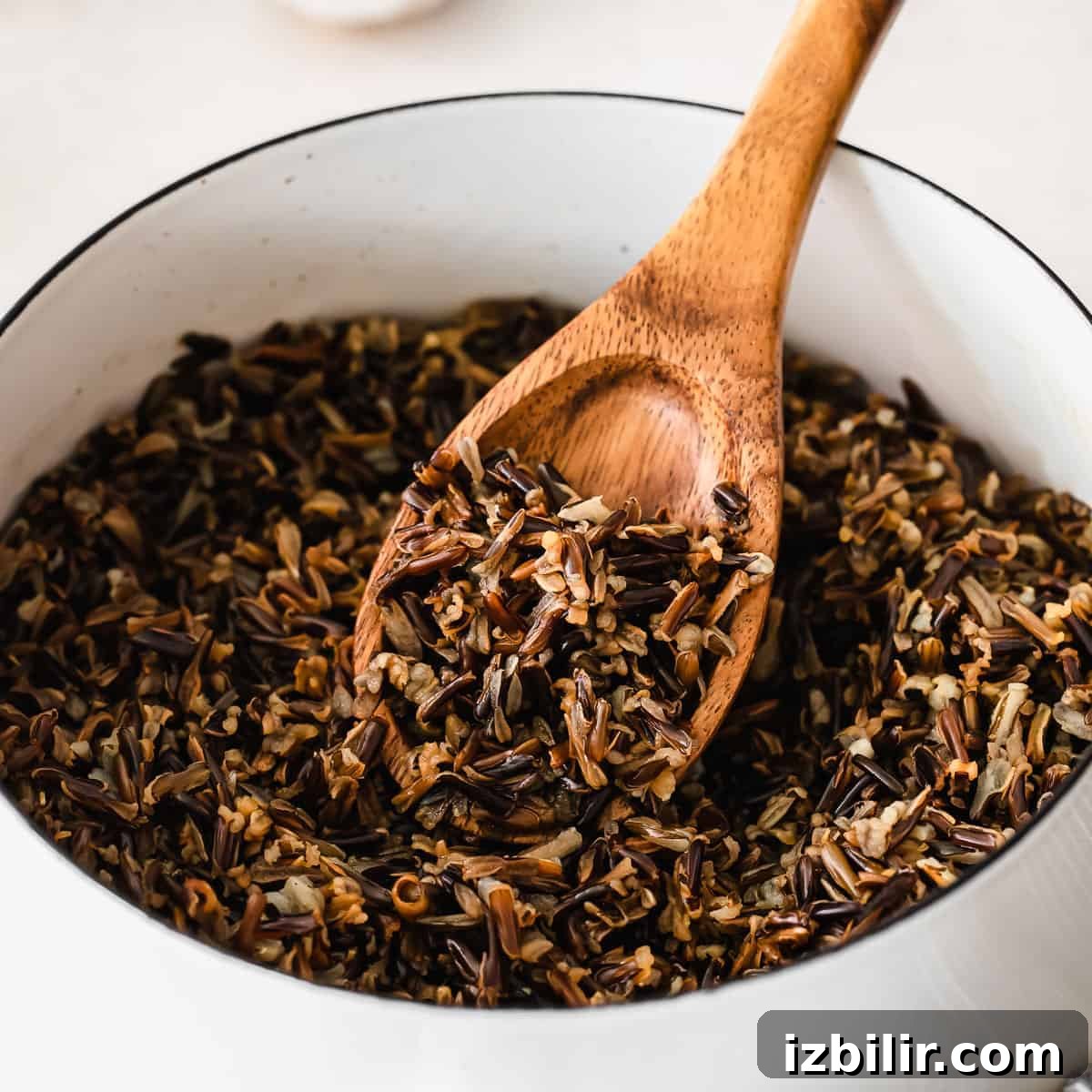
We’re Minnesota girls who consider ourselves wild rice pros. We love wild rice for its nutty flavor and firm, slightly chewy texture. It makes a great addition to soups, casseroles, salads and grain bowls. This guide shows two straightforward ways to cook wild rice—on the stove and in the Instant Pot—so you’ll be ready to use it regularly.
Wild rice is especially tasty as a topping or mixed into familiar dishes. Try it stirred into a buttery butternut squash soup or added to a leafy salad for extra texture and heartiness.
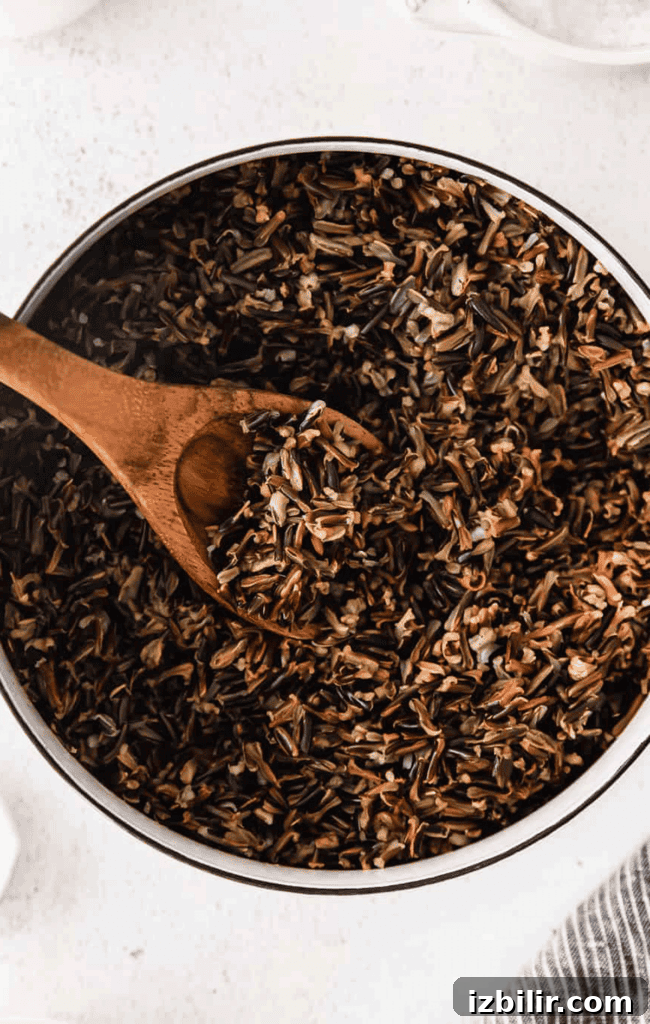
If you grew up in the Midwest, wild rice was probably a regular part of your kitchen. Most commercial wild rice is harvested in the Great Lakes region of North America—much of it from Minnesota, Wisconsin and parts of Canada—so it’s a true regional specialty. We’re proud of that and love using wild rice in savory recipes.
Wild rice takes longer to cook than white rice, but the flavor and texture are worth the time. Cooked correctly, each grain will split, revealing a tender inner grain and creating the signature “pop” and curl that indicate it’s done.
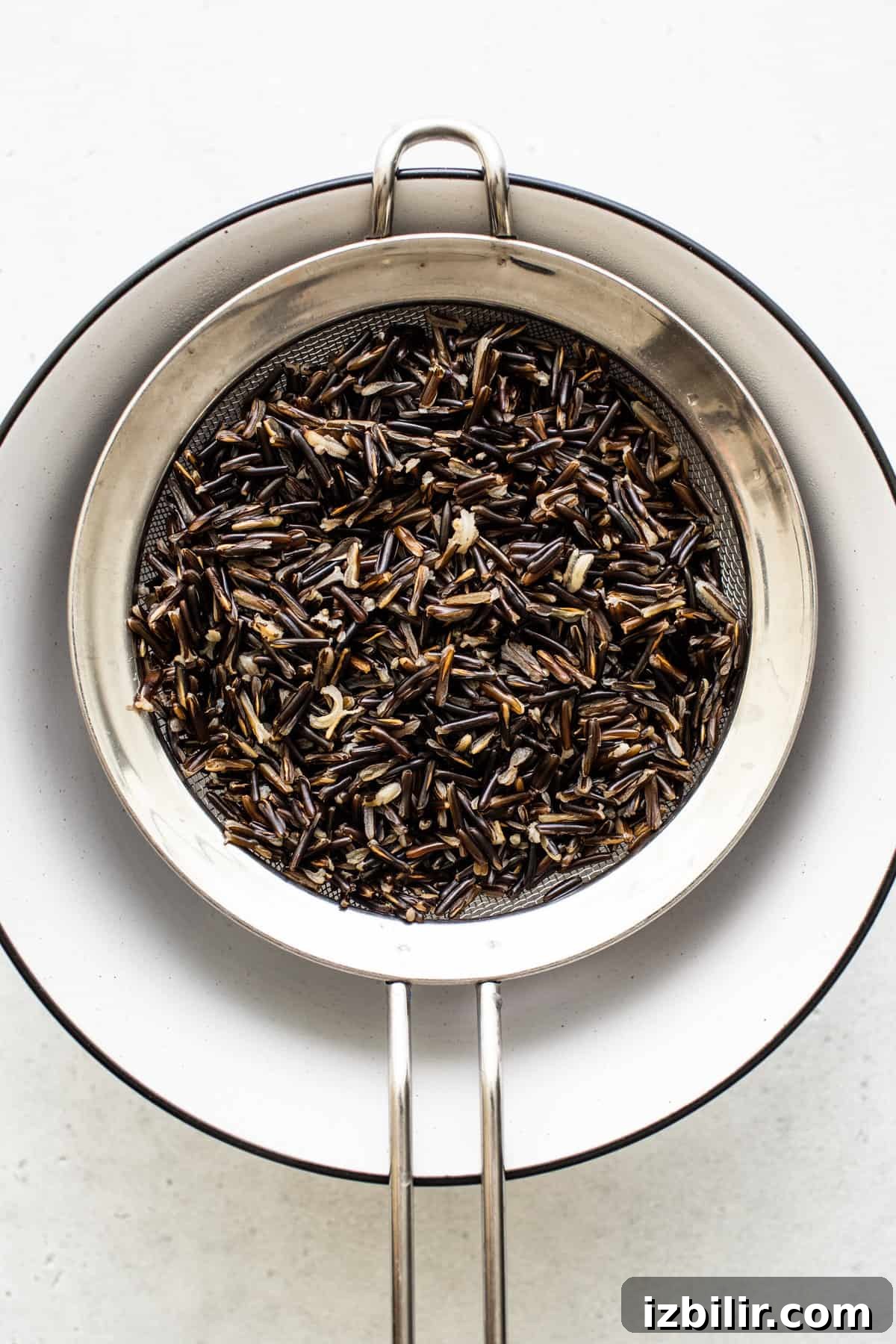
Cooking wild rice is similar to pasta: you boil the grains in plenty of liquid and then drain off any excess when it’s tender.
What You Need to Make Wild Rice
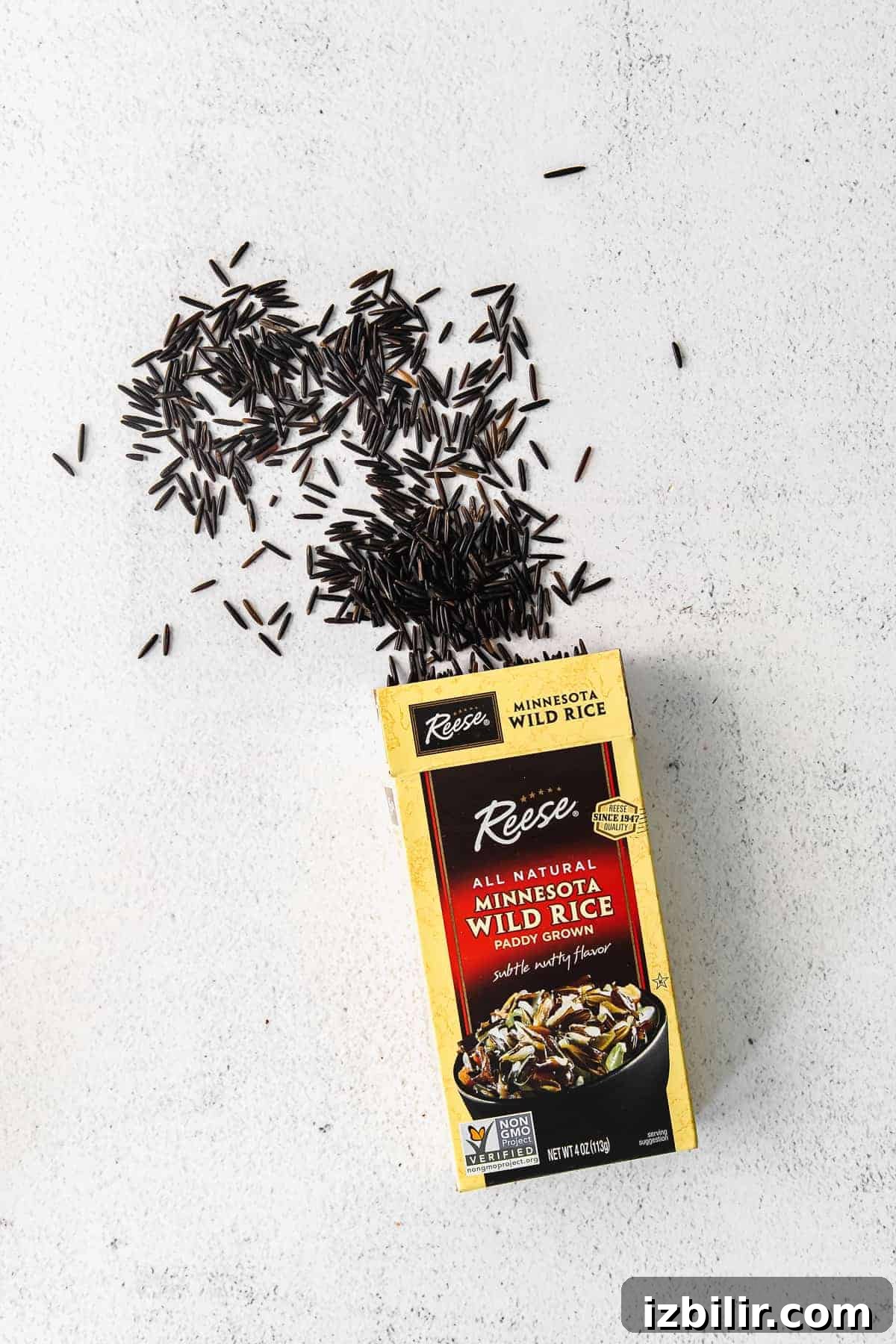
At its simplest, wild rice requires only wild rice and liquid. For extra flavor use broth instead of water. You’ll also need a pot (or an Instant Pot) and a strainer if you cook on the stove.
Water-to-wild rice ratio
The ratio depends on the cooking method:
- Stove-top: 1 cup wild rice to 4 cups water or broth
- Instant Pot: 1 cup wild rice to 1.5 cups water or broth
How long does wild rice take to cook?
Plan on about 30–45 minutes depending on the method and how tender you prefer the grains.
Do you have to soak wild rice before cooking?
You don’t have to soak wild rice. Soaking can shorten the cooking time, but it doesn’t change the final texture dramatically. For simplicity, the methods below assume you do not soak the rice.
Is wild rice supposed to be crunchy?
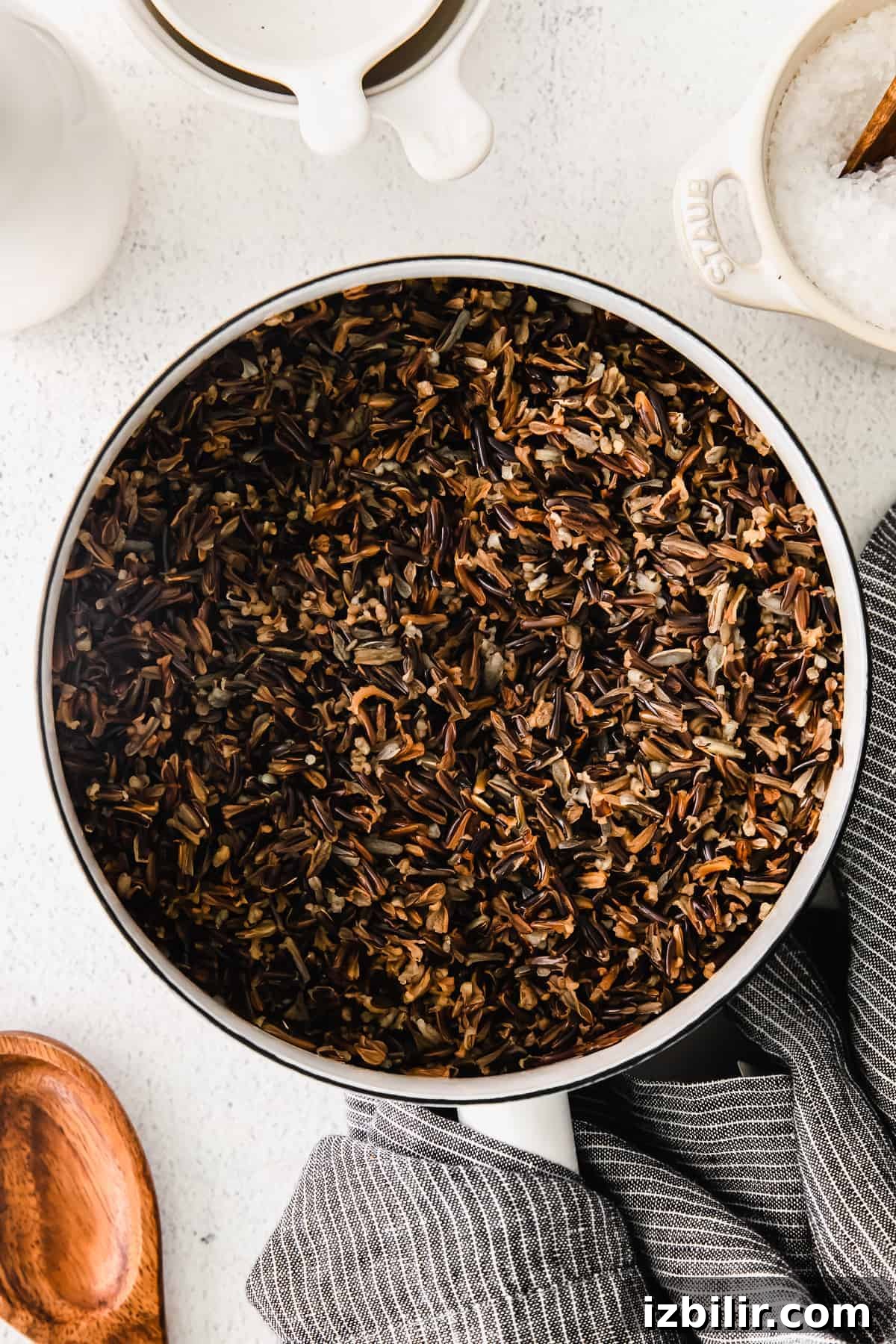
Wild rice is meant to retain a bite—tender but slightly firm, similar to al dente pasta. When it’s cooked the outer sheath often splits open and the inner grain turns a pale beige or white. That split and slight chew is the cue that the rice is done.
How is wild rice different from other rice?
Wild rice has a tougher outer sheath surrounding a soft inner grain. That structure gives it a distinctive texture compared to white or brown rice. Because the outer sheath is firmer, wild rice benefits from a pasta-style cooking method—simmering in plenty of water and draining—rather than relying solely on absorption.
How do you know when wild rice is done?
Wild rice is finished when most grains have split open and reveal the softer inner grain. The rice should be chewy but not mushy. Taste a few grains—if they’re tender with a slight bite, it’s ready.
Can I freeze cooked wild rice?
Yes. Cool the cooked rice completely, transfer to an airtight bag or container, remove excess air, and freeze for up to 3 months. Thaw in the refrigerator before using, and reheat gently or add to recipes straight from thawed.
Directions for Cooking Wild Rice on the Stove
Stove-top cooking is the most traditional method. Treat wild rice like pasta—use plenty of water, simmer, and drain.
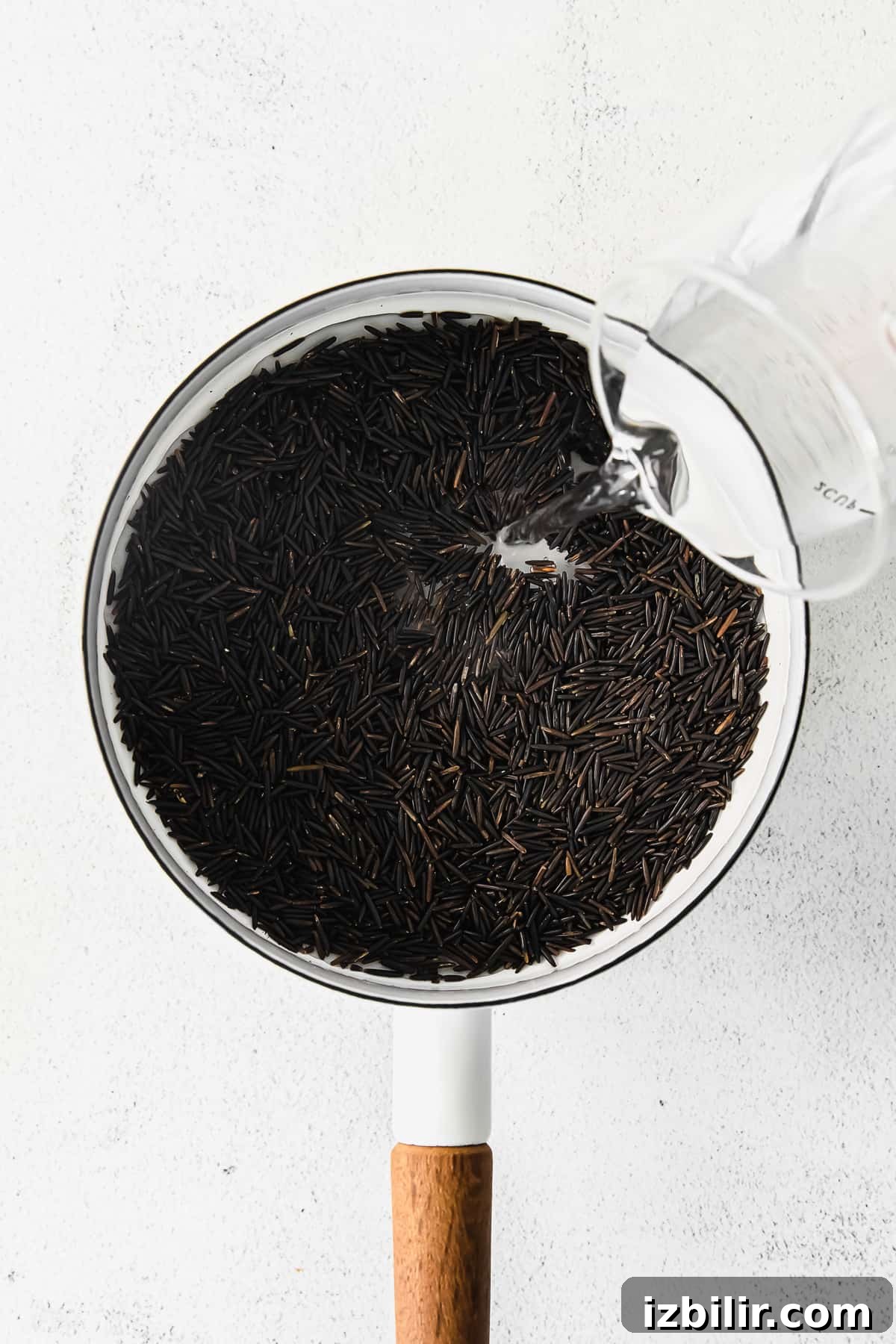
- Combine 1 cup wild rice and 4 cups water or broth in a medium pot.
- Bring to a boil, then reduce heat, cover, and simmer gently.
- Cook for about 45 minutes, stirring once or twice, until grains have split and the interior is tender.
- Drain any excess liquid, fluff with a fork, and serve.
Flavor tip
For extra flavor, cook the rice in vegetable, chicken or mushroom broth instead of water. That simple swap adds depth to soups, salads, and casseroles.
Directions for Cooking Wild Rice in the Instant Pot
The Instant Pot makes wild rice nearly hands-off and consistent. There’s only one main step.
- Place 1 cup wild rice and 1.5 cups water or broth in the Instant Pot insert.
- Seal the lid and set to high pressure for 35 minutes.
- Quick release the pressure, remove the lid, and fluff the rice with a fork. If there is a small amount of liquid left, let the rice sit a few minutes to absorb it.
A few tips
- Cook wild rice directly in the Instant Pot insert—no bowl or trivet is necessary.
- You don’t need a long natural release; quick release after 35 minutes is fine.
- If a little water remains after pressure release, allow the rice to rest for 10–15 minutes to finish absorbing it.
Recipes with Wild Rice
Wild rice is versatile. It can be the star of a casserole or soup, or it can enhance salads and side dishes. Some favorite preparations include:
- Chicken wild rice soup
- Cornbread dressing with wild rice
- Creamy pumpkin wild rice soup
- Roasted butternut squash and kale salad (swap wild rice for other grains)
- Add cooked wild rice to chili or grain bowls for extra texture
How to Cook Wild Rice (Quick Recipe Summary)
Stove-Top Ingredients
- 1 cup wild rice
- 4 cups water or broth
Stove-Top Instructions
- Combine rice and liquid in a medium saucepan and bring to a boil.
- Reduce to low, cover, and simmer about 45 minutes, stirring halfway through.
- When most grains have split and the interior is tender, drain and fluff.
Instant Pot Ingredients
- 1 cup wild rice
- 1.5 cups water or broth
Instant Pot Instructions
- Add rice and liquid directly to the Instant Pot insert.
- Seal and cook on high pressure for 35 minutes.
- Quick release, fluff with a fork, and let sit a few minutes if a little liquid remains.
Tips & Notes
- Wild rice is done when most grains have split and reveal a pale inner grain; it should be al dente rather than mushy.
- Substitute broth for water to add more depth to your dishes.
- Leftover cooked wild rice freezes well for up to 3 months.
Nutrition (per serving, approximate)
Calories: 143 kcal, Protein: 6 g, Fat: 0 g, Fiber: 3 g, Sugar: 1 g
Nutrition information is an estimate and should be used as a guideline.
Share your results
Try these methods and adapt wild rice to your favorite recipes. If you enjoy experimenting with it, save this page for future reference and consider tagging your creations on social media with #fitfoodiefinds so others can see your dishes.