

Surround yourself with people who lift you up and help you become the best version of yourself. In this post we dive into intuitive eating and self-love, topics many of us have wrestled with in our own ways. These conversations are honest, unscripted, and rooted in real experiences around food, exercise, and body image.
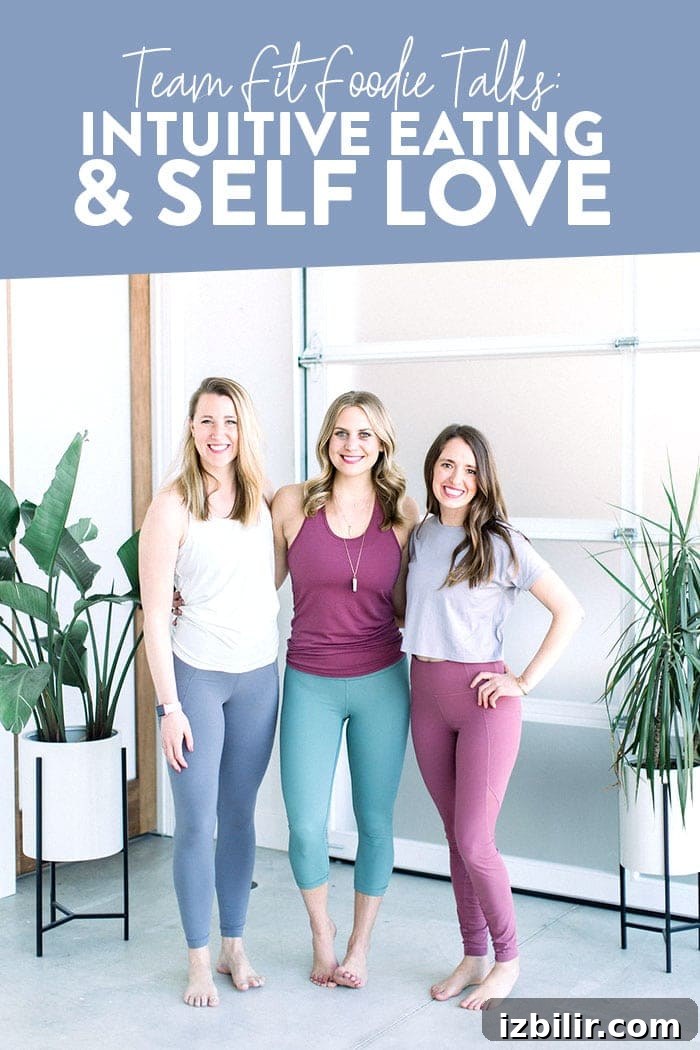
Every August I get that back-to-school jitter—an almost childlike resistance that makes me want to hide under the covers. That same nervous energy shows up in other areas of life too, especially when it comes to returning to old habits around food and exercise. Rather than letting that anxiety dictate my choices, I find it helps to sit down with friends and have an honest, unscripted chat about how we really feel. That’s exactly what we did: a candid conversation about body image, self-love, and learning to eat and move intuitively.

ED Recovery
I’ve been in eating disorder recovery for more than six years, and one of the most important parts of that journey has been the people I surround myself with. Supportive friends—and especially those who have a balanced, relaxed approach to food and movement—make a huge difference. In early recovery, it was difficult to be around people who treated food and workouts obsessively. That intensity can trigger old patterns, so I intentionally sought out relationships that modeled calm, flexible behavior around eating and fitness.
For me, “intuitive” means choosing food and activity because they make me feel good, not solely to change how I look. It means allowing myself to eat when I’m hungry and to enjoy the foods I crave without guilt. It also means moving my body when I feel inspired rather than from obligation or punishment. That shift doesn’t happen overnight; it took patience, practice, and a lot of imperfect days.
Learning to live more intuitively involved facing tricky situations—like dining out with friends or skipping a planned workout—without catastrophizing. I practiced listening to my body and noticing how certain choices affected my energy, mood, and self-worth. Over time, those small, consistent choices built trust with myself. If you’re curious about specific strategies for handling anxiety around restaurants, I have written about that topic in greater detail elsewhere.
Recovery and intuitive eating are deeply personal. What works for one person may not work for another, but a few common supports can help most people: compassionate friends, patient professionals, and opportunities to practice choices in low-stakes settings. Surrounding yourself with people who are “normal” around food—those who eat without shame and move because they enjoy it—creates a safer environment to try new ways of living.

Video Highlights
We covered a range of topics during our conversation. Below are the key themes and what we said about each one:
- Intuitive eating vs. fad diets: We discussed how fad diets often promote rigid rules that can fuel cycles of restriction and overeating, while intuitive eating encourages listening to internal cues and restoring trust with food.
- What it looks like to be a “normal eater”: Normal eating can feel unremarkable but is often the goal—eating when hungry, stopping when satisfied, and enjoying food without overthinking every choice.
- Pressure and obsession: We talked about how mainstream expectations—especially for women—push people toward controlling food and exercise in unhealthy ways, and how to resist that pressure.
- Body image and athletes: For competitive athletes, control over food can sometimes feel like the only way to perform. We explored healthier mindsets that balance performance with well-being.
- Comparison: Comparing your journey or body to others is common but unhelpful. We encouraged focusing on personal progress and celebrating small wins.
- Community matters: Surrounding yourself with like-minded, supportive people helps normalize balanced habits and reduces shame about food choices.
- 80/20 lifestyle: We explained a flexible approach where most choices support health and joy, while allowing occasional indulgence without guilt.
If you prefer listening to watching, the conversation is available as a candid discussion between friends—raw, real, and full of practical insights. Whether you’re recovering from disordered eating, exploring intuitive eating for the first time, or simply trying to cultivate more self-love, these reflections offer encouragement and tangible ideas to try.