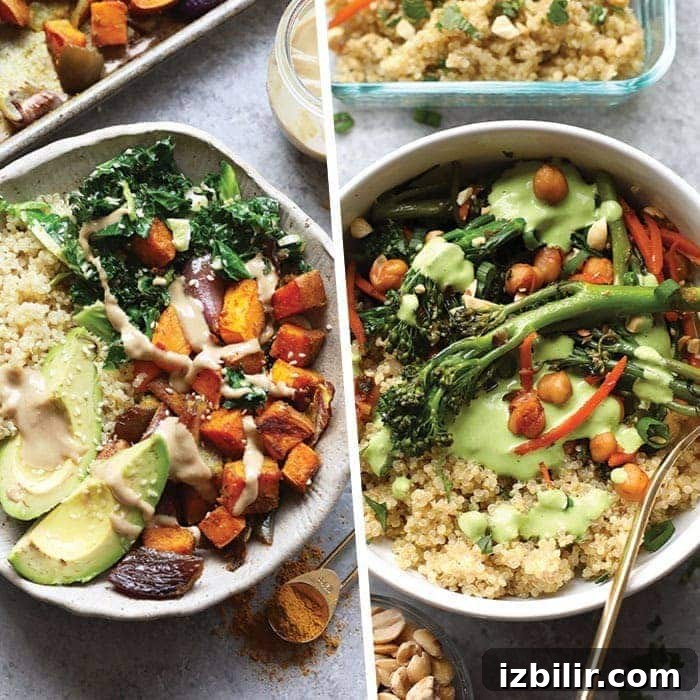
What is a Buddha bowl? A Buddha bowl is simply a bowl filled with a variety of wholesome ingredients—whole grains, proteins, lots of vegetables, nuts or seeds, and a flavorful dressing. These bowls are ideal for meal prep because they combine texture, color, and balanced nutrition in one portable dish. Below we’ll outline the basic components, share ideas for ingredients, and provide a starter vegan Buddha bowl recipe so you can plan easy, delicious meals for the week.
All About Buddha Bowls
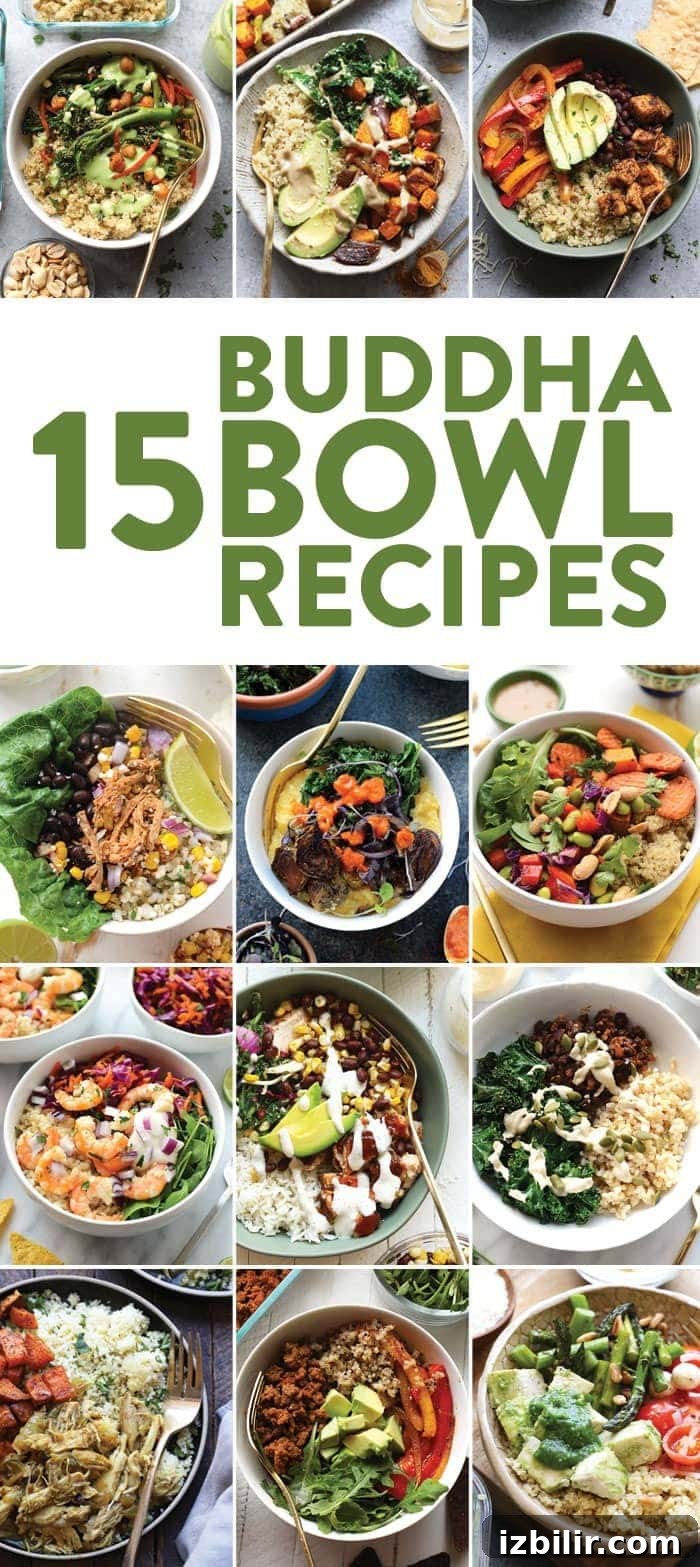
Buddha bowls—also called meal-prep bowls—are an excellent way to simplify weekday eating while keeping meals interesting. They are highly adaptable: swap bases, proteins, and vegetables to match your taste, season, or what’s in your fridge. Use spices, dressings, and crunchy toppings to add layers of flavor. The main goal is to focus on whole, nutrient-dense foods and a variety of colors and textures. When in doubt, add a whole food—greens, roasted vegetables, legumes, or a handful of seeds will all make your bowl more satisfying.
Anatomy of a Buddha Bowl
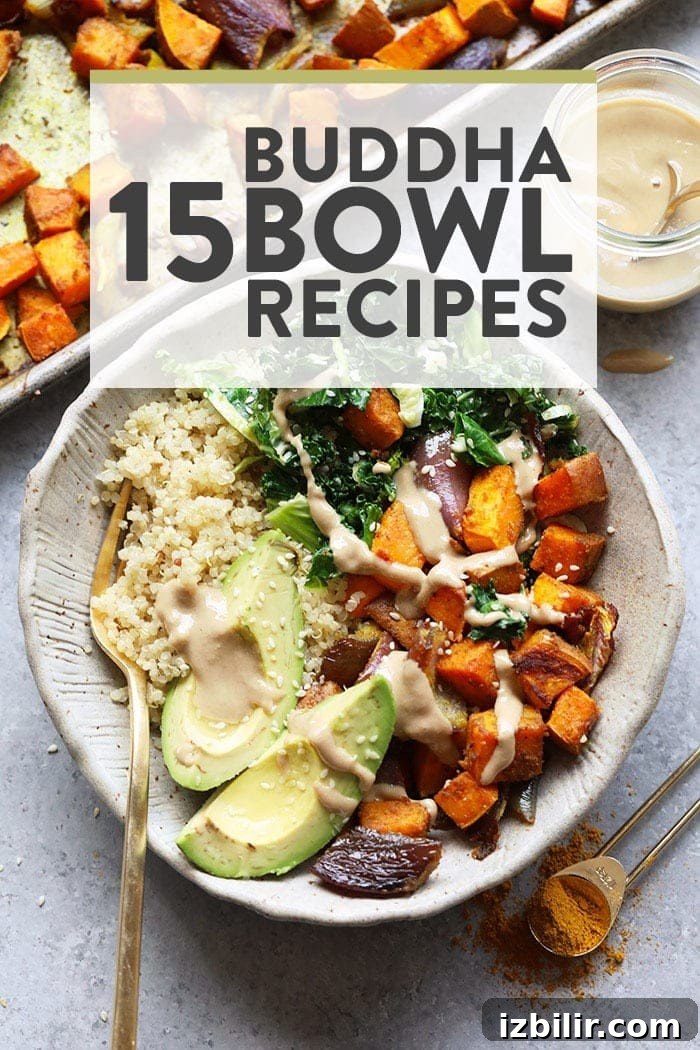
A well-composed Buddha bowl balances a base, a protein, plenty of vegetables, and finishing touches like nuts, seeds, and dressing. Below are the core categories and suggestions to help you build bowls that are flavorful and portable.
Whole Grains
The grain serves as the base for many Buddha bowls. Quinoa is a popular choice because it cooks quickly and brings a slightly nutty flavor, but any whole grain works well. Try to vary grains from week to week to keep meals interesting.
- Brown rice
- Quinoa
- Millet
- Barley
- Farro
Lean Protein
Protein is what keeps a bowl filling and balanced. Plant-based proteins make great vegan Buddha bowls, while lean animal proteins are easy to add if you prefer. Prioritize high-protein options you enjoy.
- Chicken breast
- Garbanzo beans (chickpeas)
- Black beans
- Tofu
- Tempeh
- Ground turkey
- Ground beef
Vegetables
Vegetables provide color, fiber, and vitamins. Roasting vegetables like sweet potatoes or Brussels sprouts brings out sweetness and depth. Alternatively, use raw or lightly dressed greens and crunchy slaws—anything goes.
- Brussels sprouts (roasted)
- Sweet potatoes (roasted)
- Caramelized onions
- Butternut squash (roasted)
- Massaged kale, mixed greens, shredded cabbage, or any other vegetable you have on hand
Nuts, Seeds, and Dressing
Finish bowls with texture and flavor: nuts and seeds add crunch and healthy fats, while dressings or hummus make the bowl creamy and cohesive. Choose vinaigrettes, avocado-based dressings, or simple olive oil and lemon to suit the bowl’s profile.
- Raw nuts: cashews, walnuts, almonds, pistachios
- Seeds: sunflower seeds, pepitas, sesame seeds, hemp seeds
- Dressings: vinegar-based, avocado-based, tahini, or olive oil + lemon
- Hummus as a creamy topping
Below is a basic vegan Buddha bowl recipe to get you started, plus a list of healthy meal-prep bowl ideas that you can adapt.
Healthy Meal Prep Bowl Recipes
- Meal Prep Vegetarian Kung Pao Quinoa Bowls
- Grilled BBQ Chicken Bowls
- Sheet Pan Tofu Quinoa Burrito Bowls
- Slow Cooker Carnitas Burrito Bowls
- Roasted Brussels Sprouts Polenta Bowls
- Healthy Thai Coconut Quinoa Bowls
- Cilantro Lime Shrimp Bowls
- Black Bean Breakfast Bowls
- Instant Pot Moroccan Chicken Bowls
- Sweet Potato Vegan Buddha Bowl
- Team Fit Foodie’s Go-To Meal Prep Bowl
- Butternut Squash Buddha Bowl
- Copycat Chipotle Chicken Burrito Bowl
- Pesto Chicken Meal Prep
Basic Vegan Buddha Bowl Recipe
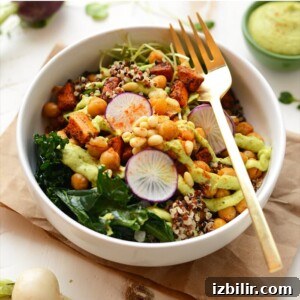
This simple, plant-based Buddha bowl is built with quinoa, roasted sweet potato, garbanzo beans, massaged kale, bean sprouts, radish, sesame seeds, and a green goddess–style dressing. It’s an adaptable starter bowl—swap grains, veggies, or dressing to match your preferences.
Author: Lee Funke
Prep: 30 mins Cook: 45 mins Total: 1 hr 15 mins Servings: 1
Ingredients
- 1 cup cooked quinoa
- 1/2 cup roasted sweet potato, diced
- 1/4 cup garbanzo beans (canned or cooked)
- 1 cup massaged kale* (see notes)
- A handful of bean sprouts
- 1 fresh radish, sliced
- 1 teaspoon sesame seeds
- 1 tablespoon vegan dressing (green goddess or your favorite)
Instructions
- Prepare the quinoa and roast your sweet potato until tender and lightly caramelized.
- If using canned garbanzo beans, drain and rinse them. Warm or roast for extra flavor if desired.
- Massage the kale with a small amount of olive oil and a pinch of salt until it softens and becomes glossy.
- Assemble the bowl: place the quinoa as the base, add roasted sweet potato, garbanzo beans, massaged kale, bean sprouts, and sliced radish.
- Sprinkle sesame seeds over the top and finish with 1 tablespoon of dressing or a dollop of hummus. Toss gently and enjoy.
Tips & Notes
- For 1 cup of massaged kale, start with about 2 cups of raw kale, 1/2 tablespoon olive oil, and a pinch of salt. Massage until the leaves appear softer and slightly wilted.
- To save time, roast a tray of vegetables and cook grains in bulk at the start of the week for quick assembly.
- Switch flavors by using different dressings—tahini-lemon for Mediterranean bowls, peanut or soy-lime for Asian-inspired bowls.
Nutrition (approximate)
Calories: 581 kcal, Carbohydrates: 87 g, Protein: 22 g, Fiber: 16 g, Sugar: 14 g
Nutrition information is automatically calculated and should be used as an approximation.
Storage and Meal-Prep Tips
Buddha bowls store well when components are kept separate. Keep grains and proteins in one container and wet ingredients or dressings in a small jar to prevent sogginess. For best texture, add crunchy toppings like seeds, nuts, or fresh sprouts just before eating. Reheat roasted vegetables and grains gently in a microwave or oven, then assemble with fresh greens and dressing.
Buddha bowls are endlessly customizable, budget-friendly, and convenient for busy weeks. Use this basic framework to create bowls that suit your schedule, dietary needs, and flavor preferences.
If you enjoyed this guide and recipe, leave a comment below to share your favorite Buddha bowl combinations!