
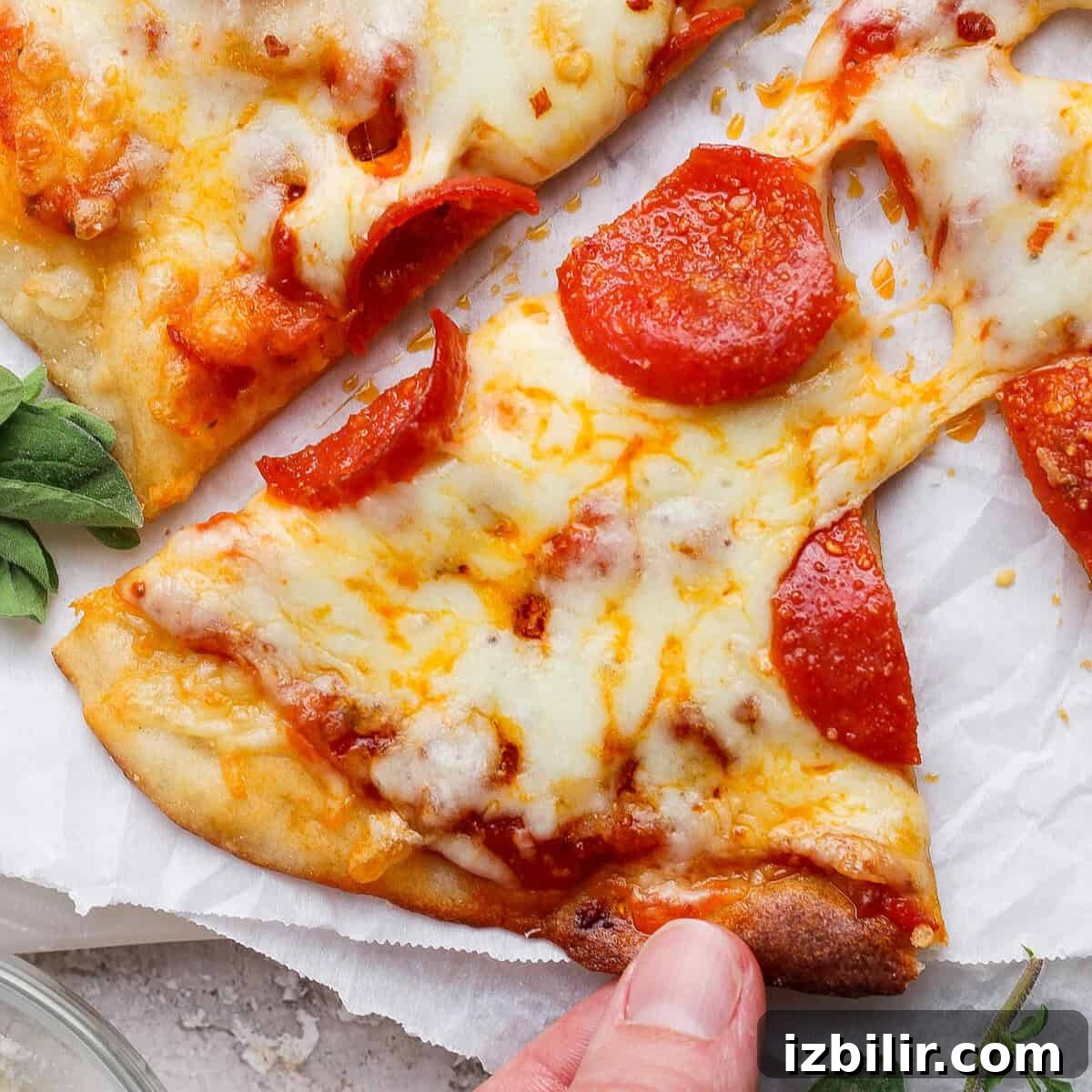
As someone married to a devoted pizza lover, I’ve spent years experimenting to boost the protein in our favorite weeknight meal. The winner? Cottage cheese. When blended until smooth and incorporated into the dough, cottage cheese adds moisture, structure, and a meaningful protein boost—about 20 grams per serving—while letting you skip yeast entirely.
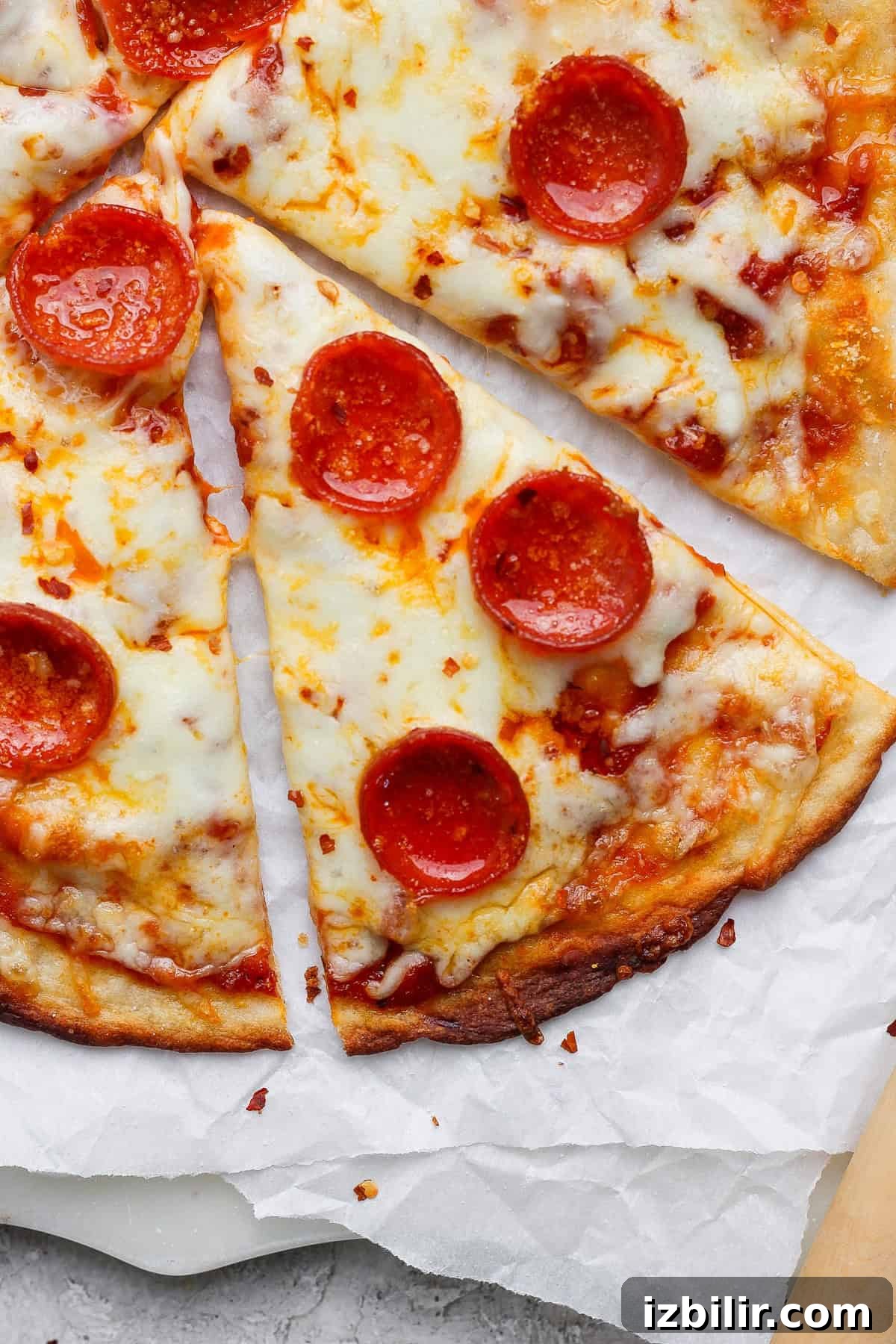
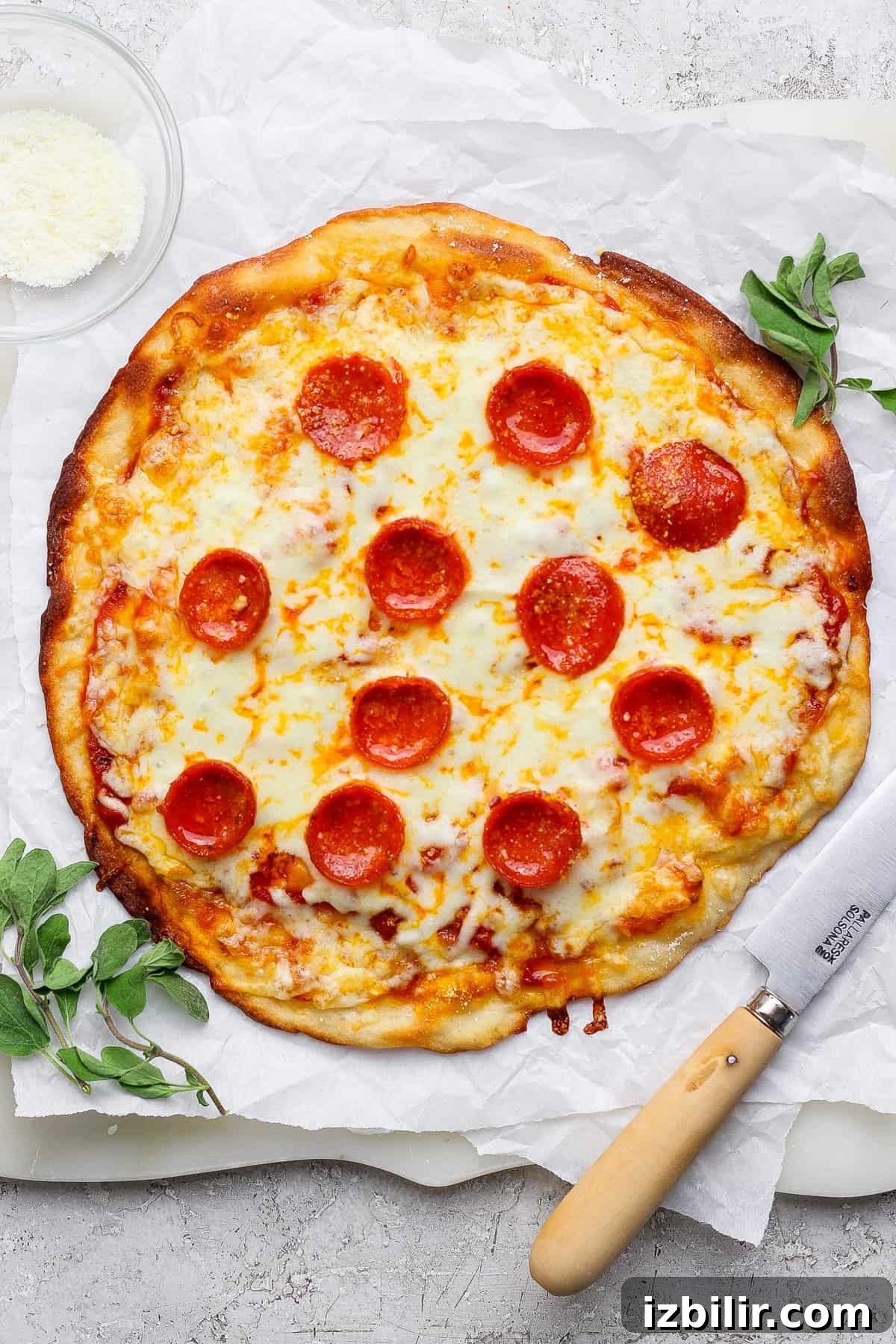
This no-rise dough is especially useful when you want pizza fast. There’s no waiting for yeast to act: the dough mixes, gets rolled thin, parbaked, topped, and finished in under 30 minutes. The result is a crust with crisp, golden edges and a satisfyingly chewy interior—perfect for busy families, quick dinners, or when a toddler announces they’re hungry right now.
Featured Comments
“Wow, this was DELICIOUS! Doubled the recipe for two pizzas (both with blended cottage cheese). Felt indulgent. Loved the crispy crust and slight tang. Will definitely be on the rotation.” – Emily R.
“Love this healthy and easy pizza crust! I made the Greek yogurt version and loved the texture and flavor. Topped it with sauce, mozzarella, and balsamic roasted veggies I had in the fridge. Delicious!” – Adrienne
“I don’t usually rate recipes but this was so easy and surprisingly so delicious. My kids devoured it and had no idea it was any different than our usual pizza dough. Highly recommend!” – Alyssa
How to Get the Perfect No-Rise Pizza Crust
The most important factor with this high-protein dough is rolling it very thin—about 1/8 inch if possible. A thin, even crust produces crisp edges and prevents the center from staying doughy. Because there’s no rise time, whatever texture you shape before baking is what you’ll get after baking, so take a moment to make it even.
Work with a dry-feeling dough. If it sticks while kneading or rolling, dust your surface and rolling pin with a bit more flour. Aim for a dough that’s easy to handle and rolls out smoothly without tearing.
Ingredients You’ll Need
This recipe relies on a handful of common pantry items, each contributing to texture and flavor:
- All-purpose flour: Provides the best balance of chew and crisp for this crust. Whole wheat will work but expect a denser result. I haven’t tested gluten-free or nut flours for this version.
- Baking powder: A small amount gives the dough lift and prevents it from baking flat since we’re not using yeast.
- Sea salt: Essential for flavor. You can also add garlic powder, oregano, or Italian seasoning for a more savory crust.
- Cottage cheese (blended): Use plain cottage cheese blended until smooth. Both low-fat and full-fat options work; full-fat yields a slightly richer crust. Small or large curd is fine as long as it’s fully blended—no draining needed.
Cottage Cheese: The Star Ingredient
Blended cottage cheese is what sets this dough apart. It adds protein and moisture and helps bind the dough without needing oil or yeast. The crust bakes up chewy in the middle with a satisfying crisp at the rim, and it’s sturdy enough to hold sauce and generous toppings.
Alternatives like Greek yogurt or Skyr also work. Greek yogurt typically produces a thinner, crisper crust, while cottage cheese yields a slightly chewier, more substantial base. Choose according to the texture you prefer.
How to Make the Dough
The method is quick and straightforward. Follow these steps for a reliable, crisp-topped pizza:
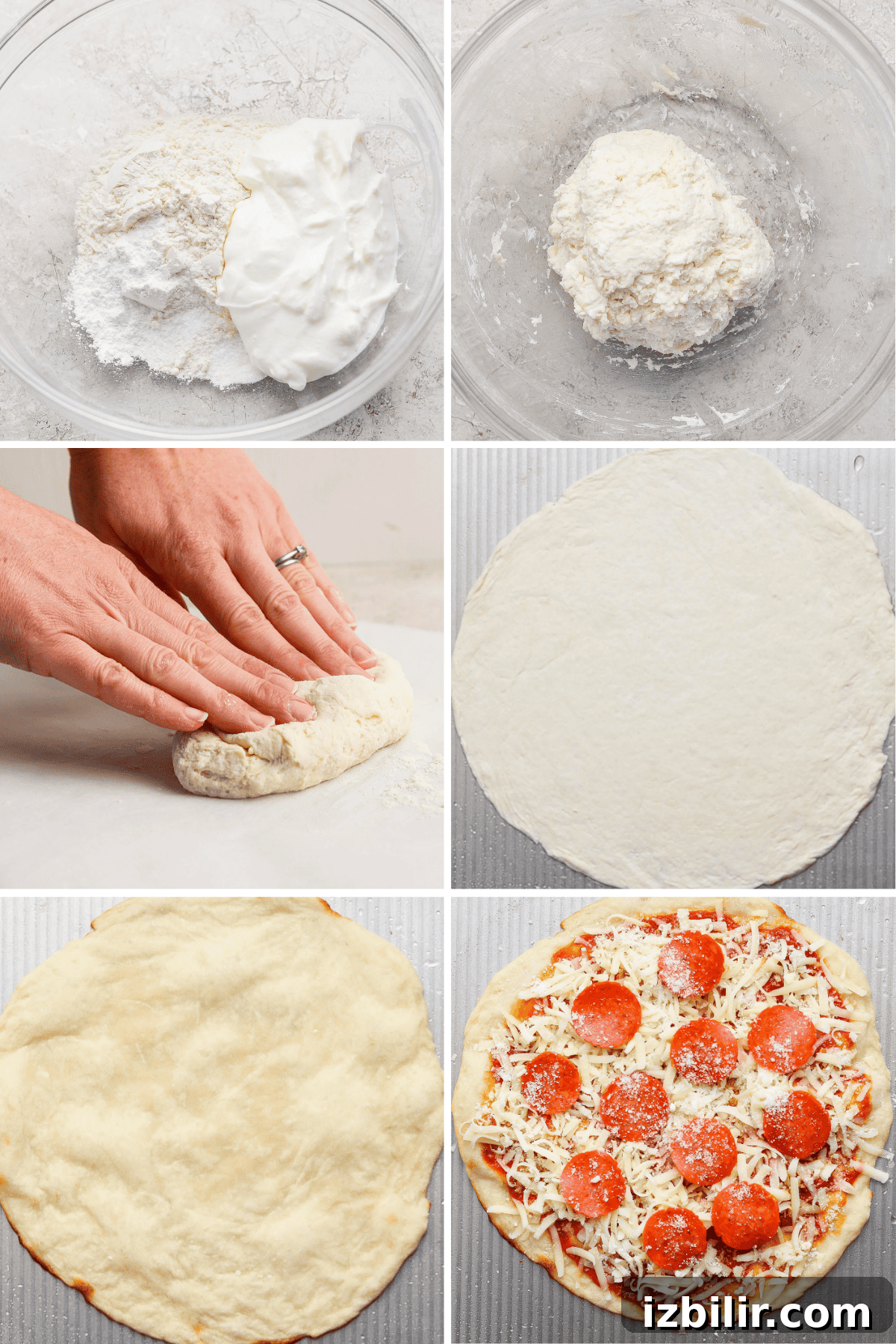
- Mix the dough: Combine flour, baking powder, salt, and blended cottage cheese (or yogurt) in a bowl. Stir until the mixture forms a rough dough.
- Form and knead: Use your hands to press the mixture into a ball. Turn it out onto a floured surface and knead briefly until smooth and no longer sticky. Add flour sparingly if needed.
- Roll very thin: Roll the dough into an even circle about 10 inches across or roughly 1/8 inch thick. Thinness is key for crispiness.
- Parbake the crust: Transfer to a prepared baking sheet and bake for 10 minutes to set the structure. This prevents topping moisture from making the center soggy.
- Add toppings and finish: Remove the parbaked crust, spread on sauce, cheese, and toppings, then bake another 7–8 minutes until the bottom is lightly golden and the cheese is melted.
Try it!
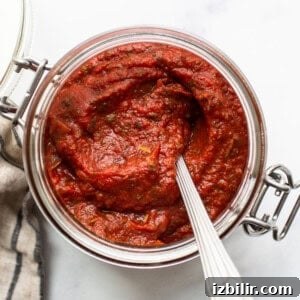
Homemade Pizza Sauce
Simple four-ingredient pizza sauce complements this crust beautifully—smooth, flavorful, and quick to prepare.
Storage & Reheating Tips
Unbaked dough: refrigerate for up to 3 days, or wrap tightly and freeze for up to 2 months. Thaw overnight in the refrigerator before using. Baked pizza: cool completely, then store slices in an airtight container in the fridge for 3–4 days.
To reheat, place slices in a 375°F oven, toaster oven, or a hot skillet until the bottom crisps again. This restores texture particularly well for cottage cheese crusts, which can soften after refrigeration.
What to Serve With Your Pizza
Simple sides balance the richness of a cheesy pizza and make the meal feel complete. Try these pairings:
- Arugula salad: Peppery greens with a light vinaigrette add freshness.
- Baked sweet potato fries: Crispy, slightly sweet fries are great for dipping.
- Caprese-style salad with quinoa: Adds extra protein with tomatoes, mozzarella, basil, and quinoa.
- Greek salad: Crisp vegetables, olives, and feta make a refreshing side.
- Homemade ranch: Cool and creamy for drizzling or dipping.
If you love cottage cheese on pizza, consider variations like a Cottage Cheese Pizza Bowl or a whipped cottage cheese pizza dip for snacking.
FAQs
Is cottage cheese pizza healthier than regular pizza?
Cottage cheese crust can be a healthier option because it boosts protein and adds calcium without much extra prep. Higher protein helps you feel fuller longer. That said, toppings and portion sizes still determine overall nutrition.
Greek yogurt or ricotta—why choose cottage cheese?
Cottage cheese delivers more protein than ricotta and often more than plain Greek yogurt, depending on the brand. Greek yogurt yields a thinner, crisper crust, while cottage cheese gives a chewier, more substantial base with a neutral flavor that pairs well with most toppings.
Can cottage cheese be used in sauce?
Yes—blended cottage cheese makes a creamy, protein-rich base for white sauces. It’s less common in tomato-based marinara but works well in creamy or white-style pizza sauces.
Does pizza dough usually contain eggs?
Traditional pizza dough doesn’t include eggs—typically just flour, water, yeast, salt, and sometimes oil. This no-rise dough replaces yeast with protein-rich dairy, so eggs aren’t necessary.
If you want a gluten-free or grain-free version, expect to adjust ingredients and possibly add eggs to bind. I haven’t tested those variations for this specific recipe, but alternative flours can work with some experimentation.
Photography by: The Wooden Skillet
Cottage Cheese Pizza Crust
This no-rise, high-protein pizza dough uses blended cottage cheese (or yogurt) to create a quick, chewy crust with crisp edges. Ready in about 25–30 minutes and ideal for busy nights.
Ingredients (makes 2 small pizzas)
- ½ cup all-purpose flour
- ½ teaspoon baking powder
- ½ teaspoon sea salt
- ½ cup blended cottage cheese (or plain Skyr/Greek yogurt)
For Topping (suggested)
- ⅓ cup pizza sauce
- ½ cup shredded mozzarella
- 1 tablespoon grated Parmesan
- 1 oz sliced pepperoni (or preferred toppings)
Instructions
- Preheat oven to 425°F. Lightly grease a baking sheet.
- Mix flour, baking powder, salt, and blended cottage cheese in a bowl until a dough forms.
- Press into a ball, then turn onto a floured surface and knead briefly until smooth and not sticky.
- Roll the dough thin—about 10 inches across or 1/8 inch thick—and transfer to the prepared sheet.
- Parbake for 10 minutes until the surface looks dry and the dough begins to set.
- Remove from oven, add sauce, cheeses, and toppings, then bake another 7–8 minutes until the bottom is lightly browned and cheese is melted.
- Finish with red pepper flakes if desired and serve hot.
Nutrition (approx. per serving)
Calories: 344 kcal — Carbs: 28 g — Protein: 20 g — Fat: 17 g — Fiber: 2 g — Sugar: 2 g
Nutrition is an estimate and should be used as a guide only.