
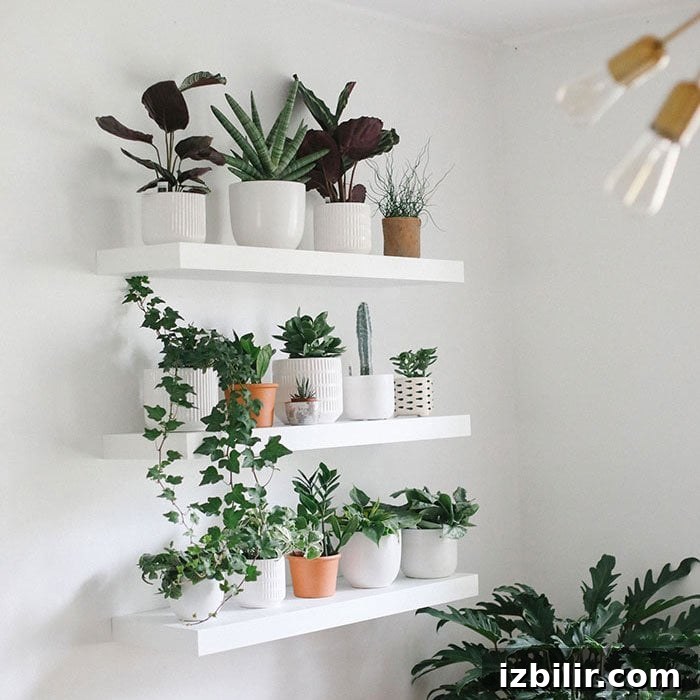
Want to create a beautiful, oxygen-rich living wall inside your home? This clear, step-by-step guide shows how to plan, build, and maintain an indoor plant wall—from choosing the right wall and shelving to picking pots and low-light plants, and setting up a watering routine. Follow these practical tips to design a lush, long-lasting vertical garden that suits your space and skill level.
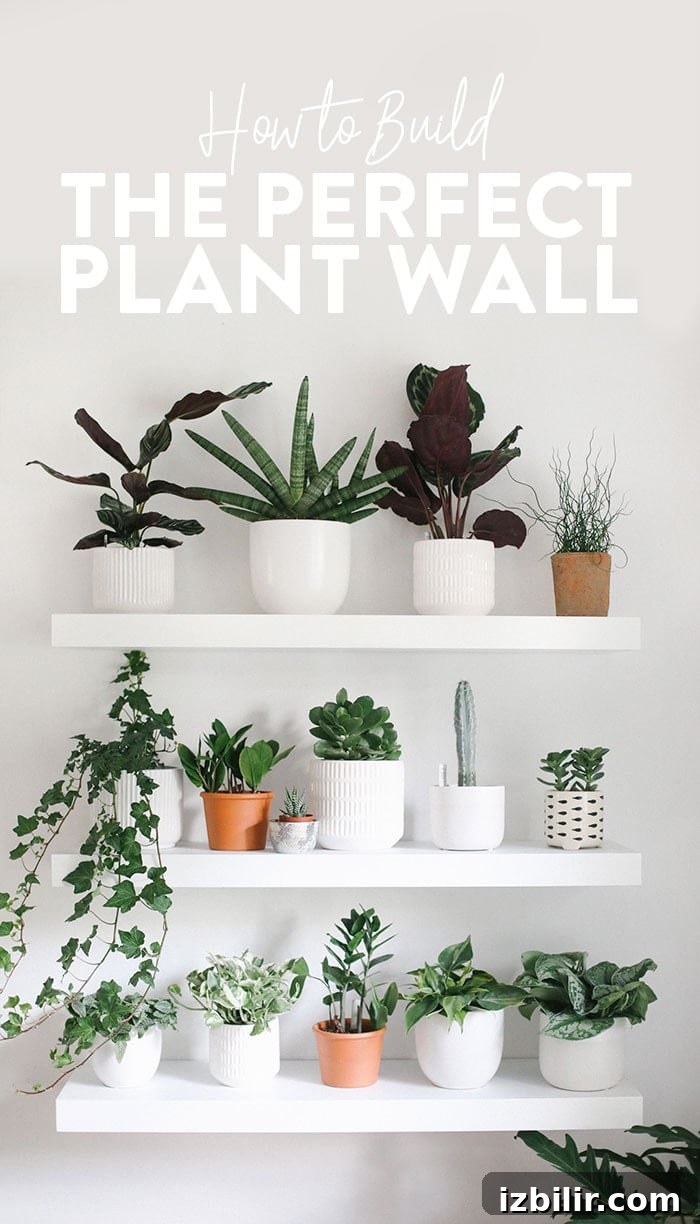
Step 1: Choose a low-light or indirect-light wall for your plant wall
Selecting the wall for your indoor living wall is a key decision because it determines which plants will thrive there. Ideally, pick a wall that receives indirect sunlight—light that brightens the room without shining directly on the wall. For example, a wall next to an east-facing window gets morning sun that’s softer than afternoon sun from a west-facing window. If your home has no low- or indirect-light walls, you can still create a plant wall, but expect to need plants that require more attention and a more precise watering schedule.
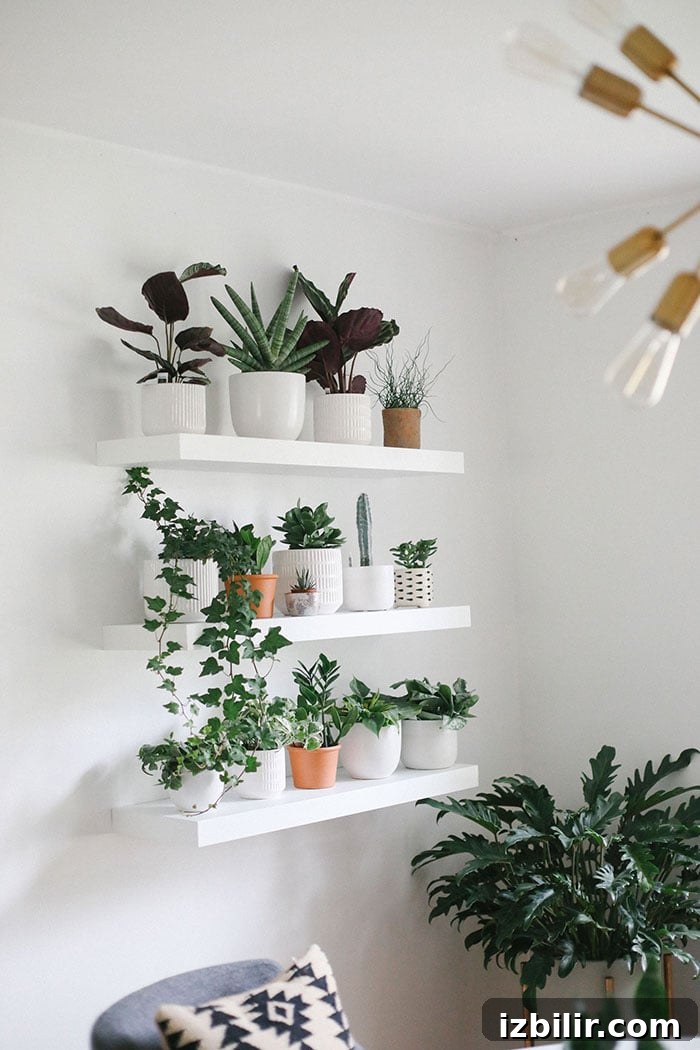
Step 2: Pick the right shelves
Now it’s time to choose shelves. Shelf length and number depend on the size of your room: larger rooms can handle longer runs of shelving, while smaller spaces work well with shorter shelves. Look for floating shelves at least 8 inches deep—10 inches is ideal—to ensure enough room for plant pots and foliage. Sturdy floating shelves create a clean, modern look and keep attention on the plants themselves.
Floating shelf suggestions
Here are simple, practical rules for spacing your shelves so plants have room to grow and the wall looks balanced:
- Install a center shelf about 56 inches from the floor. This places plants at eye level and anchors the arrangement.
- Space shelves above and below the center shelf by roughly 12 inches. This gives room for medium-sized plants and creates a layered, cohesive look.
Step 3: Choose pots in a range of sizes
Mixing pot sizes adds personality and texture to your plant wall. Aim for a variety of heights and diameters; many indoor wall designs use pots ranging roughly from 3.5 to 6 inches tall. Pot size will also determine the size of the plants you buy, so it’s helpful to buy pots before shopping for plants so you can match plant root systems to container volume.
Where to shop for pots
- Anthropologie (decorative styles)
- CB2 (modern designs)
- West Elm (simple, stylish options)
- IKEA (affordable basics)
- Overstock (wide selection)
- Target (budget-friendly pieces)
- Local garden centers and greenhouses
3.5″ – 6″ pot recommendations
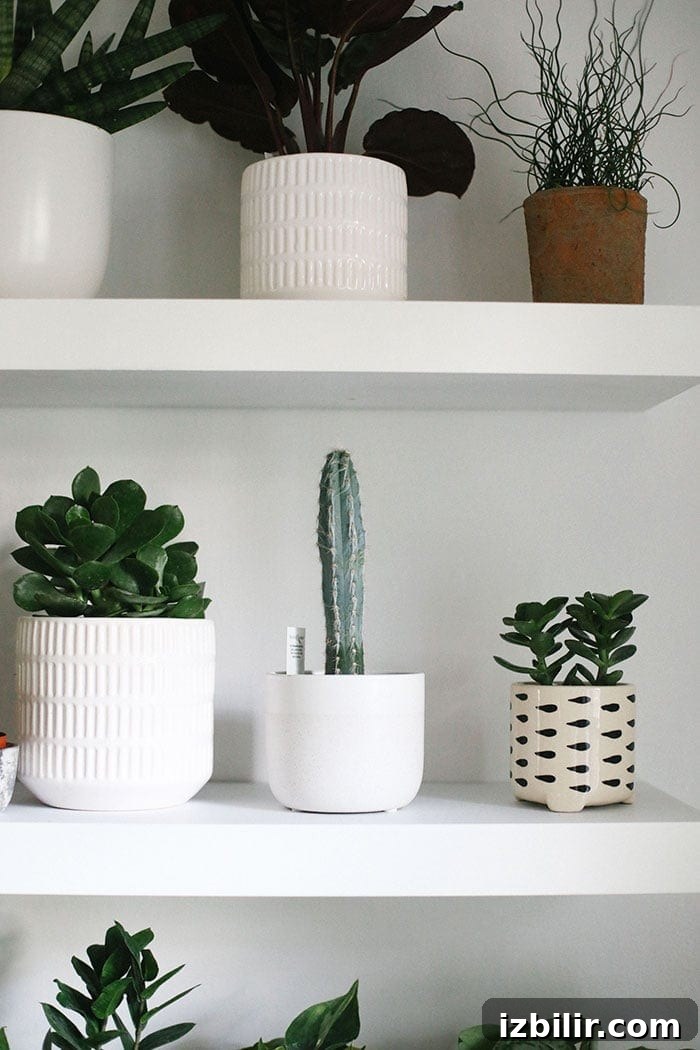
Choose pots with drainage or add a well-draining soil mix and a layer of gravel if drainage holes are absent. Group pots with different textures and finishes for visual interest—mix glazed, matte, ceramic, and woven styles for a layered look.
The pots used for the example wall in this guide came from a variety of retailers and local makers—mixing sourced pieces and local finds helps achieve a curated, personal look.
Step 4: Select low- to medium-light plants
Plant choice depends on the light conditions at your chosen wall. For low- or medium-light locations, pick species known to tolerate subdued light and lower maintenance. Plants that do well in lower light typically require less frequent care, making them good options for beginners or busy households. Remember: pot size affects which plants will thrive, so bring pots with you when you shop or visualize the scale before purchasing.
Low- and medium-light plant suggestions
- Snake Plant (Sansevieria) — tolerant of low light
- ZZ Plant (Zamioculcas zamiifolia) — tough, low-light tolerant
- Calathea — prefers medium light and consistent humidity
- Pothos — durable and adaptable to lower light
- Indoor ivy varieties — medium light and great for trailing
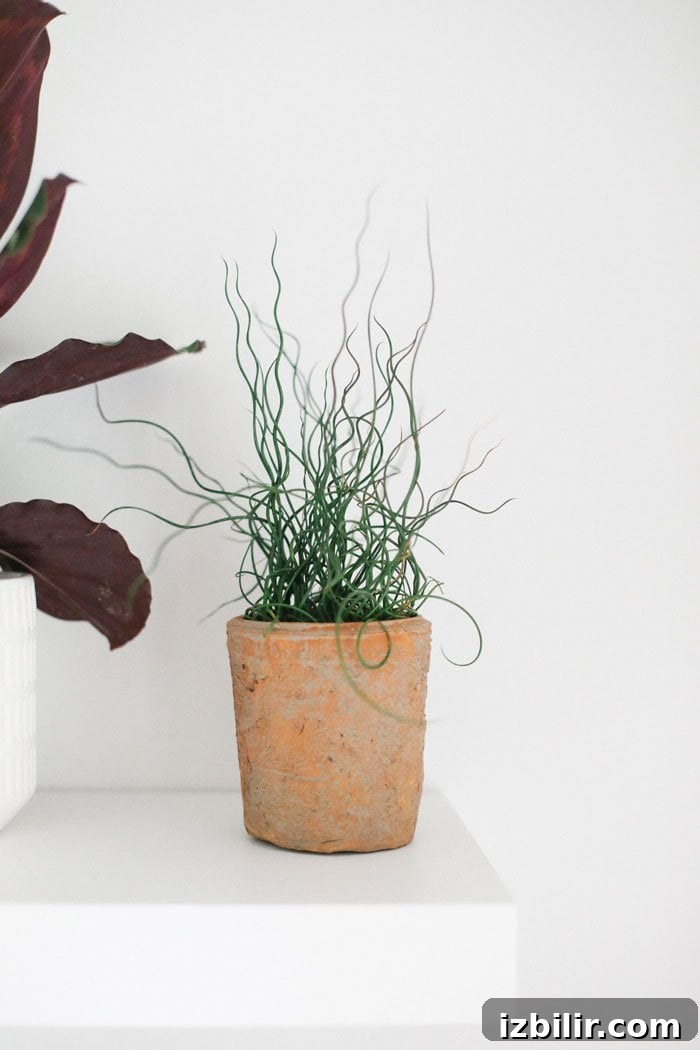
- Corkscrew Rush — enjoys moist to bright conditions (adaptable)
If you love succulents and cacti, include a few—but place them in pots you can move to direct light periodically. These sun-loving plants will need daily or regular exposure to strong light to stay healthy.
A quick note of thanks to the local greenhouse that supplied many of the plants used in this project; shopping local is a great way to find healthy, high-quality plants and expert advice about which varieties suit your home. Staff at local greenhouses can help you match plants to your light conditions and offer care tips for each species.
Step 5: Establish watering schedules
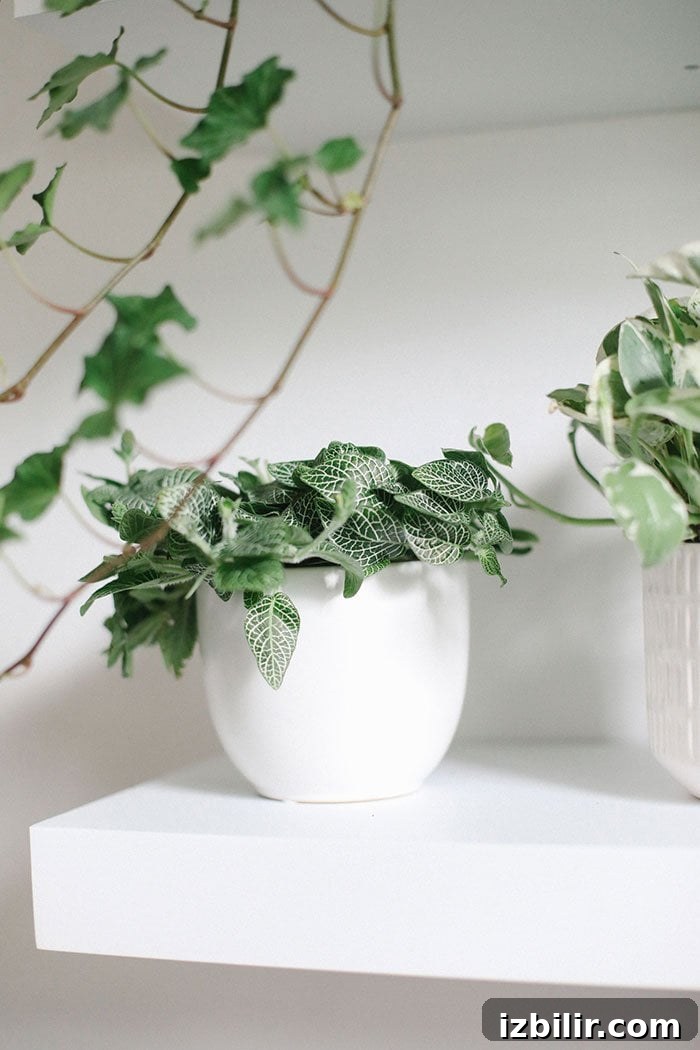
Watering is the most important part of plant care. Different species on your wall will have different needs, so learn the water preferences for each plant. Many retailers include care tags indicating a plant’s light and watering needs—use these as a baseline. For instance, corkscrew rush likes consistently moist soil, while pothos prefers the soil to dry slightly between waterings. Develop a routine and check soil moisture regularly—overwatering is one of the most common causes of indoor plant problems.
Start simple: water deeply but infrequently for drought-tolerant plants, and more regularly for moisture-loving species. Consider grouping plants with similar needs together on the same shelf for easier care. With time, you’ll learn how each plant responds to your home’s humidity and temperature patterns.
Disclaimer: This post contains affiliate links and product contributions from some suppliers. Some items referenced in this guide were provided for the project, but no monetary exchange influenced the recommendations.