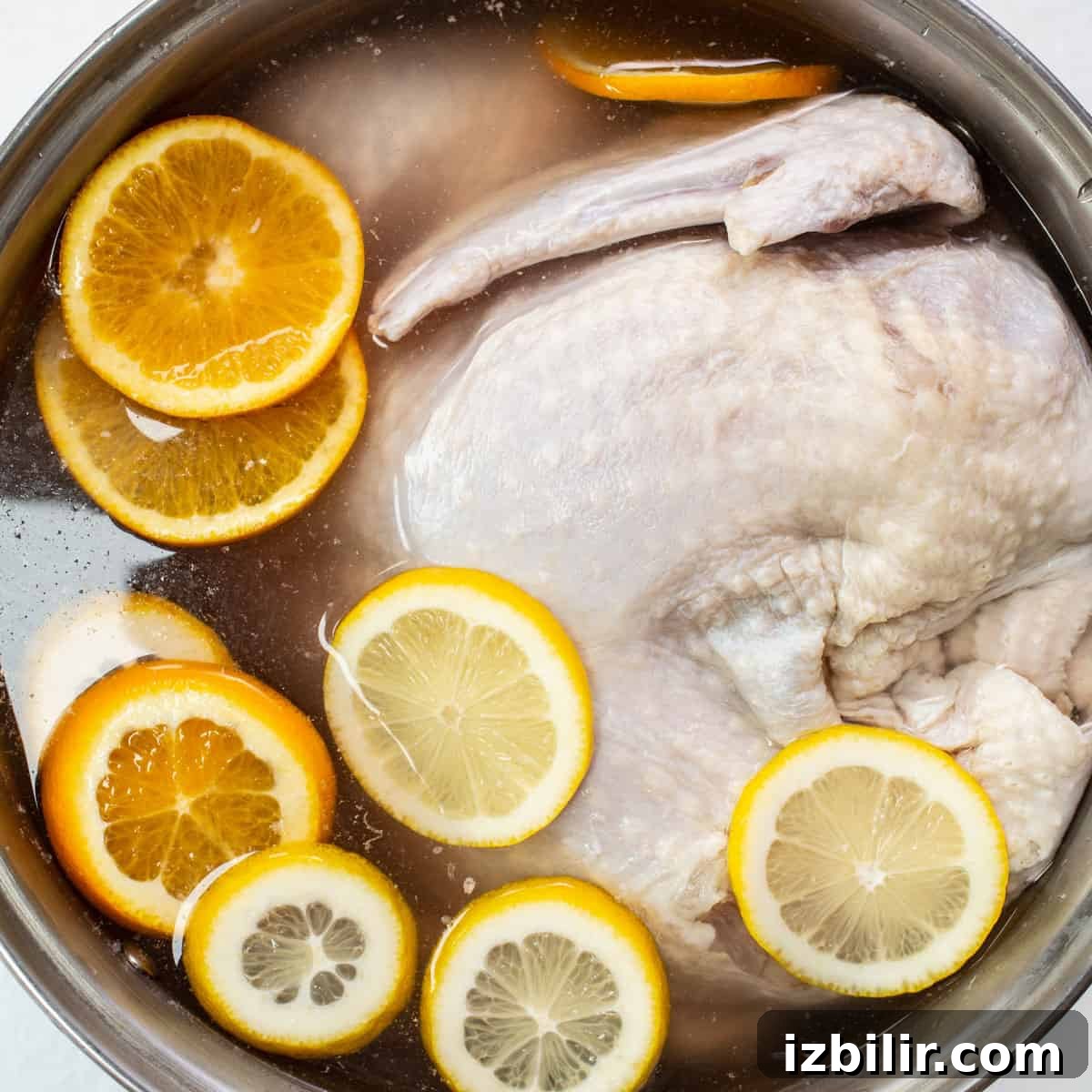
This classic wet turkey brine is simple to prepare and delivers a reliably juicy, flavorful bird. Brining infuses the meat with seasoning, tenderizes the muscle fibers, and helps the turkey retain moisture during cooking. Follow this guide to learn how to brine a whole turkey for the best Thanksgiving results.
Everyone Should Brine a Turkey
There are three main reasons to brine your turkey before roasting:
- Flavor: A brine acts like a concentrated marinade, carrying salt and aromatics into the meat so the flavor reaches beyond the surface.
- Texture: Salt in the brine helps relax and slightly break down muscle fibers, creating a more tender bite.
- Moisture: Proper brining helps the turkey hold on to liquid during cooking, resulting in juicier meat.
Brining is especially helpful for lean poultry and pork cuts, such as turkey, chicken, and pork chops, because these contain less fat and can dry out more easily. A simple saltwater brine with aromatics will improve moisture and flavor every time.
Dry Brine vs. Wet Brine
This recipe describes a wet brine, which uses a salt solution—water combined with kosher salt—as the base. A wet brine adds extra liquid to the meat during the soaking period.
A dry brine skips added water and instead rubs salt directly on the surface of the turkey; the bird’s own juices redistribute the salt and aromatics. Both methods work well—choose wet brining if you want a milder infusion of herbs and citrus into the cavity and skin, and dry brining if you prefer less handling and crisper skin. Either way, brining improves tenderness and juiciness.
Turkey Brine Ingredients
The foundation of any brine is salt dissolved in water. From there you can add aromatic ingredients to complement your roast. This simple wet brine uses citrus and classic aromatics to add bright, savory notes without overpowering the turkey.
- 2 gallons water (divided)
- 1½ cups kosher salt
- 2 pieces citrus (oranges or lemons), sliced
- 4 garlic cloves, smashed or peeled
- ½ white onion, chopped or halved
- 5 sprigs fresh thyme or other fresh herbs
- 1 whole turkey (see size guidance below)

Choosing a Whole Turkey
This brine works well for a 10–13 lb whole turkey (fully thawed). If your bird is larger, the turkey must be completely submerged in the brine; you may need to double the brine quantities or use a larger container to ensure full immersion. Always brine in a refrigerator or a chilled environment to keep the turkey at a safe temperature.
How to Brine a Turkey
Brining is straightforward and worth the minimal extra time. Prepare the brine and let the turkey soak overnight for best results. Follow these steps:
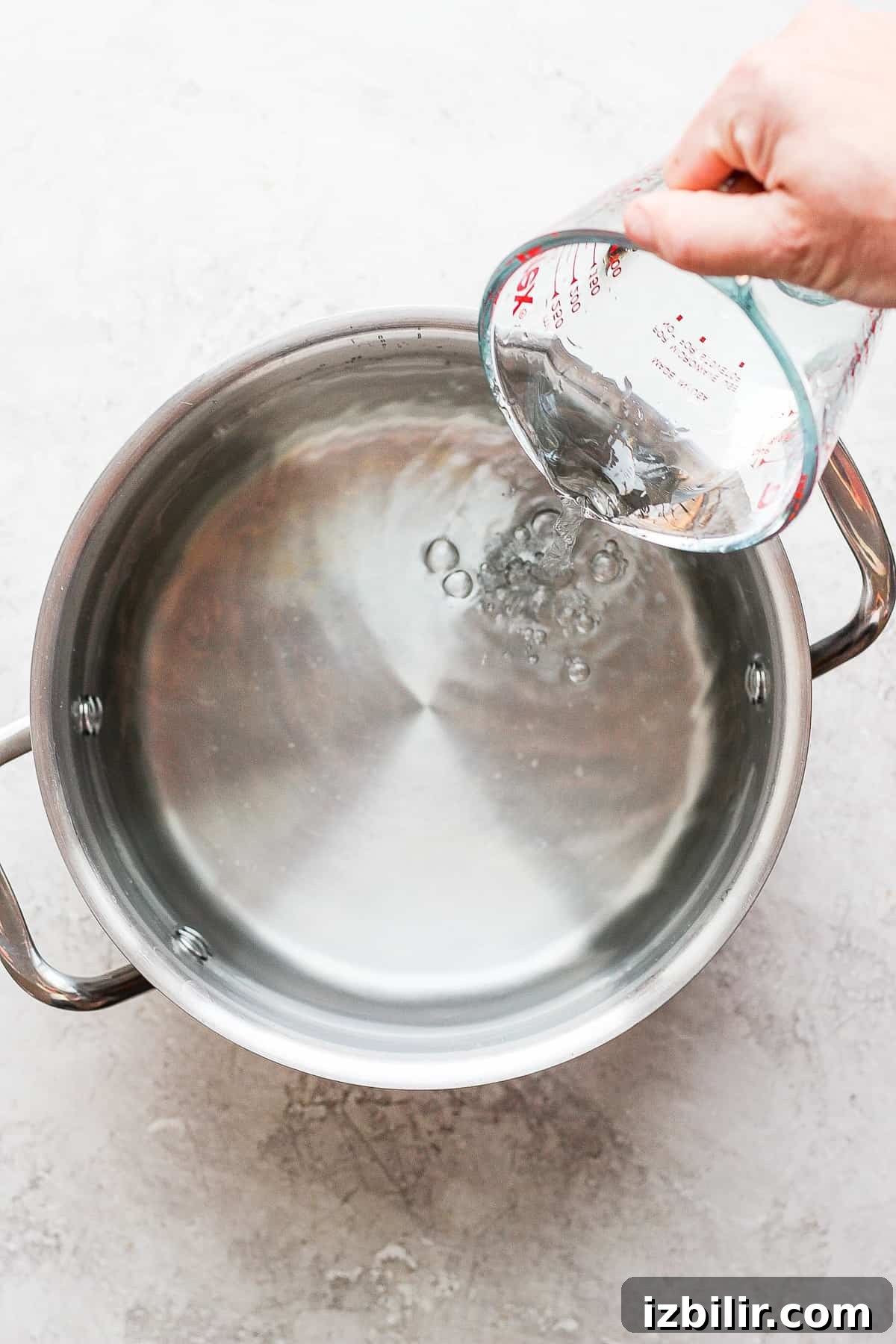
- Fill a 20–30 quart pot with 2 gallons of water.
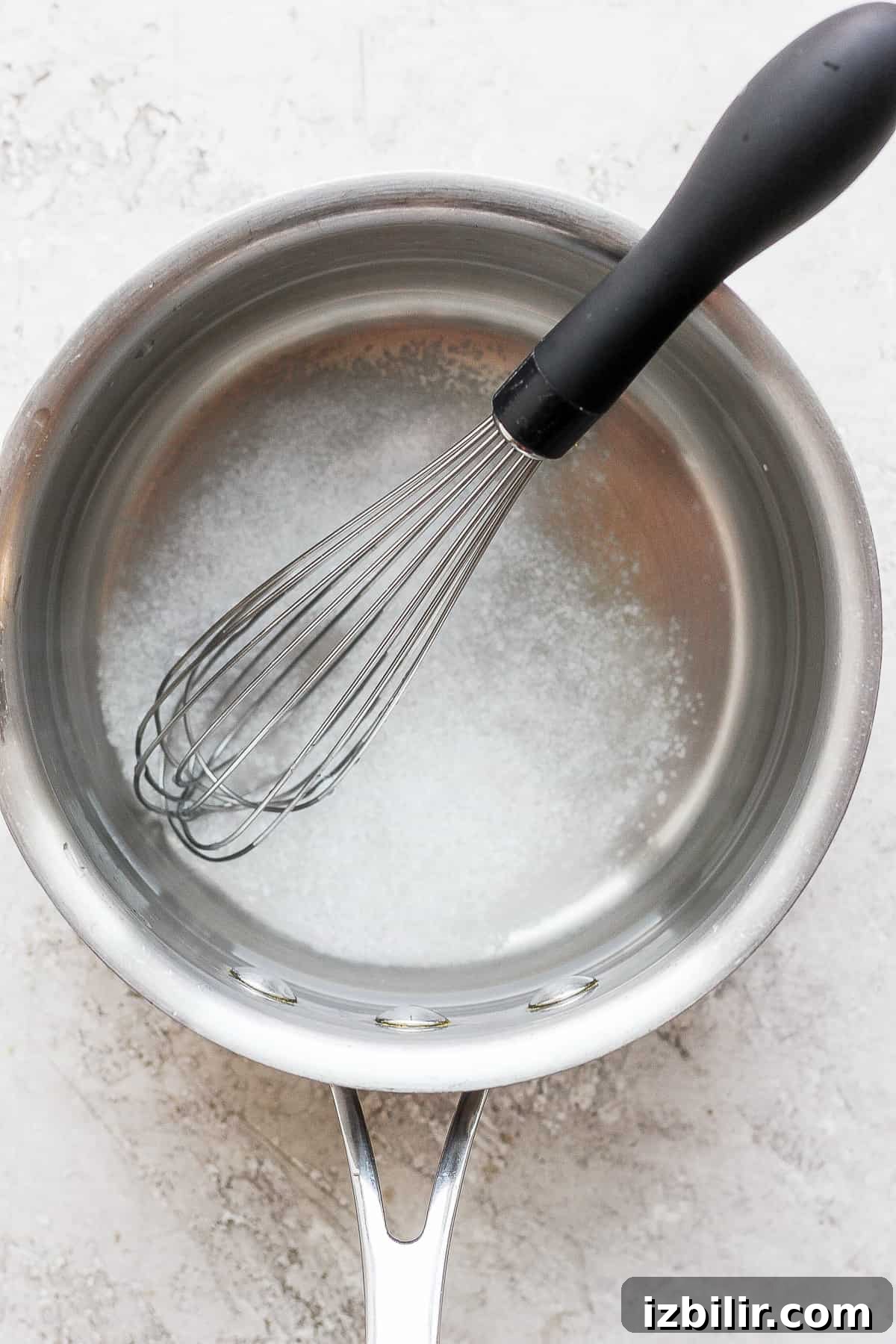
- Remove 2 cups of water into a small saucepan, add 1½ cups kosher salt, and heat gently over medium. Whisk until the salt dissolves but do not boil.
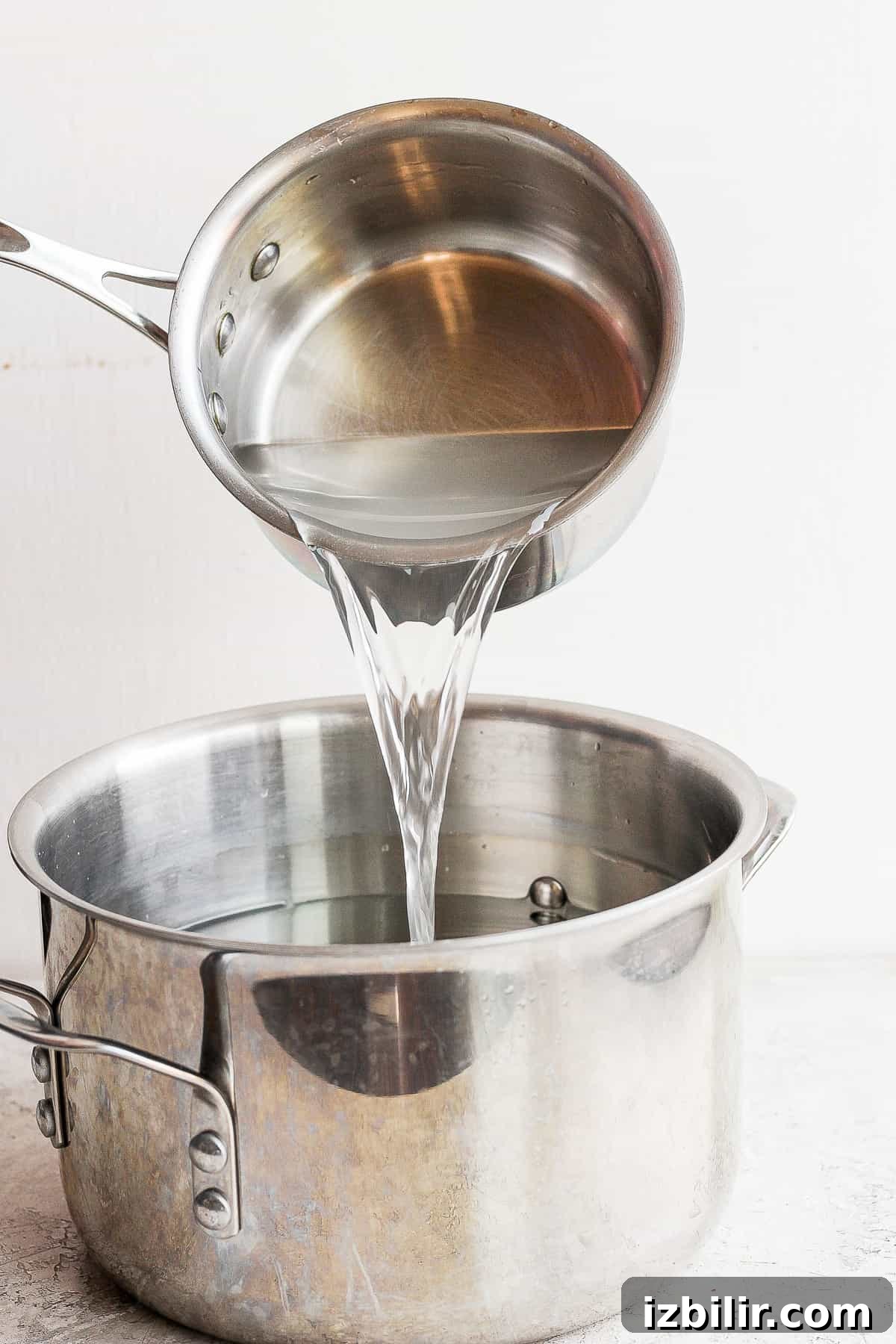
- Remove the salted water from heat, pour it back into the large pot, and stir to combine with the remaining water.
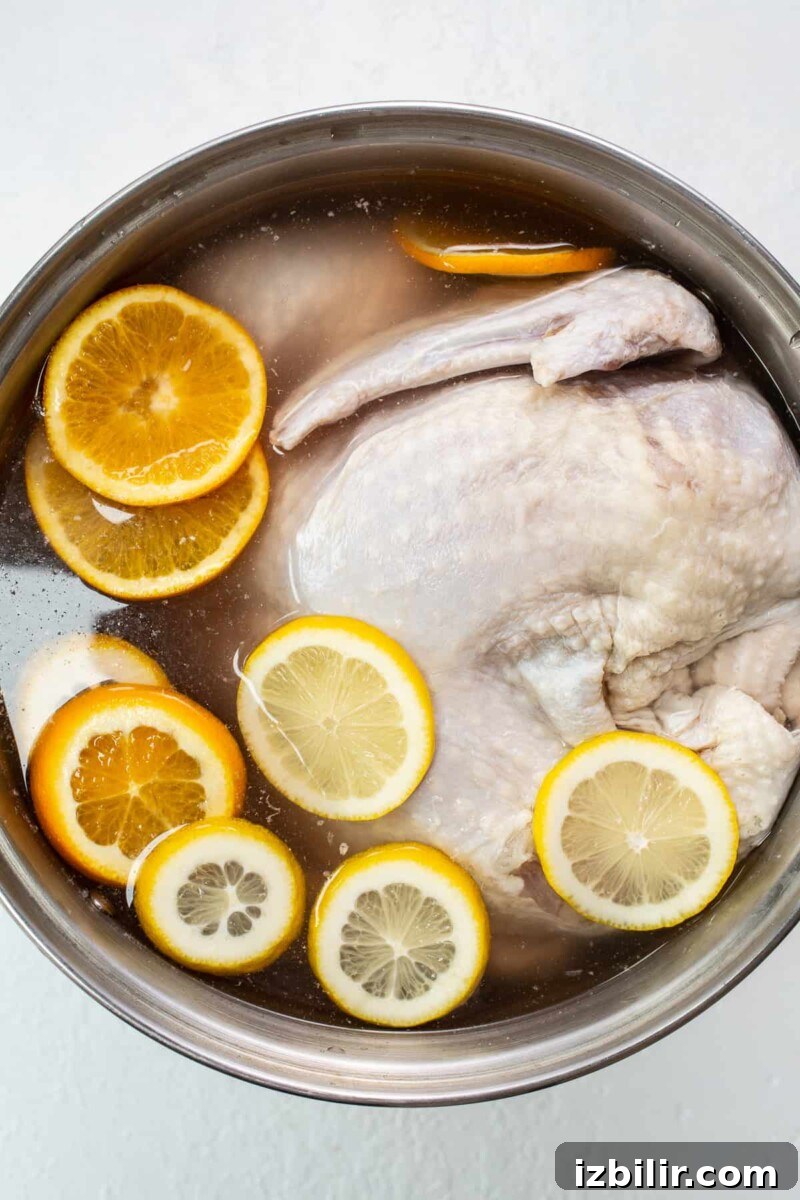
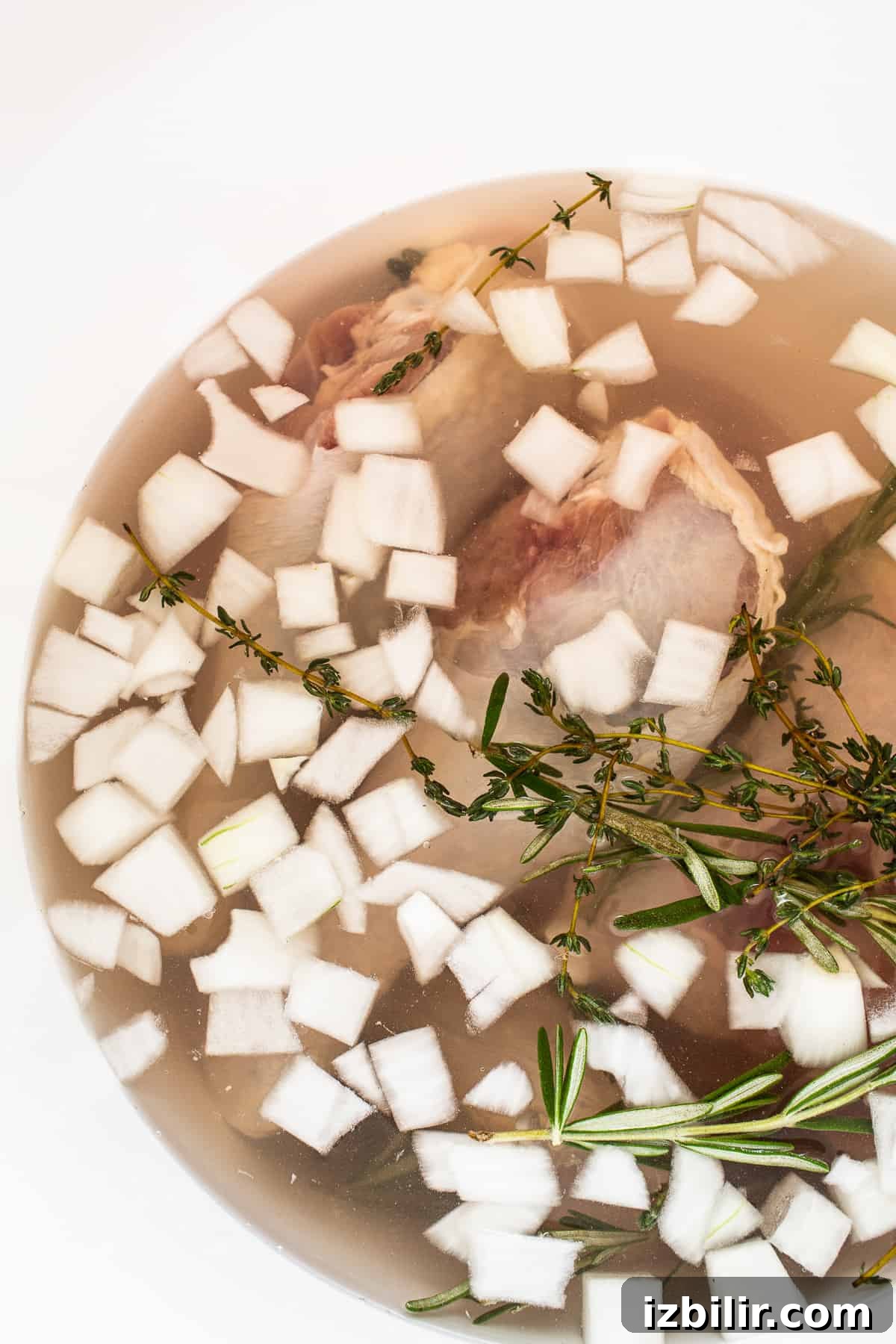
- Add sliced citrus, garlic, onion, and fresh herb sprigs to the brine.
- Submerge the whole turkey in the brine, ensuring it is completely covered. If needed, weigh it down with a plate or sealed bag filled with water.
- Cover and refrigerate for 12 hours or overnight.
FAQs
How long should you brine a turkey?
For a whole turkey, brine overnight or about 12 hours for best results.
Why brine a turkey?
Brining helps the meat retain moisture while adding subtle seasoning, producing a juicier, more flavorful roast.
Does brining make the turkey salty?
When done correctly, a brine should not make the finished turkey taste overly salty. The salt works to change the meat’s texture and distribute flavor, not to leave the surface tasting salty.
Storage and Safety
Always brine the turkey in the refrigerator or a properly chilled cooler. Keeping the turkey cold prevents bacterial growth. Once brining is complete, remove the turkey from the brine, rinse and pat dry if desired, then roast according to your preferred recipe. Discard used brine safely; do not reuse it.
Other Brine Ideas
Looking for variations? Try smoked turkey brine, a pork chop brine, or a simple chicken brine. Dry brining is another excellent option for crisper skin and a more concentrated seasoning.
Recipe: How to Brine a Turkey
Servings: about 10 | Prep time: 13 hours (includes brining time) | Total time: 13 hours
Ingredients
- 2 gallons water, divided
- 1½ cups kosher salt
- 2 pieces citrus fruit (oranges or lemons), sliced
- ½ white onion, diced (optional)
- 4 garlic cloves, peeled (optional)
- 5 sprigs fresh herbs (thyme, rosemary, or similar) (optional)
- 1 whole turkey (10–13 lb recommended)
Instructions
- Fill a large 20–30 quart pot with 2 gallons of water.
- Remove 2 cups of water to a small saucepan. Add the kosher salt and heat over medium, whisking until the salt dissolves. Do not boil. Remove from heat.
- Pour the salted water back into the large pot and stir to combine.
- Add sliced citrus, onion, garlic, and fresh herbs to the brine.
- Submerge the turkey completely in the brine. If necessary, place a weighted plate over the bird to keep it fully covered.
- Cover and refrigerate for 12 hours or overnight.
- After brining, remove the turkey from the liquid, rinse gently if you prefer, and pat dry. Roast according to your chosen recipe and temperature guidelines.
Nutrition (approximate, per serving)
Calories: 5 kcal • Carbohydrates: 1 g • Protein: 0.2 g • Fat: 0.02 g • Fiber: 0.2 g • Sugar: 0.3 g
Nutrition information is an approximation and should be used for general guidance only.

If you try this brine, enjoy a juicier, more flavorful turkey at your next holiday meal. Tag your photos and note any variations you enjoy so you can repeat them next time.