
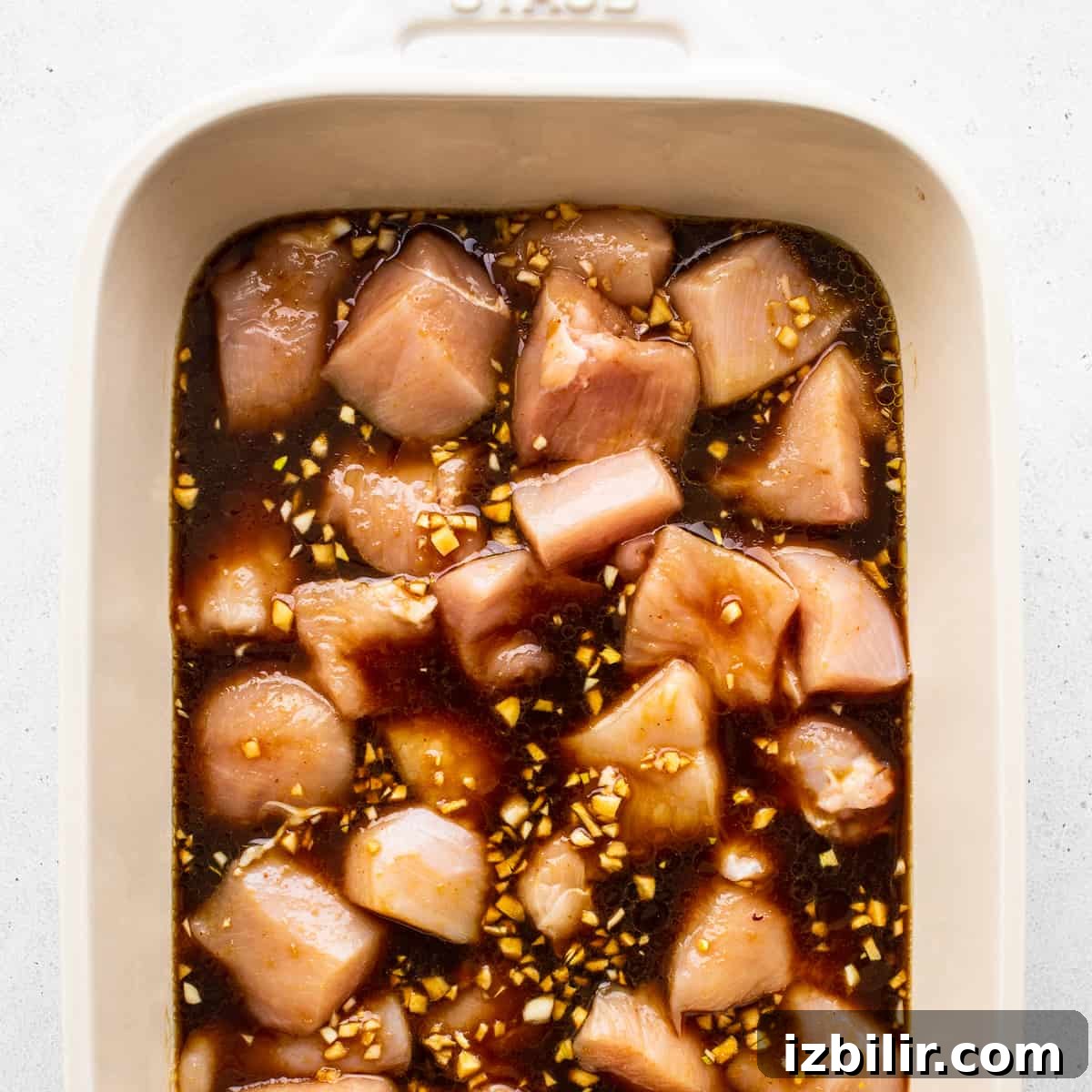
You’ll never reach for another chicken kabob marinade after trying this one. It makes both chicken and vegetables exceptionally tender, juicy, and full of flavor—perfect for weeknight grilling or weekend cookouts.
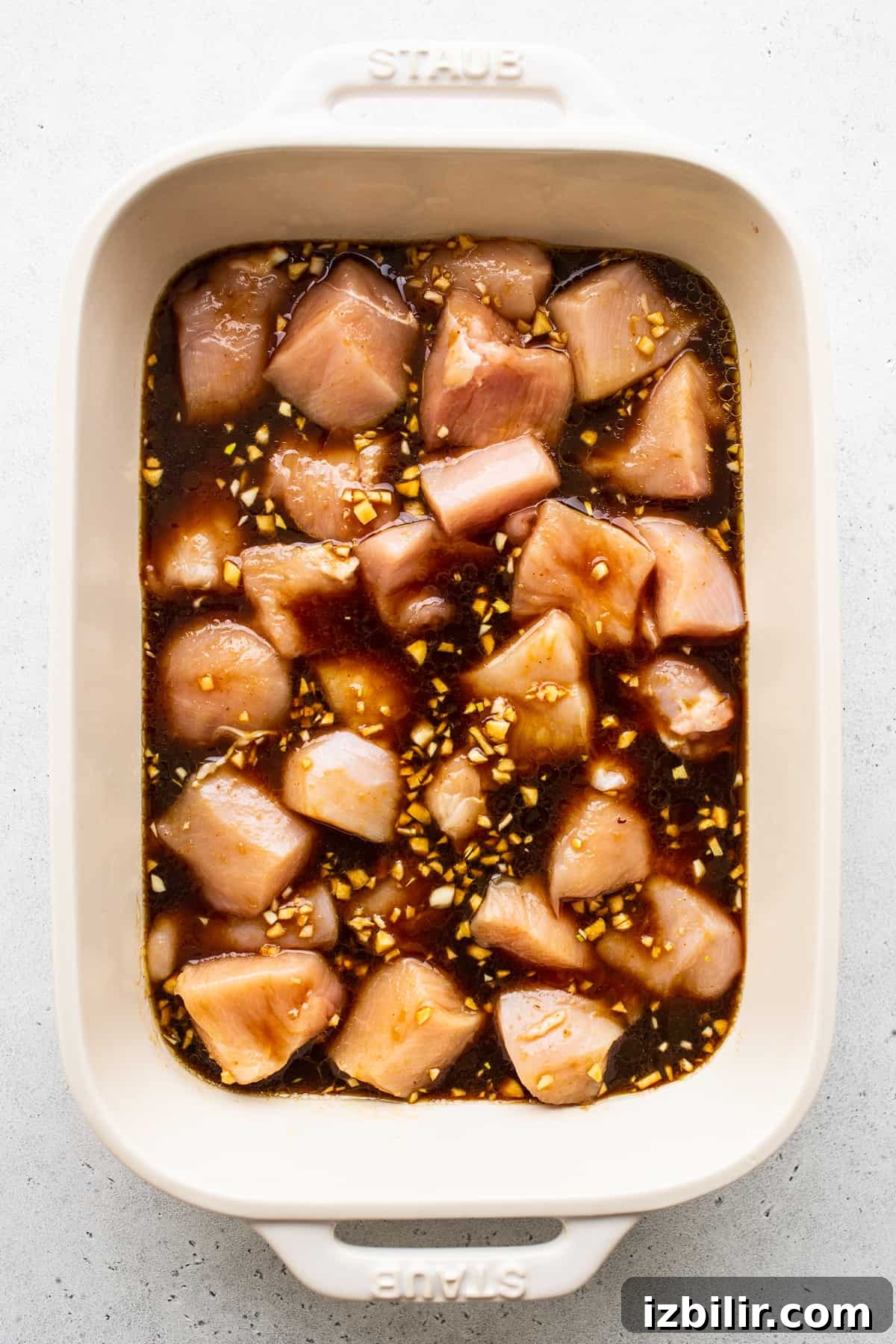
Best Marinade for Chicken Kabobs
Fresh, well-balanced marinades transform simple chicken kabobs into a juicy, crave-worthy meal. This recipe uses two separate marinades—one for the chicken and one for the vegetables—so each element gets the right treatment. Let the pieces sit briefly in their marinades and then grill until lightly charred for the best texture and taste.
Why marinate chicken kabobs?
A good marinade acts like a flavor bath, infusing each bite with savory, sweet, and bright notes while helping prevent the meat and vegetables from drying out over direct heat. Because kabob pieces are small, a short but effective soak is all you need.
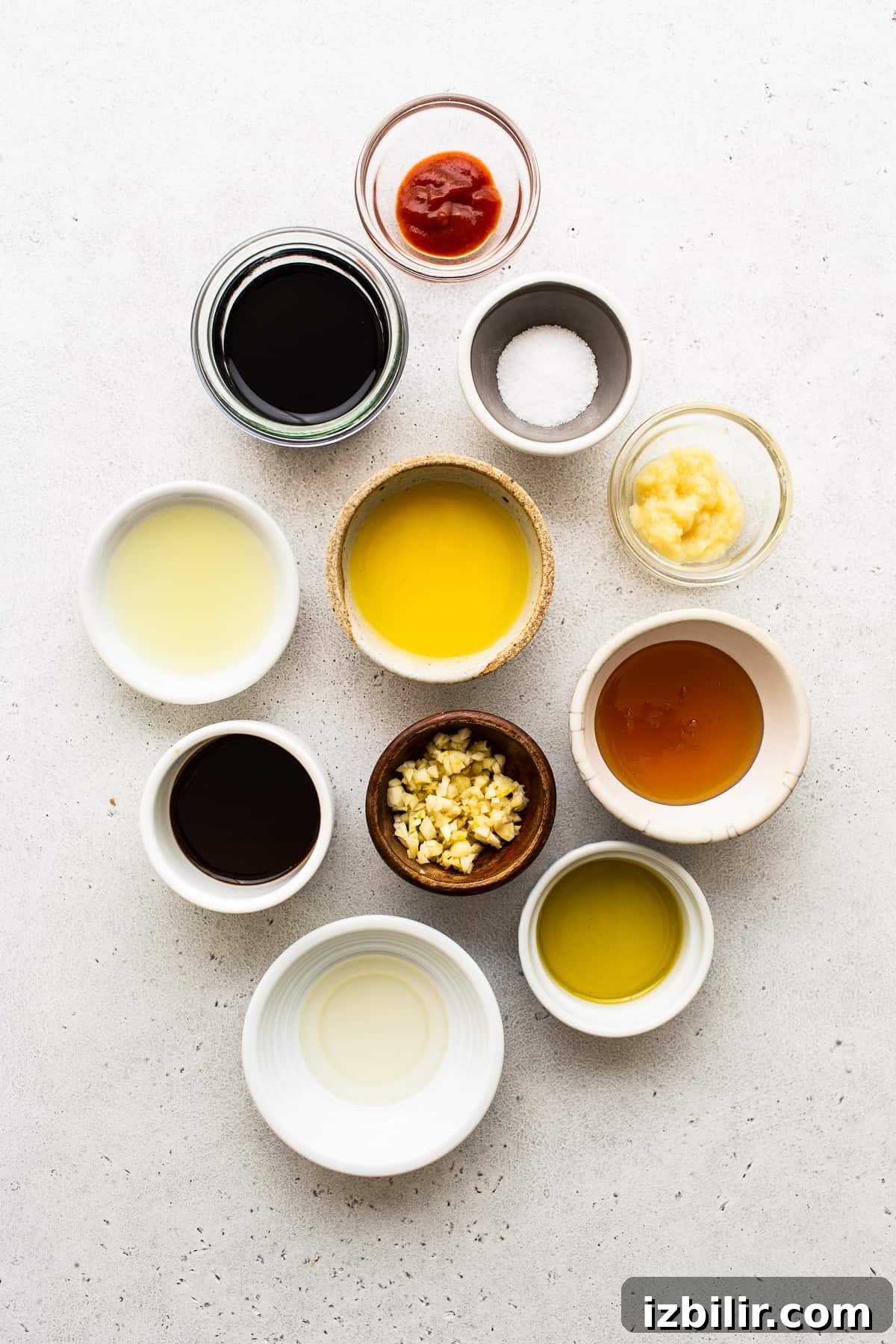
What you need
This recipe makes enough to serve 4 and is written with clear measurements so you can scale up or down. Two marinades — one for the chicken and one for the vegetables — ensure every element is seasoned and balanced.
Chicken Marinade (for 1.5 lbs chicken)
- 1.5 lbs boneless, skinless chicken breasts, cut into 1.5–2″ cubes
- 1/4 cup soy sauce
- 2 teaspoons Worcestershire sauce
- 1 tablespoon fresh lime juice
- 2 tablespoons orange juice
- 2 tablespoons honey
- 1 tablespoon minced garlic
- 2 teaspoons fresh grated ginger
- 1.5 teaspoons salt
- 1 tablespoon olive oil
- 1 teaspoon rice vinegar
- 1 teaspoon sriracha (optional)
Serving note: This amount of marinade is suited to about 1.5 pounds of chicken, which yields roughly 3–4 kabobs per person depending on skewer size and appetite.
Want more ideas?
Easy Variations
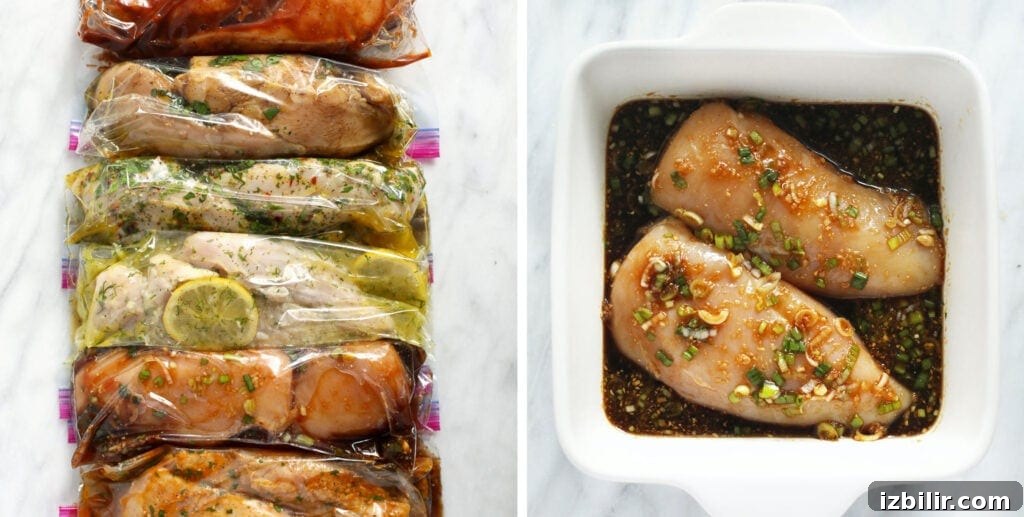
Try swapping citrus, herbs, or spices to create different flavor profiles: soy-sesame, honey-lime, or a garlic-herb blend all work great for kabobs.
Veggie Marinade
- 3 large bell peppers, cut into 1″ squares (use mixed colors)
- 1 medium purple onion, cut into 1″ squares
- 1 head garlic, cloves peeled
- 1 tablespoon olive oil
- 2 teaspoons sesame oil
- 1 tablespoon fresh lime juice
- 2 teaspoons minced garlic
- 1 teaspoon fresh grated ginger
- 1 teaspoon salt (separate as noted in instructions)
- 2 teaspoons rice vinegar
- 1 tablespoon fresh chopped cilantro
- 1 teaspoon honey
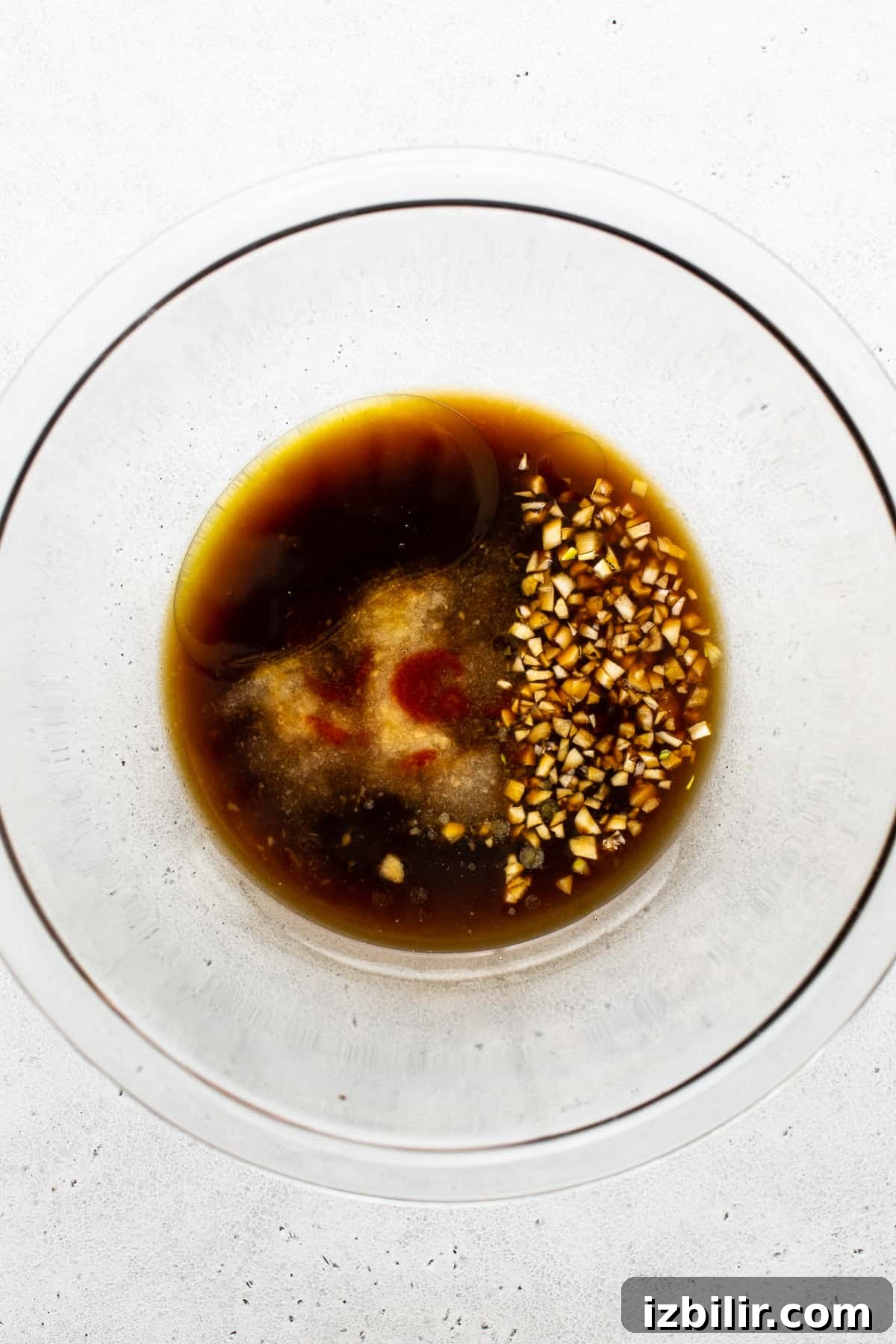
How long to marinate
For these kabobs we recommend marinating the chicken for at least 30 minutes and up to 2 hours. Because the pieces are small, long marinades aren’t necessary and may change texture if left too long. Vegetables can be tossed briefly in their marinade and set aside until skewering.
Do kabobs have to be marinated?
Marinating is optional, but highly recommended. A quick soak adds flavor and helps lock in moisture during grilling so your kabobs stay juicy instead of drying out over high heat.
Best chicken cut for kabobs
Use boneless, skinless chicken breasts or boneless skinless thighs. Breasts cook leaner and can dry if overcooked; thighs tolerate a bit more heat and remain forgiving.
What to serve with chicken kabobs
These kabobs are delicious on their own or paired with:
- Grilled potatoes wrapped in foil
- A crisp butter lettuce salad
- Grilled street-style corn
- Honey-glazed grilled carrots
Storage
Leftover prepared marinade should be discarded if it has contacted raw chicken. Any unused marinade that has not touched raw meat can be refrigerated for 5–7 days. Cooked kabobs keep in the refrigerator for 3–4 days and reheat well.
Marinade recipes notes
Using two marinades—one tailored for meat and one for vegetables—lets you balance flavors and textures. The chicken marinade leans savory-sweet with citrus and ginger, while the veggie marinade adds sesame and cilantro brightness.
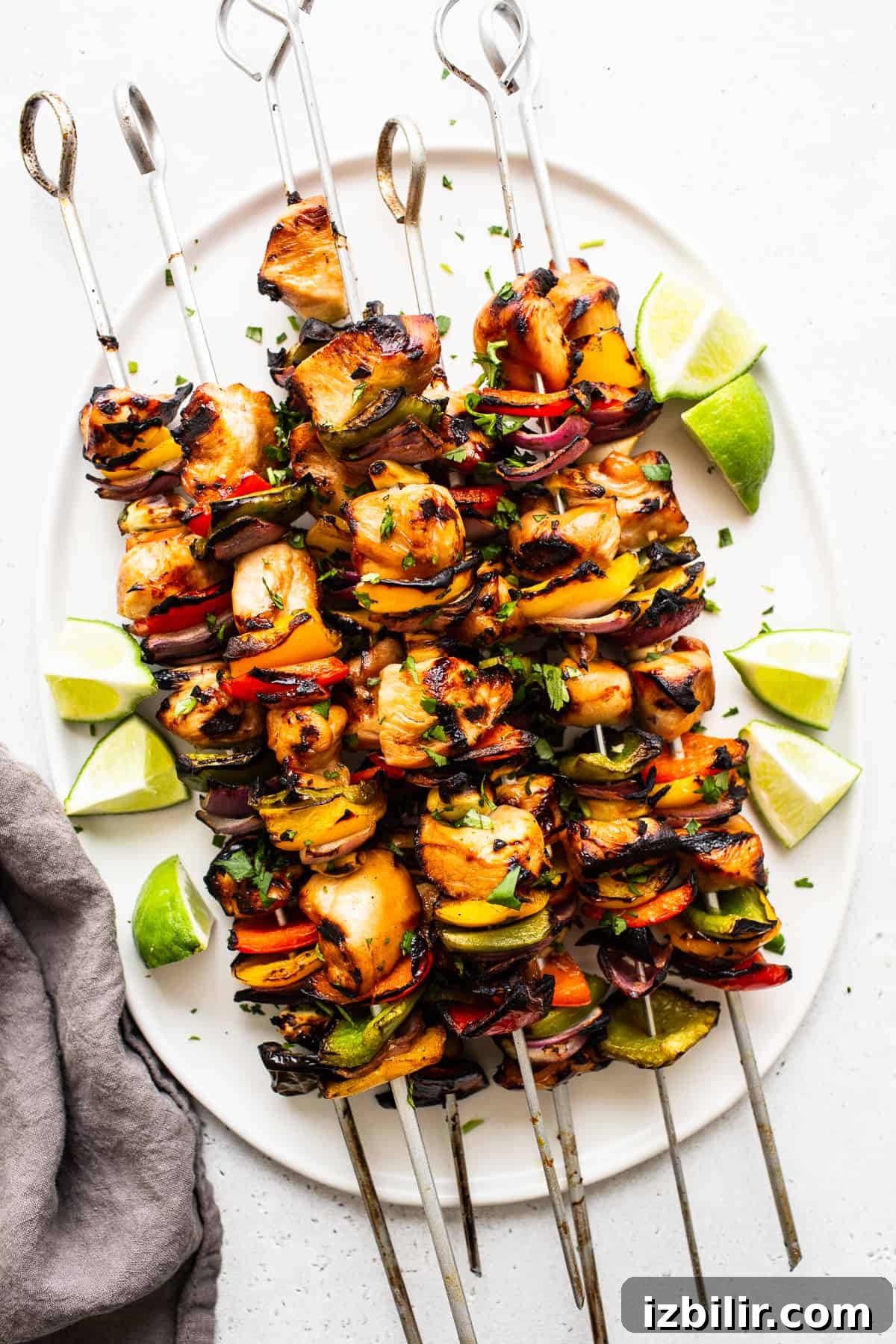
Rainbow Grilled Chicken Kabobs
Summary: Juicy, colorful kabobs made with a balanced chicken marinade and a bright veggie marinade. Marinate briefly, skewer, and grill to a light char.
By: Lee Funke
Prep: 1 hour (includes marinating) Cook: 30 minutes Total: 1 hr 30 mins Servings: 4
Ingredients (condensed)
- 1.5 lbs boneless skinless chicken breasts, cubed
- For the chicken marinade: soy sauce, Worcestershire sauce, lime juice, orange juice, honey, garlic, ginger, salt, olive oil, rice vinegar, sriracha (optional)
- For the veggies: bell peppers, purple onion, whole garlic cloves, olive oil, sesame oil, lime juice, garlic, ginger, salt, rice vinegar, cilantro, honey
- For serving: freshly squeezed lime juice and fresh cilantro
Instructions
- Slice chicken into 1.5–2″ cubes and place in a large bowl or gallon bag.
- Whisk together or shake in a jar: soy sauce, Worcestershire sauce, lime juice, orange juice, honey, minced garlic, grated ginger, salt, olive oil, rice vinegar, and sriracha if using. Pour over chicken, mix to coat, seal, and refrigerate 30 minutes to 2 hours.
- Prepare vegetables: cut peppers and onion into 1″ pieces and peel garlic cloves. Place in a bowl.
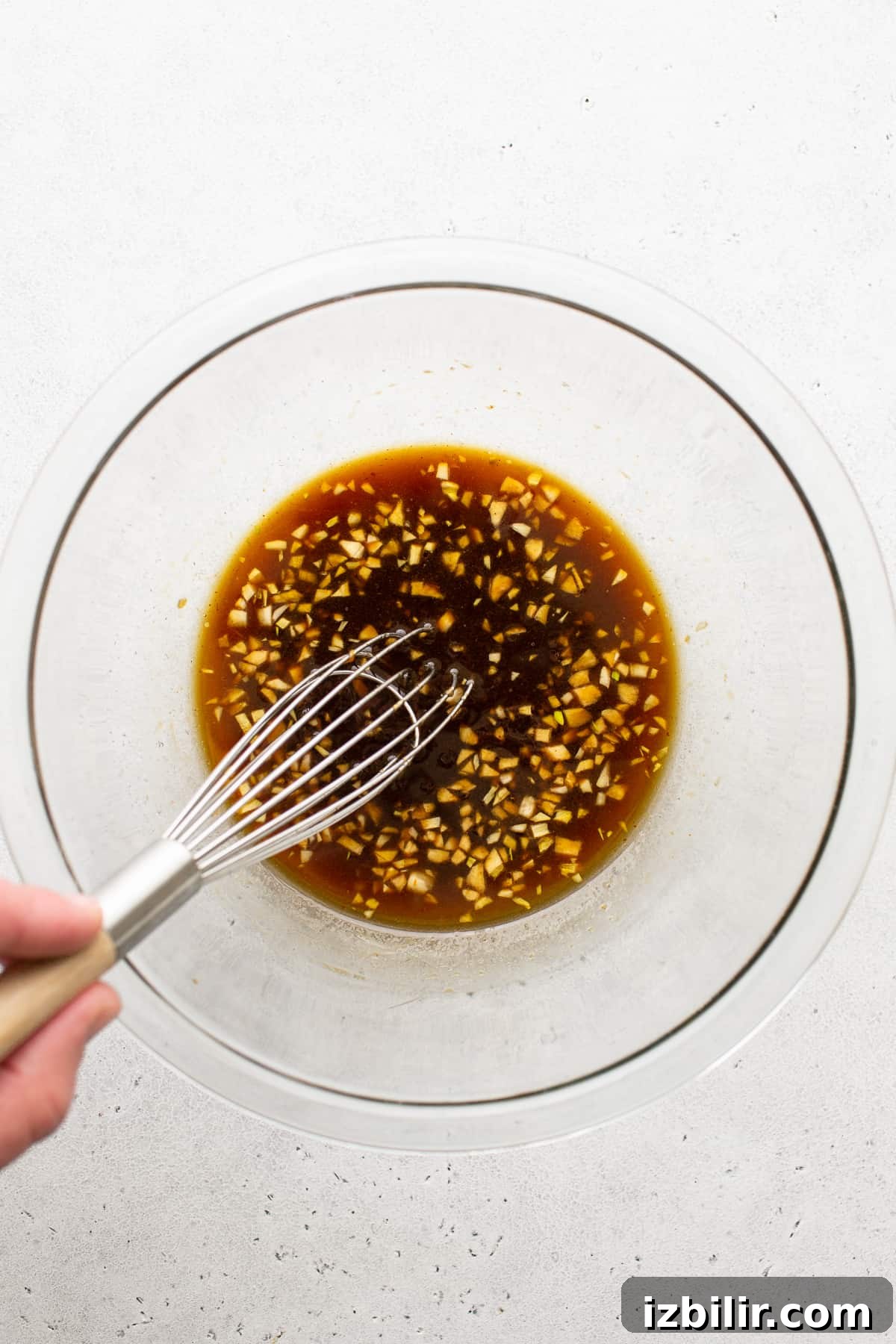
- Make the veggie marinade: combine olive oil, sesame oil, lime juice, minced garlic, grated ginger, salt, rice vinegar, chopped cilantro, and honey in a jar; shake and pour over vegetables, tossing to coat. Set aside until skewering.
- Preheat the grill to about 400°F (medium-high).
- Thread skewers with chicken pieces alternating with pepper, onion, and a garlic clove. Aim for 3–4 pieces of chicken per skewer so they cook evenly.
- Grill kabobs, turning every 5–7 minutes, for a total of 25–30 minutes, or until the chicken reaches an internal temperature of 165°F. Watch the veggies so they get charred but not burnt.
- Remove kabobs from the grill, let rest for 5 minutes, then finish with a squeeze of fresh lime juice and a sprinkle of chopped cilantro before serving.
Nutrition (approximate per serving)
Calories: 355 kcal, Carbohydrates: 23 g, Protein: 37 g, Fat: 14 g, Fiber: 2 g, Sugar: 16 g
Nutrition information is automatically calculated and should be used as an approximation.
If you try this recipe, leave a comment below and share how it turned out. Tag your photos with #fitfoodiefinds so others can see your creations.
Photography: photos used in this post were taken by Ashley McGlaughlin from The Edible Perspective.