
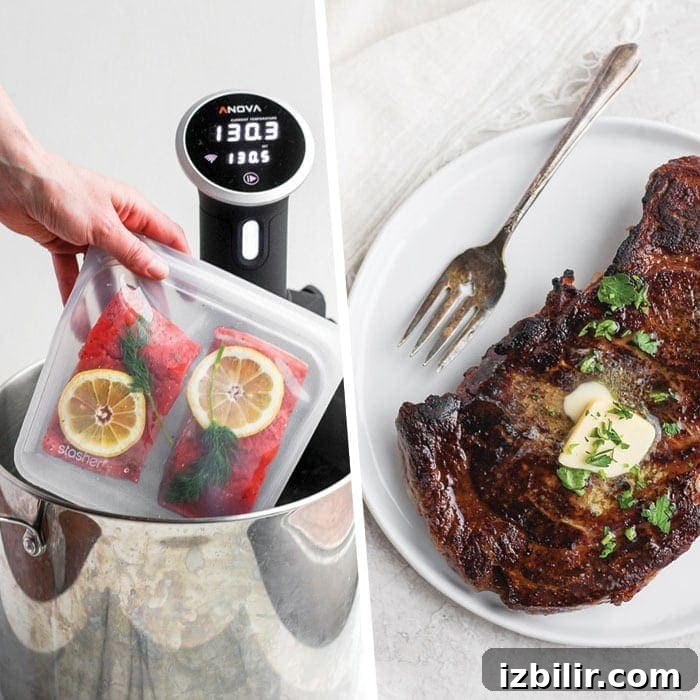
Wondering where to begin with sous vide cooking? This practical guide will get you started. Whether you’re a complete beginner or have tried a few sous vide meals, you’ll find tips, equipment recommendations, temperature guides, and recipe ideas to help you cook with confidence.
Sous vide is a gentle, precise cooking method that uses a controlled water bath to cook food to an exact temperature. Food is sealed in a bag or airtight container and cooked slowly at a set temperature so it never exceeds that target. The result is consistently cooked, tender, and moist meat, fish, and vegetables.
What is Sous Vide Cooking?
Sous vide (French for “under vacuum”) uses accurate temperature control to deliver consistent results. You set the water bath to the desired cooking temperature and the immersion circulator maintains that temperature until the food reaches the same heat throughout. This eliminates overcooking and preserves moisture and flavor.
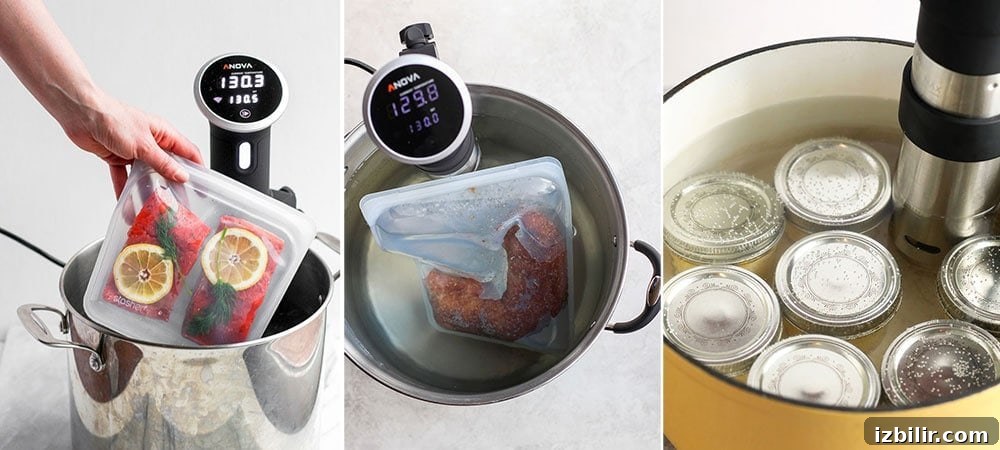
In practice: fill a large pot or container with water, attach an immersion circulator, program the target temperature, seal your food in a bag or jar, and place it in the bath. Think of it as a precise slow cooker that gives you exact doneness every time.
What is a Sous Vide?
An immersion circulator is the device that heats and circulates the water to a precise temperature. Most units are cylindrical with a clip to attach them to the side of a pot and a digital control for temperature and time. Set it to the desired temperature—say 140ºF for steak—and the circulator will hold the water at that temperature for as long as needed.
Recommended Sous Vide Devices
There are many reliable brands and models. Look for a unit with accurate temperature control, good circulation, and a durable clip. Many modern devices offer app connectivity that lets you monitor and control cooks from your phone.
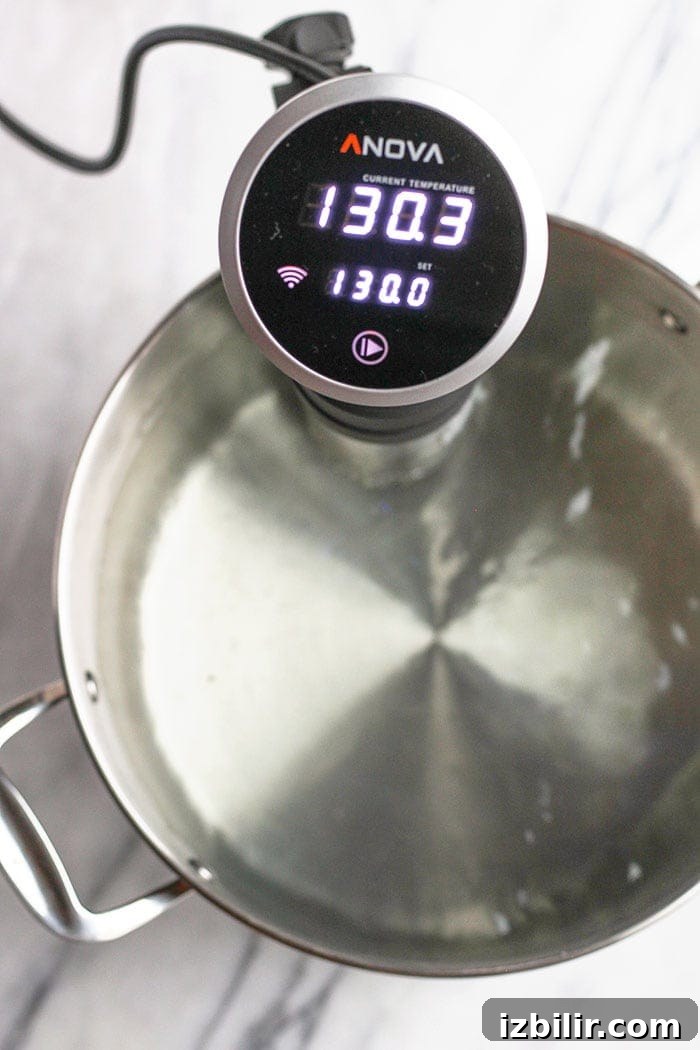
What You Need to Sous Vide
To get started you only need a few essentials. With the right tools and basic knowledge you’ll be set to try many sous vide recipes.
Basic equipment:
- An immersion circulator (sous vide device)
- A large pot or water container to hold the water bath
- Sealable bags, silicone bags, or jars to hold food
Useful Accessories
As you gain experience you may want additional tools to simplify longer cooks and keep things tidy.
Basics
- Large stock pot, a plastic container, cooler, or other vessel large enough to fully submerge sealed food
- Silicone bags or food-safe polyethylene bags suitable for cooking
- Mason jars for egg bites and other small items
For the Experienced Cook
- Bags or vessels designed for sous vide; double-bagging regular bags can reduce leaks for long cooks
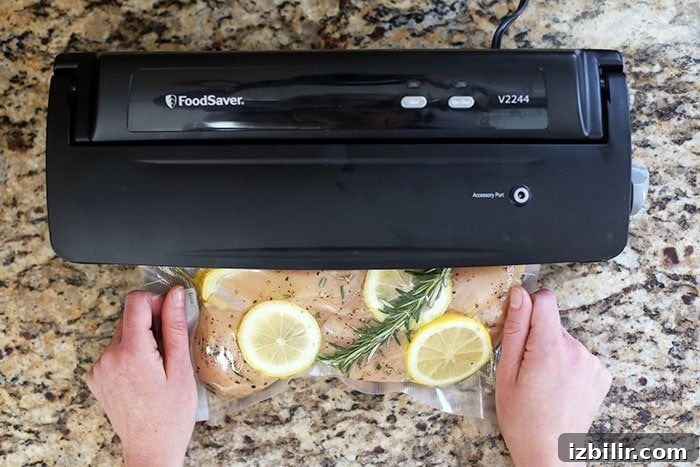
- Vacuum sealer and vacuum bags for a tight seal and improved water contact
- Clips to secure bags to the side of the pot so they stay submerged
- Floating covers or ping-pong balls to reduce evaporation during very long cooks
- A dedicated sous vide container with a lid to limit evaporation and heat loss
Food Sealing
Using a vacuum sealer streamlines the process by removing air and ensuring a tight seal. If you cook sous vide regularly, a vacuum sealer and good-quality bags are worth the investment. Silicone reusable bags and glass jars are excellent alternatives for many preparations.
Why Sous Vide Works So Well
- Reliable doneness: Because the food cannot exceed the set temperature, overcooking is largely eliminated.
- Convenience: A compact circulator and a pot are easy to transport for travel or vacation cooking.
- Exceptional tenderness: Long, low-temperature cooks break down connective tissue in tough cuts while preserving moisture.
What Can You Cook Sous Vide?
Sous vide is highly versatile. You can prepare meats, fish, eggs, vegetables, and even desserts. For beginners, meat and fish are great starting points because the results are noticeably superior.
Sous Vide Chicken
Chicken cooked sous vide is exceptionally juicy and tender—no more dry, chalky breast meat. Use dry rubs or fresh herbs rather than heavy marinades for clean, concentrated flavor.
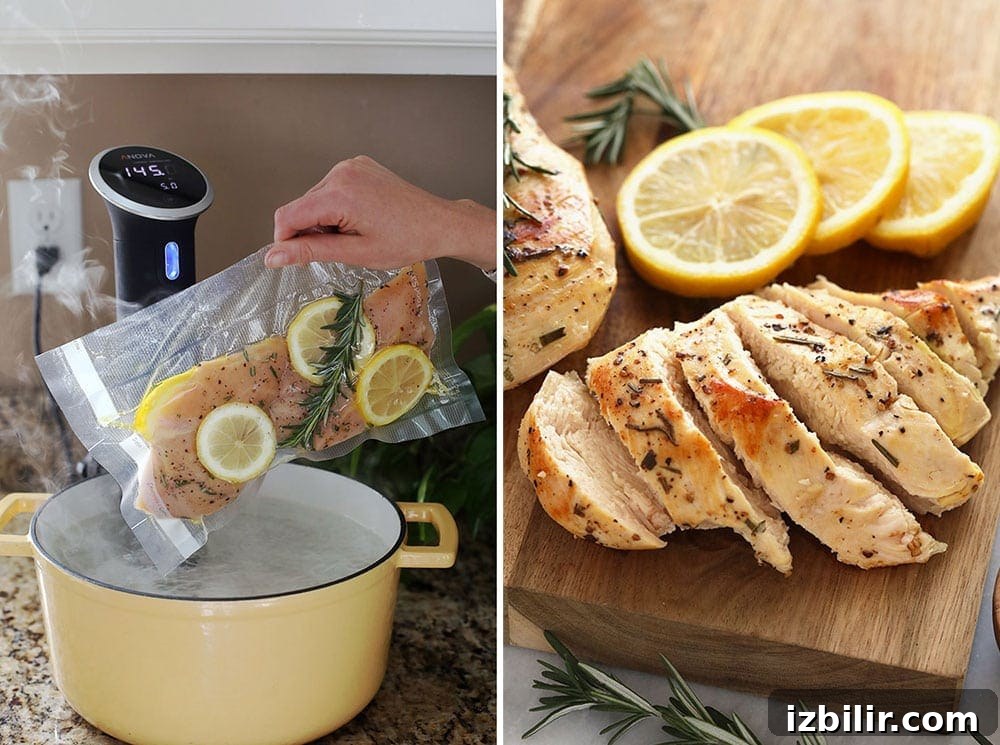
Cuts to Try
- Breast
- Thigh
- Wings
- Whole chicken pieces
Temperature Guide for Chicken
- Very tender and juicy: 140ºF
- Juicy and easy to shred: 150ºF
- Firm and still juicy: 160ºF
Sous Vide Beef
Steak is an ideal place to start with sous vide. It allows the entire steak to reach the desired doneness—edge to edge—so you don’t end up with a well-done exterior and a rare center.
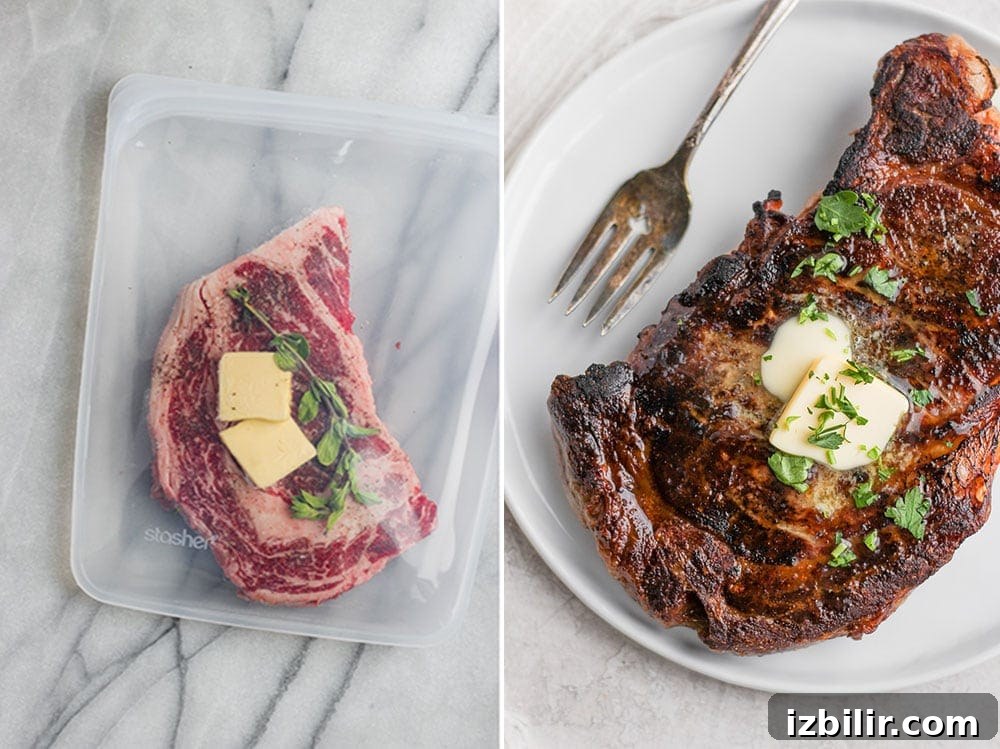
Cuts to Try
- Ribeye
- Filet mignon
- T-bone
- Flank steak
- Chuck roast for long cooks
Temperature Guide for Beef
- Rare: 130ºF (mostly pink and juicy)
- Medium rare: 140ºF (pink and tender)
- Medium: 155ºF (more cooked but still tender)
- Well done: 165ºF (no pink, firm)
Sous Vide Pork
Sous vide keeps pork tender and juicy and helps avoid dry, overcooked meat. Adjust your container size for large cuts like ribs or roasts.
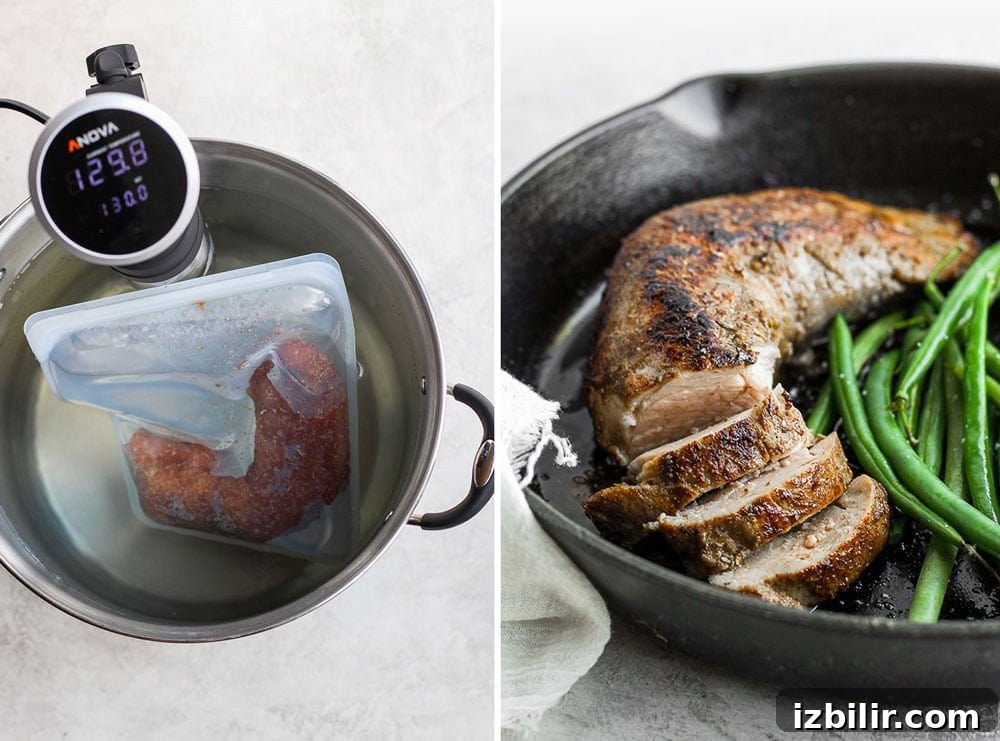
Cuts to Try
- Ribs
- Tenderloin
- Chops
- Roast
Temperature Guide for Pork
- Medium rare: 130ºF (pink, very juicy)
- Medium: 140ºF (firm and juicy)
- Well done: 150ºF (fully white and firm)
Sous Vide Salmon
Salmon cooks evenly in the sous vide and stays moist and flaky. Light citrus, fresh dill, and a little salt are classic pairings.
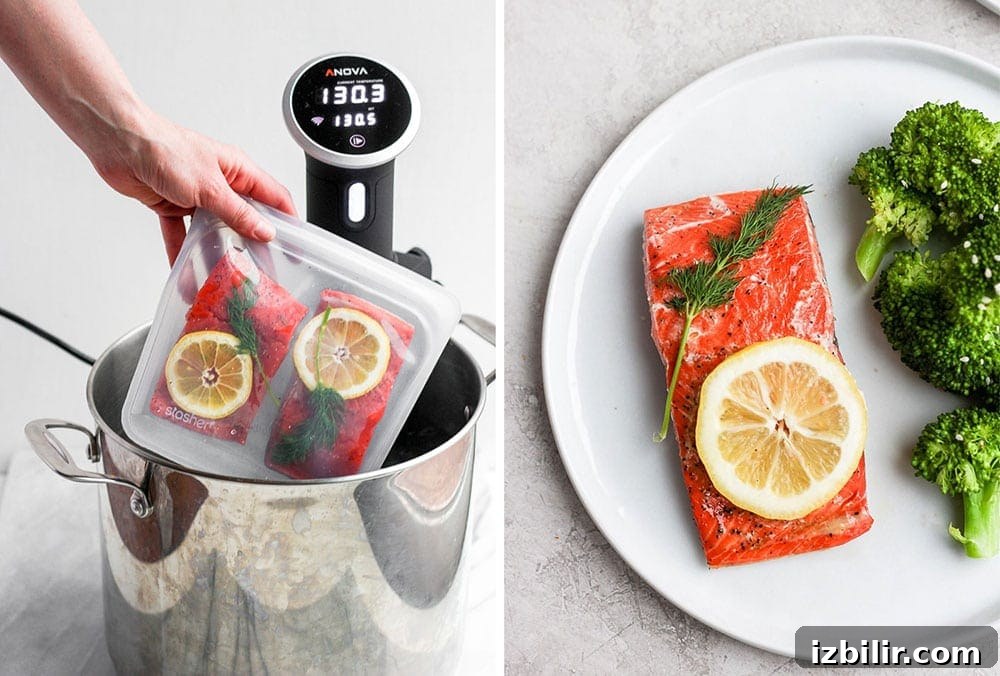
Temperature Guide for Salmon
- Pink and very moist: 110ºF
- Tender and flaky: 120ºF
- Flaky and firmer: 130ºF
To Sear or Not to Sear?
Sous vide gives perfect internal doneness, but it doesn’t brown the exterior. A quick sear before or after the bath creates the Maillard crust that many people expect on steaks and chops. Searing is optional but recommended when you want a browned, flavorful exterior—otherwise your food will still be cooked perfectly and taste great.
Common Questions About Sous Vide
Are zipper bags safe for sous vide? Use food-safe, BPA-free bags or silicone alternatives. Many cooks use quality plastic bags designed for cooking or vacuum-sealed bags.
Is sous vide worth it? For reliably perfect results and tender texture, many home cooks think yes—especially for proteins and delicate items.
Can you overcook with sous vide? It’s unlikely to overcook in the traditional sense if temperature and time are correct, but very long cooks can change texture or make food soft. Follow trusted recipes for best results.
How safe is sous vide? Sous vide is safe when you follow the device manual and recommended temperature/time guidelines. Read your circulator’s instructions before use.
How long does it take to heat up? Heating time depends on water volume and target temperature; expect roughly 15–30 minutes for most home setups.
Can you cook without a circulator? It’s possible to approximate sous vide by carefully monitoring water temperature, but a dedicated immersion circulator is much more reliable and user-friendly.
Can you cook frozen foods? Yes, frozen foods can be cooked sous vide, though thawing first often yields more consistent results.
Healthy Sous Vide Recipe Ideas
- Sous vide chicken breast
- Cheesy sous vide egg bites
- Sous vide turkey
With a few simple tools and a little practice, sous vide can transform how you cook. Start with a straightforward cut of meat or fish, follow temperature guidelines, and enjoy perfectly cooked meals every time.