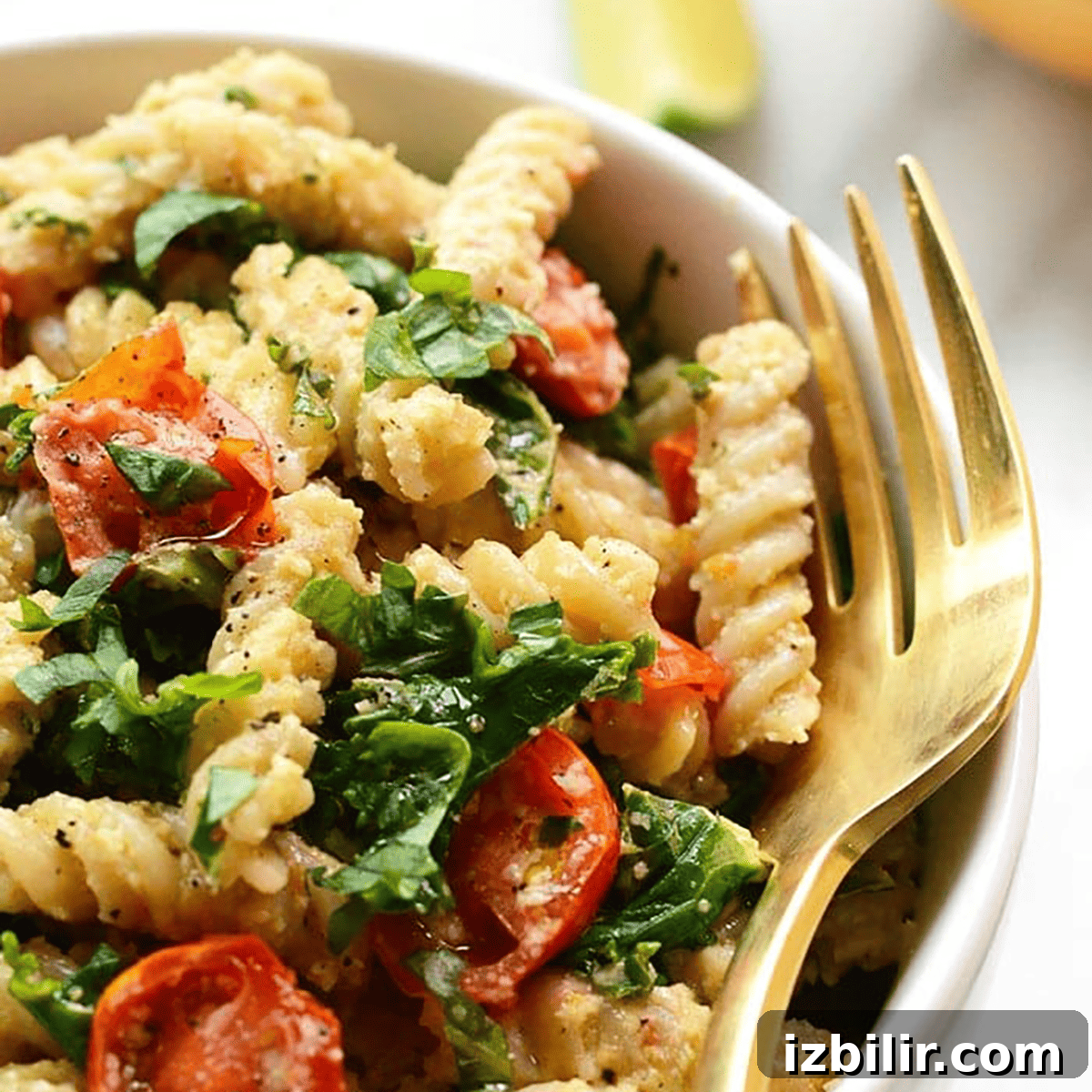
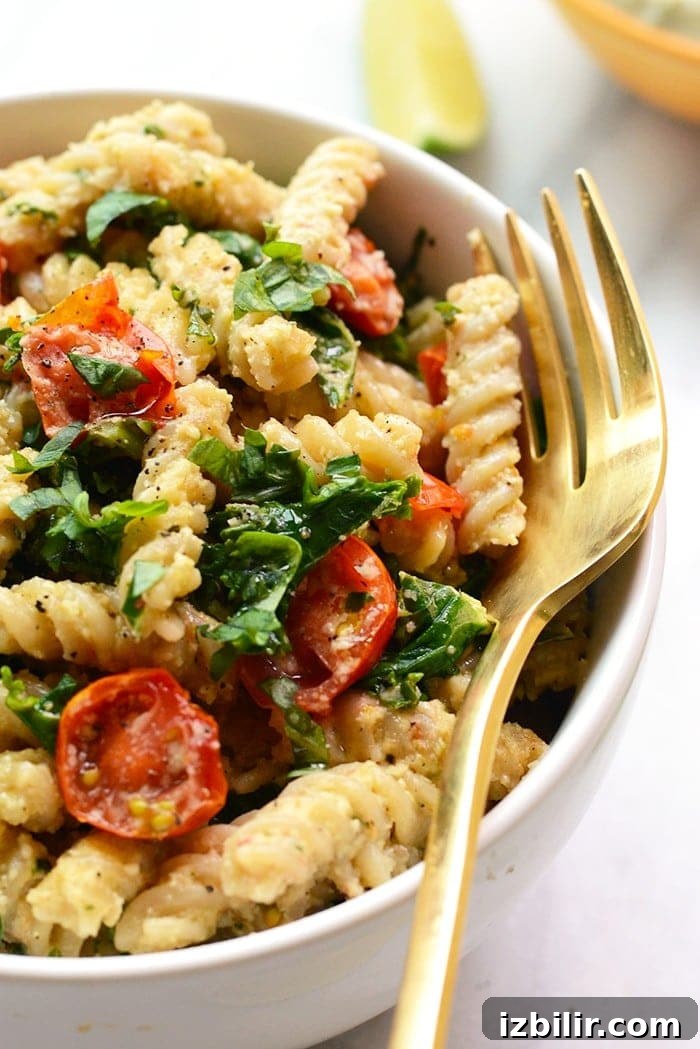
If you haven’t tried a creamy cashew pasta sauce, this recipe is an ideal place to start. Soften raw cashews and blend them with olive oil, water, garlic, and a little salt to make a silky, dairy-free sauce that coats pasta beautifully. This versatile vegan sauce pairs perfectly with sautéed kale and cherry tomatoes, but it works with any vegetables and pasta shapes you prefer.
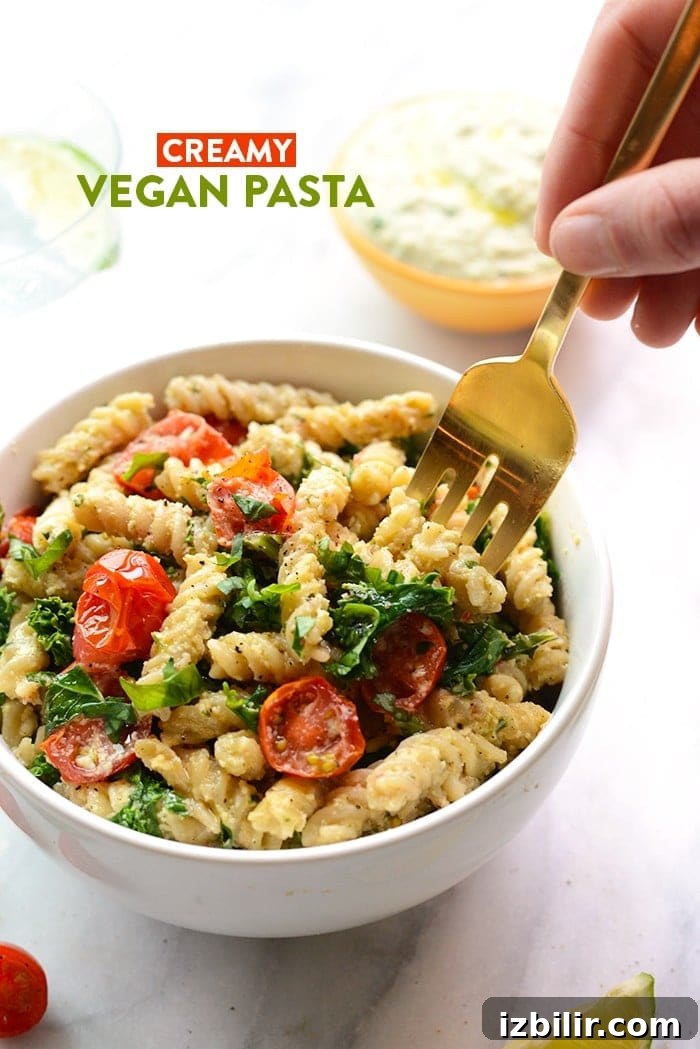
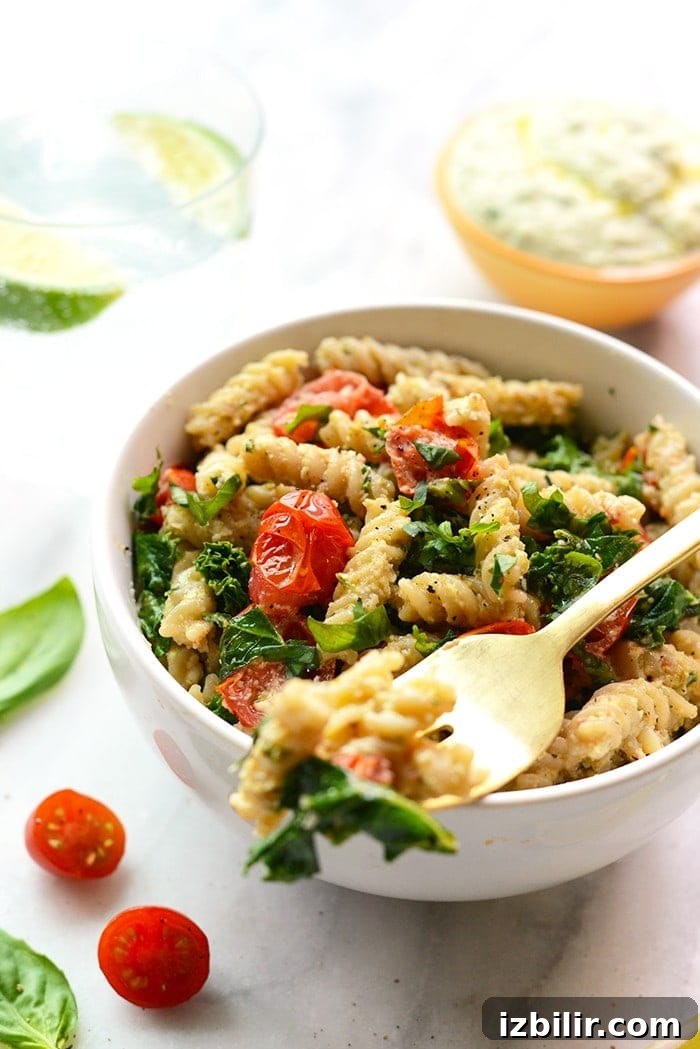
This creamy cashew pasta is similar to other cashew-based sauces—rich, nutty, and very easy to make. The most important step is ensuring the cashews are fully softened before blending; that’s what gives the sauce its smooth, luxurious texture. Use fusilli, spaghetti, penne, or any pasta you love. Serve with a sprinkle of fresh basil, extra cracked pepper, or a pinch of red pepper flakes for warmth.
What You Need for this Cashew Pasta Recipe
- Raw cashews: Plain, unsalted cashews are best for flavor and consistency.
- Kale: Fresh kale works well here, but you can swap in spinach, green beans, or other greens.
- Cherry tomatoes: Halved cherry tomatoes add sweetness and brightness.
- Fresh basil: Adds color and a fresh herb note to the sauce.
- Pasta: Any shape is fine—fusilli, spaghetti, penne, or legume-based pastas all work.
- Blender or food processor: A high-speed blender (like a Vitamix) or a food processor will give the smoothest sauce.
How to Quickly Soften Cashews
The fastest reliable method is to pour boiling water over the cashews and let them soak. Ideally soak at least 4 hours; overnight is best for the creamiest result. Strain and rinse before blending.
Variations and Substitutions
- Extra protein: Add cooked chicken, sautéed shrimp, or a drained can of garbanzo beans added to the pan with the vegetables.
- Pasta alternatives: Chickpea, red lentil, whole wheat, or gluten-free pastas are all great options.
- Tomato swap: Use sun-dried tomatoes or roasted red peppers in place of fresh cherry tomatoes for a different flavor profile.
- Greens swap: Spinach, Swiss chard, or green beans will also be tasty and reduce cooking time.
Tips
- Soak the cashews long enough and blend until completely smooth for a truly creamy sauce.
- If you don’t have a food processor, a blender will work—scrape and pulse as needed.
- Reserve a little pasta cooking water; adding a splash helps thin the sauce and improve coating.
- Top with red pepper flakes for heat, or add lemon zest for brightness.
Storage + Freezer Directions
Store leftovers in an airtight container in the refrigerator for up to 4 days. This dairy-free pasta freezes well—freeze for up to 2 months. Thaw overnight in the fridge before reheating.
How to Reheat This Vegan Pasta Recipe
Gently reheat on the stove over medium heat in a small pot or skillet. Add a splash of water or reserved pasta water to loosen the sauce as it warms. Stir frequently to prevent sticking and to restore creaminess.
Serving Suggestions
Serve with crusty bread and a fresh green salad. Garnish with extra basil and a sprinkle of vegan parmesan or toasted pine nuts for crunch. A little lemon juice or zest brightens the dish right before serving.
Creamy Cashew Pasta with Tomatoes and Kale
By: Lee Funke
Prep: soak cashews at least 4 hours (overnight recommended). Cook time: about 30 minutes. Total time: soak time plus 30 minutes. Servings: 4.
Ingredients
Cashew Pasta Sauce
- 1 cup raw cashews, soaked*
- 1/4 cup olive oil
- 1/4 cup water (plus more to thin if needed)
- 1 tablespoon minced garlic
- 1/4 teaspoon sea salt
- 1 cup fresh basil
Pasta
- 2 cups packed kale, stems removed
- 1 cup cherry tomatoes, halved
- 2 tablespoons olive oil
- Salt and pepper to taste
- 8 oz (about 225 g) pasta of choice
Instructions
- Soften the cashews: Bring about 4 cups of water to a boil. Pour the boiling water over the cashews in a heatproof bowl and let them soak for at least 4 hours, or overnight for best results. Drain and rinse before using.
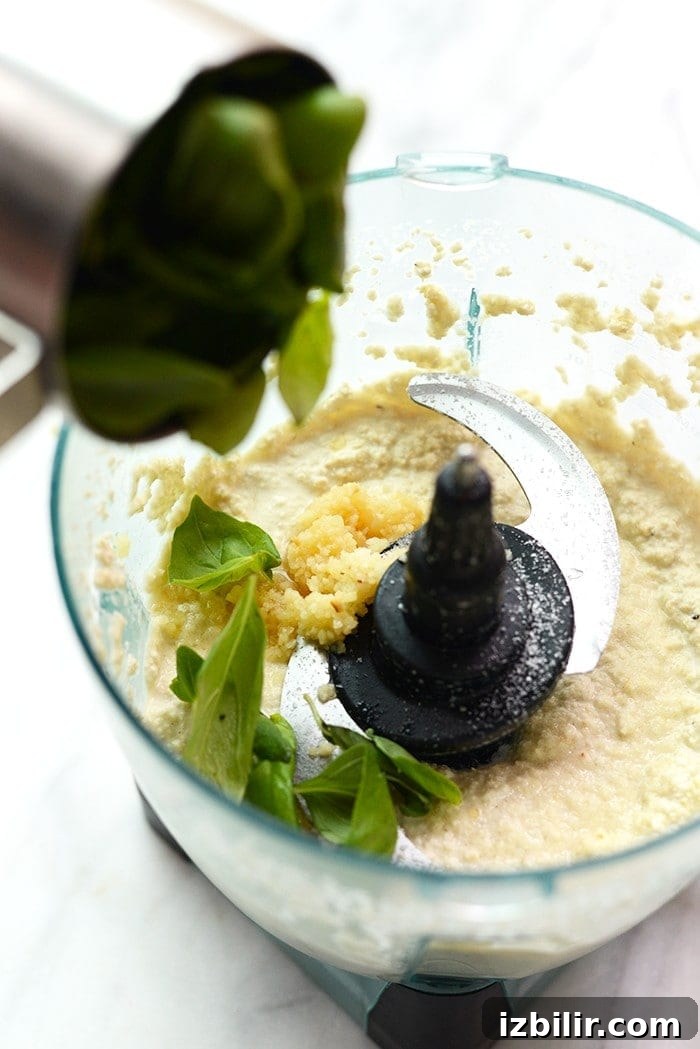
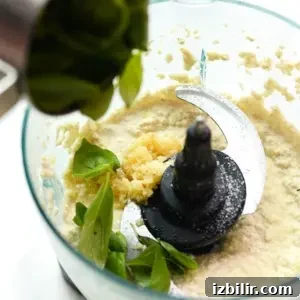
- Make the sauce: In a high-speed blender or food processor, combine the soaked cashews, 1/4 cup olive oil, 1/4 cup water, minced garlic, 1/4 teaspoon sea salt, and the cup of fresh basil. Blend on high for 2–3 minutes, stopping to scrape the sides as needed, until completely smooth. If the sauce is too thick, add additional water, one tablespoon at a time, until you reach the desired consistency. Set aside.
- Cook the pasta: Prepare pasta according to package directions. Reserve a cup of pasta water before draining in case you want to loosen the sauce later.
- Sauté the vegetables: Heat 2 tablespoons olive oil in a skillet over medium-high heat. Add the kale and cherry tomatoes and sauté for a few minutes until the kale reaches your preferred tenderness and the tomatoes are slightly softened. Season with salt and pepper.
- Combine: Toss the drained pasta with the sautéed vegetables, then stir in the cashew sauce. Add reserved pasta water a little at a time if you want a thinner, creamier coating. Serve immediately.
Tips & Notes
- Soaking the cashews long enough is essential—short soaking will leave the sauce gritty instead of silky.
- A high-speed blender produces the creamiest result; if using a regular blender, blend longer and scrape often.
- Use reserved pasta water to adjust sauce texture and help it cling to the noodles.
- Add a pinch of red pepper flakes for spice or a squeeze of lemon for acidity.
Nutrition
Calories: 584 kcal | Carbohydrates: 54 g | Protein: 14 g | Fat: 36 g | Fiber: 4 g | Sugar: 4 g
Nutrition information is automatically calculated and should be used as an approximation.