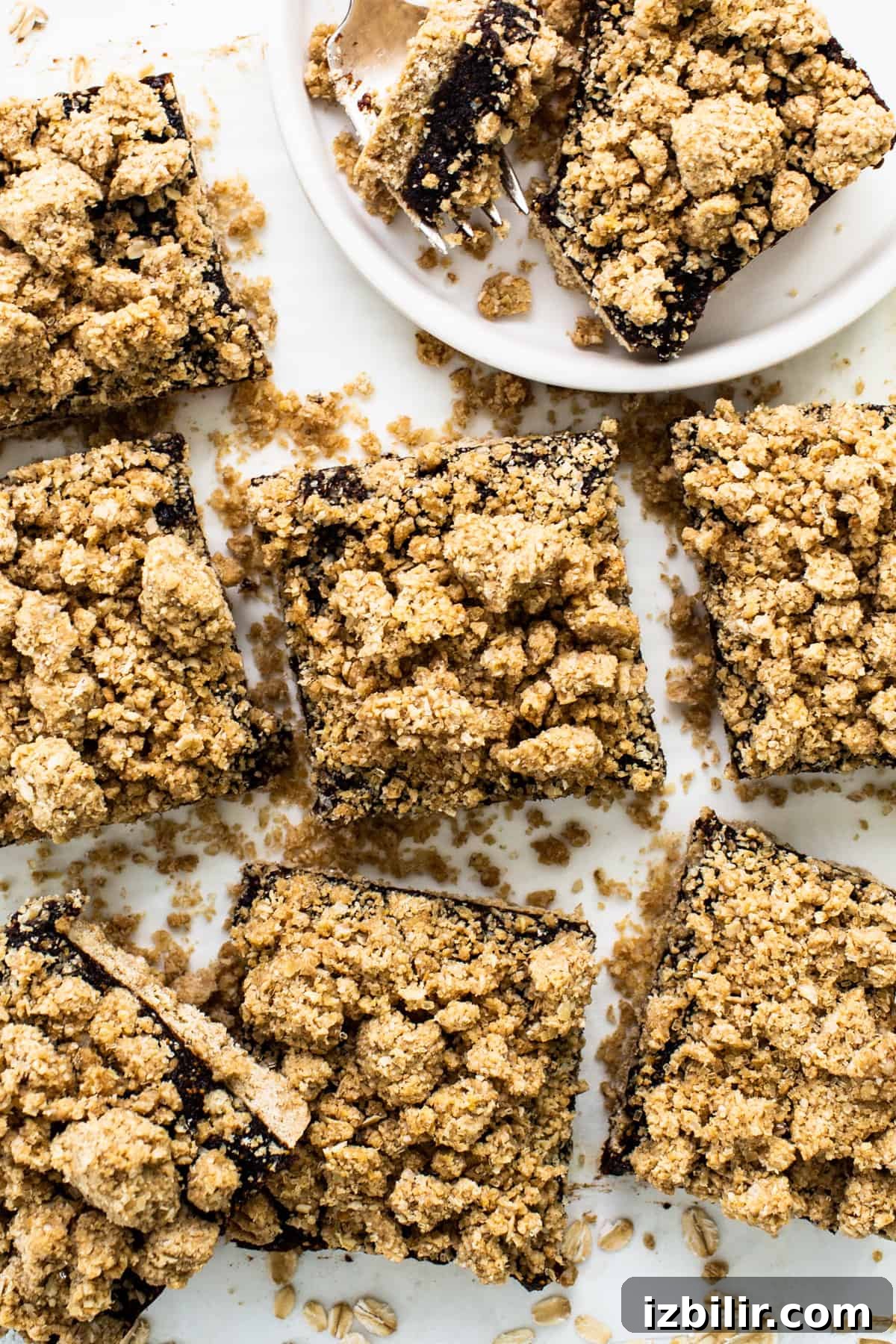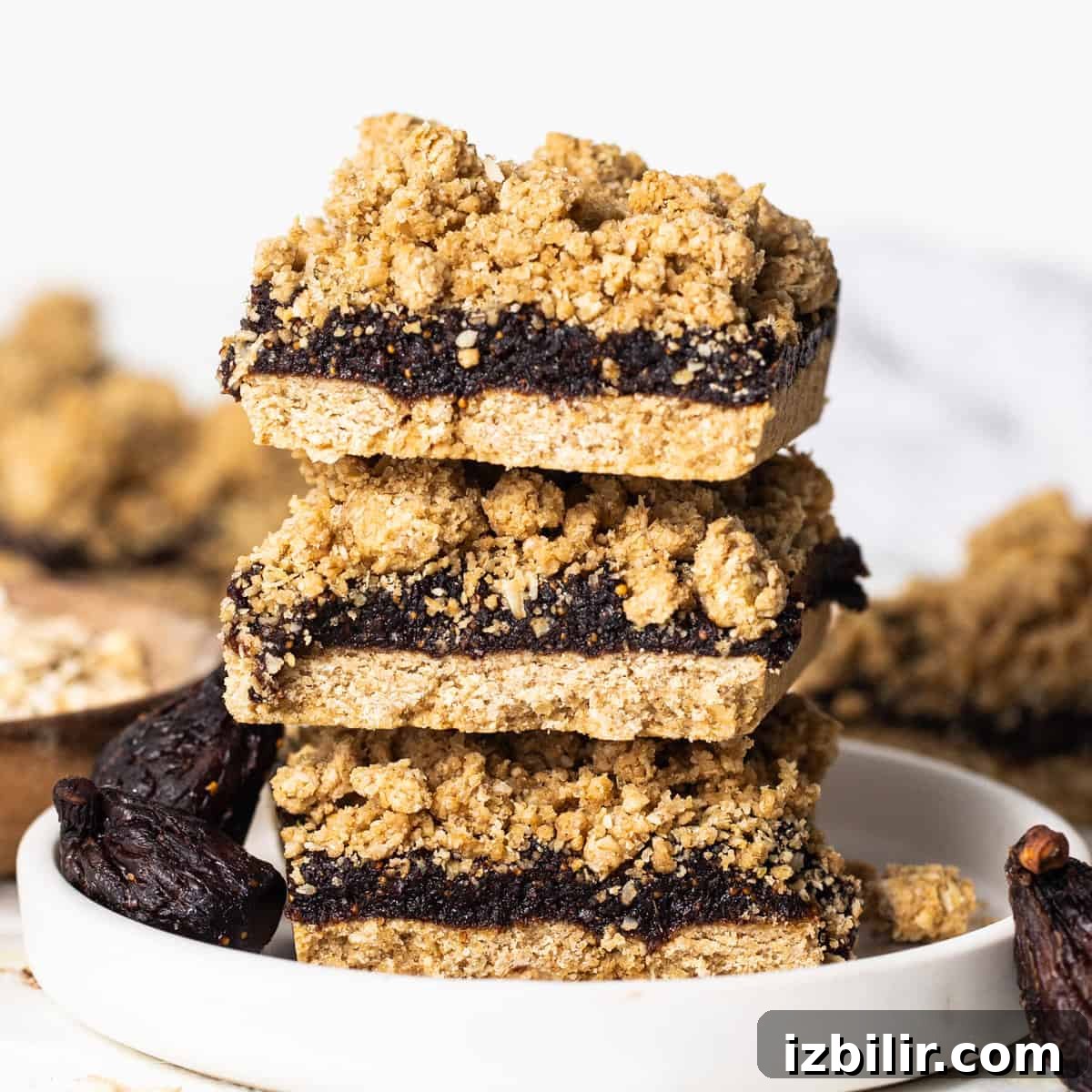
These Oatmeal Crumble Fig Bars are a delicious, better-for-you snack that work for breakfast, lunchboxes, or a simple dessert. A soft fig and maple filling sits between a chewy oatmeal crust and a crunchy crumble topping for a treat reminiscent of a Fig Newton with a homey oat-bar texture. They’re simple to make, kid-approved, and ideal for batch baking.
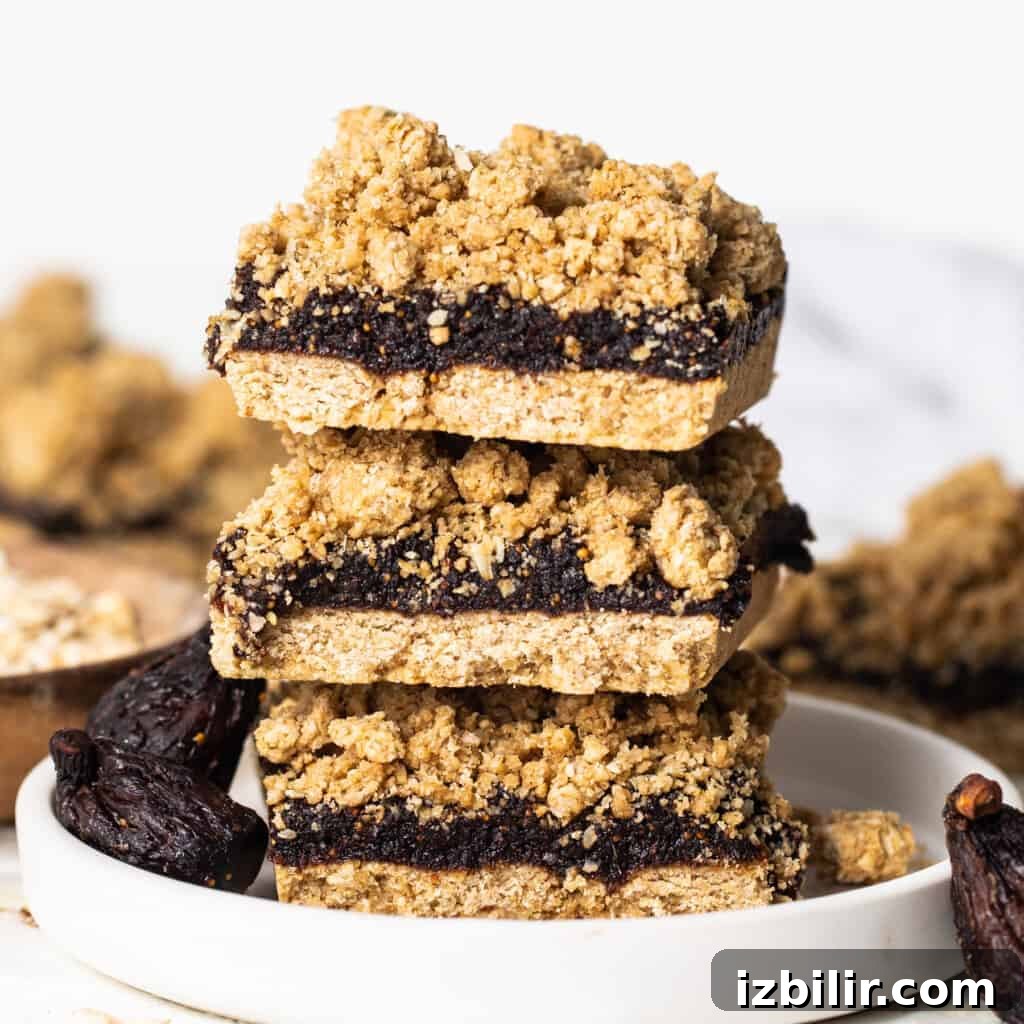
The recipe requires softening dried figs, preparing an oat-based crust that doubles as the topping, blending the filling until smooth, and baking until the edges are golden. The result is a portable bar that slices easily once cooled and holds up well for make-ahead snacks or gatherings.
What You Need to Make Oatmeal Fig Crumble Bars
- Dried mission figs: the primary flavor component; use stems removed and roughly chopped if needed.
- Maple syrup: a natural sweetener that complements figs; you can substitute raw honey if preferred.
- Old-fashioned rolled oats: provide a hearty, chewy texture for both crust and topping.
- White whole wheat flour: gives structure while keeping things a bit lighter than all-purpose.
- Ground cinnamon: a warm spice that pairs beautifully with fig and maple.
- Egg: binds the oat mixture so it holds together when baked.
- Coconut oil: melted to add moisture and a subtle richness; swap with avocado or light olive oil if desired.
- Vanilla extract and sea salt: brighten and balance the sweetness.
- Turbinado sugar (optional): sprinkle on top before baking for extra crunch and sparkle.
Variations and Substitutions
- Swap maple syrup for raw honey if you prefer that flavor profile.
- Use avocado oil or light olive oil instead of coconut oil; texture will change slightly.
- Replace white whole wheat flour with all-purpose flour, almond flour, or another flour for a different texture or to meet dietary needs.
- Add chopped walnuts or pecans to the oat mixture for an extra crunchy layer.
- If you can’t find dried mission figs, Turkish, Calimyrna, or Kadota dried figs are suitable alternatives—just be mindful of sweetness and moisture differences.
Why use dried figs?
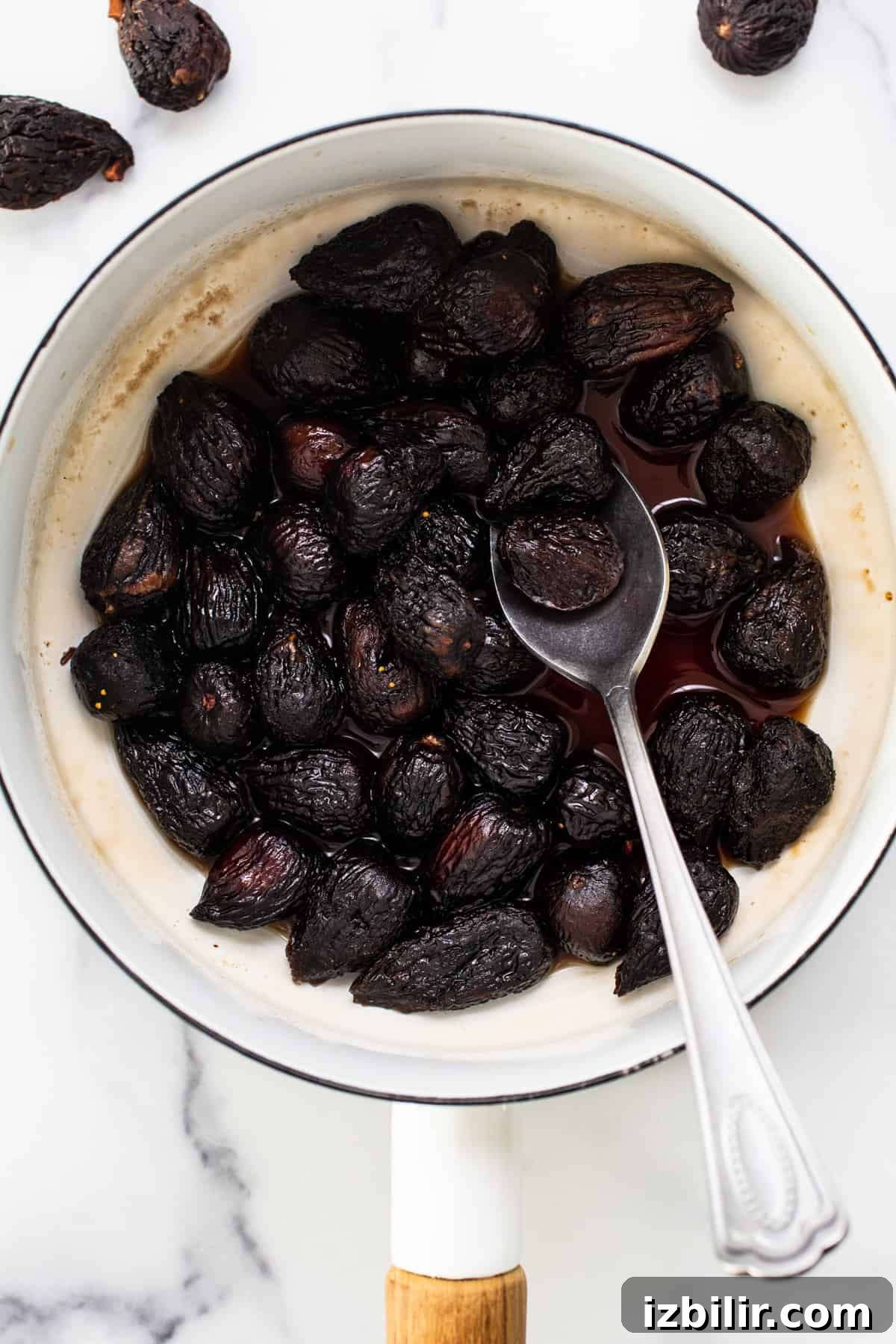
Dried figs concentrate fig flavor and reduce excess moisture that could make the bars soggy. They soften readily when gently simmered with water and a splash of maple syrup, which creates a smooth, spreadable filling after processing. Fresh figs can be used in some cooked desserts, but for bar recipes the dried variety produces better texture and shelf stability.
Can homemade fig bars be made ahead?
Yes. These bars are make-ahead friendly. Bake them up to three days in advance and store at room temperature in an airtight container for the first few days. For longer storage, refrigerate or freeze single portions so you can thaw and enjoy later.
Storage and Freezer Directions
Store leftover bars in an airtight container at room temperature for up to 3 days. After that, keep them refrigerated to extend freshness. To freeze, cut into single servings, separate layers with parchment paper, and place in a freezer-safe bag or container for up to 3 months. Thaw at room temperature or briefly warm in the oven or microwave before serving.
Recipe Summary
- Prep time: 30 minutes
- Cook time: 22 minutes
- Total time: 52 minutes
- Yield: 12 bars
Ingredients
Filling
- 10 oz dried mission figs, stems removed
- 1/4 tablespoon maple syrup
- 1/2 cup water
- 1 teaspoon vanilla extract
- 1/2 teaspoon sea salt
Crust and Topping
- 2 cups old-fashioned rolled oats
- 1.5 cups white whole wheat flour
- 1 teaspoon baking powder
- 1/2 teaspoon ground cinnamon
- 1/2 cup maple syrup
- 1/3 cup melted coconut oil
- 2 teaspoons vanilla extract
- 1 large egg
Optional
- 1 tablespoon turbinado sugar for sprinkling
Instructions
- Preheat the oven to 375°F (190°C). Line an 8×8-inch square pan with parchment paper and set aside.
- Soften the figs: place the dried figs, maple syrup, water, vanilla, and salt in a small saucepan. Bring to a gentle simmer over medium heat, then reduce to low and cook 5 minutes. Remove from heat and allow to cool slightly.
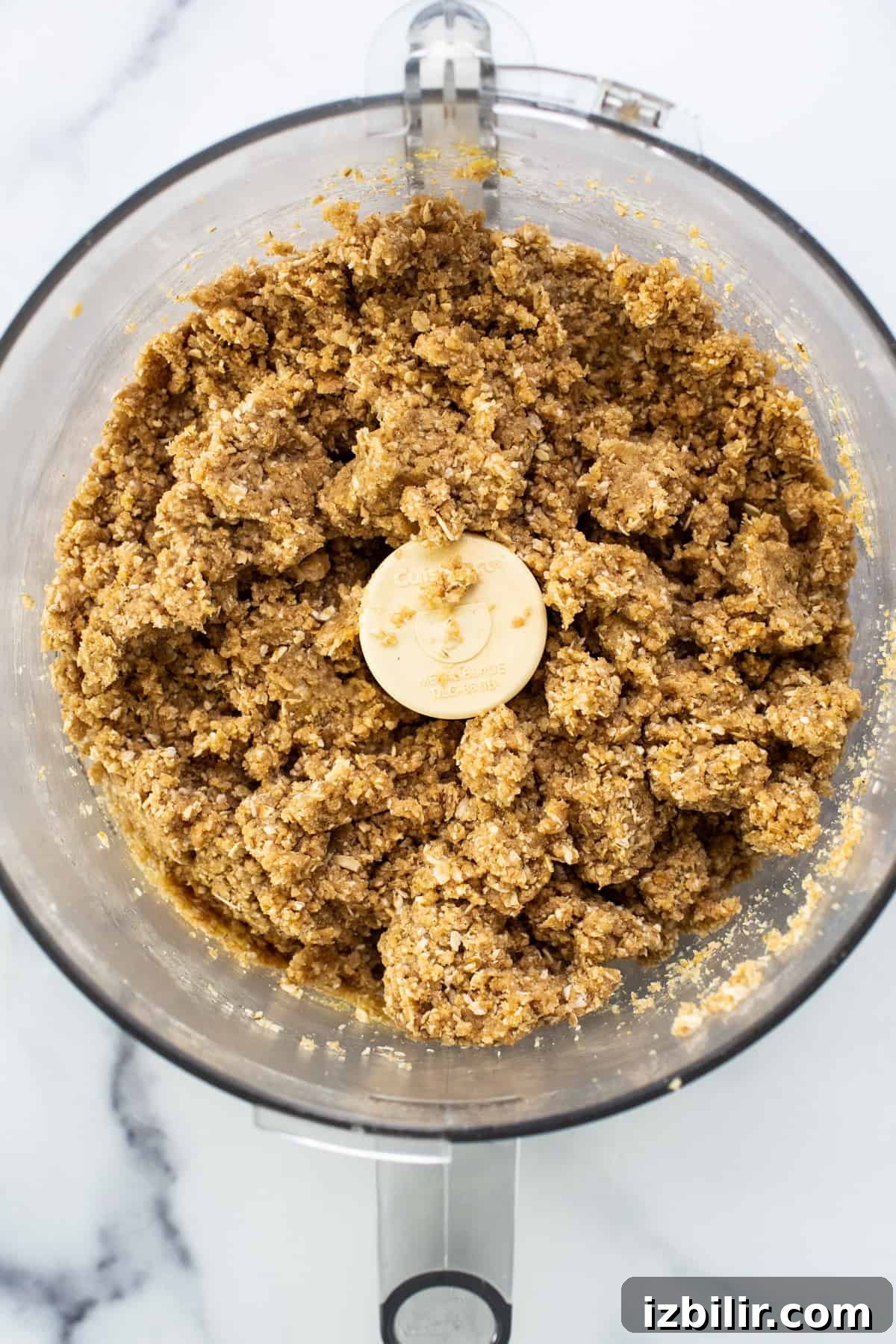
- Make the oat crust and topping: in a food processor, combine the oats, flour, baking powder, and cinnamon until evenly mixed.
- Add the 1/2 cup maple syrup, melted coconut oil, and 2 teaspoons vanilla to the oat-flour mixture. Process 2–3 minutes until combined. Scrape the sides as needed, then add the egg and pulse briefly until fully incorporated.
- Reserve about two-thirds of the oat mixture and press it evenly into the bottom of the prepared pan, using a spatula to press firmly.
- Finish the filling: transfer the fig mixture (including any liquid) to the food processor and blend on high until smooth and spreadable.
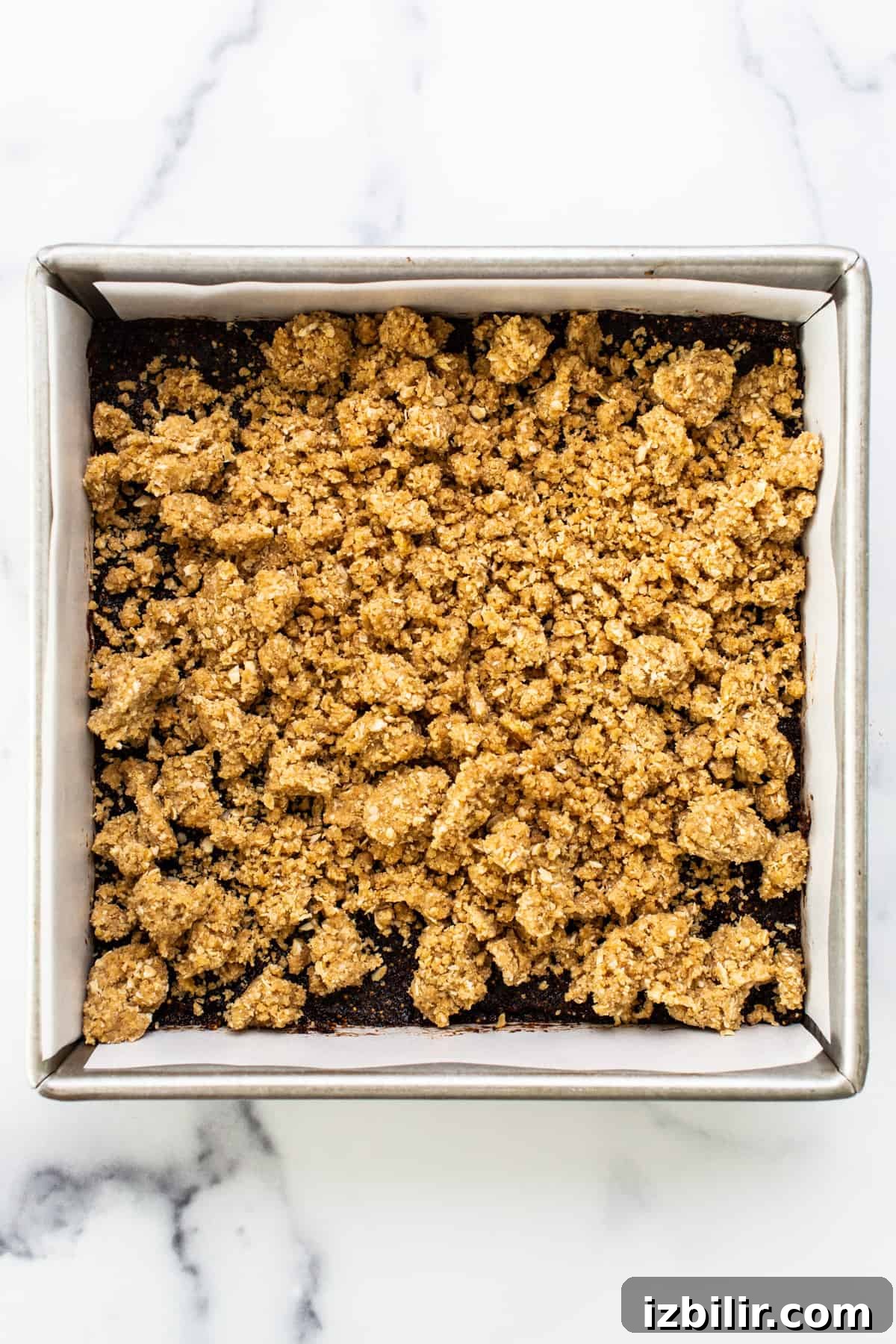
- Spread the fig filling evenly over the pressed crust. Sprinkle the remaining oat mixture over the filling, spreading as evenly as possible—some fig layer may remain visible. If using, sprinkle turbinado sugar on top.
- Bake for 12 minutes, rotate the pan 180°, then bake another 10 minutes until the top is set and edges are lightly golden. Remove from the oven and let rest 2 minutes.
- Lift the bars from the pan using the parchment paper and transfer to a cooling rack. Allow to cool completely before cutting into 12 bars.
Tips & Notes
- Watch the bake time carefully; these bars can over-bake and will continue to firm slightly as they cool.
- For a softer topping, press the remaining oat mixture gently rather than firmly—this will yield a slightly chewier finish.
- Use a sharp knife chilled in the fridge between cuts for cleaner slices.
Nutrition (approx. per bar)
Calories: 201 kcal • Carbohydrates: 30 g • Protein: 4 g • Fat: 7 g • Fiber: 3 g • Sugar: 10 g
Nutrition information is an approximation and will vary based on specific ingredients and portion sizes.