
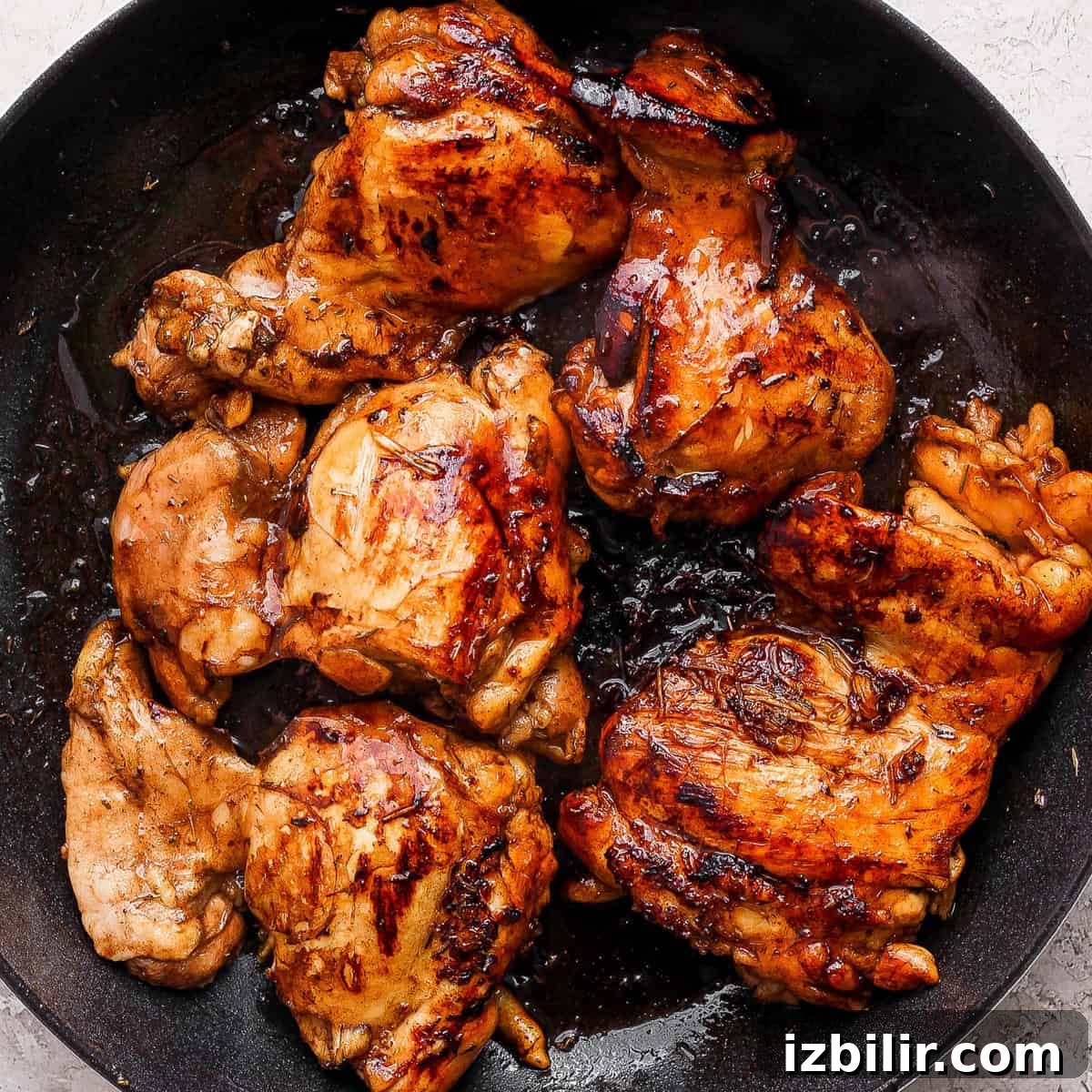
Marinate your chicken in this flavorful, easy-to-make 5-ingredient balsamic chicken marinade. It brightens up any cut of chicken and doubles as a great meal-prep option—prepare the marinade and chicken together, then freeze for later use.
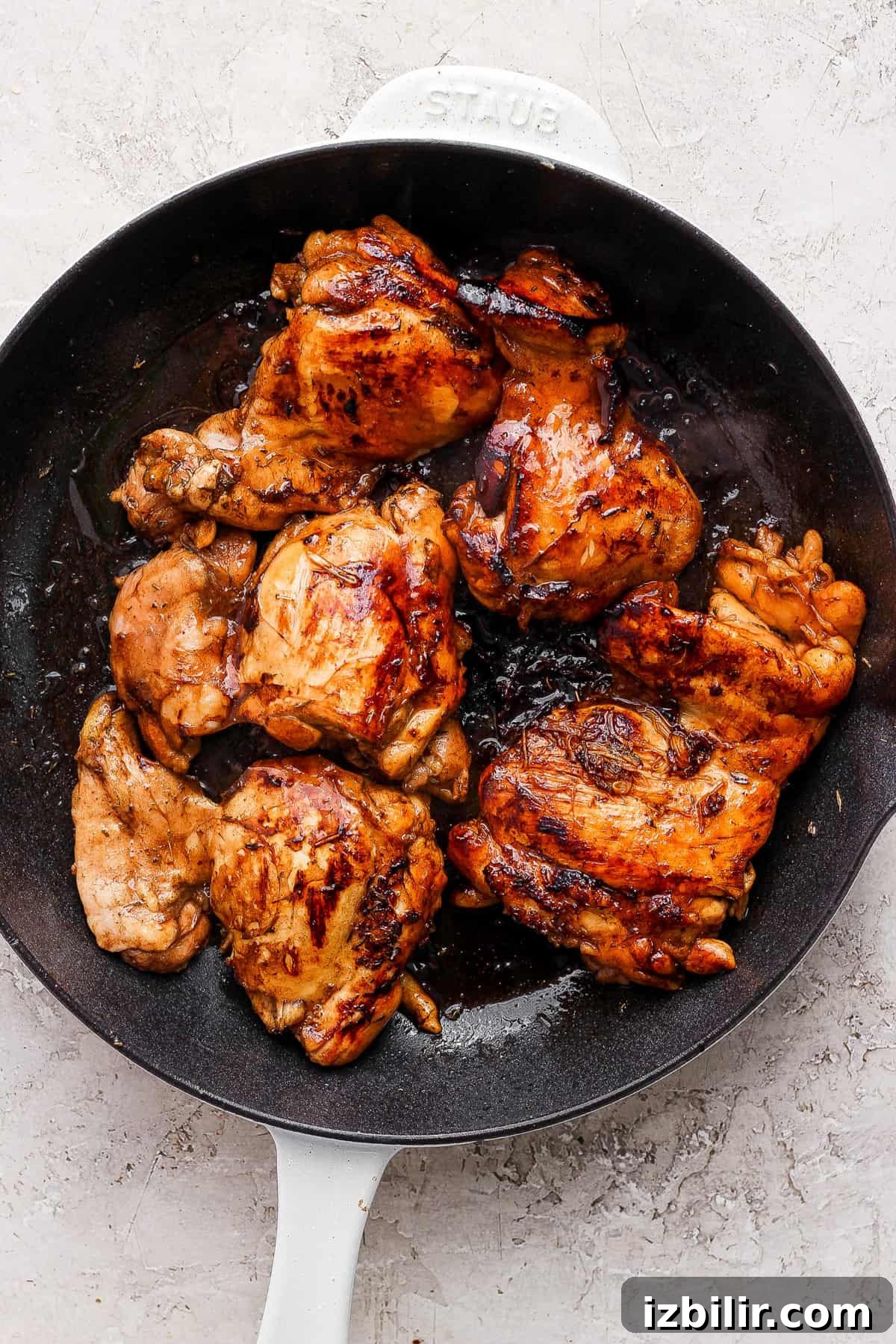
This is one of the best basic marinades to keep in your repertoire. It uses balsamic vinegar for tang and sweetness, olive oil for richness, Dijon mustard to bind and add depth, brown sugar to balance acidity, and dried thyme for an herby note. The result is a balanced, versatile marinade that complements pasta, salads and roasted vegetables equally well.
You can marinate any chicken cut in this mix. One favorite application is balsamic chicken thighs served over pappardelle pasta with pearl mozzarella and roasted tomatoes—rich, comforting, and full of bright flavor.
What You Need for Balsamic Chicken Marinade
This simple blend yields big flavor with just a few pantry staples:
- Balsamic Vinegar: Adds tangy-sweet depth and helps tenderize meat.
- Olive Oil: Gives a silky mouthfeel and helps coat the chicken for even flavor.
- Dijon Mustard: Brings a subtle heat and helps emulsify the marinade so it clings to the chicken.
- Brown Sugar: Offsets acidity with a warm sweetness that caramelizes nicely during cooking.
- Dried Thyme: Adds an earthy, savory finish that rounds out the marinade.
Here’s a tip
Use the best-quality ingredients you can—better balsamic vinegar and extra-virgin olive oil make a noticeable difference in flavor.
Substitutions & Variations
Swap ingredients to suit your pantry or taste:
- Oil: Avocado oil or a neutral vegetable oil can be used instead of olive oil.
- Sweetener: Honey or maple syrup will work if you prefer a liquid sweetener; granulated sugar is also acceptable. Brown sugar or maple are preferred for their warm flavor.
- Herbs & Spice: Fresh thyme, rosemary, or a pinch of red pepper flakes can be added for variation.
- To thicken the sauce: Remove the chicken, reserve 1/4 cup of marinade, whisk in 2 teaspoons of cornstarch, then return to a pan with the remaining marinade and simmer until thickened. Add the chicken back to coat.

Try it!
Balsamic Chicken Thighs
Marinated chicken thighs pan-seared or baked and served over pasta with roasted cherry tomatoes and pearl mozzarella make a simple, elegant dinner.
A few marinating tips
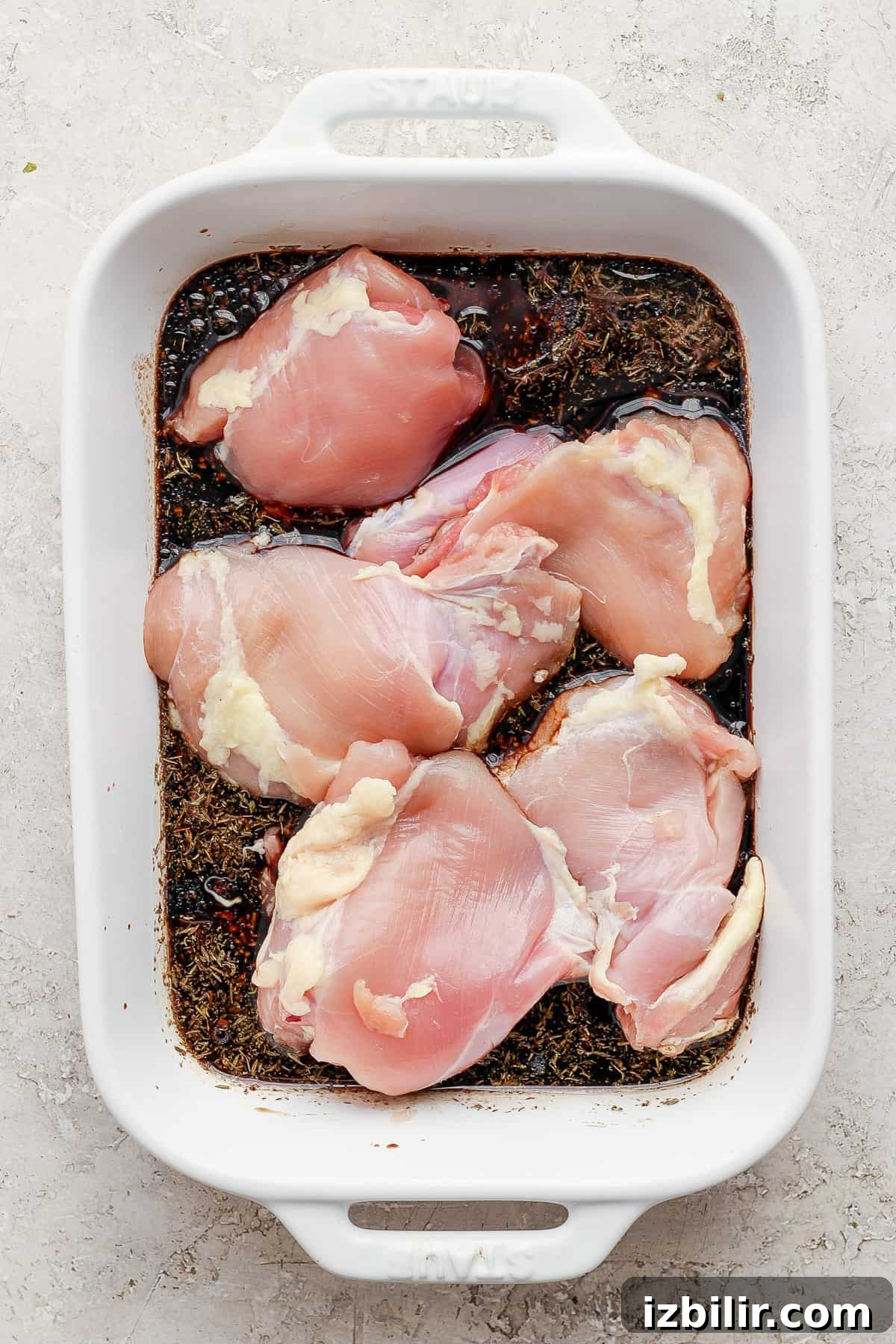
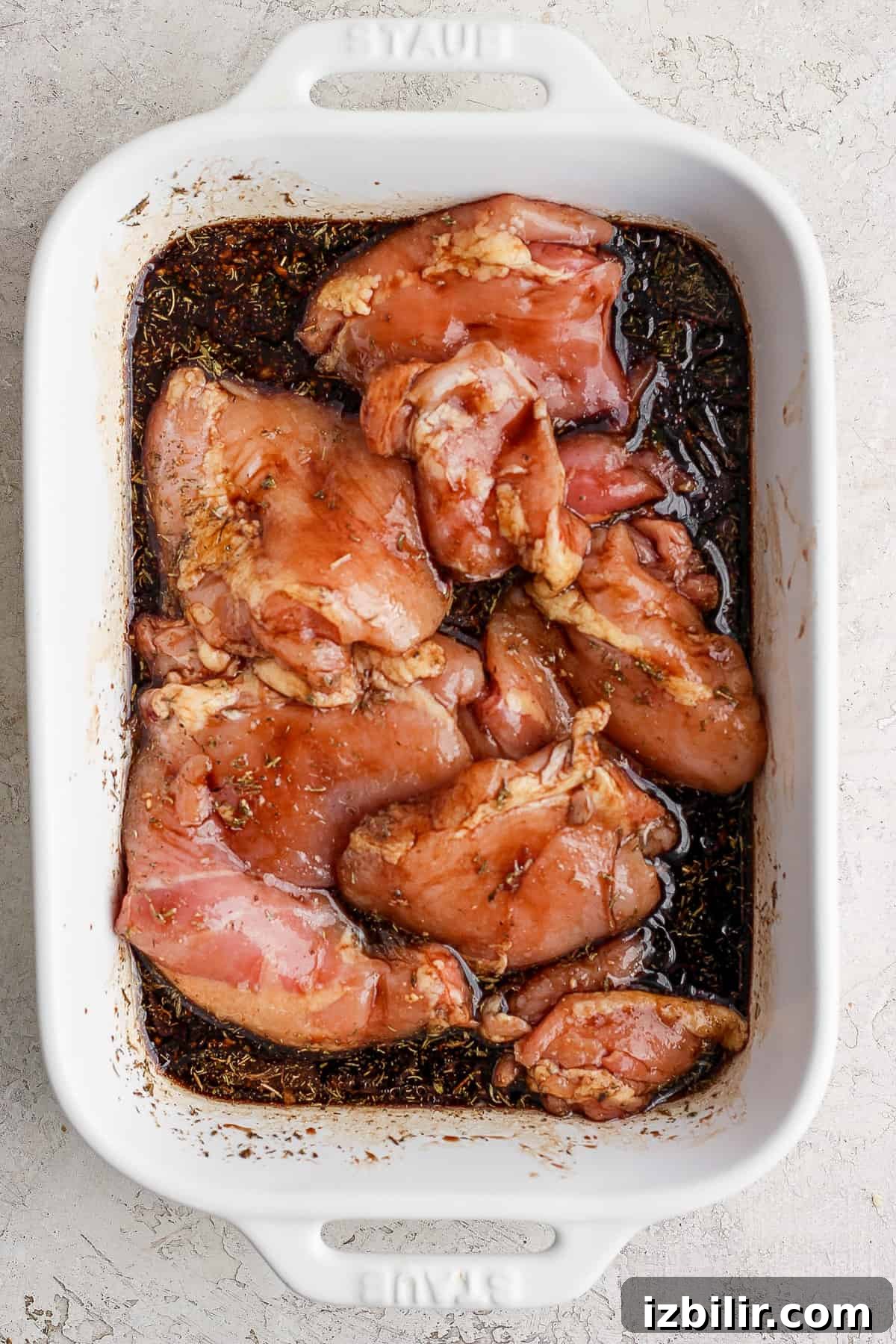
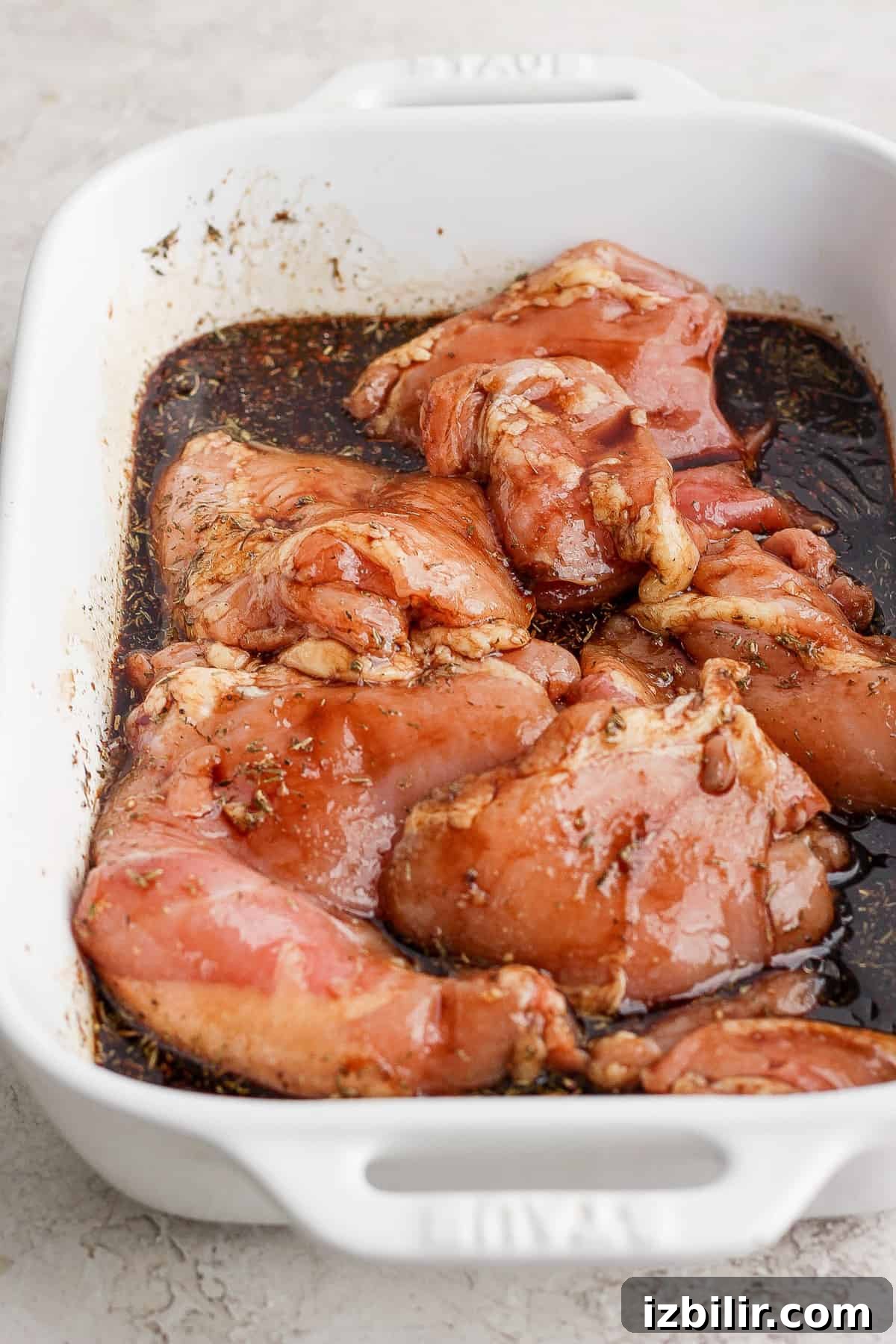
- You can marinate in a baking dish, a shallow pan, or a gallon-size resealable plastic bag—choose what’s most convenient for you.
- Ensure the chicken is fully coated and submerged for even flavor. If using a dish, flip the pieces halfway through the marinating time.
- Always marinate in the refrigerator, never at room temperature, to reduce the risk of bacterial growth.
How long should you marinate chicken for?
For a quick boost, marinate for at least 30 minutes. Two hours is a great sweet spot for flavor to penetrate without becoming too strong. If you have the time, marinating overnight enhances tenderness and depth—making this an excellent make-ahead or meal-prep option.
Ways to Cook Balsamic Chicken
This marinade works with many cooking methods. Choose the one that best fits your schedule and desired texture:
- Oven: Bake marinated chicken at a moderate temperature until juices run clear for an easy hands-off approach.
- Grill: Grill marinated chicken for a smoky finish and nice caramelization.
- Instant Pot: Cook chicken and marinade together in an electric pressure cooker for fast, juicy results.
- Slow Cooker: Slow-cook the chicken and shred it for sandwiches, bowls, or salads.
- Sous Vide: For reliably tender, evenly cooked chicken, finish with a quick sear for texture.
More ideas
Other baked chicken variations
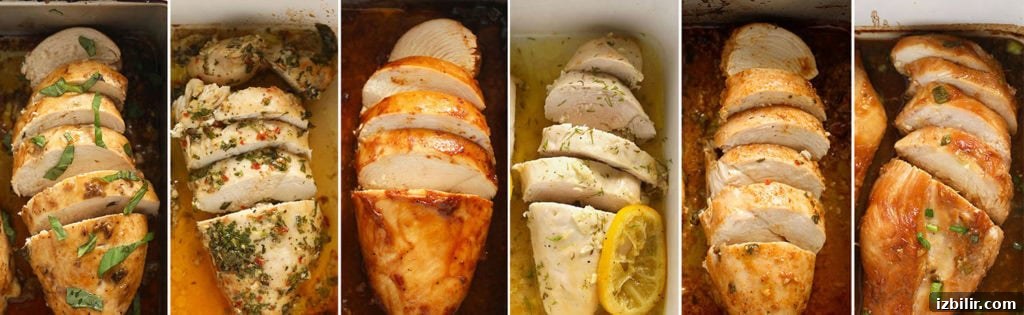
Try this balsamic marinade on other baked chicken recipes to add brightness and depth to weeknight meals.
How to Freeze Marinated Chicken
Freezing marinated chicken is simple and convenient for meal planning. Steps:
- Place 1.5 lbs of chicken (thighs, breasts, or your preferred cut) in a gallon-size freezer bag.
- Whisk the marinade ingredients together and pour over the chicken. Press out as much air as possible before sealing.
- Label the bag with “Balsamic chicken” and the date. Freeze for up to 3 months. Thaw in the refrigerator before cooking.
Serving Suggestions
This marinated balsamic chicken pairs well with pasta—pappardelle with pearl mozzarella and roasted tomatoes is a favorite—but it also complements lighter sides. Try serving it with a caprese-style quinoa salad, a classic caprese salad, roasted broccoli, or balsamic-roasted Brussels sprouts for a balanced plate.
Balsamic Chicken Marinade
Summary: A straightforward, flavorful marinade using olive oil, balsamic vinegar, Dijon mustard, brown sugar, and dried thyme. Keeps things simple while delivering big taste.
Author: Linley Hanson
Prep: Minimum 30 minutes (best 2 hours to overnight) • Cook: Varies by method • Servings: 4
Ingredients
- 1.5 lbs boneless skinless chicken thighs (or your preferred chicken cut)
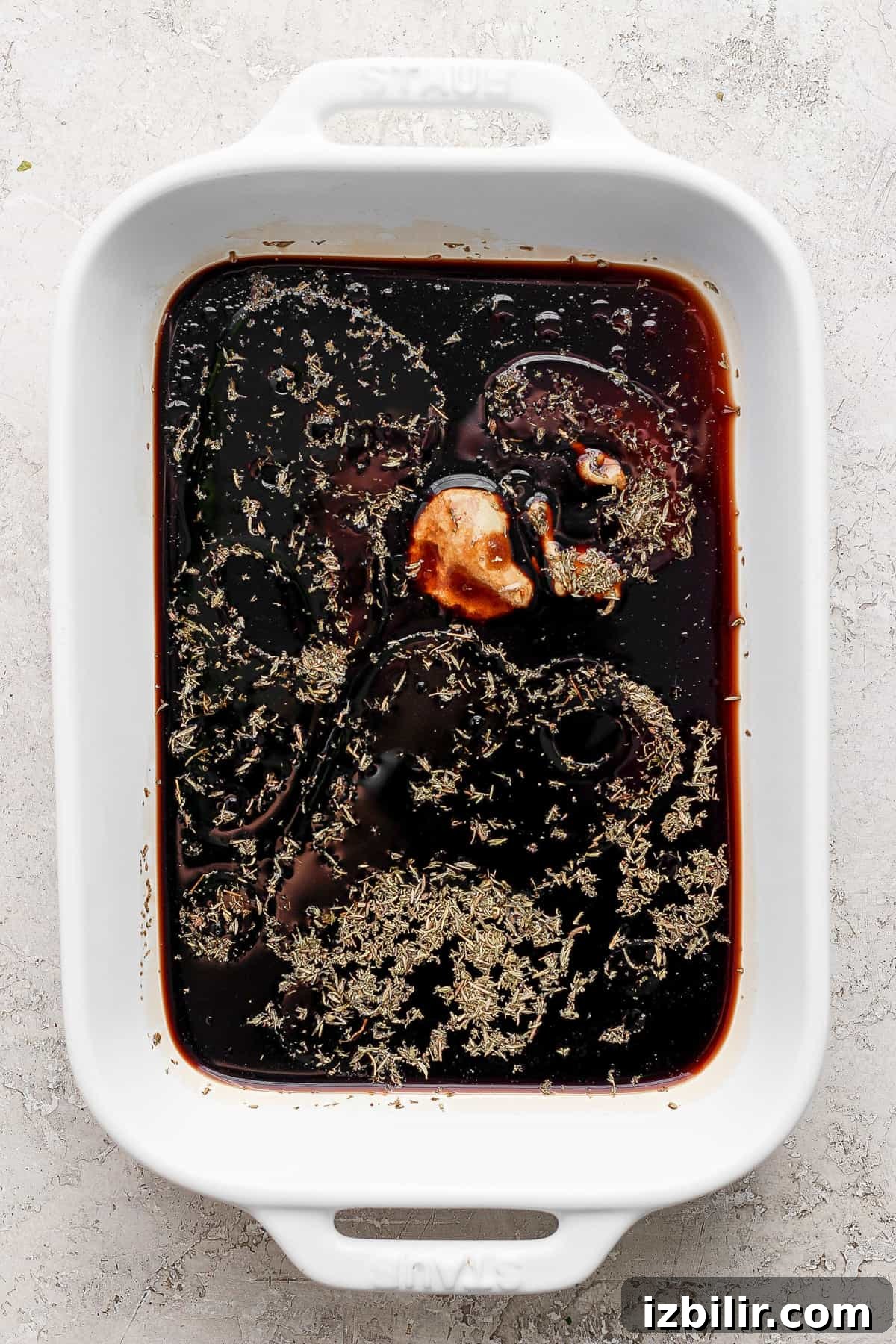
- 1/2 cup balsamic vinegar
- 2 tablespoons olive oil
- 2 teaspoons Dijon mustard
- 2 teaspoons brown sugar
- 1 teaspoon dried thyme
Instructions
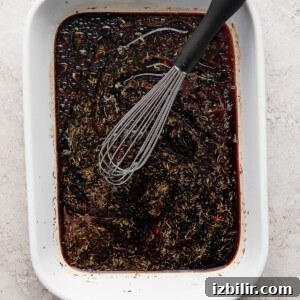
- Combine the balsamic vinegar, olive oil, Dijon mustard, brown sugar, and dried thyme in a medium bowl and whisk until well combined.
- Place the chicken in a glass container or a resealable plastic bag. Pour the marinade over the chicken, ensuring the pieces are fully coated.
- Seal and refrigerate. Marinate for at least 30 minutes. For best flavor and tenderness, marinate for 2 hours or overnight.
- When ready, cook the chicken by your chosen method: bake, grill, pressure cook, slow cook, or sous vide. If pan-searing or grilling, cook until the internal temperature reaches 165°F (74°C) and allow to rest a few minutes before serving.
Tips & Notes
- Any cut of chicken will work with this marinade—adjust cooking times accordingly.
- Nutrition information below is based on 1.5 lbs boneless, skinless chicken thighs.
- This recipe was updated in January 2024; measurements and steps are tuned for clarity and consistent results.
Nutrition (approximate per serving)
Calories: 302 kcal • Carbohydrates: 8 g • Protein: 33 g • Fat: 14 g • Fiber: 0.2 g • Sugar: 7 g
Nutrition is automatically calculated and should be used as an approximation.
If you try this marinade, experiment with different cooking methods and sides to make it your own. It’s a great base recipe that can be scaled, frozen, and repurposed for sandwiches, pasta dishes, salads, or family dinners.