
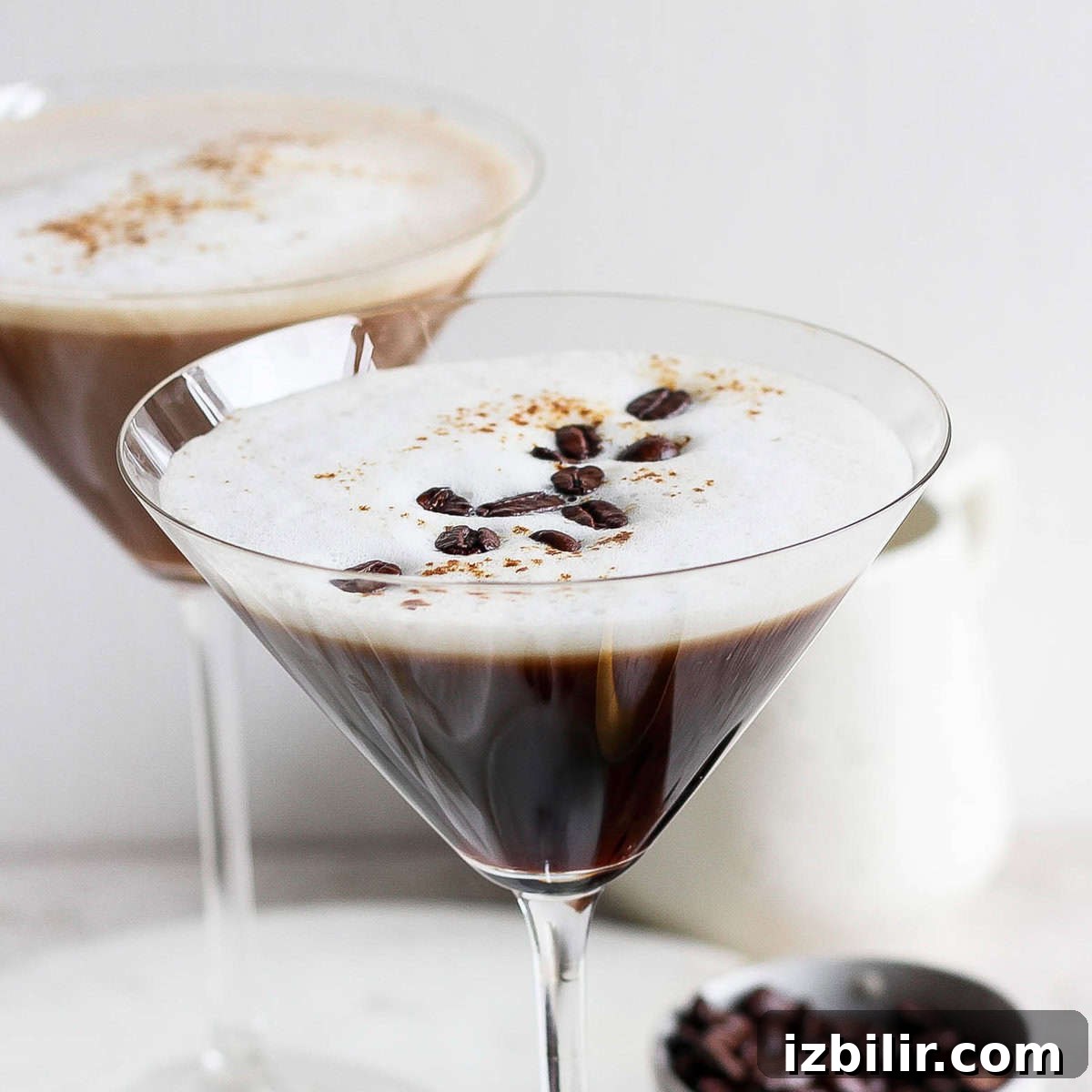
Brown Sugar Shaken Espresso Martini is a beautifully balanced cocktail that pairs the bold bitterness of espresso with a caramel-like sweetness from dark brown sugar. Smooth vodka and coffee liqueur round out the flavor, creating a refined after-dinner drink or a cozy evening treat. This version uses a homemade dark brown sugar simple syrup to deepen the flavor and add warm, toasty notes.
To achieve the best results, make the brown sugar simple syrup ahead of time so it has a chance to cool and settle. The syrup brings a richer, more complex sweetness than regular sugar syrup and complements the espresso’s natural chocolate and caramel undertones.
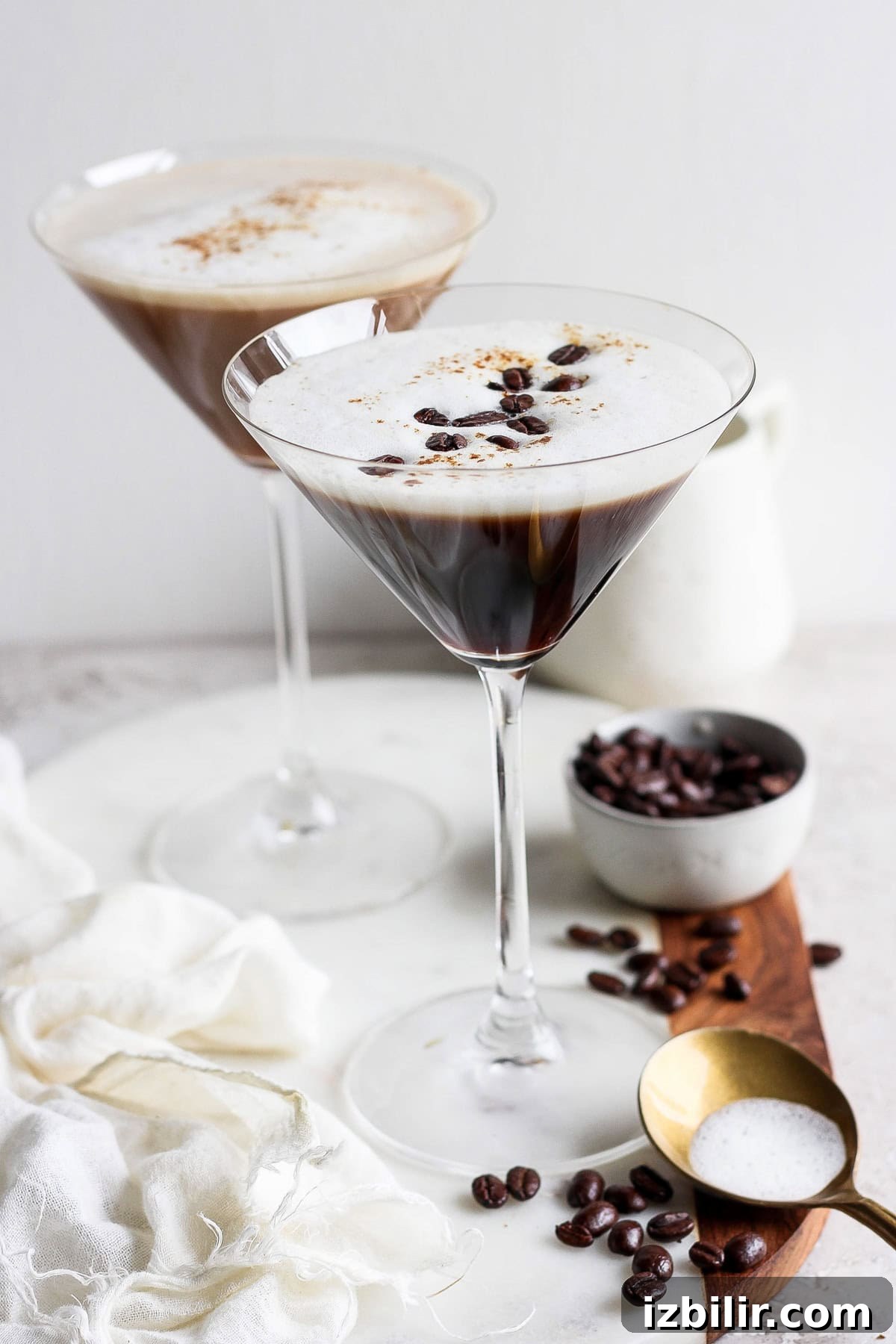
Espresso martinis are especially appealing when the weather cools and you want something that feels both indulgent and invigorating. The shaken technique creates a delightful froth and brings aromatic oils to the surface, giving each sip a creamy texture and a fragrant coffee aroma.
Below you’ll find our full recipe, ingredient list, equipment suggestions, substitutions, and tips to make a standout brown sugar shaken espresso martini at home.
Our Go-To Espresso Martini: Main Ingredients & Equipment
- Dark brown sugar: Adds deep, caramelized flavor to the simple syrup; the key to the brown sugar twist.
- Vodka: Use a clean, high-quality vodka for the smoothest finish.
- Kahlua (or coffee liqueur): Provides the iconic coffee-liqueur note that defines the espresso martini.
- Espresso: Freshly brewed espresso is best for bright coffee flavor and crema; strong brewed coffee can be used if needed.
- Oat milk: Optional for a creamy finish and foam; any milk or cream can be substituted depending on preference.
- Cocktail shaker: Essential for achieving the frothy top; a mason jar with a tight lid will work in a pinch.
What can I use in place of a cocktail shaker?
If you don’t own a cocktail shaker, use a mason jar with a tight-fitting lid. Add the ice and ingredients, close the lid securely, and shake vigorously for at least 30 seconds. The jar will build pressure enough to froth the drink and chill it thoroughly.
Can I use a different kind of milk?
Absolutely. Oat milk produces a rich, velvety foam that pairs well with espresso, but dairy milk, almond milk, coconut milk, or even heavy cream all work. Choose based on dietary needs and desired creaminess. If you want a more decadent cocktail, use cream; for a lighter option, choose lower-fat milk or a plant-based alternative.
Swap the Espresso for Coffee
If you don’t have an espresso machine, prepare a strong brewed coffee and let it cool before shaking. Use a smaller water-to-coffee ratio or a concentrated brew method (moka pot, Aeropress, or French press with less water) to simulate espresso strength. Cooling the coffee prevents diluting the drink from melting ice while shaking.
Tips for the Best Espresso Martini
- Use freshly brewed espresso for the best aroma and crema.
- Choose a quality vodka; a neutral, clean spirit keeps the focus on the coffee flavors.
- Adjust coffee strength or simple syrup to taste—more espresso for a bolder coffee presence, more syrup or Kahlua for added sweetness.
- Shake vigorously with plenty of ice to create a silky, frothy head on the martini.

Storage
Espresso martinis taste best served immediately after shaking. If you have leftovers, store the cocktail in the refrigerator for up to 24 hours and give it a quick shake or stir before serving. The homemade brown sugar simple syrup will keep in a sealed container in the fridge for up to one month.
Brown Sugar Shaken Espresso Martini Recipe
This recipe makes one cocktail and includes directions for a small batch of brown sugar simple syrup. It’s perfect for a single serving or easy to scale for a few guests.
Brown Sugar Simple Syrup
- 1/2 cup water
- 1/2 cup dark brown sugar, packed
- 1 cinnamon stick
- 1/8 teaspoon salt
Brown Sugar Shaken Espresso Martini
- 1.5 oz vodka
- 1.5 oz Kahlua (or coffee liqueur)
- 1.5 oz espresso (or strong brewed coffee, cooled)
- 1 tablespoon brown sugar simple syrup (add more to taste)
- 1 tablespoon oat milk (optional, for foam)
Instructions
- Make the simple syrup: Combine water and dark brown sugar in a small saucepan. Add the cinnamon stick and a pinch of salt.
- Bring the mixture to a boil, then reduce heat and simmer for 5–10 minutes until slightly thickened and fragrant. Remove from heat and let cool. Discard the cinnamon stick and transfer the syrup to a sealed container.
- Fill a cocktail shaker (or mason jar) with 5–6 ice cubes. Add the vodka, Kahlua, espresso, and 1 tablespoon of the cooled brown sugar syrup.
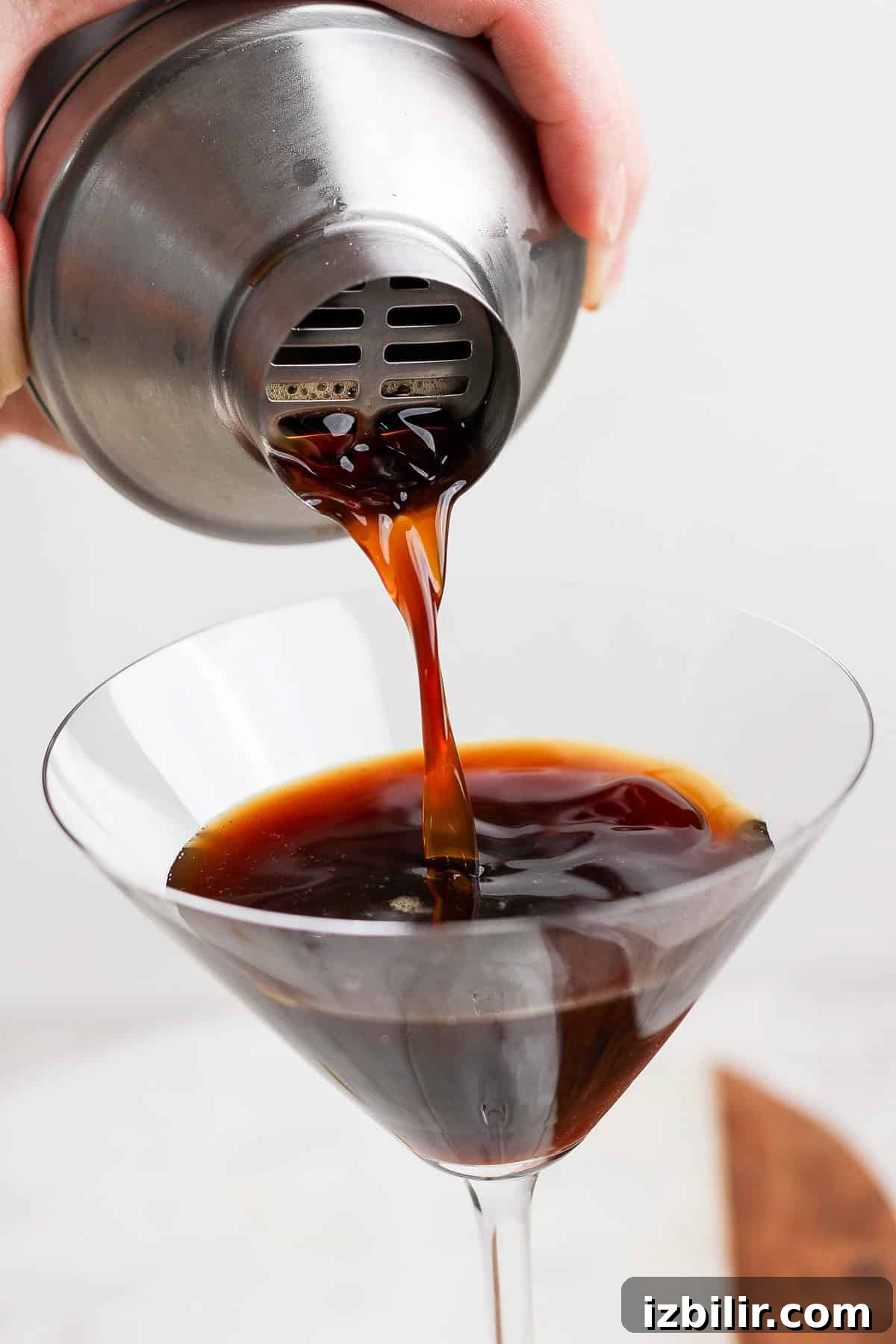
- Shake vigorously for at least 30 seconds to chill and create a frothy top. If using a mason jar, ensure the lid is on tight before shaking.
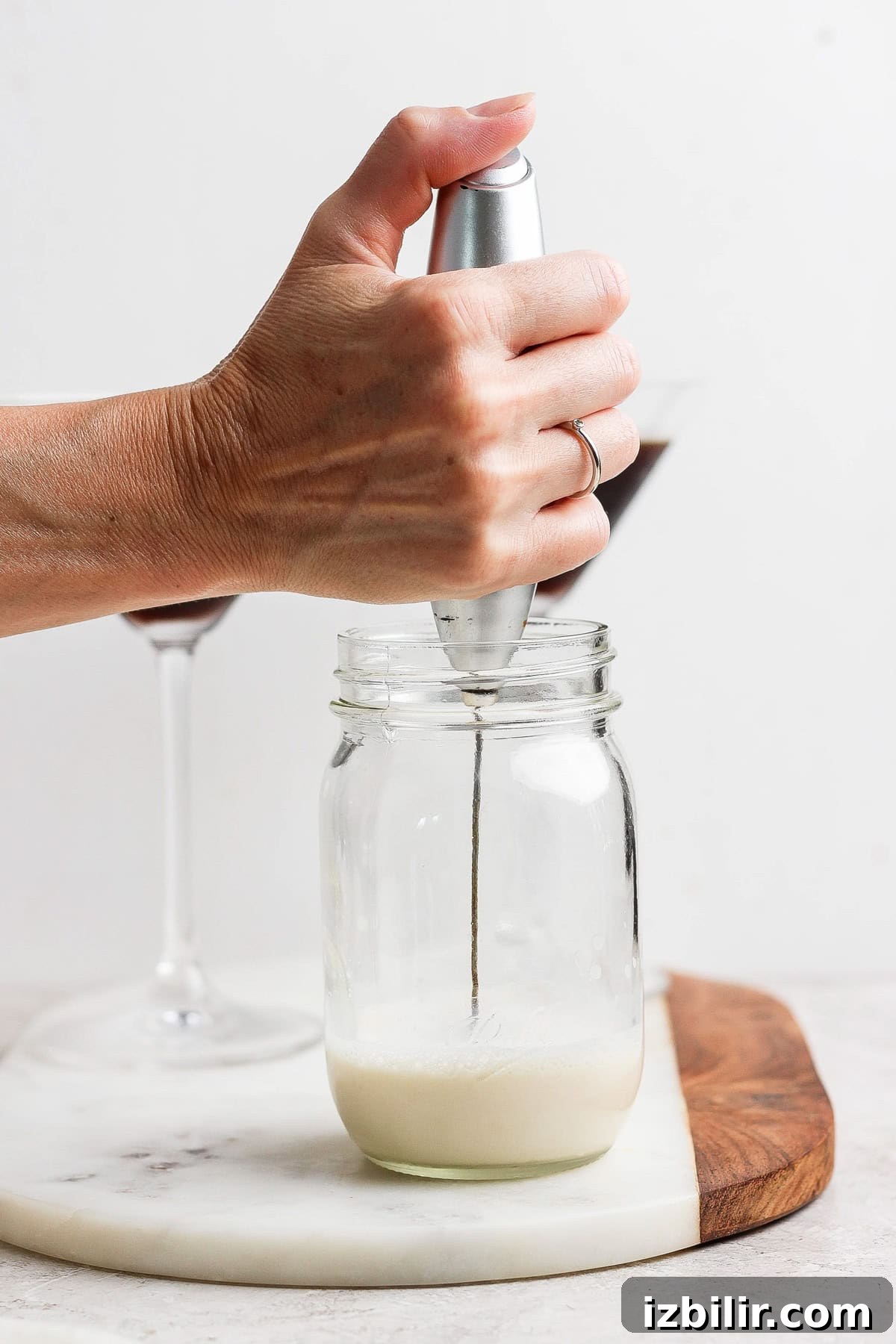
- Strain into a chilled martini glass while holding back the ice. For a creamier finish, froth oat milk with a handheld frother and spoon a small layer of foam on top.
- Garnish with an espresso bean or a light dusting of coffee powder or cinnamon, if desired. Serve immediately.
Tips & Notes
- You’ll have extra simple syrup; add more to the cocktail if you prefer it sweeter. Store leftover syrup in the fridge for up to one month.
- For a stronger coffee punch, use a double shot of espresso or reduce the milk. For a richer dessert-style cocktail, increase the oat milk or use heavy cream.
- Experiment with flavored liqueurs (chocolate or hazelnut) for variations, but start with small amounts to avoid overpowering the espresso flavor.
Nutrition (approximate per serving)
Calories: 310 kcal • Carbohydrates: 37 g • Protein: 0.3 g • Fat: 0.4 g • Fiber: 0.1 g • Sugar: 36 g
Nutrition information is an approximation and will vary with ingredient brands and serving sizes.
Photography credit: The Wooden Skillet