
Servings:
8
Servings
8
Servings
Salsa Quemada de Tres Chiles
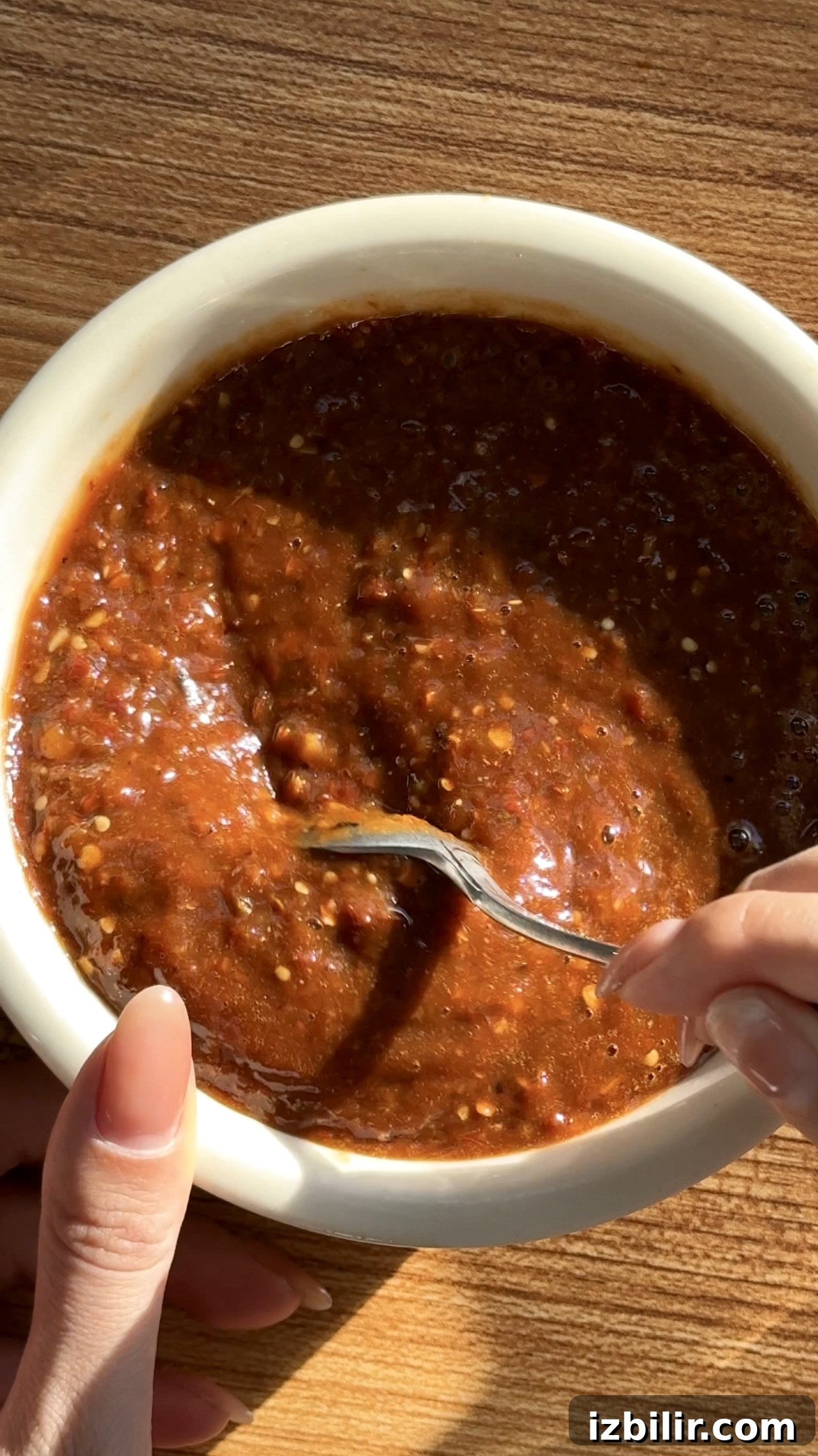
Salsa Quemada de Tres Chiles is a smoky, layered salsa made from charred tomatillos, roasted garlic and onion, and a trio of dried chiles—California, chile de árbol, and habanero. The chilies are toasted to release deep, toasty flavors, then simmered with aromatics and a touch of brown sugar and vinegar to balance acidity and heat. The final texture is rustic and slightly coarse for a bold, textured condiment that brightens tacos, grilled meats, soups, and stews. This version focuses on depth of flavor and balance: smoky, tangy, and pleasantly spicy without overpowering the ingredients it complements.
Total:
40 minutes
40 minutes
Equipment
-
Stock pot or heavy-bottomed pot
-
Blender or food processor
-
Mixing bowl
-
Cutting board and knife
-
Long-handled spoon
Ingredients
- 5 dried California chiles, stems removed and deveined
- 5–15 dried chiles de árbol, stems removed (adjust for heat)
- 2 dried habanero chiles
- ¼ onion
- 10 garlic cloves
- 2 bay leaves
- 3 green tomatillos, husks removed and washed
- Salt, to taste
- ½ tsp black pepper
- ½ tsp garlic powder
- 1 tsp dried oregano
- ½ tbsp chicken bouillon
- ¼ tsp ground cumin
- ½ tbsp brown sugar
- 1 tbsp white or apple cider vinegar
- 1½ cups water
Instructions
-
Prepare the chiles: remove stems and seeds as needed for your preferred heat level. Wipe them clean with a dry towel if dusty.
-
Heat a stock pot or heavy skillet over medium heat. Add the California chiles, chiles de árbol, and habaneros and toast them dry for about 4–6 minutes, turning frequently so they become fragrant and evenly darkened but not burned. Remove the chiles and set aside in a bowl.
-
Using the same pot, dry roast the garlic cloves, the quarter onion, and the bay leaves. Turn them until both the onion and garlic show charred spots and a sweet caramelized aroma develops—about 5 minutes. Remove and set aside with the chiles.
-
Add the husked, washed tomatillos to the hot pot. Roast them, turning often, until their skins blister and blacken in places. This step builds the salsa’s smoky base—use a cast-iron skillet or a direct flame if you want extra char.
-
Return all roasted ingredients to the pot. Add the black pepper, garlic powder, dried oregano, chicken bouillon, ground cumin, brown sugar, vinegar, and water. Stir to combine and dissolve the seasonings.
-
Bring the mixture to a gentle boil over medium-high heat. Once it reaches a boil, lower the heat to maintain a simmer.
-
Simmer uncovered for about 20 minutes. This allows the flavors to meld, the chiles to soften, and the liquid to concentrate slightly.
-
Turn off the heat and let the pot cool for a few minutes so the hot mixture is safe to handle. Remove and discard the bay leaves.
-
Transfer the contents to a blender or food processor in batches if needed. Pulse until you reach a coarse, rustic texture—avoid over-blending if you want the salsa to retain body and texture. If a thinner consistency is desired, add a splash of water and pulse again.
-
Taste and adjust salt, sugar, or vinegar to balance heat and acidity. Let the salsa rest for at least 30 minutes before serving to allow flavors to harmonize; it improves even more after a day in the refrigerator.
Notes
- Control the heat: adjust the number of chiles de árbol and the inclusion of habaneros to match your tolerance. Removing seeds reduces heat significantly.
- Avoid bitterness: toast chiles and aromatics until they are deeply fragrant but not charred to the point of burning. Burnt chiles impart an unpleasant bitter note.
- Smokier option: for a more pronounced smoky flavor, finish the chiles and tomatillos over an open flame or in a hot cast-iron skillet to achieve a charred exterior.
- Texture tips: pulse the salsa to a coarse texture for rustic character. For a smoother sauce, blend longer and strain if desired.
- Storage and serving: store refrigerated in an airtight container for up to one week. Flavor often deepens after sitting overnight. Serve with grilled meats, tacos, roasted vegetables, or stirred into soups for a smoky kick.
- Balancing flavors: brown sugar, vinegar, and salt are used sparingly to balance heat and acidity—adjust incrementally to avoid over-sweetening or over-acidifying.
Like this recipe? Leave a comment below and share how you used it.