Life gets better.
Your thoughts stop revolving around food, exercise, and body image.
Your days are brighter.
Life gets better.
Your time becomes more intentional.
You start to feel like yourself again.
Yes — life really does get better.
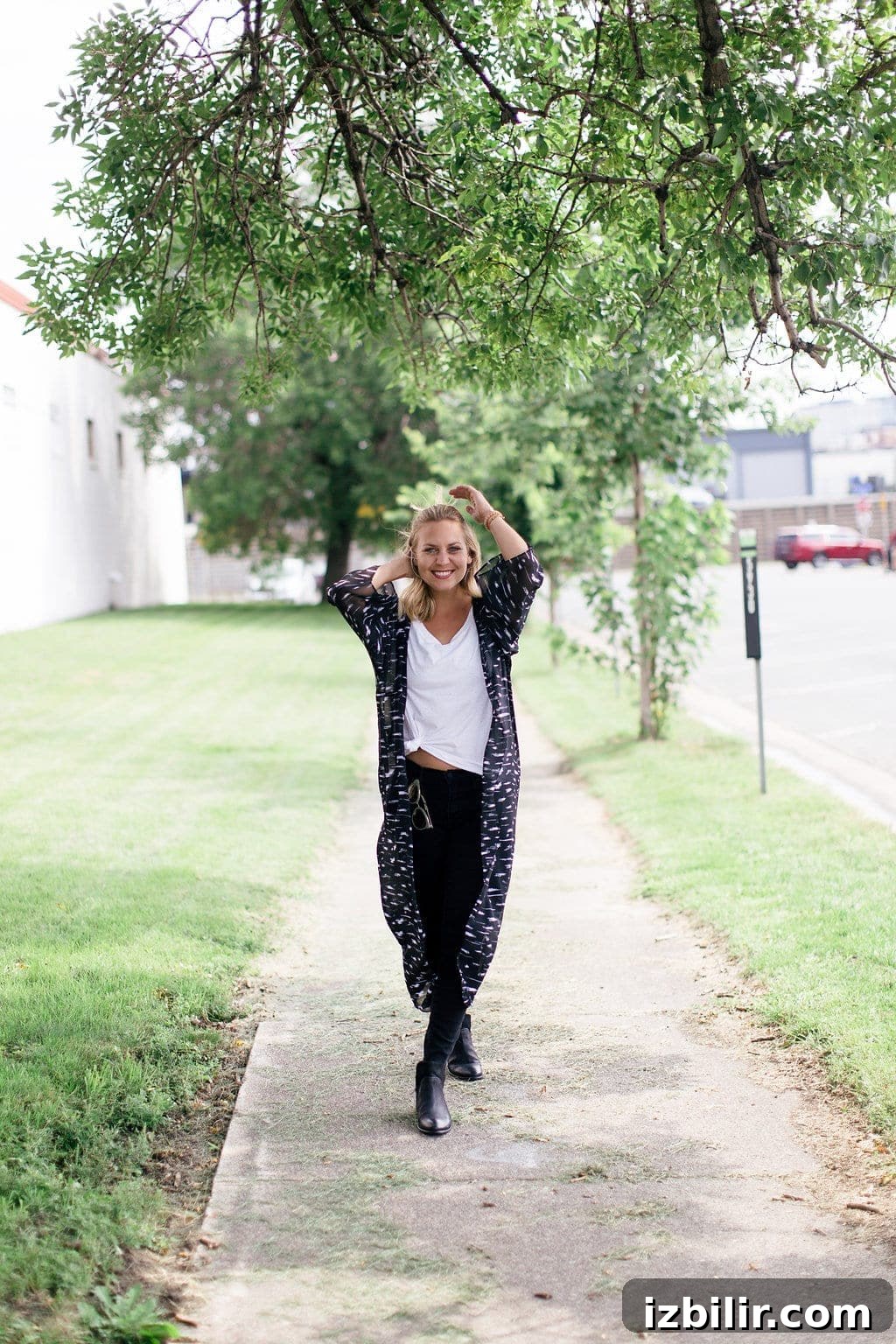
NOTE – I want to preface this by saying I am speaking from my own experience. Eating disorders vary widely, and this is my story. I have written about my journey and my recovery on my blog if you’d like to read more about it.
The holidays used to be the hardest time of year for me. While many people look forward to family gatherings, celebrations, and special meals, those seasons once made me want to hide away. Food became the center of everything. I remember Christmas 2010 clearly: I allowed myself an extra 100 calories that day and considered it a huge concession. I counted every morsel, calculated totals down to the last calorie, and permitted myself half a cookie. After I ate it I was filled with overwhelming shame. That shame, and the obsessive thoughts about what I ate and how to “undo” it, consumed me for hours on end.
I recently watched To the Bone on Netflix. While no single movie can capture every nuance of an eating disorder, it did a good job illustrating the profound difference between living with an eating disorder and living without one. Having an eating disorder is not a choice or a simple preference. It’s a mental illness — a distorted relationship with food and a deep, often involuntary, preoccupation with control. For those who’ve never been there, it can be hard to understand the feeling of being owned by your own thoughts: you are making choices, and yet you feel completely out of control. It’s not as simple as “just eating the cookie” and moving on.
Life After an Eating Disorder
With time, therapy, self-compassion, and a shift toward a healthier mindset, life transformed for me. Recovery doesn’t mean perfection, but it does mean being able to experience the present without every moment being filtered through worries about calories, exercise, or appearance. It’s almost surreal sometimes — I find it hard to remember how distressed I felt back then because my mind has slowly let go of that constant tension.
If you had asked me six years ago whether I’d ever be relaxed about food, I would have said no. Now, I can genuinely enjoy a meal without guilt. I can have a few beers at a summer event and eat cheese curds without spiraling, and then return to my normal routines the next day without shame. That kind of balance feels like a miracle when you’ve been trapped in rigid rules for so long.
Part of what helped me reclaim my life was making time for activities that nourished me in ways unrelated to weight or food. Pottery has been a surprising and joyful outlet: it lets me be creative, calm, and phone-free for a couple of hours each week. I started pottery in high school and picked it up again recently — like riding a bike, it came back naturally and became a quiet source of happiness.
Yoga has also been an important practice. Even a few classes a month have a grounding effect, centering me and helping me reconnect with my body in a gentle way. Other small self-care habits — face masks, prioritizing sleep, and spending quality time with people who lift me up — all add up. These practices aren’t a cure-all, but they support a healthier, more present life.
Now, around the holidays, I feel a different kind of excitement. I can enjoy food the way it’s meant to be enjoyed: as part of celebration, connection, and pleasure. That doesn’t mean I never worry or that everything is perfect. Recovery is ongoing. But being able to eat two helpings of mashed potatoes, dive into a plate of cookies, and still feel okay the next day is a kind of freedom I didn’t think possible.
If you’re struggling, know this: it gets better. Recovery is rarely linear, and it takes patience, support, and time. Small changes compound. The obsessive thoughts become less loud, your days feel fuller, and you begin to reclaim moments that once felt impossible to enjoy. Life gets better — and you deserve every one of those better moments.
That’s all I have for now. I hope this gives a little light to anyone who needs it. Life is good, and there is hope for a brighter, freer relationship with food and with yourself.