
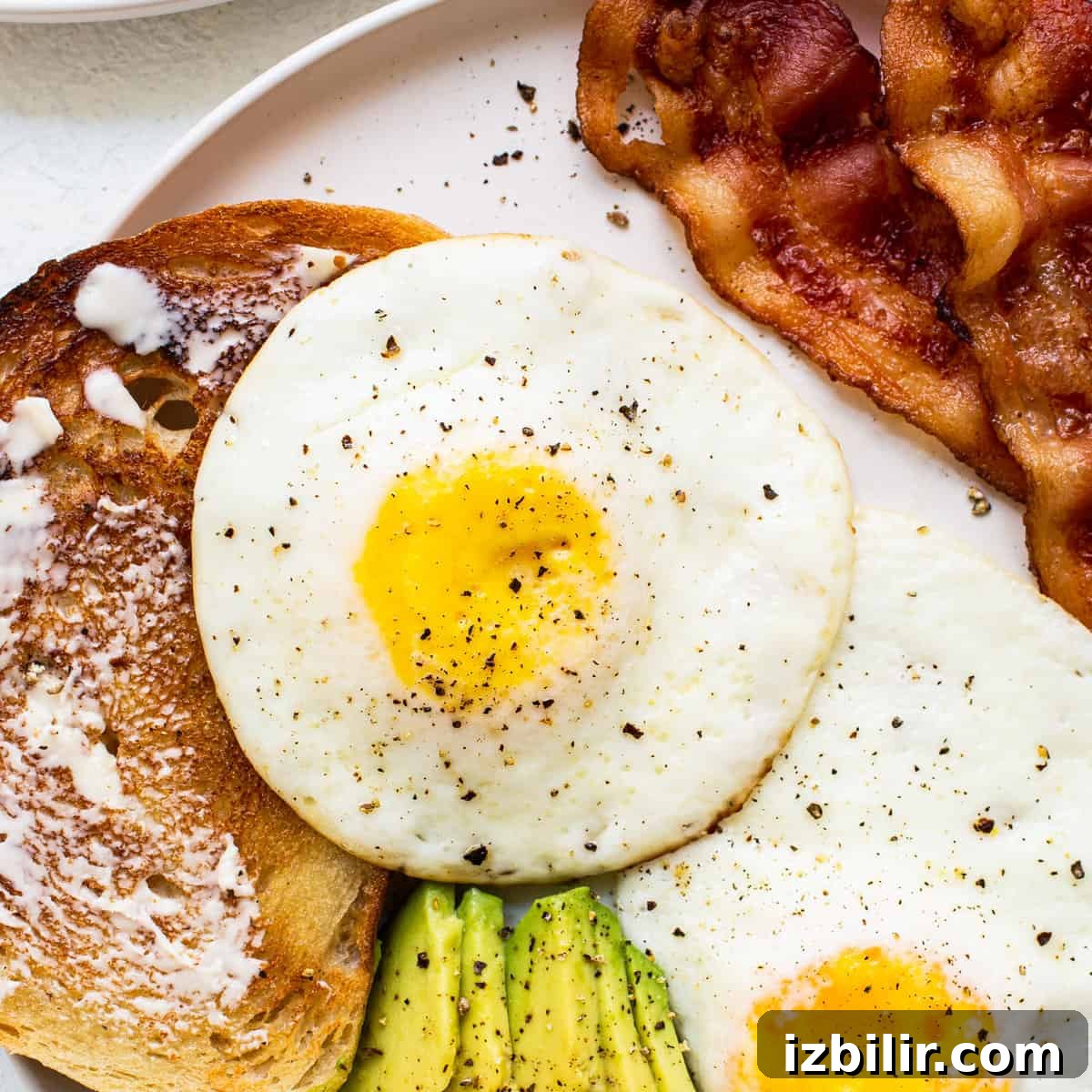
Make perfect eggs every time with this over hard eggs recipe. Follow simple, foolproof instructions to get fully set yolks and tender whites without burned edges.
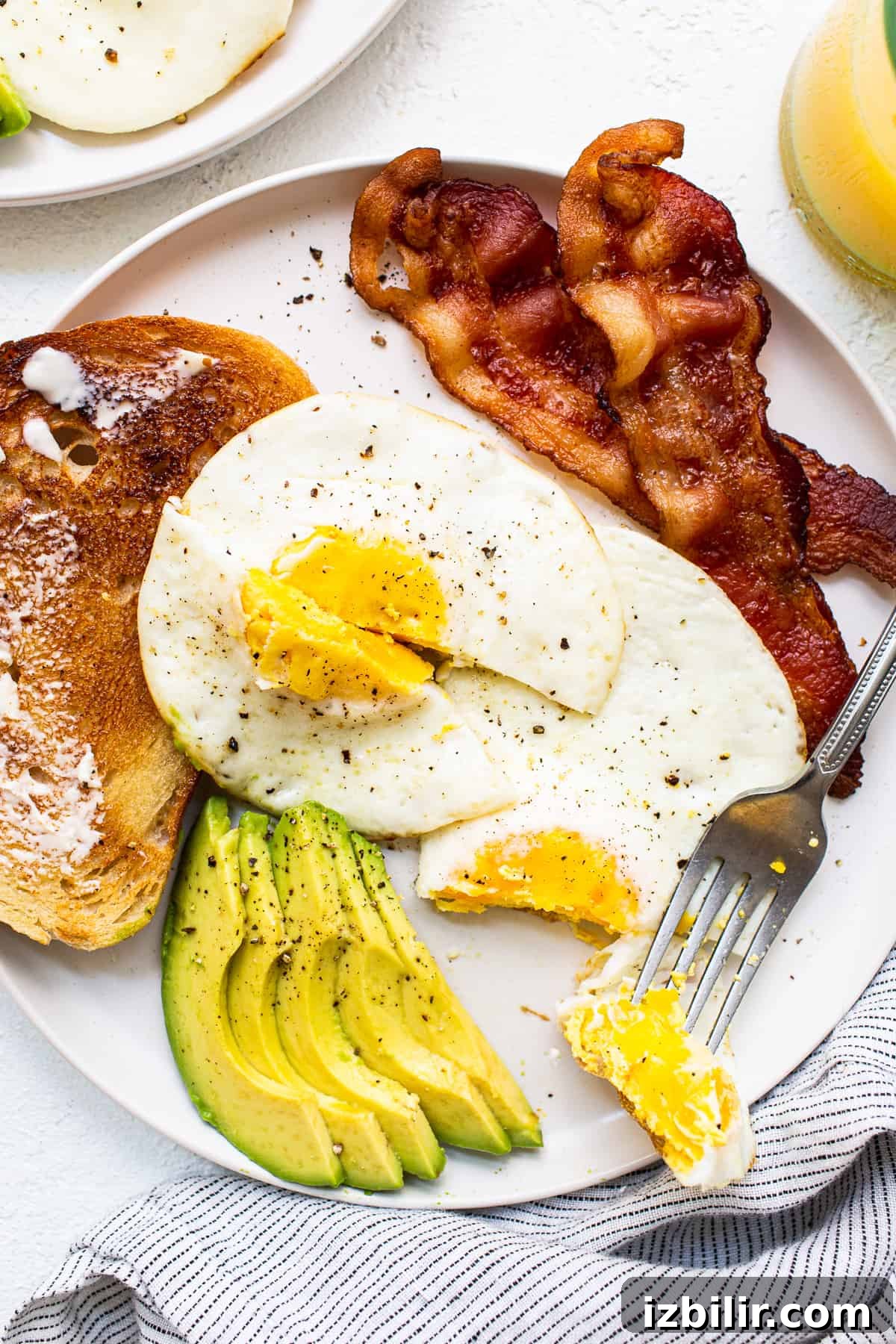
Perfectly Cooked Over Hard Eggs
There’s something satisfying about breakfast cooked exactly the way you like it. If you prefer a fully set yolk with no runniness, over hard eggs are the ideal choice. This guide walks you through each step, with practical tips to avoid common mistakes and to get reliably consistent results every time.
Why you’ll love it
Clear, easy instructions that produce perfectly cooked eggs with a firm yolk and tender whites.
No over-browned edges — learn how to control heat for a clean finish.
Simple ingredients and quick cooking make this a great weekday or weekend breakfast option.
Ingredients You Need
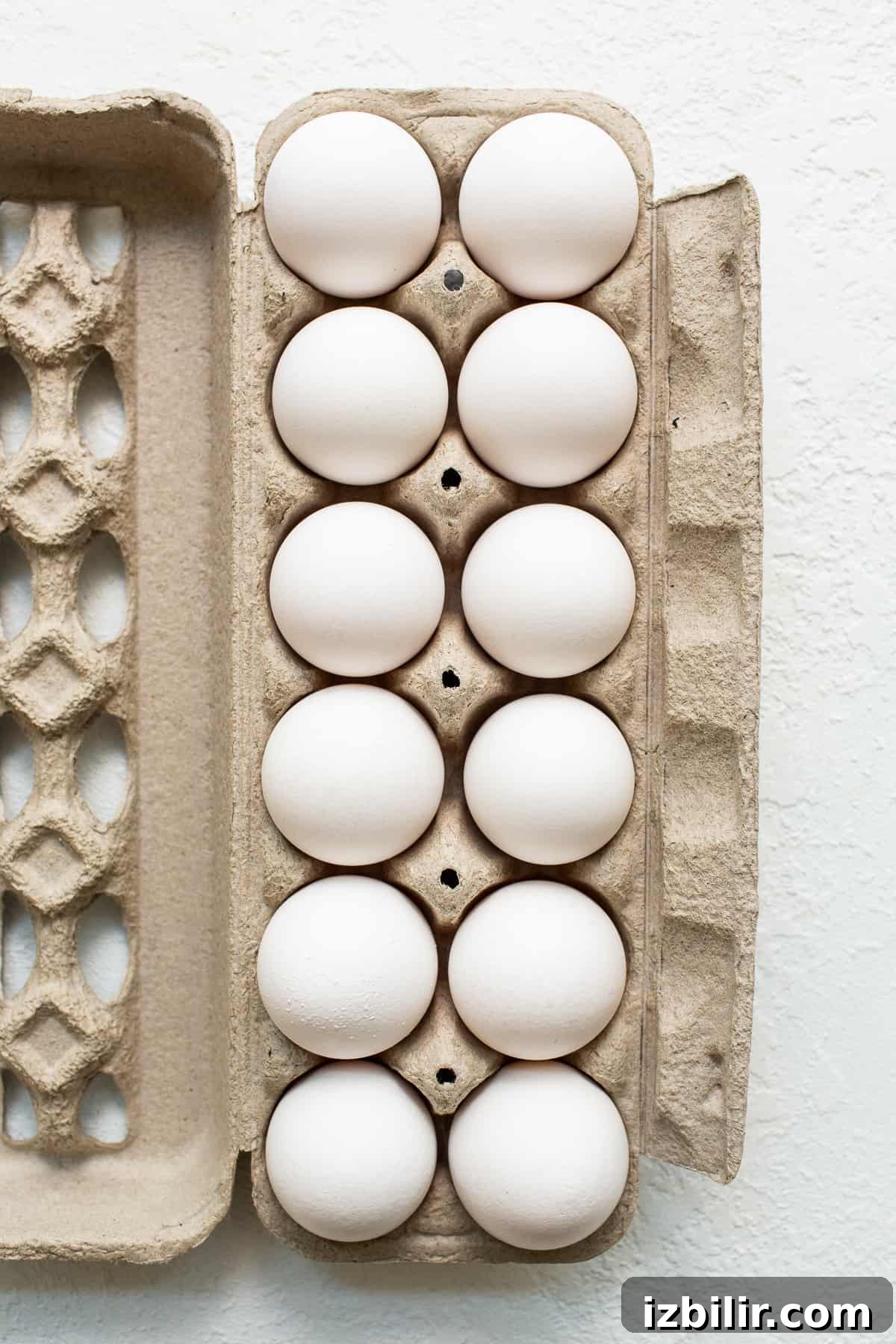
Only a couple of ingredients are required to make excellent over hard eggs. Gather:
- Large eggs: large eggs are a reliable standard, but smaller or larger eggs will change the cooking time slightly.
- Unsalted butter: we recommend unsalted so you can control the seasoning. Salted butter can be used, but taste before adding extra salt.
Also have salt and pepper on hand for finishing.
Why Use Butter?
Butter gives a mild nutty flavor and helps prevent excessive browning on the edges. It also provides a silky sheen and keeps the eggs tender. Oils such as avocado or olive oil will produce a different texture and may create crisp, bubbly edges that some prefer, but butter is our go-to for a clean, classic finish.
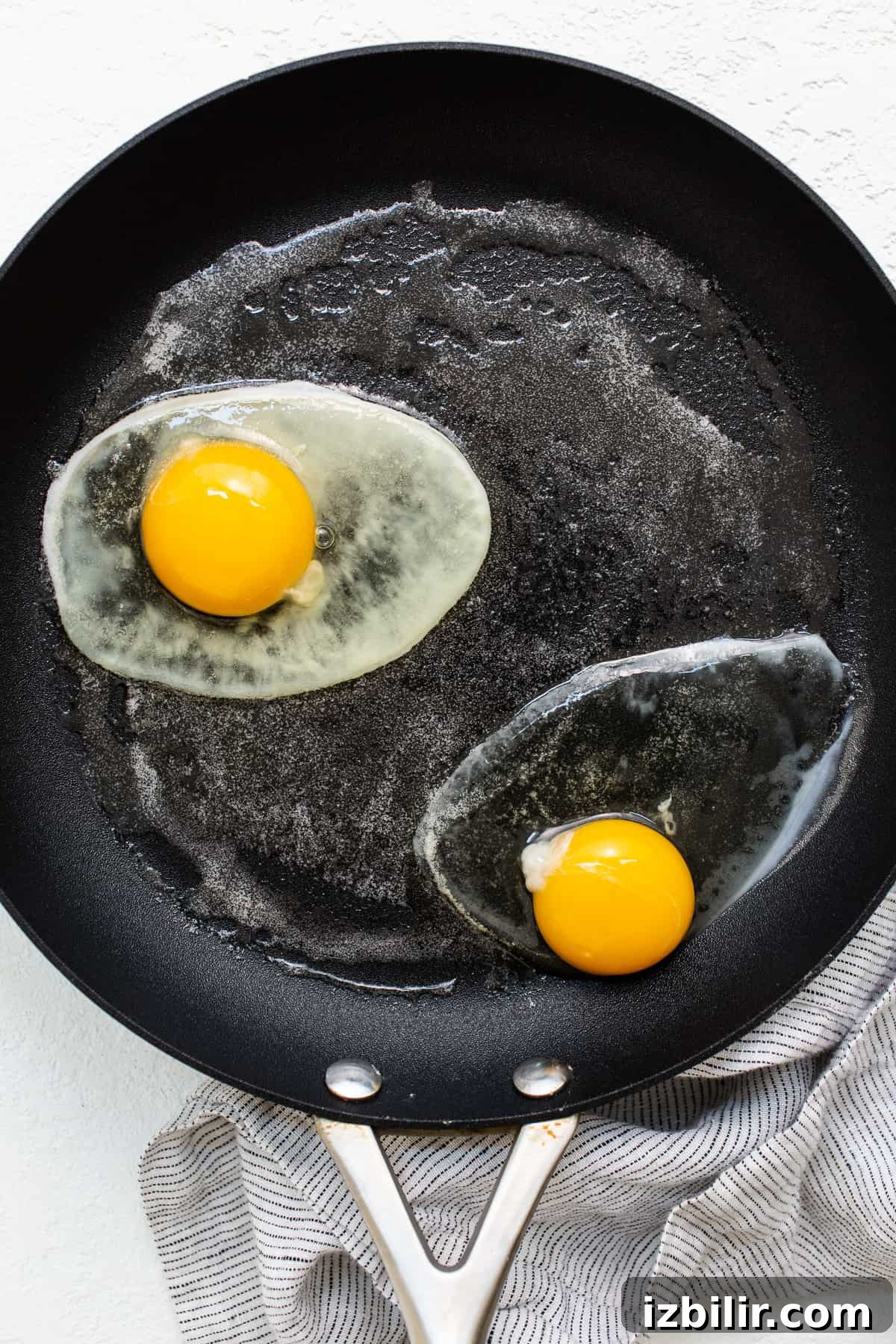
Best Pans for Over Hard Eggs
Any frying pan will work, but each material behaves differently. Adjust technique accordingly:
- Non-stick: the easiest choice—eggs slide and flip cleanly. Great for beginners and quick breakfasts.
- Cast iron: retains and distributes heat well. Use sufficient butter and monitor the edges to prevent sticking or over-browning.
- Stainless steel: can develop hot spots. Use moderate heat, add enough butter, and gently lift the edges with a spatula to ensure they aren’t sticking.
What to Serve with Over Hard Eggs
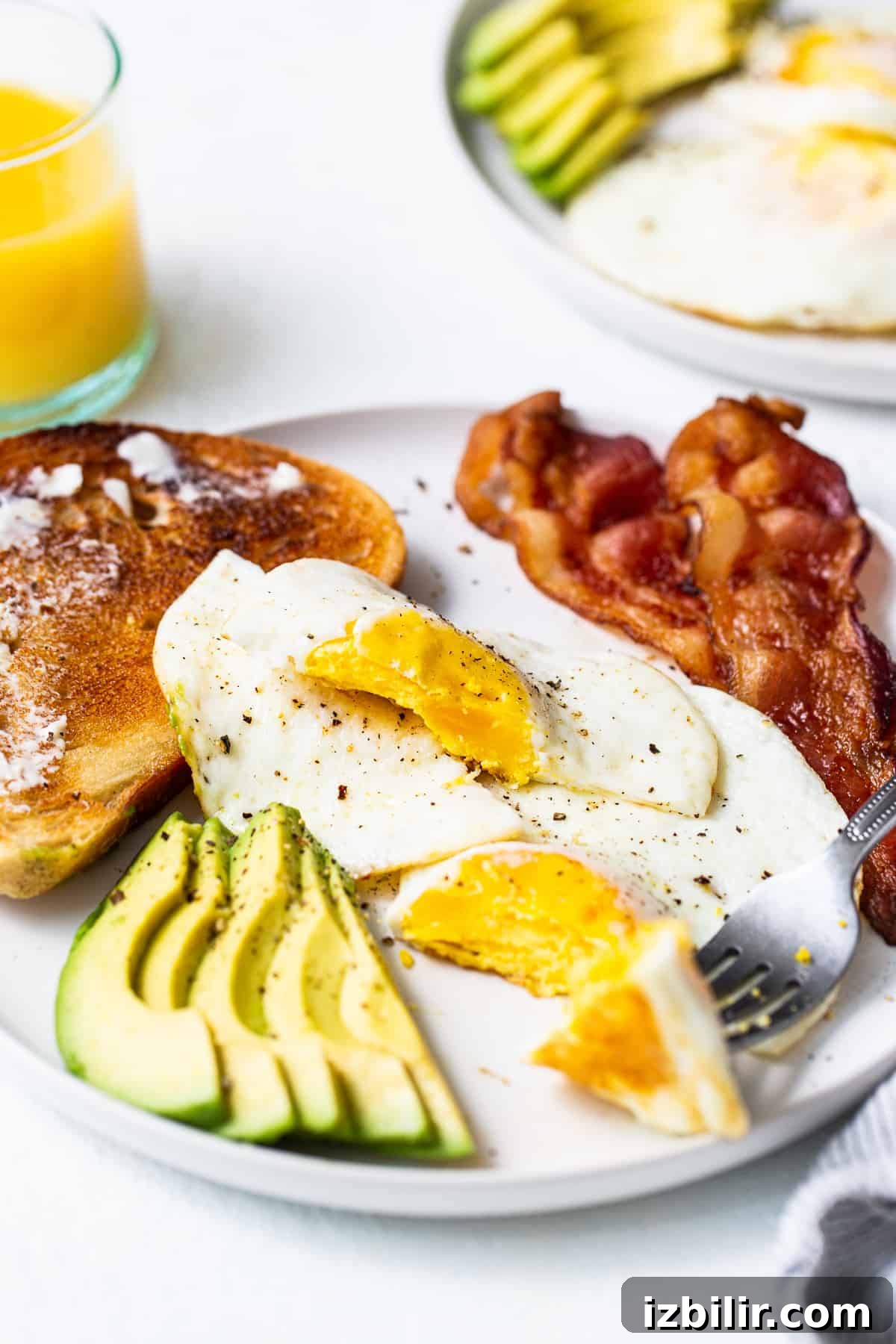
- Toast, bagels, or English muffins
- Bacon or maple breakfast sausage
- Hash browns or roasted potatoes
- Pancakes, waffles, or French toast for a heartier brunch
- Yogurt with granola and fruit for a balanced plate
Top Tips for Over Hard Eggs
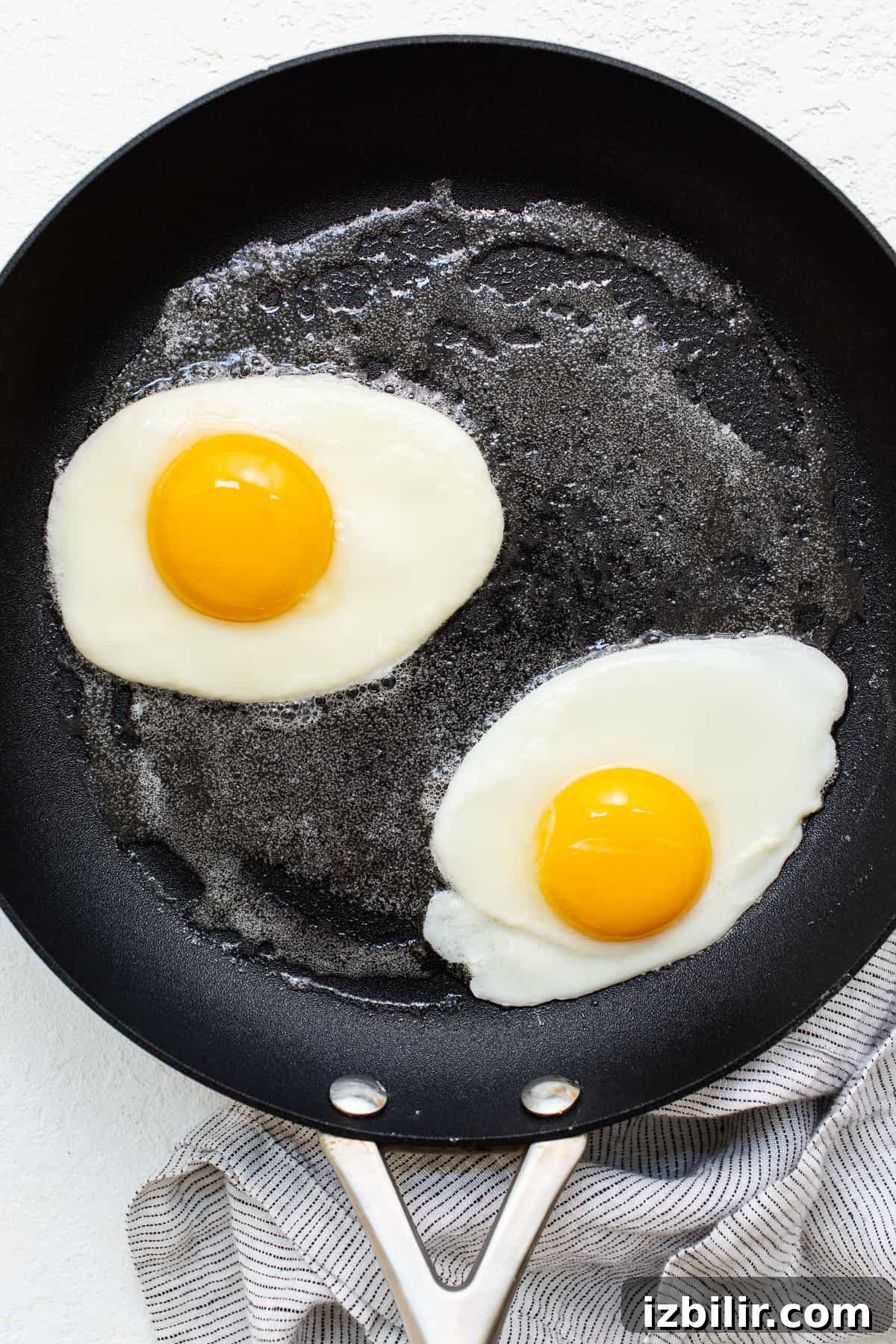
Use fresh eggs: fresher eggs have firmer whites that hold together better while cooking.
Control your heat: medium-low keeps the whites cooking through without scorching the edges.
Be patient: rushing to increase heat will cause uneven cooking and tough whites.
Check the edges: gently use a spatula to lift the white’s edge and make sure it isn’t sticking before flipping.
Season at the end: a sprinkle of salt and pepper after cooking enhances the flavor without drawing moisture during the fry.
FAQs
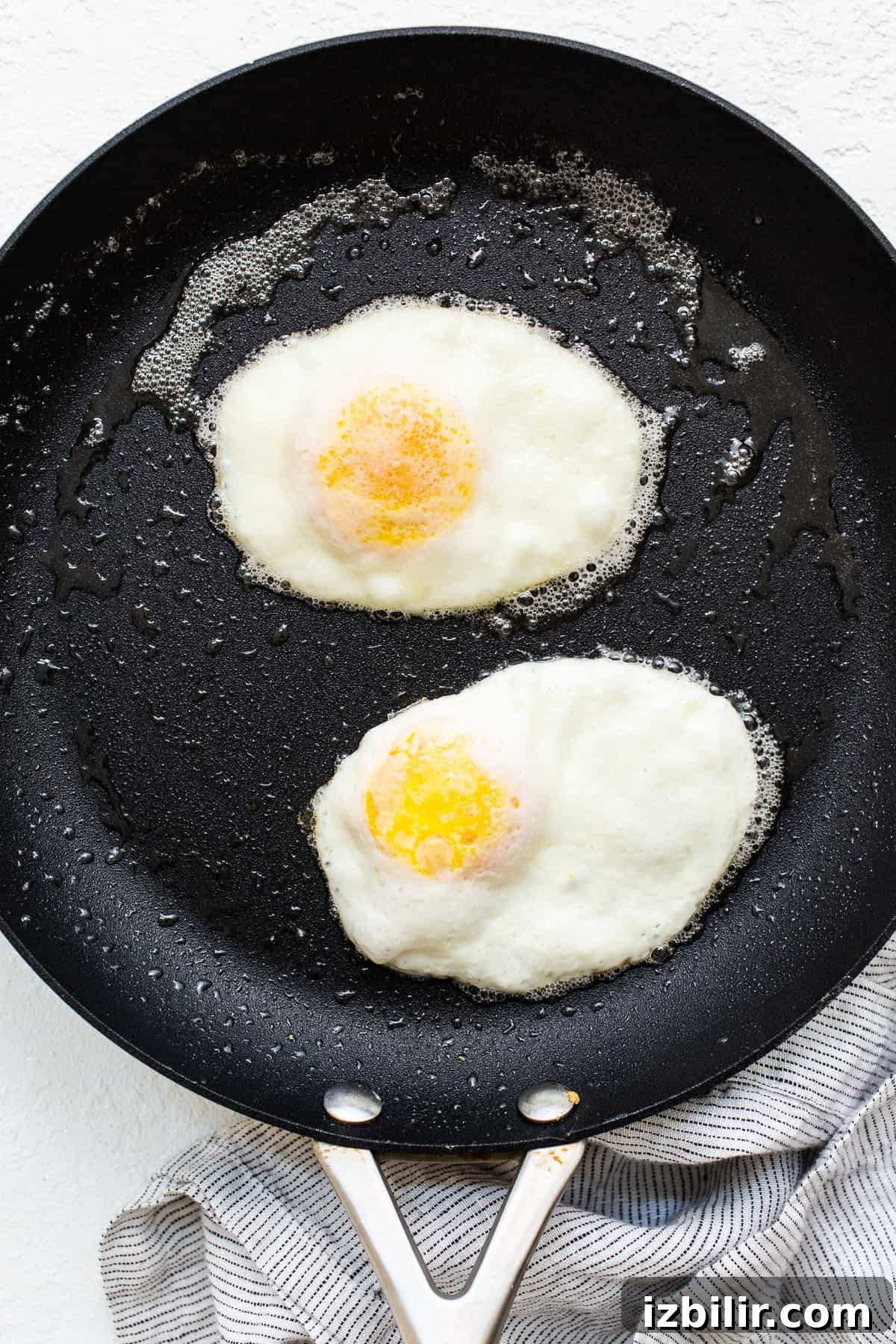
What does “over hard” mean? Over hard means the egg is flipped and cooked until the yolk is firm and completely set.
Are over hard eggs well done? Yes—over hard indicates a fully cooked yolk with no runniness.
What do over hard eggs look like? The yolk appears solid and opaque, similar in texture to a hard-boiled egg, while the whites are cooked through and usually flat.
Storage
Over hard eggs are best enjoyed immediately. If you have leftovers, refrigerate them in an airtight container for up to 3 days.
To reheat: warm gently on low power in the microwave for short intervals to avoid rubbery whites. Alternatively, reheat in a non-stick skillet over low heat until warmed through.
More of our favorite egg recipes
Recipes with Eggs
- Perfect Hard Boiled Eggs
- Over Easy Eggs
- How to Make Scrambled Eggs
- Instant Pot Egg Bites
- Sheet Pan Sweet Potato Hash
- Salmon and Eggs Scramble
- All Recipes with Eggs
Over Hard Eggs
Make amazing eggs every time with this simple over hard eggs method. Step-by-step, foolproof instructions to get fully cooked yolks and tender whites.
By: Emily Richter
Prep: 2 mins | Cook: 6 mins | Total: 8 mins
Servings: 2
Ingredients
- 4 large eggs
- 2 tablespoons unsalted butter
- Salt and pepper, to taste
Instructions
- Heat a non-stick frying pan over medium-low heat (an 8–10 inch pan works well). Add the butter and let it melt, coating the pan.
- Crack the eggs into the pan, taking care not to overcrowd—no more than two eggs per pan for even cooking. Allow the whites to begin setting for about 3 minutes.
- When the whites are mostly set but the top is still slightly soft, use a spatula to gently flip each egg. Cook the flipped eggs for about 3 minutes more, or until both the whites and the yolks are fully cooked and firm.
- Transfer the eggs to a plate, season with salt and pepper, and serve immediately.
Tips & Notes
- Egg size changes cook times: medium or extra-large eggs will need slight adjustments.
- Stove and pan variation: adjust the heat if you see too much browning; the goal is a fully cooked egg without hard, burnt edges.
- If you prefer a slightly firmer white before flipping, cover the pan for a minute to trap heat and set the top without overcooking the yolk prematurely.
Nutrition (per serving, approximate)
Calories: 226 kcal — Carbohydrates: 1 g — Protein: 11 g — Fat: 20 g — Sugar: 0.3 g
Nutrition values are estimates and should be used as a guideline only.