
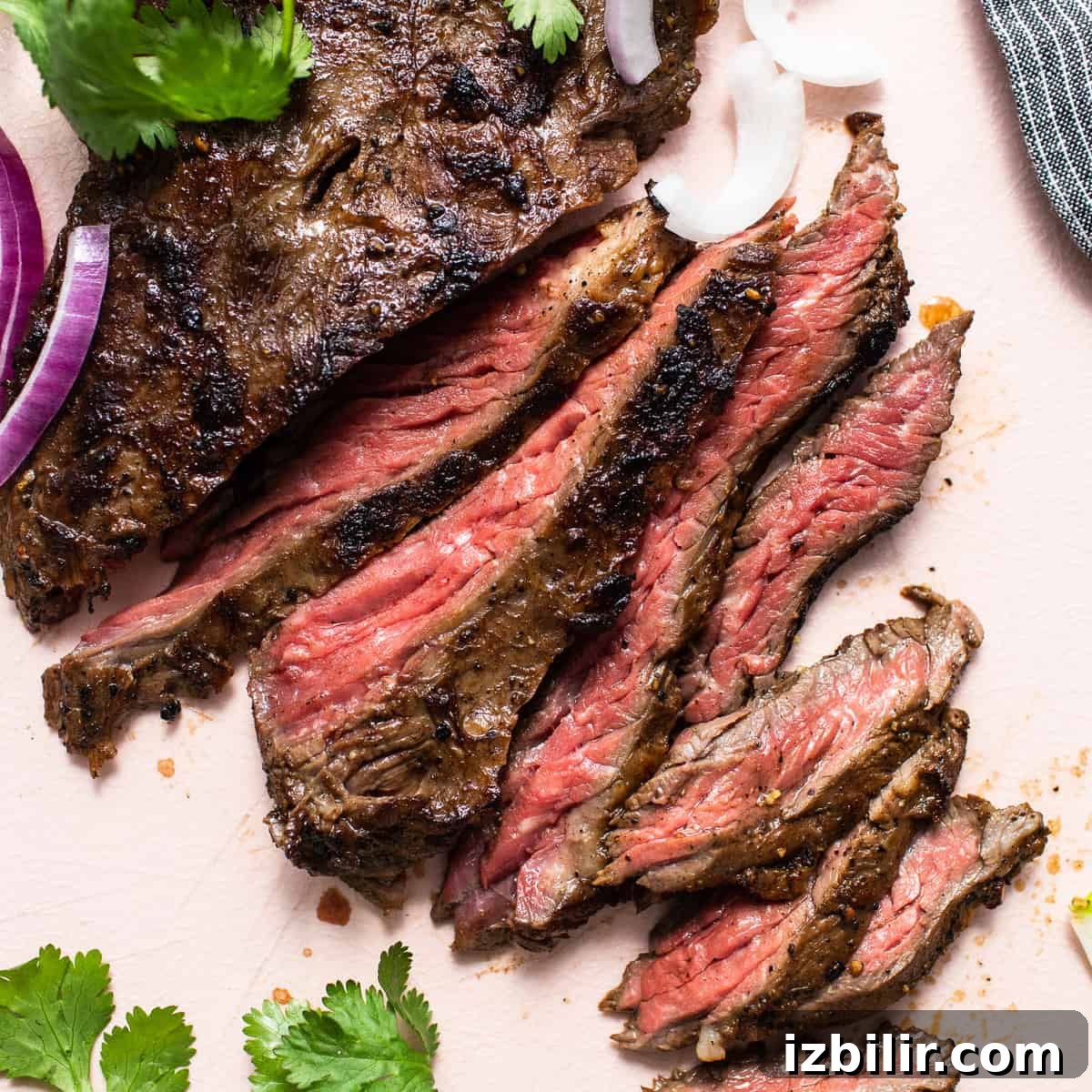
Learn how to cook skirt steak with this simple pan-seared skirt steak recipe. The steak is marinated overnight in a bright, savory mixture, then seared quickly over very high heat for juicy, flavorful results. Slice thin against the grain and serve with vegetables, in fajitas, or atop a hearty salad.
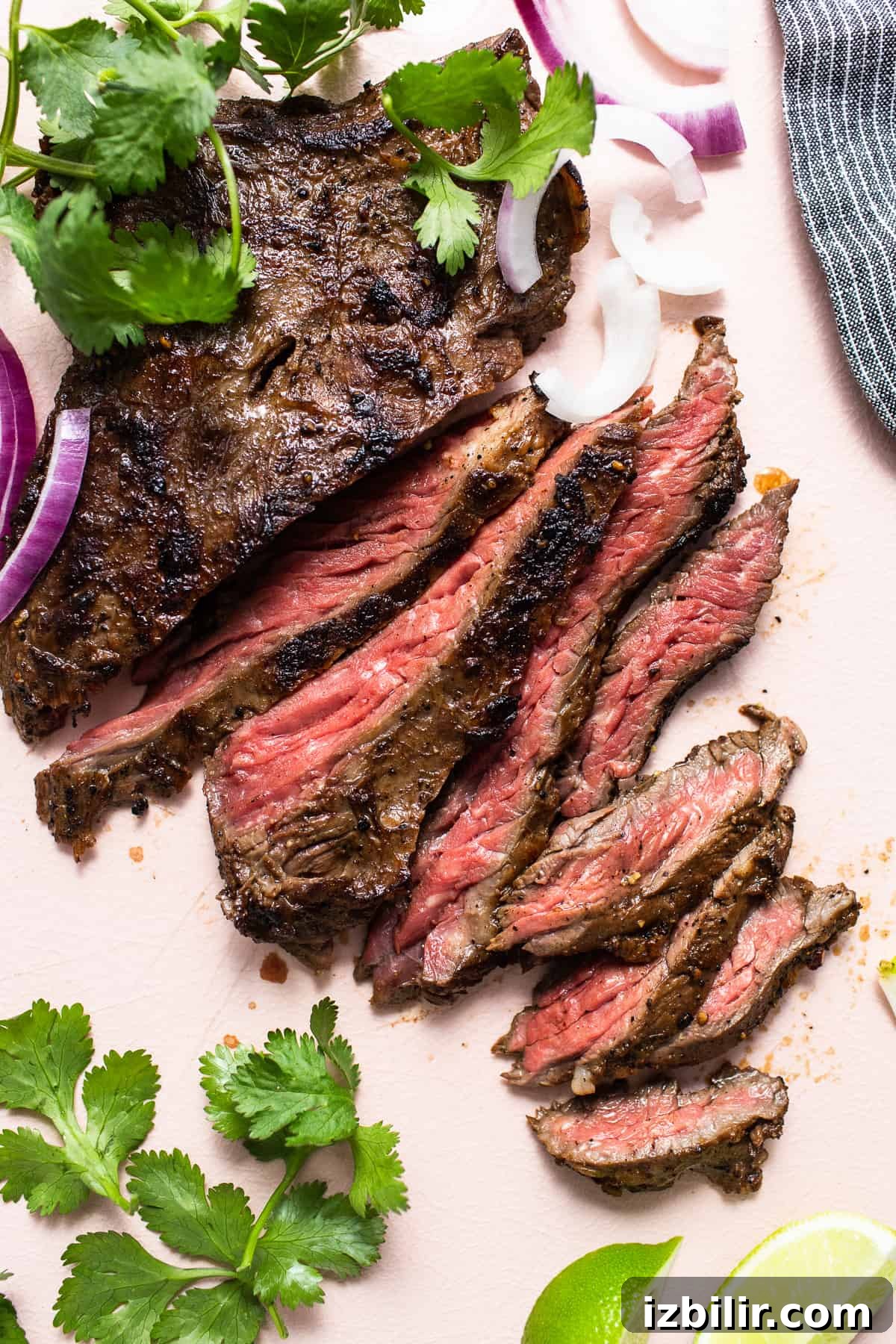
The Best Juicy Skirt Steak
Skirt steak is an intensely flavored cut that benefits from a short, high-heat cook and a flavor-packed marinade. Marinating overnight tenderizes the meat and infuses it with bright, savory notes. When ready, sear each side for a minute or so until you reach your desired internal temperature. Rest briefly, then slice thinly against the grain for the best texture.
What is skirt steak?
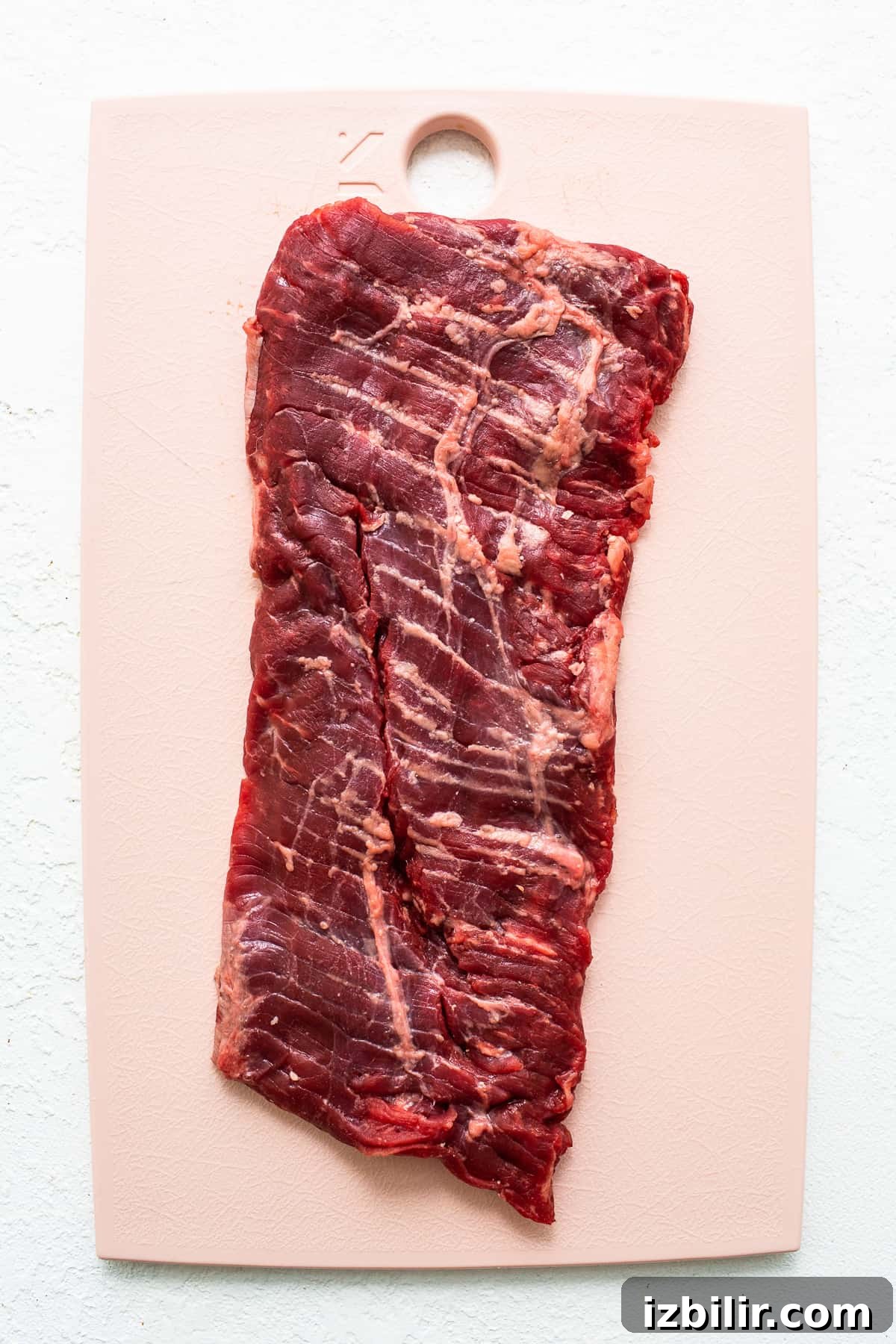
Skirt steak comes from the plate of the cow. It’s prized for its strong beefy flavor rather than tenderness. Because it can be chewy if cooked improperly, it works especially well with a marinade and quick, high-heat cooking.
What does skirt steak taste like?
Skirt steak has a rich, beef-forward taste with buttery notes from its marbling. Properly prepared, it’s tender and juicy with a satisfying chew and pronounced beef flavor.
Can you use skirt steak and flank steak interchangeably?
Skirt and flank are distinct cuts, but they’re similar enough that flank steak can be substituted when skirt steak isn’t available. Adjust cooking time slightly because thickness and muscle structure can vary.
Why you’ll love it
So juicy: marinating and quick searing keeps the steak juicy and flavorful.
Consistent results: this method delivers reliably cooked skirt steak without overcooking.
Easy marinade: the homemade marinade is simple to whisk together and works best if the steak soaks overnight.
Featured Ingredients
For the skirt steak
- 2 lbs. skirt steak: two long, thin steaks are typical for this amount. Scale the marinade proportionally if increasing the quantity.
For the marinade
- Worcestershire sauce: adds umami and tang that complements beef.
- Fresh garlic: minced garlic gives bright, savory depth—fresh is preferred to powder.
- Fresh lime juice: a touch of acidity balances the marinade and helps tenderize.
- Freshly cracked black pepper: coarse pepper adds texture and a peppery bite.
- Kosher salt: seasons and helps the marinade penetrate the meat.
- Brown sugar: a small amount balances the savory ingredients and encourages caramelization during searing.
- Coriander: earthy, citrusy notes that enhance the overall flavor.
- Olive oil: helps bind the marinade and keeps the meat moist during searing.
How to Make Skirt Steak
Tenderize the skirt steak
Place the skirt steak on a cutting board and, using a meat mallet, pound the steak to an even thickness of roughly 1/2 to 1 inch. Salt both sides and rub the salt into the meat. Transfer the steak to a dish or a resealable plastic bag to prepare the marinade.
Prepare the marinade
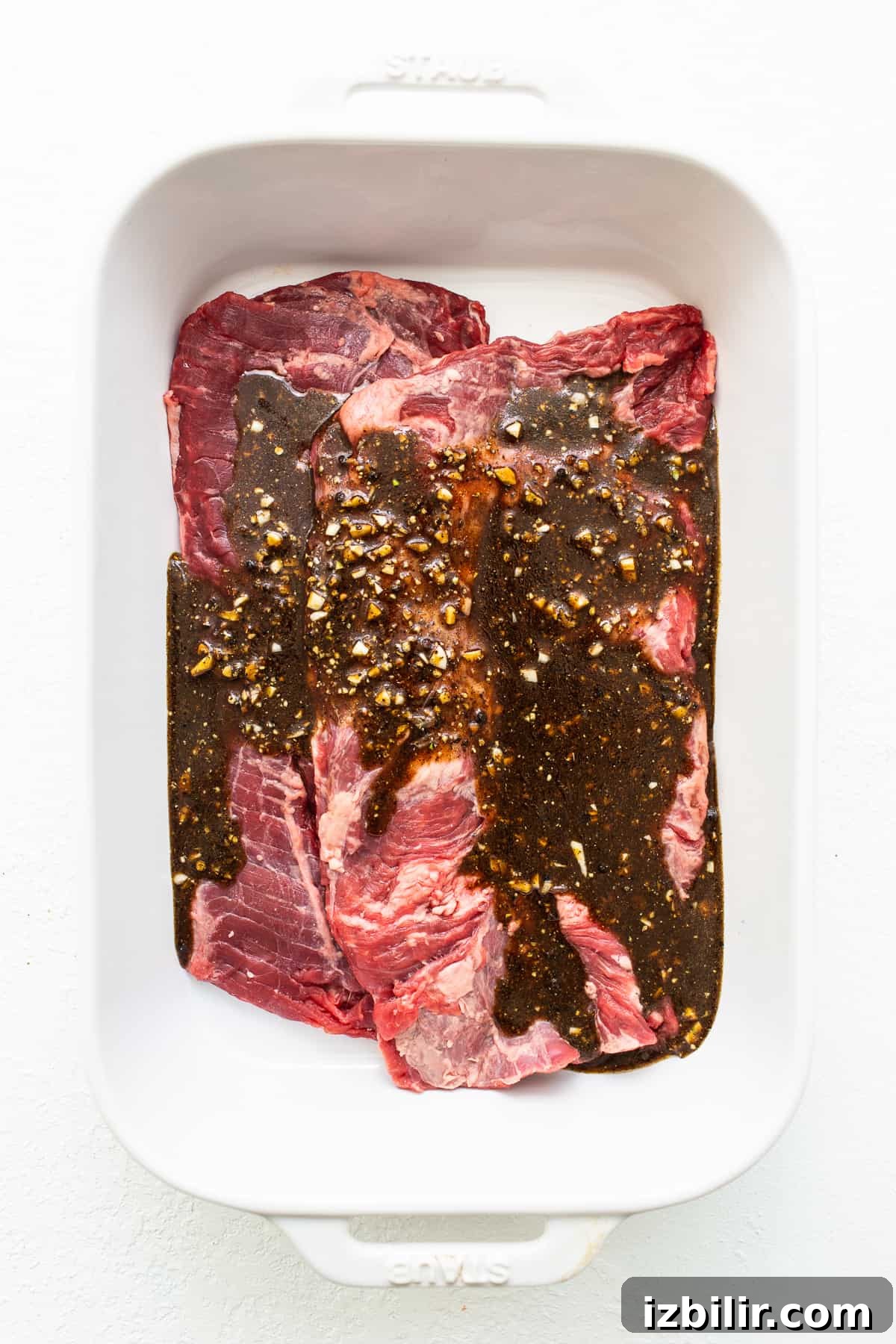
Coarsely grind black peppercorns so they’re in small pieces rather than fine powder. In a bowl, combine the cracked pepper with minced garlic, coriander, brown sugar, Worcestershire sauce, fresh lime juice, and olive oil. Whisk until blended.
Marinate overnight
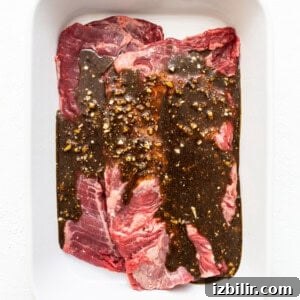
Pour the marinade over the steak so every surface is coated. Massage the mixture into the meat, then refrigerate covered for at least several hours and preferably overnight for best flavor and tenderness.
Sear the skirt steak
When ready to cook, remove the steak from the refrigerator and let it come to room temperature for about 20–30 minutes. Heat 2 tablespoons of olive oil in a large cast-iron skillet over high heat until shimmering. Add the steak and sear approximately 1 minute per side for medium-rare; target an internal temperature of about 140ºF for medium-rare. If you prefer more done, sear slightly longer. Repeat for the second piece if needed.
Internal Temperature Guide
Use an instant-read thermometer for accuracy. Typical target temperatures:
- 135ºF: rare
- 140ºF: medium-rare
- 150ºF: medium
- 165ºF: well-done
Let rest: always let the steak rest for 5–10 minutes after cooking; internal temperature will rise a few degrees and juices will redistribute.
Rest, slice & serve
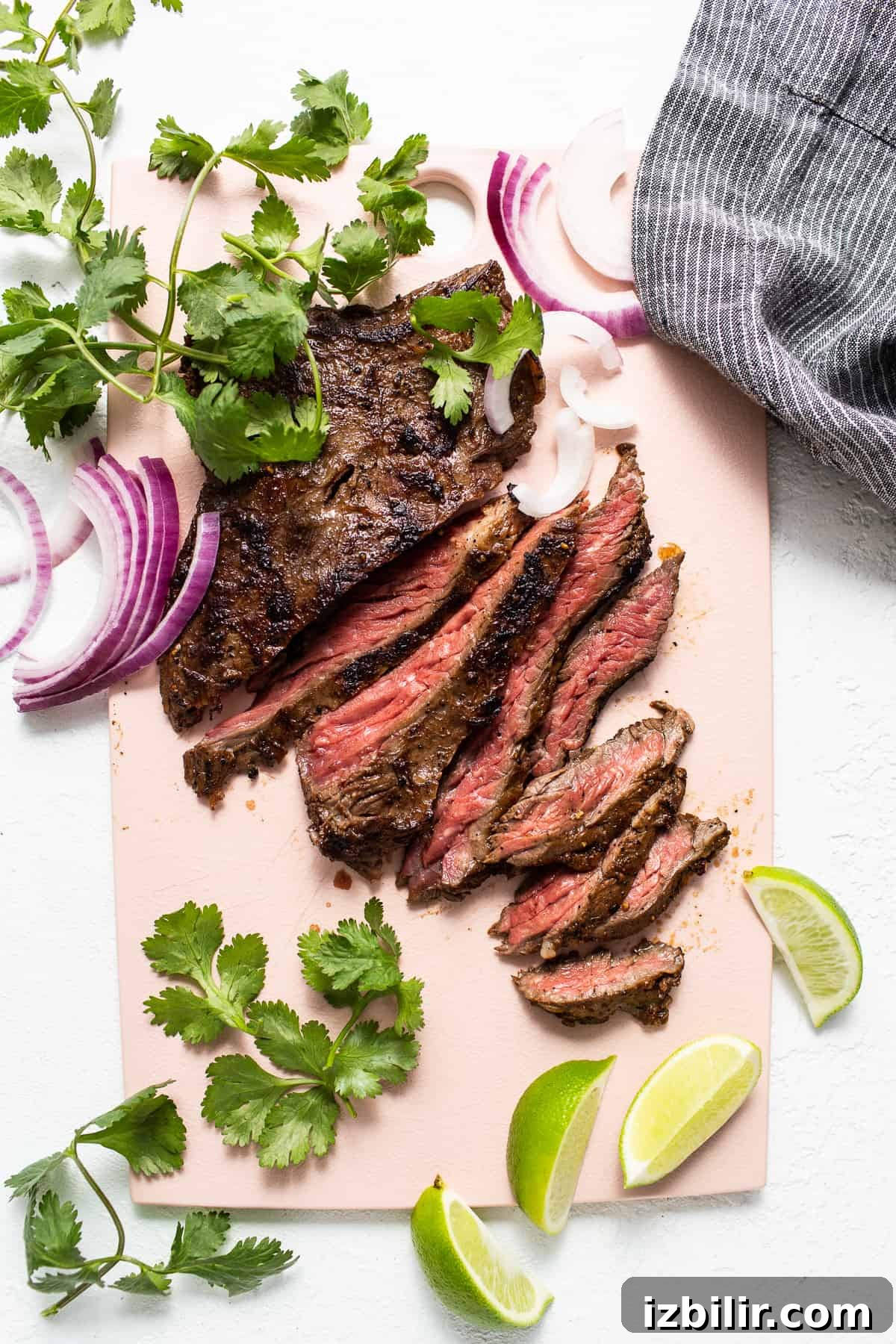
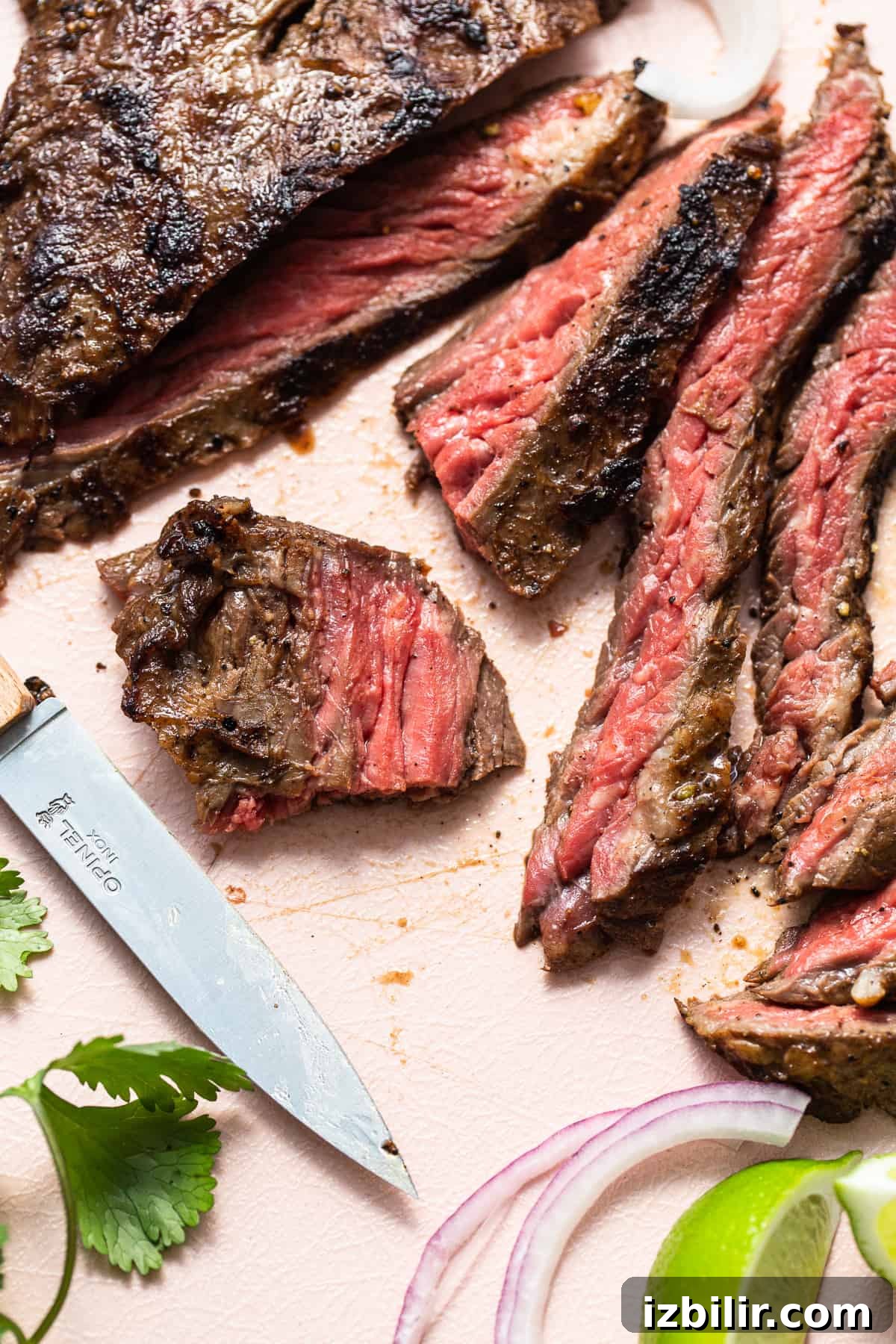
Transfer the steak to a cutting board and rest for 8–10 minutes. Slice thinly across the grain for the most tender bites. Serve immediately with roasted vegetables, in fajitas, on salads, or alongside your favorite sides.
Top Tips for Perfect Skirt Steak
- Sear first: a brief, intense sear develops a caramelized crust without overcooking the interior.
- Use a thermometer: skirt steak cooks quickly—an instant-read thermometer prevents overcooking.
- Always rest: resting for a few minutes ensures juicier slices and avoids losing precious juices when you cut the meat.
What to Do with Leftover Skirt Steak
If you have leftovers, skirt steak is highly versatile. Try these ideas:
- Salads: slice and add to a green salad or a composed steak salad for protein-packed meals.
- Mac and steak: pair sliced steak with mac and cheese for a comforting plate.
- Nachos: top nachos with diced skirt steak instead of ground beef.
- Bowl meals: use diced steak in grain or taco bowls with fresh vegetables and salsa.
Storage
Allow the steak to cool to room temperature, then store in an airtight container in the refrigerator for 3–5 days. Reheat gently to preserve juiciness—slices warmed briefly in a hot skillet or microwave on low work well.
Notes & Variations
- Grill option: preheat the grill to high (about 450ºF). Sear each side for roughly 1 minute or until the desired internal temperature is reached.
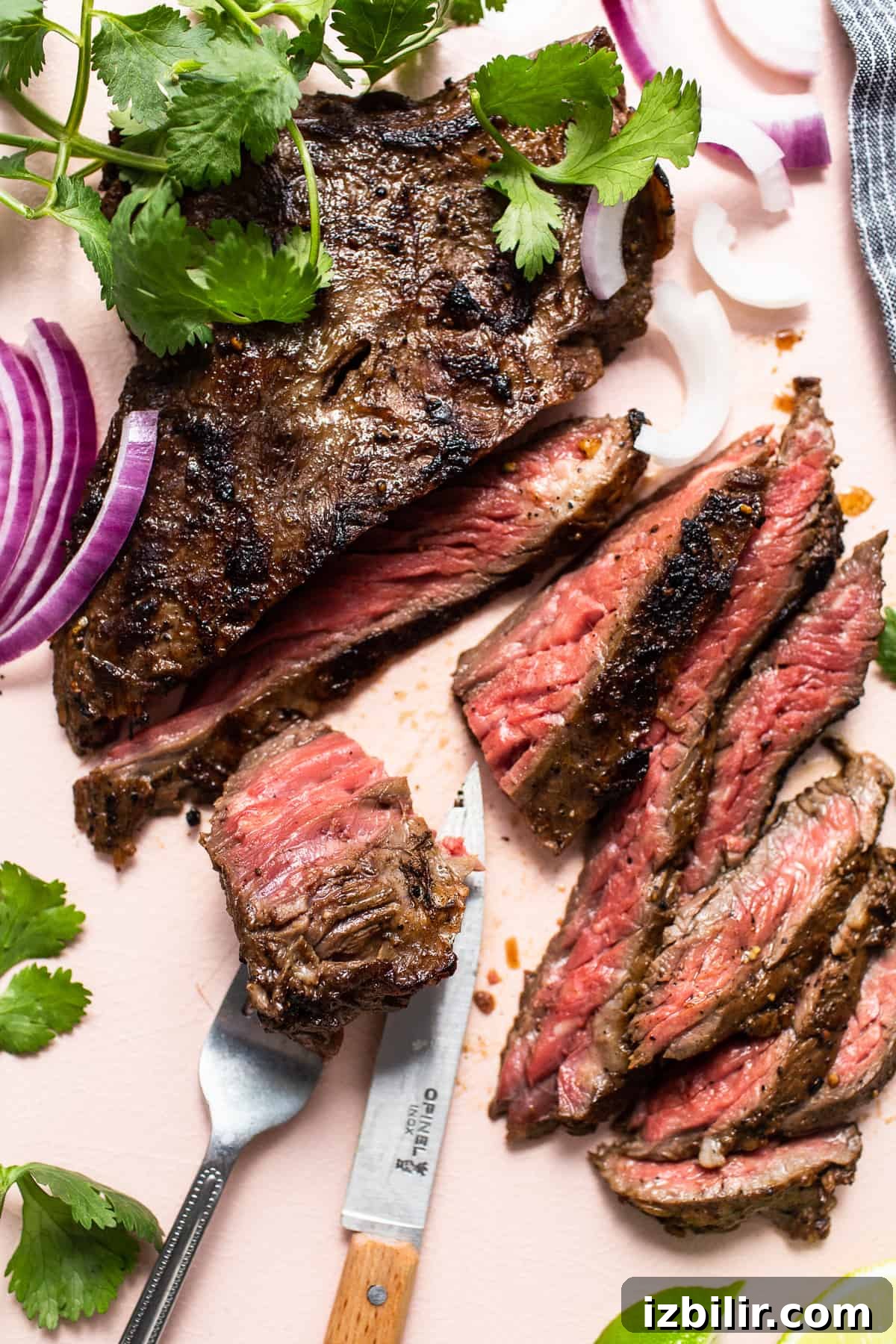
- Doneness: skirt steak is best medium-rare to medium; cook longer only if you prefer a well-done steak.
- Serving suggestion: serve with chimichurri, a citrusy salsa, or a simple compound butter for added richness.
Nutrition (approximate per serving)
Calories: 333 kcal; Carbohydrates: 6 g; Protein: 33 g; Fat: 20 g; Fiber: 1 g; Sugar: 2 g. Nutrition values are estimates and should be used as a general guide.
Photography: photos used in this post were taken by the original photographer credited with the recipe.