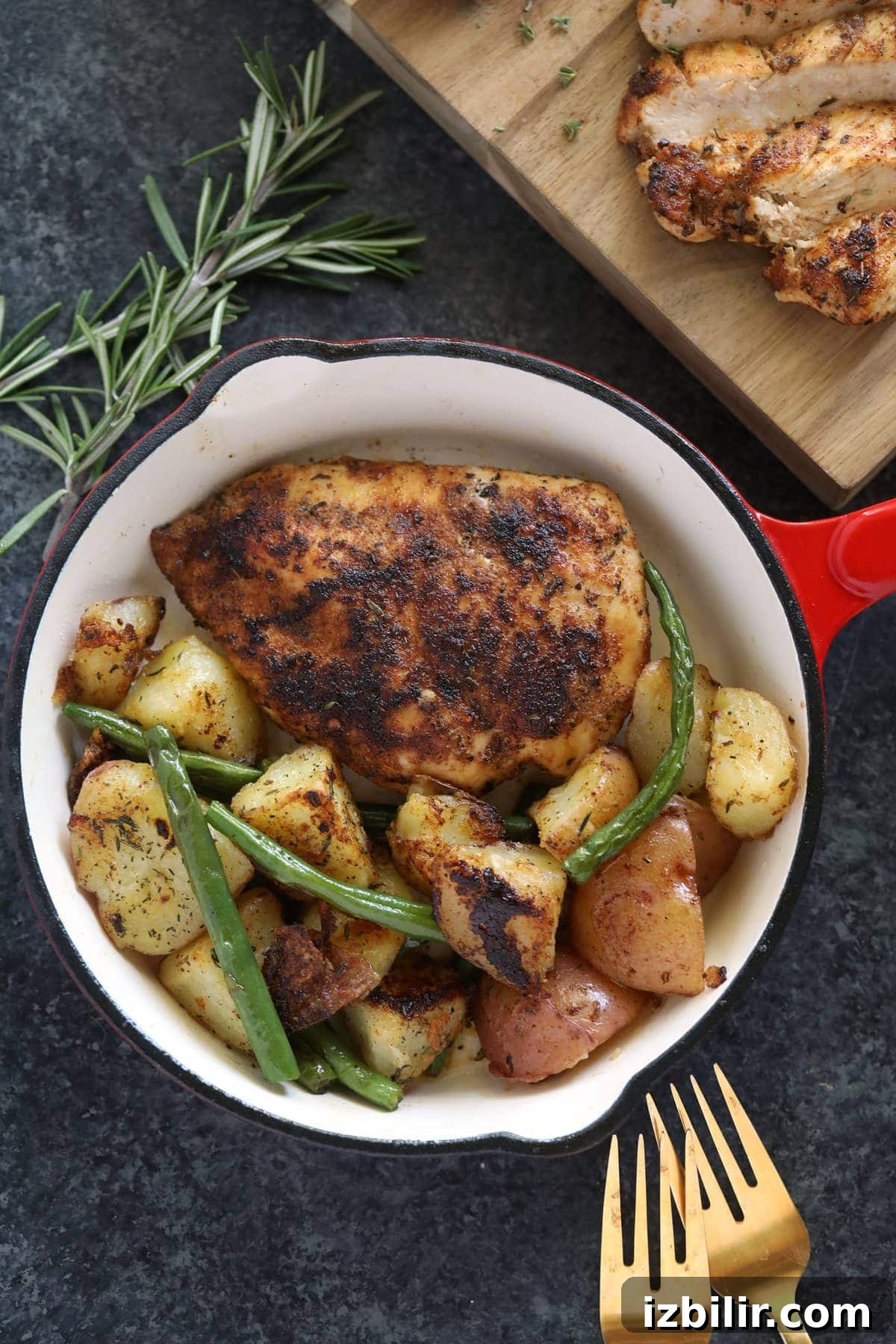
Pan Seared Chicken Breast
Pan seared chicken breast delivers juicy, golden-brown chicken in under 30 minutes with just a few pantry staples: chicken breasts, butter (or oil), and a simple seasoning blend. This method sears the exterior quickly, then finishes gently so the interior stays moist.
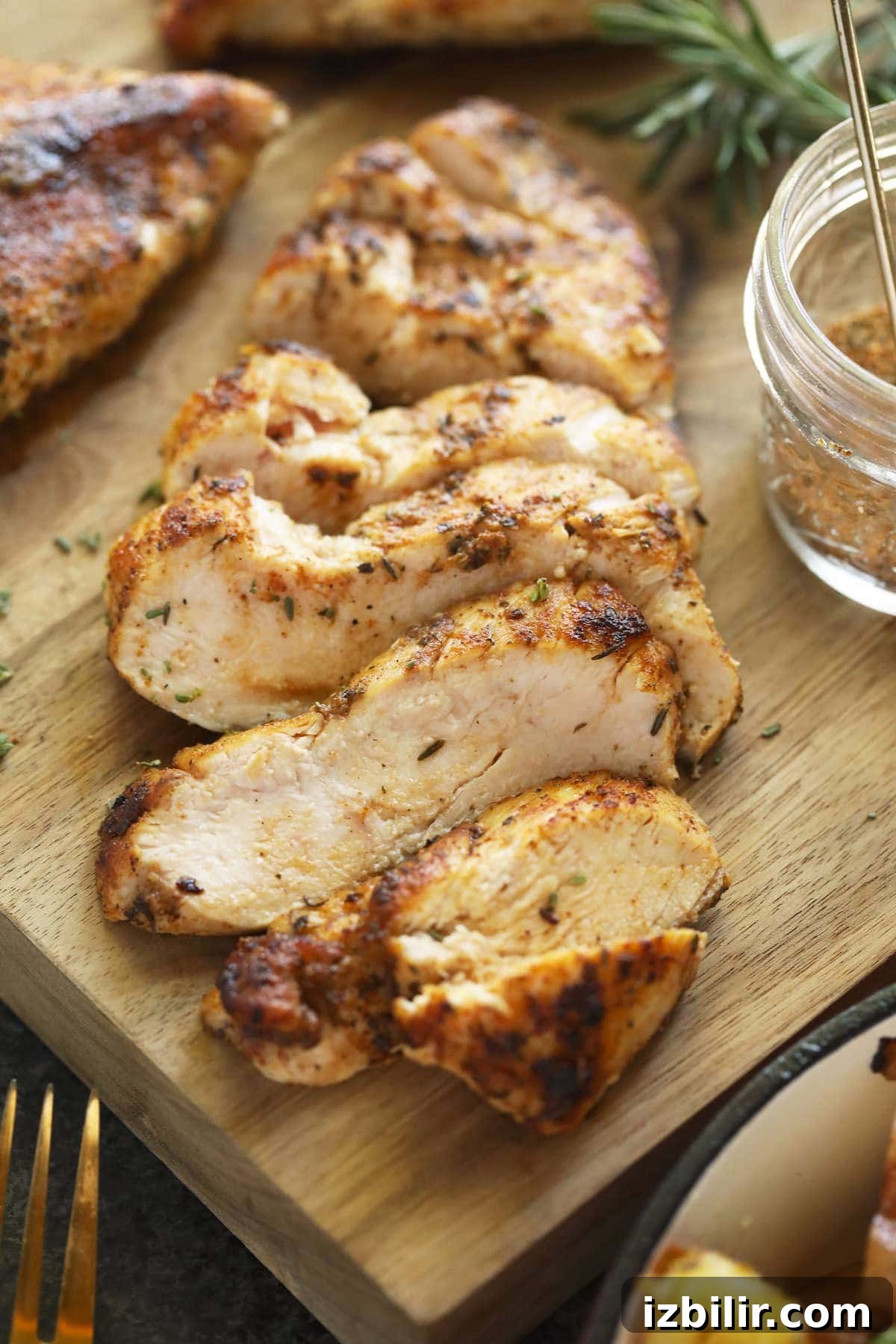
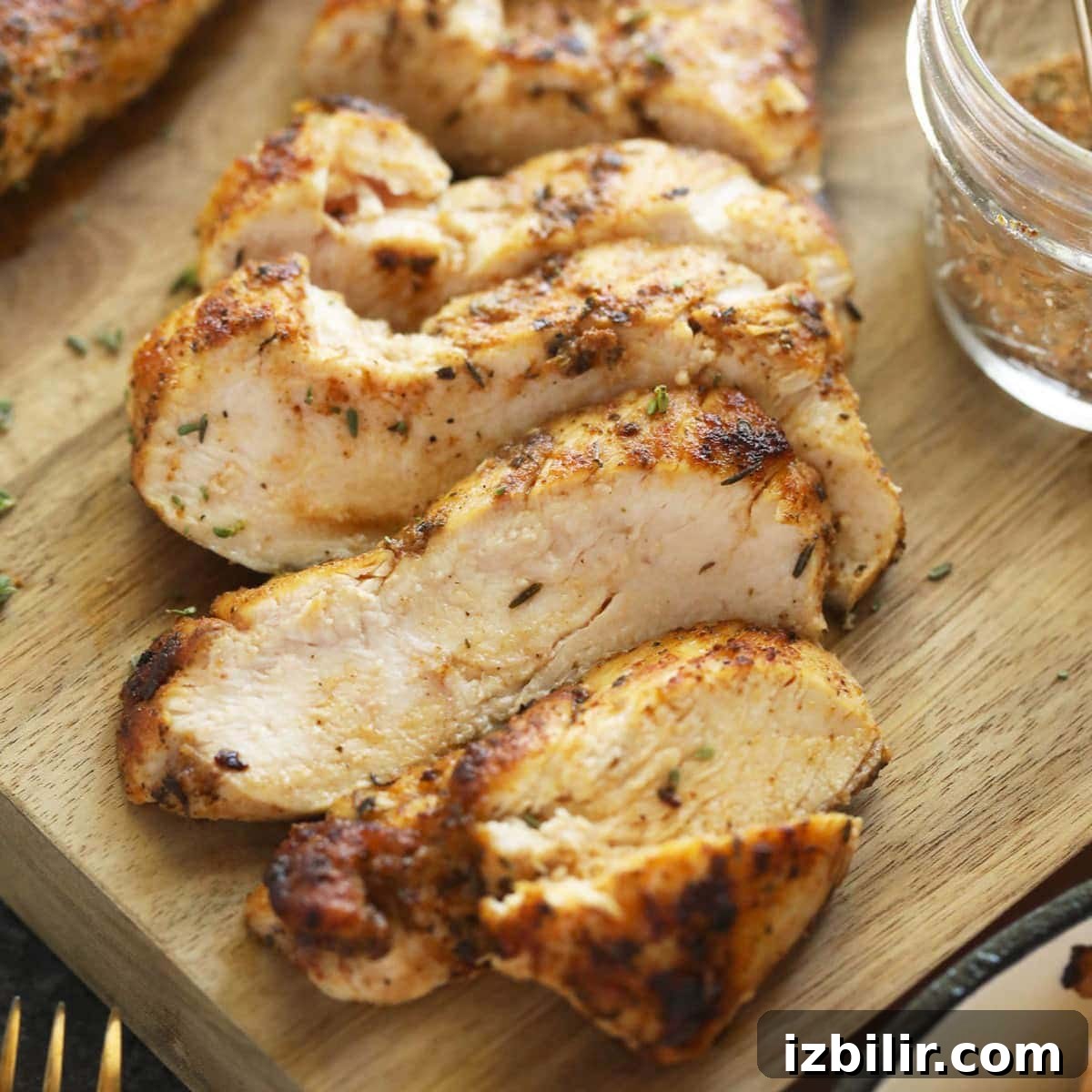
Pan searing is one of the quickest ways to cook chicken breast while keeping it tender. The technique is straightforward, reliable, and ideal for weeknight dinners or batch cooking for meal prep.
The Secret to the Perfect Chicken Sear
Sear chicken over high heat for a few minutes to develop a golden-brown crust, then reduce to medium heat to finish cooking. That initial high-heat contact creates flavor and color, while lowering the heat prevents the exterior from burning before the inside cooks through.
How to Flavor Your Chicken Breast
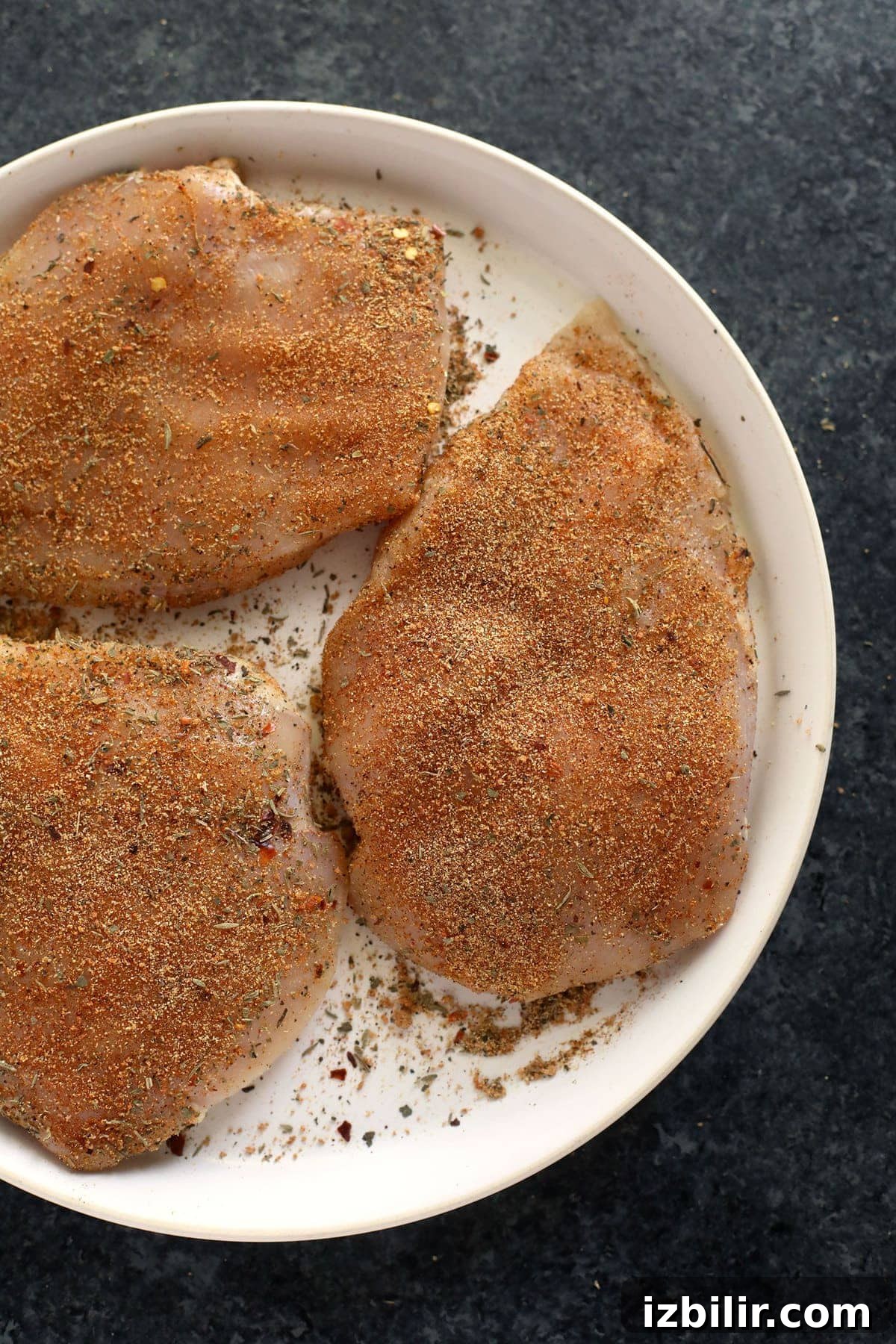
This recipe uses a balanced chicken seasoning featuring garlic powder, chili powder, ground mustard, dried herbs, paprika, a touch of brown sugar, salt, and pepper. It creates a savory, slightly smoky profile that pairs well with many sides. You can easily swap flavors to match your meal:
- Simple salt and pepper for a clean profile
- Italian seasoning for Mediterranean dishes
- Everything bagel seasoning for a savory, toasty finish
- Ranch seasoning for a tangy, herby option
Chicken to seasoning ratio
For about 1.5 lbs (3–4) boneless, skinless chicken breasts, use roughly 1.5 tablespoons of the chicken seasoning blend.
Butter or Oil — Which Is Better?
Butter adds great flavor and helps the chicken brown beautifully, but oils with higher smoke points—like avocado oil—are also excellent choices, especially if you prefer to cook at higher heat. Olive oil works too, but keep an eye on temperature to avoid smoking.
Should You Tenderize the Chicken Before Pan-Frying?
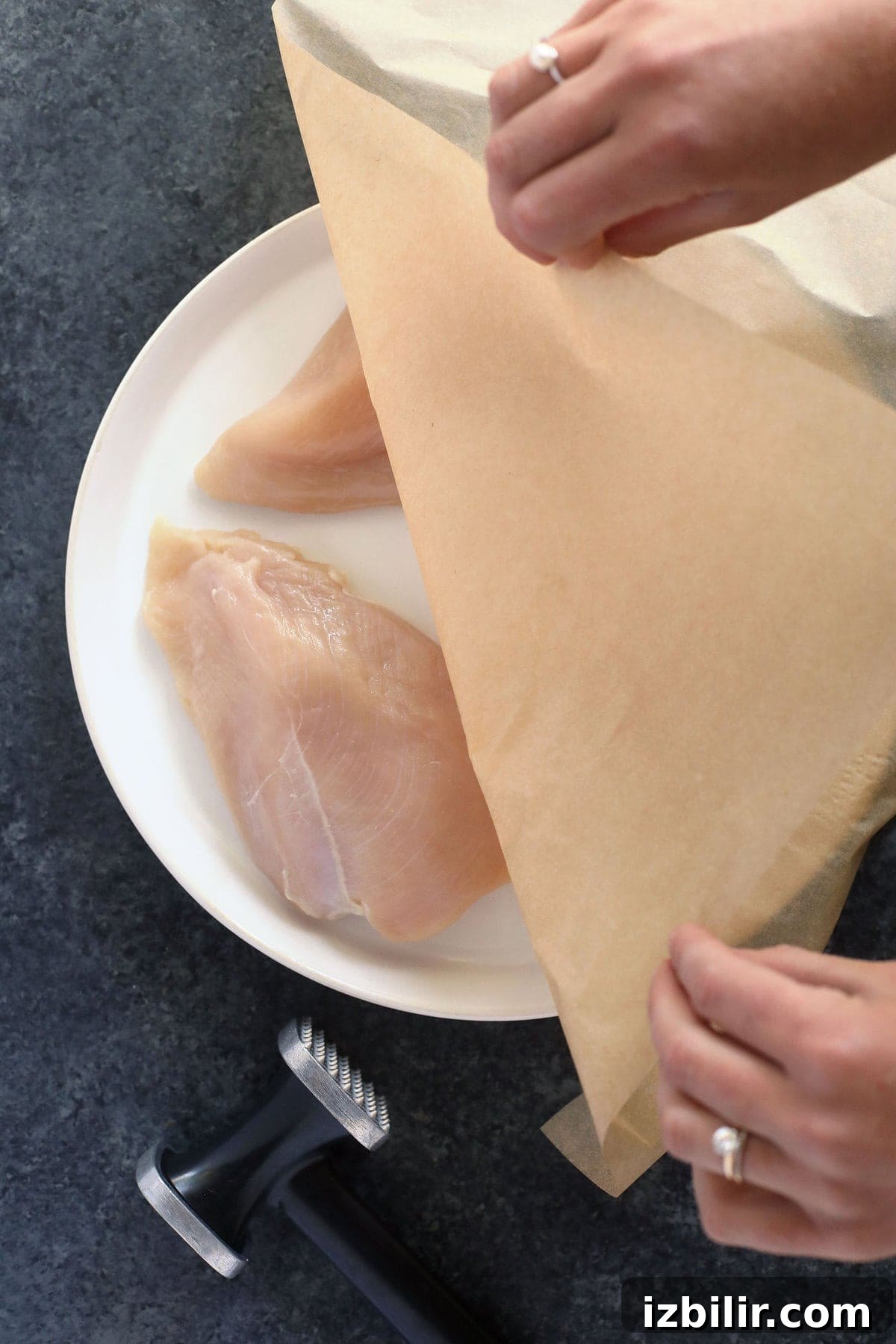
Yes—pounding chicken breasts to an even thickness ensures they cook evenly and quickly. Place each breast between parchment or plastic wrap and gently pound with a meat mallet until about 1–1.5 inches thick. The more even the thickness, the less risk of overcooking thin edges while the center finishes.

Storing and Reheating Leftovers
Store cooked chicken in an airtight container in the refrigerator for 3–5 days. To reheat, place the chicken on a microwave-safe plate and warm on high for 60–90 seconds, or reheat gently in a skillet over low heat to preserve juiciness.
Freezing Cooked Chicken
Allow chicken to cool completely, then transfer to a freezer-safe bag with as much air removed as possible. Freeze for up to 3 months. Thaw overnight in the refrigerator before reheating.
What to Serve with Pan Seared Chicken
This chicken is versatile. Use it whole, sliced, or shredded:
- Add shredded chicken to soups or chilis for extra protein.
- Use shredded or diced chicken in tacos, wraps, or salads.
- Serve with roasted vegetables, potatoes, or a grain like rice or quinoa.
- Slice and layer over grain bowls, Mediterranean bowls, or hearty salads.
Ingredients
Chicken Seasoning
- 1 teaspoon garlic powder
- 1/2 teaspoon chili powder
- 1/2 teaspoon cumin
- 1/2 teaspoon dried thyme
- 1/2 teaspoon ground mustard
- 1/2 teaspoon dried basil
- 1/4 teaspoon ground pepper
- 1/4 teaspoon red pepper flakes
- 1/4 teaspoon sea salt
- 1/4 teaspoon paprika
- 1/2 teaspoon brown sugar
Pan-Seared Chicken
- 1.5 lbs boneless, skinless chicken breast (3–4 breasts)
- 2–3 tablespoons butter (about 1 tbsp per breast) or 2 tbsp avocado oil
Instructions
- Combine all chicken seasoning ingredients in a small bowl and mix well. Set aside.
- Place each chicken breast between parchment or plastic and use a meat mallet to pound them to an even thickness of about 1–1.5 inches.
- Generously season both sides of each chicken breast with the prepared seasoning blend.
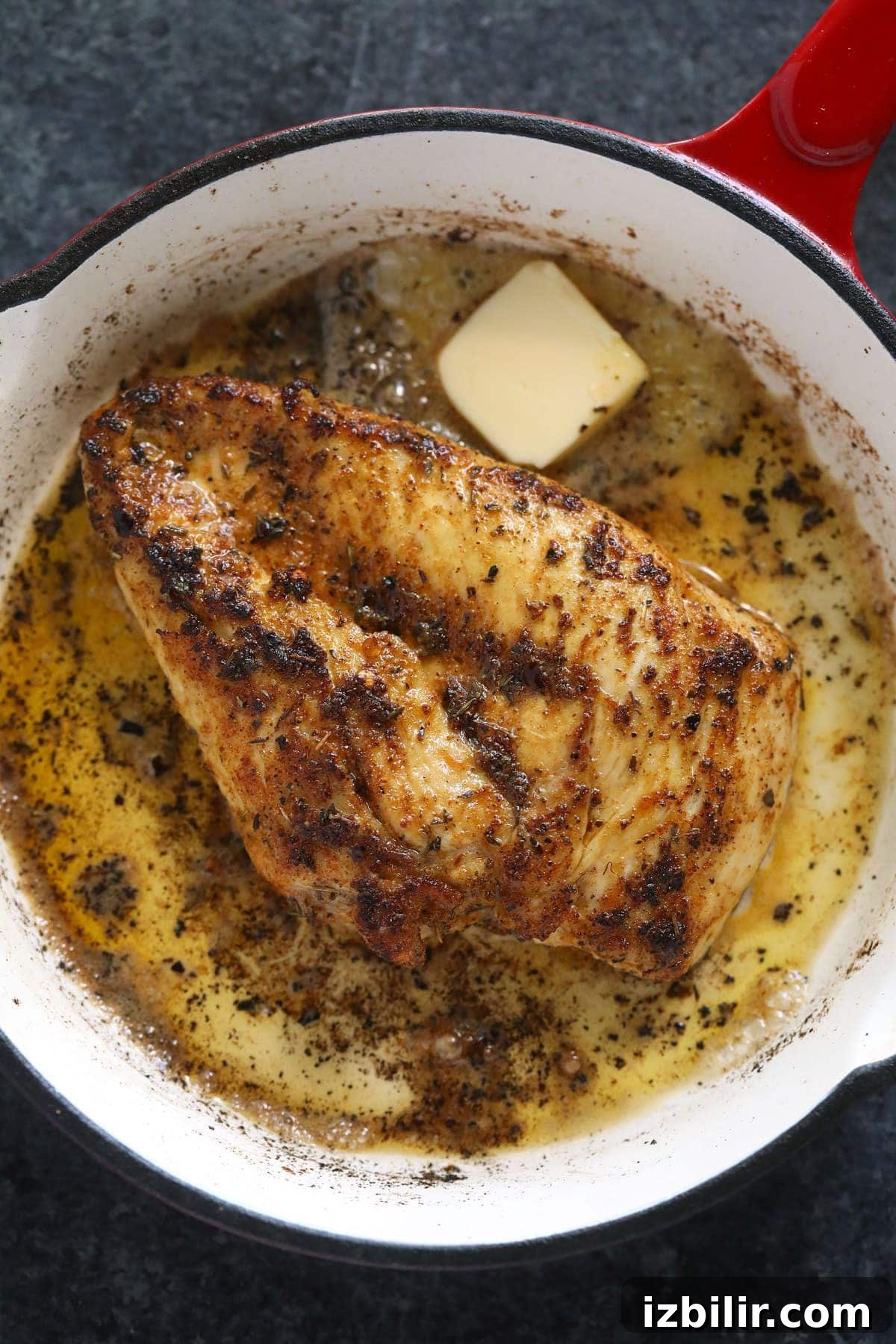
- Heat 1/2 tablespoon butter or 1 tablespoon oil in a nonstick skillet over medium-high heat. When the fat is shimmering and hot, add the chicken breasts.
- Sear for 2–3 minutes without moving them, until a deep golden crust forms. Flip and, if desired, add another 1/2 tablespoon of butter to the pan. Reduce heat to medium and cover the skillet.
- Continue cooking for about 6 minutes, or until the internal temperature reaches 160–165°F (the chicken will rise a few degrees while resting).
- Remove from the pan and rest on a cutting board for 5 minutes before slicing or serving. Resting helps the juices redistribute, ensuring tender, juicy meat.
Tips & Notes
- You can substitute about 1.5 tablespoons of a pre-made all-purpose chicken seasoning if preferred.
- Olive oil or avocado oil can replace butter—use an oil with a higher smoke point if cooking at higher temperatures.
- A nonstick pan is helpful because chicken breast is lean and can stick; a well-seasoned cast iron skillet also works.
- For best results, use a meat thermometer to check doneness and avoid overcooking.
Nutrition (approx. per serving)
Calories: 283 kcal • Carbohydrates: 2 g • Protein: 49 g • Fat: 8 g • Fiber: 0 g • Sugar: 1 g