
It’s workout time. I haven’t shared a strength routine in a while and today felt like the right moment. Lately Linley, Emily, and I have been trying out different studios and outdoor sessions across Minneapolis — everything from yoga and barre to running-based workouts and my usual strength training. Changing up your routine is excellent for the mind, body, and spirit, and I’ve noticed real benefits from mixing things up. That said, I still prioritize targeted strength sessions to build and maintain muscle.
Injury Talk
Strength training remains a cornerstone of my fitness routine, but over the past year I’ve needed to scale back because of a recurring rib and neck issue. My first and second ribs have been out of place at times, which throws the alignment of my neck and upper back off and causes surrounding muscles to tighten and compensate. That compensation can make simple movements painful and limit range of motion — some mornings my left shoulder feels so tight it’s almost by my ear, and sometimes I can’t comfortably turn my head to the left.
It finally clicked for me that this all likely dates back to being rear-ended about a year and a half ago. I had whiplash from that accident and never fully addressed it. Since then I’ve had ribs slip and a sprained neck; some flare-ups were triggered by nothing dramatic, like sleeping on my side awkwardly. The injury affects more than workouts: it impacts daily comfort and sleep. Side sleeping, which I normally prefer, has been especially problematic and I’ve been waking frequently to reposition. With insomnia already an issue, the last few weeks have been rough.
Rather than dwell on it, I’ve focused on recovery. Here’s what’s helped me rebuild stability, reduce pain, and improve sleep and daily function. These practices won’t replace medical advice, but they’ve been central to my rehabilitation.
Neck, Back, and Spine Recovery
- Chiropractic care: Regular chiropractic adjustments have made a noticeable difference. I work with Dr. Andy at Well Adjusted MN, and consistent visits have helped realign ribs and loosen tight muscles. Early sessions focused on releasing tense tissue with deep massage and cupping, then progressed into specific spinal and neck adjustments. For me, those adjustments have been the turning point toward better mobility and less pain.
- Acupuncture: I see Jen Noetzli for acupuncture, which I use both for targeted relief and general stress and anxiety support. Treatments every other week have complemented my other therapies and helped manage overall tension.
- Massage therapy: Deep tissue massage is intense but effective for releasing the tight muscles around my upper back and ribs. A skilled therapist who understands athletic and structural issues can make a big difference in reducing chronic tightness and improving movement.
- Natural and at-home practices:
- Arnica: I use arnica topically and sometimes orally to help with muscle and joint soreness. It’s been a helpful adjunct for acute flare-ups.
- Foam rolling and mobility work: Daily foam rolling and gentle mobility exercises for the neck and upper back have improved my range of motion. These low-cost, consistent practices prevent stiffness and support the adjustments and bodywork I receive professionally.
You don’t fully appreciate a healthy, pain-free body until you experience a setback. That perspective has motivated me to be more consistent with recovery and preventive care so I can return to full training without chronic issues.
Before sharing the workout below, a quick note: I filmed it while fully healthy. Right now I avoid many heavy upper-body moves that place excess strain on my traps and shoulders while I continue rehabilitating.
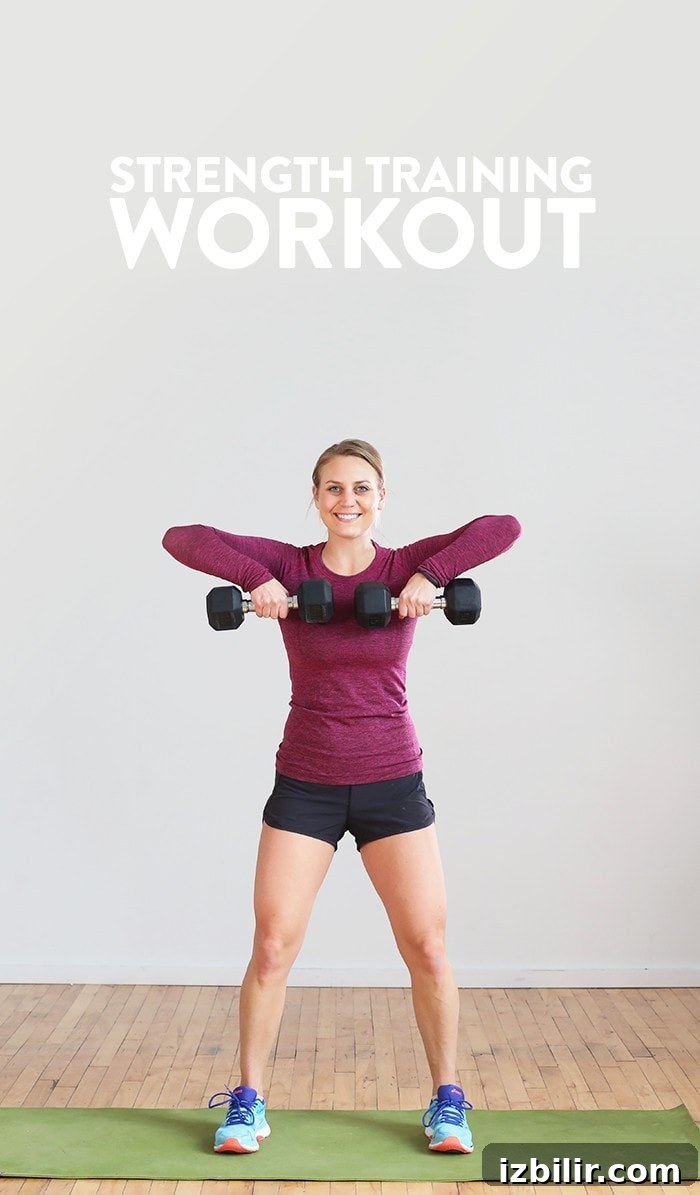
This Total Body Superset Strength Training Workout blends strength and cardio to exhaust muscles and build conditioning. You only need a medium-to-heavy set of dumbbells and a medicine ball to complete this full-body session.
Total Body Superset Strength Training Workout
Description: The workout consists of five supersets with a 1-minute cardio burst between each superset. Complete four rounds of each superset with rep schemes of 15, 12, 9, and 6. Perform the two moves of each superset back-to-back with no break; after both moves you should be breathless—if not, increase the weight. Rest 60 seconds after the superset before repeating the next round. After all four rounds, do a 1-minute sprint or cardio burst before moving to the next superset.
Superset 1
- Arnold Press
- Y-Raises
1-minute sprint
Superset 2
- Weighted Squat Jumps
- Weighted Glute Bridges
1-minute sprint
Superset 3
- Weighted Oblique Sit-Ups
- Supermans
1-minute sprint
Superset 4
- Double Dumbbell Row
- Upright Rows
1-minute sprint
Superset 5
- Weighted Alternating Lunges
- Weighted Medicine Ball Squats
1-minute sprint
Disclaimer: I am not a certified personal trainer. Consult your physician before starting any new exercise program. Always listen to your body and modify movements as needed to protect your neck, back, and overall joint health.