
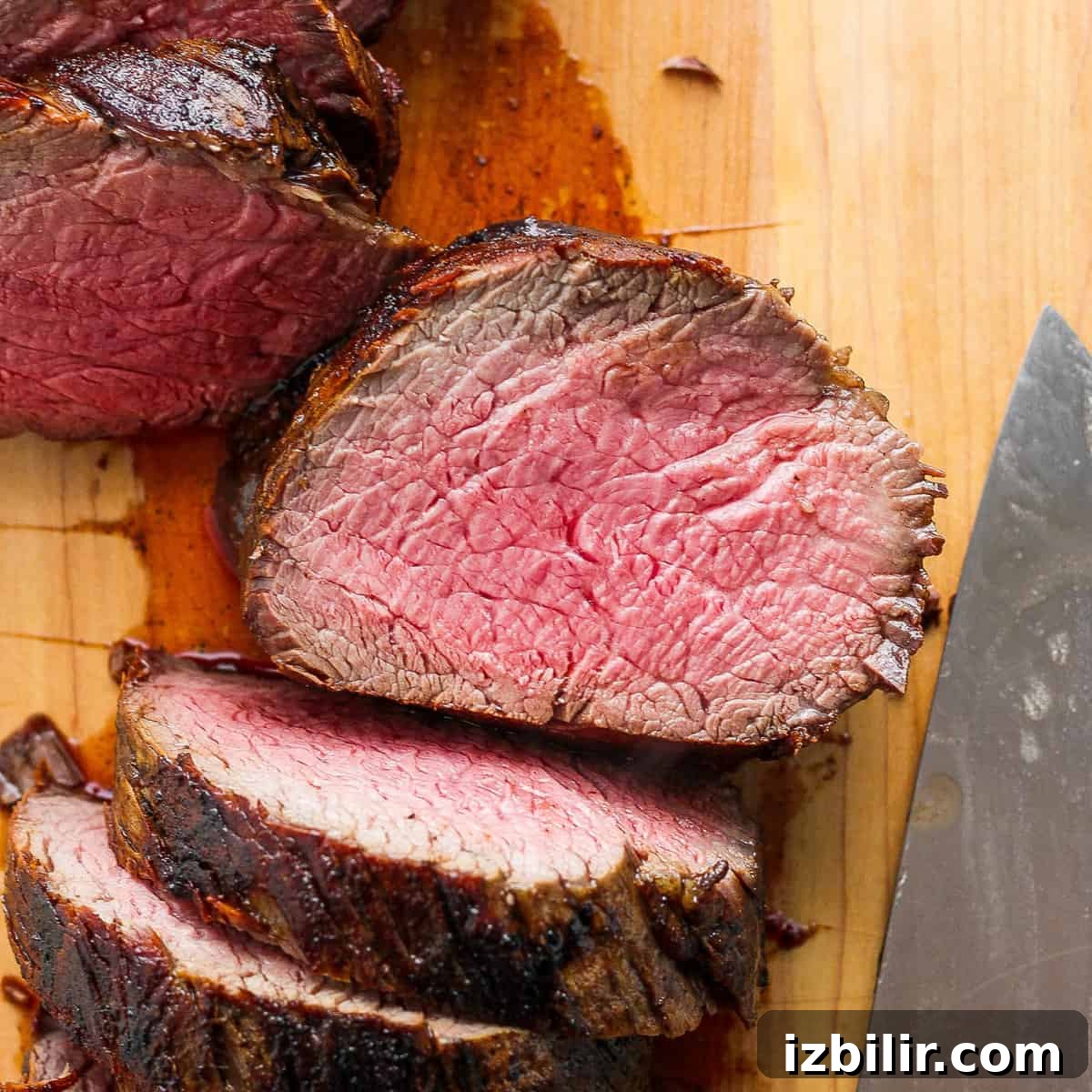
This seared beef tenderloin roast makes an impressive centerpiece for holiday dinners and special occasions. A deeply flavored crust from searing, juicy medium-rare beef, and buttery, herb-scented fingerling potatoes come together to create a memorable meal that’s both elegant and approachable.
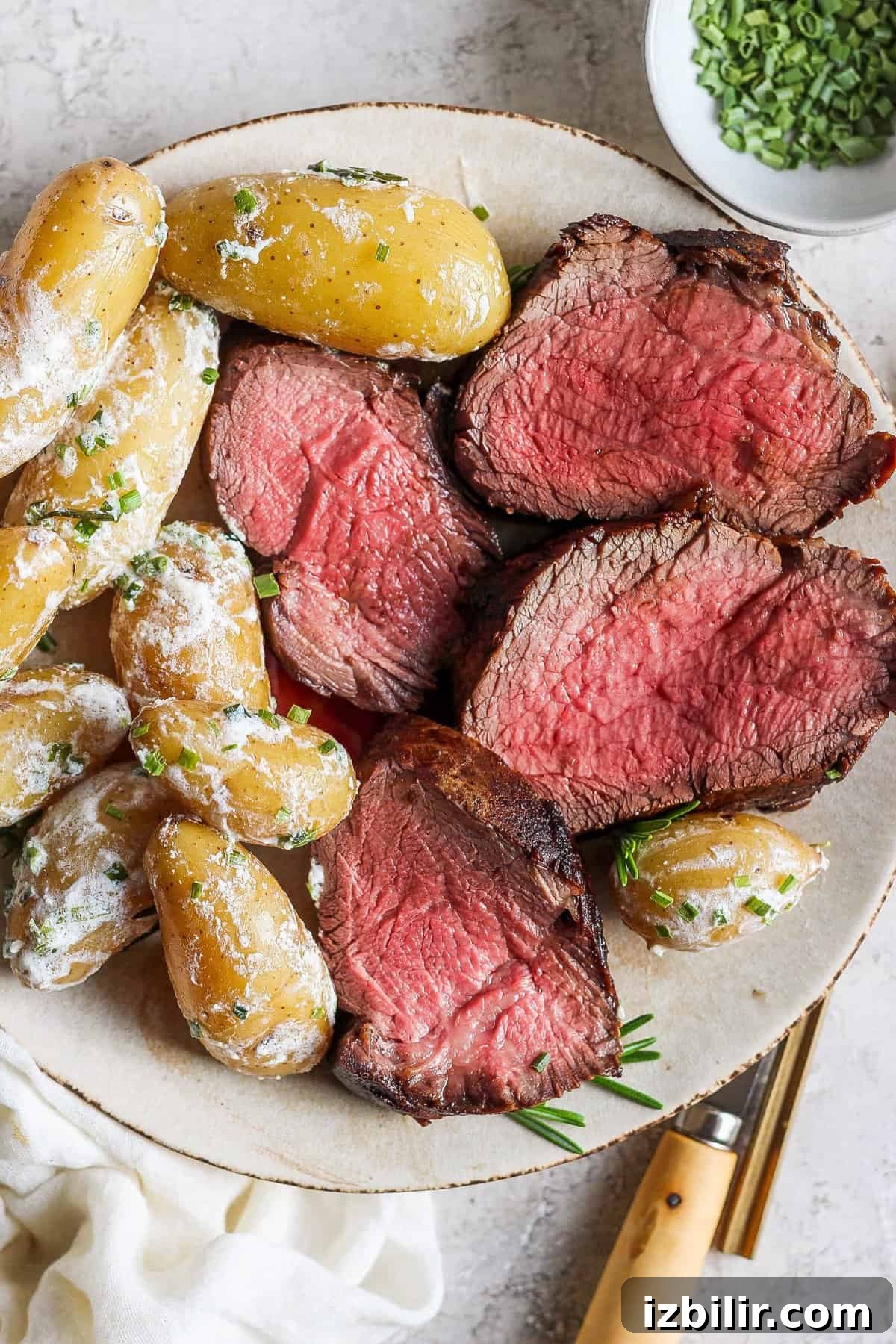
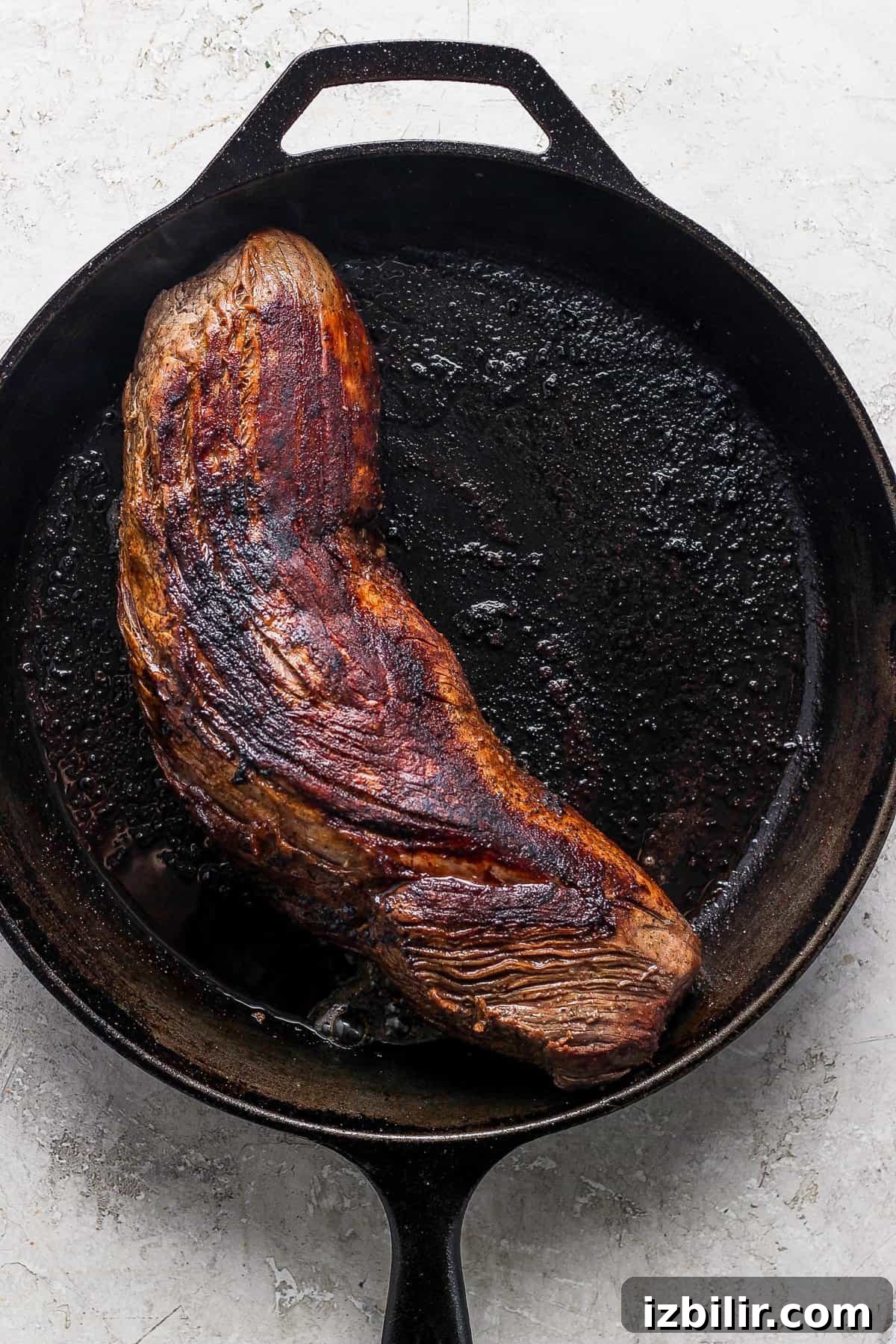
The secret to the roast’s texture and flavor is the initial sear. Searing the tenderloin on all sides forms a savory crust that locks in juices, while a simple potato preparation—boiled until tender, then roasted in a mixture of melted butter, mayonnaise (or Greek yogurt), sea salt, chives, and fresh rosemary—creates a rich, creamy side that complements the beef perfectly.
This recipe is designed for a special meal: holiday gatherings, celebrations, or any time you want to impress guests. Beef tenderloin is a premium cut, so shop around for the best price, check with your butcher, or consider warehouse retailers for deals. Freshly cracked peppercorns and good-quality kosher or sea salt make a noticeable difference.
What You’ll Need
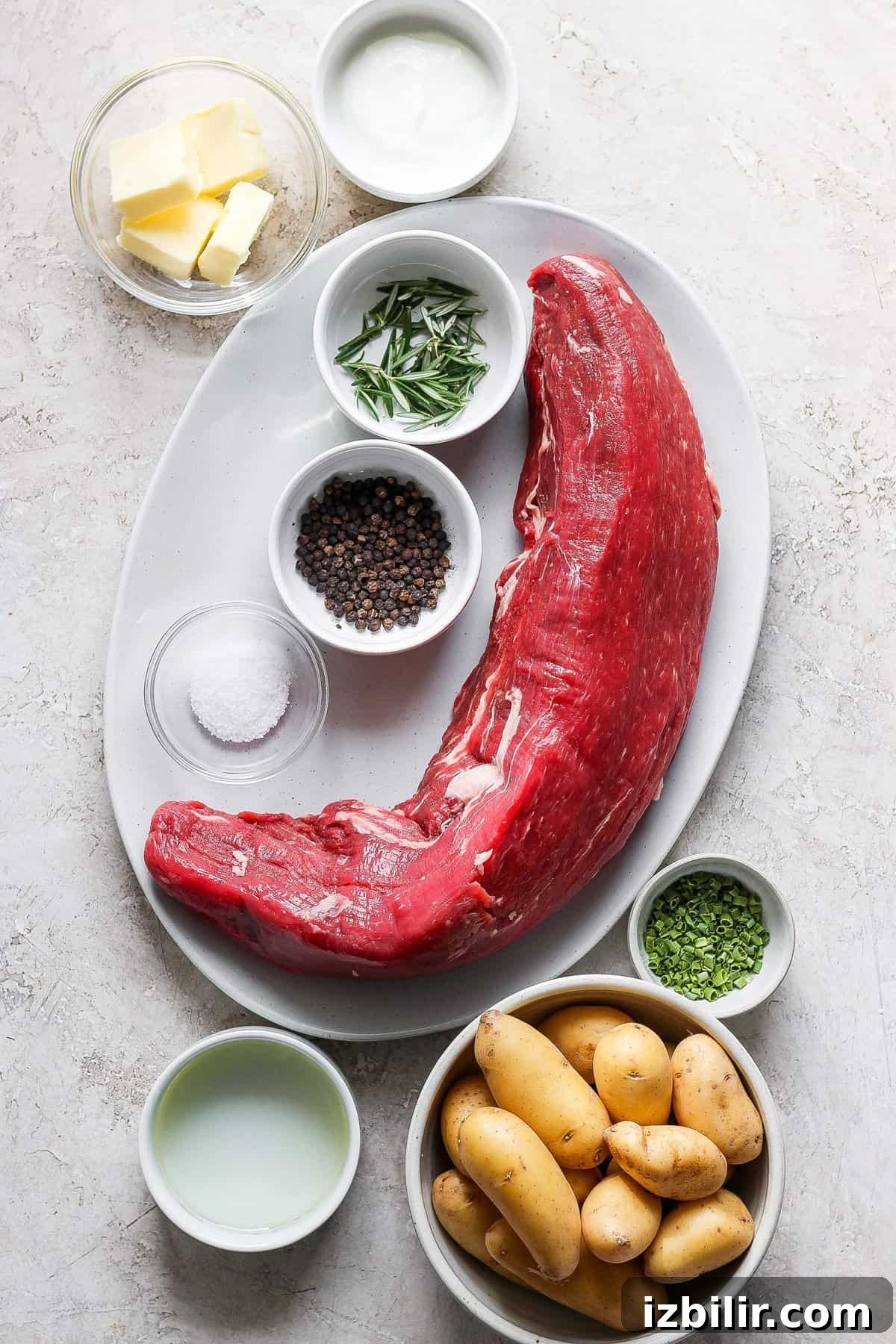
- Beef tenderloin roast: 4–5 pound whole roast is recommended for serving several people.
- Fingerling potatoes: About 3 pounds; they roast well and pair nicely with beef.
- Salted butter: Melted butter gives the potatoes richness—salted butter adds extra flavor.
- Mayo or plain Greek yogurt: Adds creaminess to the potatoes; yogurt is a lower-fat alternative.
- Dried chives: Provide a mild onion flavor for the potatoes.
- Fresh rosemary: A classic herb with beef; finely chop for the potatoes or roast with the meat.
- Avocado oil or a high smoke point oil: For searing the tenderloin to create a crisp crust.
- Peppercorns and kosher salt: Freshly ground pepper gives the roast a bold finish; kosher salt seasons the meat evenly.
- Wire rack and baking sheet: A rack allows air to circulate around the roast and promotes even cooking and browning.
Variations and Substitutions
This roast is adaptable depending on taste or pantry items:
- Swap fingerling potatoes for small red potatoes or bite-sized sweet potatoes.
- Use plain Greek yogurt instead of mayonnaise to reduce fat while keeping a creamy texture.
- Try other herbs such as thyme or a pinch of garlic powder for a different aromatic profile.
- If fresh herbs aren’t available, dried rosemary and chives still provide excellent flavor.
Tips for Perfectly Cooked Beef Tenderloin
- Adjust cooking time for size: Smaller roasts will cook faster. Monitor internal temperature while searing and roasting to avoid overcooking.
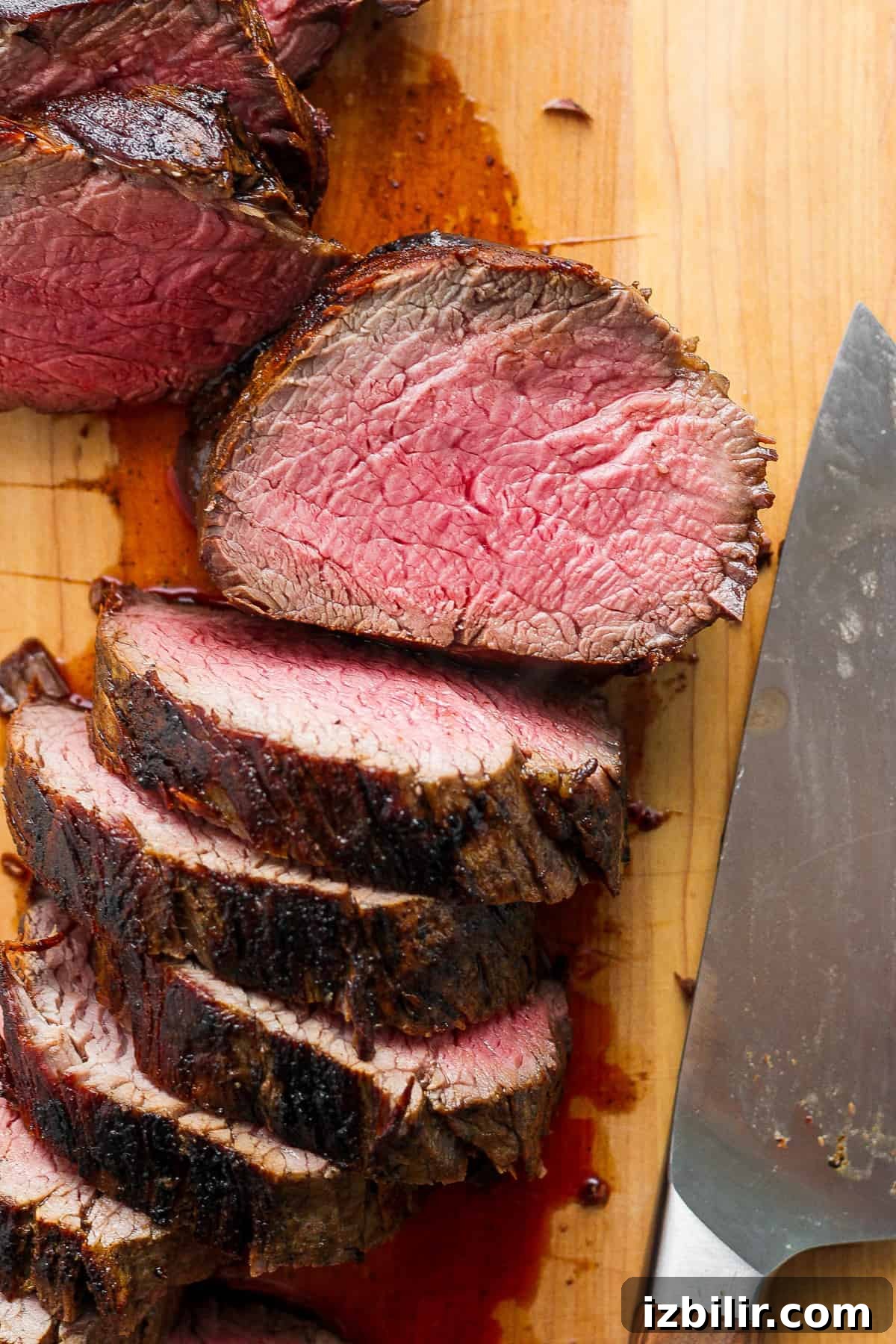
- Target doneness: This method produces a medium-rare roast. Remove the roast from the oven at around 125°F; it will carry over to 130–135°F while resting. For medium, aim for 140–145°F after resting.
- Let the roast rest: Rest the beef for 15–20 minutes before slicing. This redistributes juices and keeps slices tender and moist.
- Ventilation: Searing creates smoke, so use an exhaust fan and open a window if possible.
Storage and Freezer Directions
Store any leftover beef tenderloin and potatoes in an airtight container in the refrigerator for up to 4 days. To freeze, place the meat and potatoes in separate freezer-safe airtight bags and freeze for up to 3 months. Thaw in the refrigerator before reheating gently to preserve texture.
How to Serve
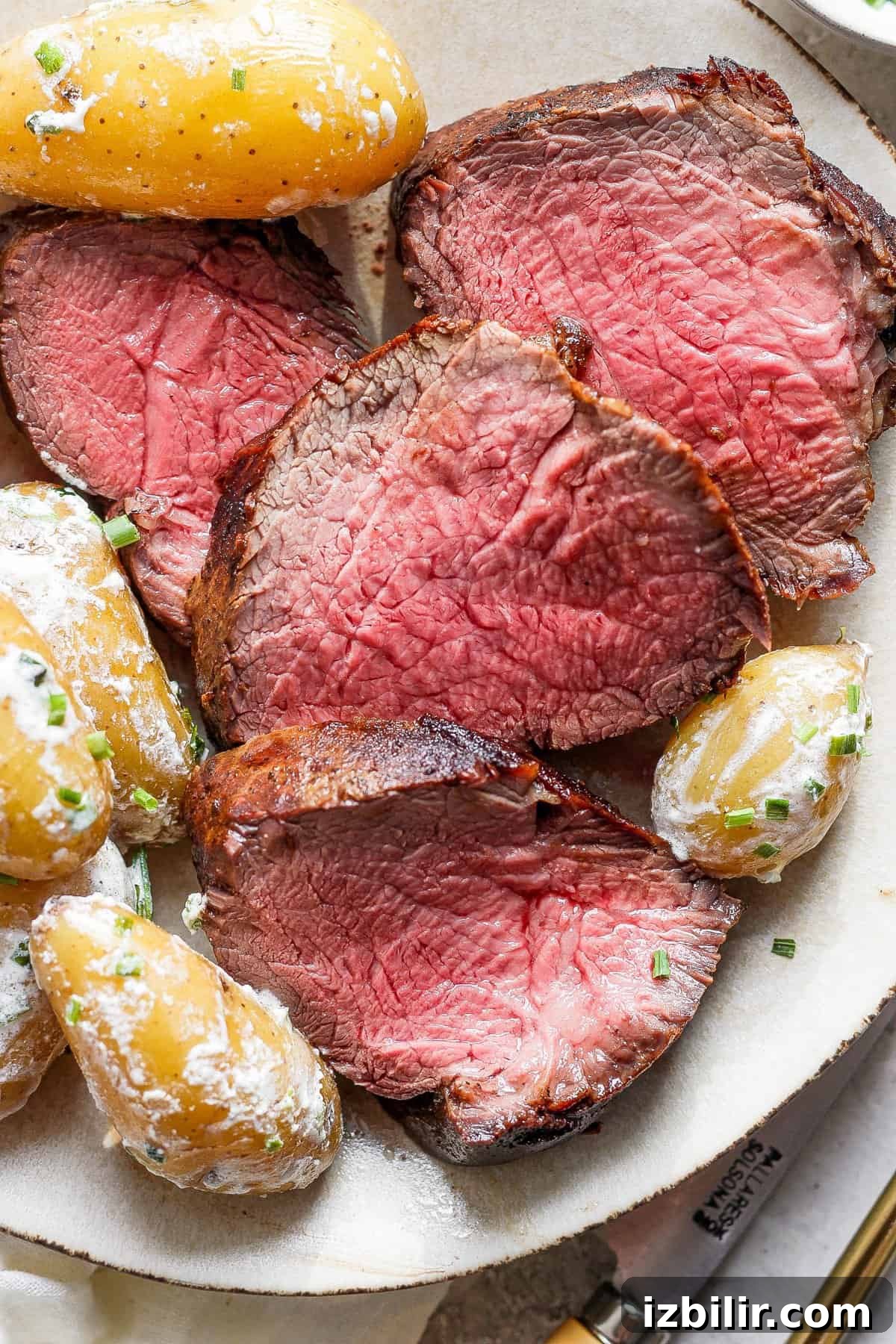
The tenderloin roast and herb-roasted potatoes pair nicely with a variety of sides. Roasted green vegetables, caramelized Brussels sprouts, roasted root vegetables, or simply roasted asparagus make great complements. A bright salad with seasonal ingredients can refresh the plate and balance the richness of the meat and potatoes.
Seared Beef Tenderloin Roast — Ingredients
Yields about 8–10 servings.
- 4 tablespoons whole peppercorns, freshly ground
- 2 tablespoons kosher salt, divided
- 4–5 pound beef tenderloin roast
- 3 tablespoons avocado oil or other high smoke point oil
Potatoes
- 3 lbs fingerling potatoes, rinsed and patted dry
- 1 tablespoon kosher salt (for boiling)
- 4 tablespoons salted butter, melted
- 2 tablespoons mayonnaise or plain Greek yogurt
- 1 teaspoon sea salt
- 1 tablespoon dried chives
- 1 tablespoon fresh rosemary, chopped
Instructions
- Prepare a baking sheet with foil and position a metal rack on top.
- Grind the peppercorns using a mortar and pestle or a spice grinder. Combine the ground pepper with 2 tablespoons of kosher salt.
- Rub the salt-and-pepper mix thoroughly into the entire surface of the tenderloin. Place the seasoned tenderloin on the rack and refrigerate uncovered for at least 2 hours to dry the surface—this helps the crust form during searing.
- While the beef chills, prepare the potatoes. Place the fingerlings in a large pot, cover with water, add 1 tablespoon kosher salt, and bring to a boil. Reduce heat and simmer until potatoes are fork-tender. Drain and set aside.
- In a bowl, whisk together the melted butter, mayonnaise or Greek yogurt, sea salt, dried chives, and chopped rosemary.
- Toss the drained potatoes in the butter-mayo mixture until evenly coated. Set aside on a sheet pan or bowl while you finish the roast.
- Remove the tenderloin from the refrigerator and allow it to come to room temperature, about 30–45 minutes. Preheat your oven to 425°F (220°C).
- Heat avocado oil in a heavy skillet or cast-iron pan over high heat until shimmering. Carefully sear the tenderloin on multiple sides—about 6–8 minutes total—aiming to develop a deep brown crust. Sear as many sides as the roast allows, rotating to brown evenly.
- Check the internal temperature with an instant-read thermometer; once the roast’s surface is well-browned and the internal temp is in the upper 90s to low 100s°F, transfer the roast back to the wire rack on the baking sheet.
- Bake in the preheated oven for 10–15 minutes, or until the internal temperature reaches about 125°F for medium-rare. Remove from oven; the roast will continue to rise in temperature while resting.
- Let the roast rest for at least 15 minutes, uncovered or lightly tented with foil. Slice into rounds and serve with the prepared fingerling potatoes.
Tips & Notes
- Smaller tenderloins require less cook time—always use an instant-read thermometer to confirm doneness.
- If you prefer more well-done beef, plan to remove the roast at a higher temperature and allow for carryover cooking.
- Resting the roast is essential to keep the meat juicy; slicing too soon forces out the juices and dries the meat.
Nutrition (approximate per serving)
Calories: 691 kcal • Carbohydrates: 26 g • Protein: 36 g • Fat: 49 g • Fiber: 4 g • Sugar: 1 g
Nutrition is an estimate and should be treated as approximate.
Photography credit: The Wooden Skillet.