Over the past three years I’ve become a serious plant enthusiast. Houseplants have brought so much life, color, and joy into my home. Beyond aesthetics, many indoor plants improve air quality and can even boost your mood. If you’re starting a collection, this guide highlights the best indoor plants for beginners and shares simple care tips to help them thrive.
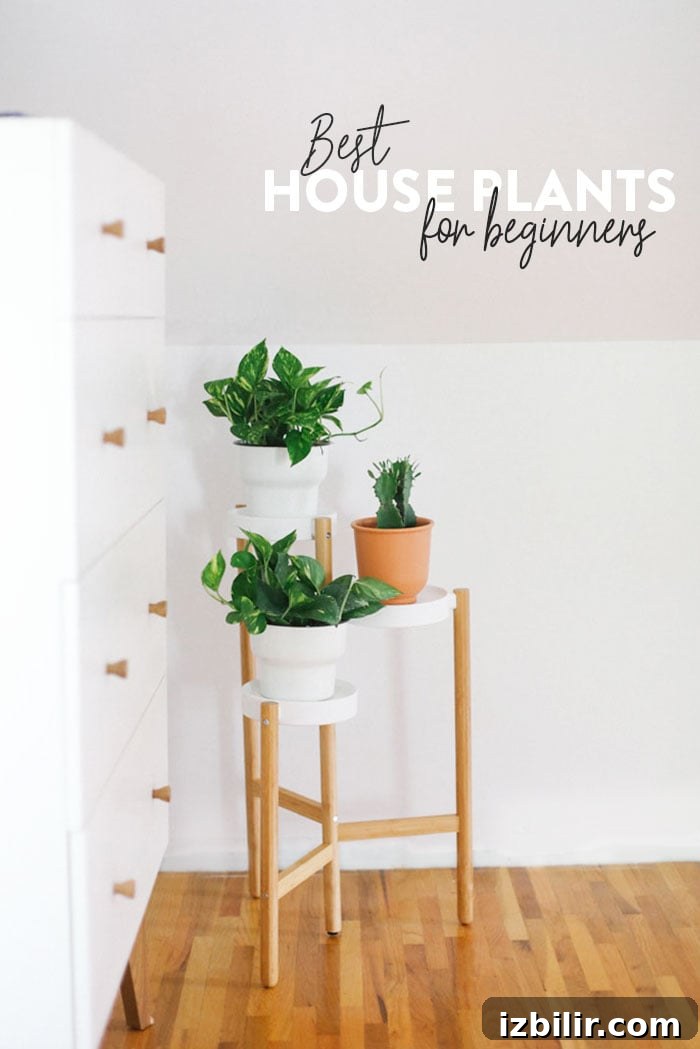
My Plant Journey
I share a lot of my plant adventures on social media, and I often get more questions about houseplants than about food or fitness. I didn’t start as an expert—I learned by doing. Over the last three years I’ve managed to keep most of my plants alive, which feels like a big win. I’ve also lost a few along the way, and that’s part of the learning curve.
Making mistakes helps you build practical skills: how to water correctly, how much light each plant needs, and how different indoor environments affect growth. If you accidentally kill a plant, use it as an opportunity to visit a local greenhouse, ask questions, and expand your knowledge. Researching care tips online or asking employees at plant shops will speed up your learning and confidence.
Best Indoor Plants for Beginners
Many beginners ask, “How do I not kill my plants?” The most common challenges are overwatering, underwatering, incorrect light levels, sudden temperature changes, and rapid shifts in humidity. Below are some of the easiest houseplants to start with—most tolerate low light and minimal fuss.
Succulents
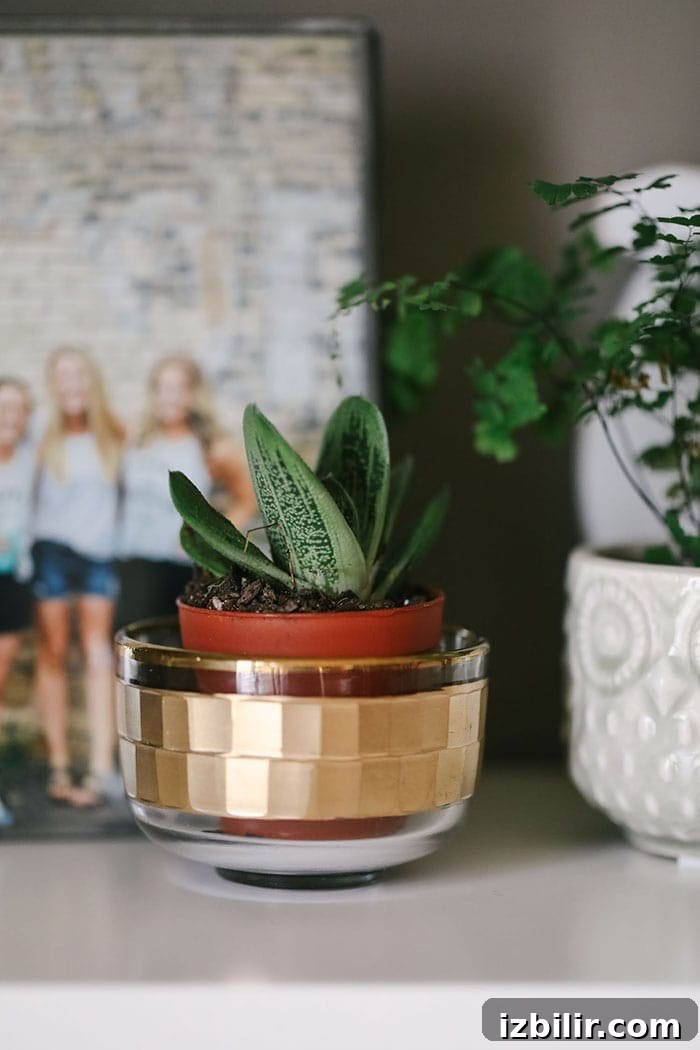
Succulents are an ideal first plant. They come in many shapes and sizes, require very little water, and prefer bright light. If a succulent starts stretching upward, that’s a sign it needs more light. Succulents are forgiving for new plant owners and are great for sunny windowsills.
Cacti
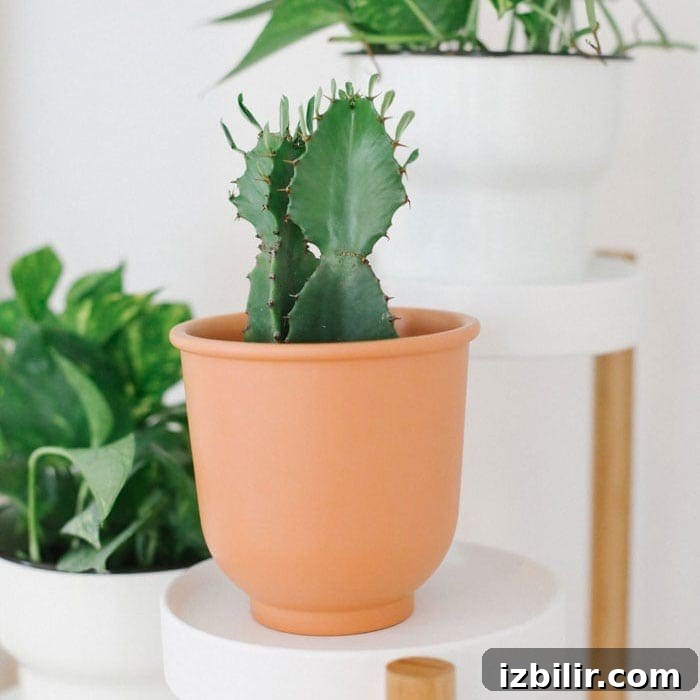
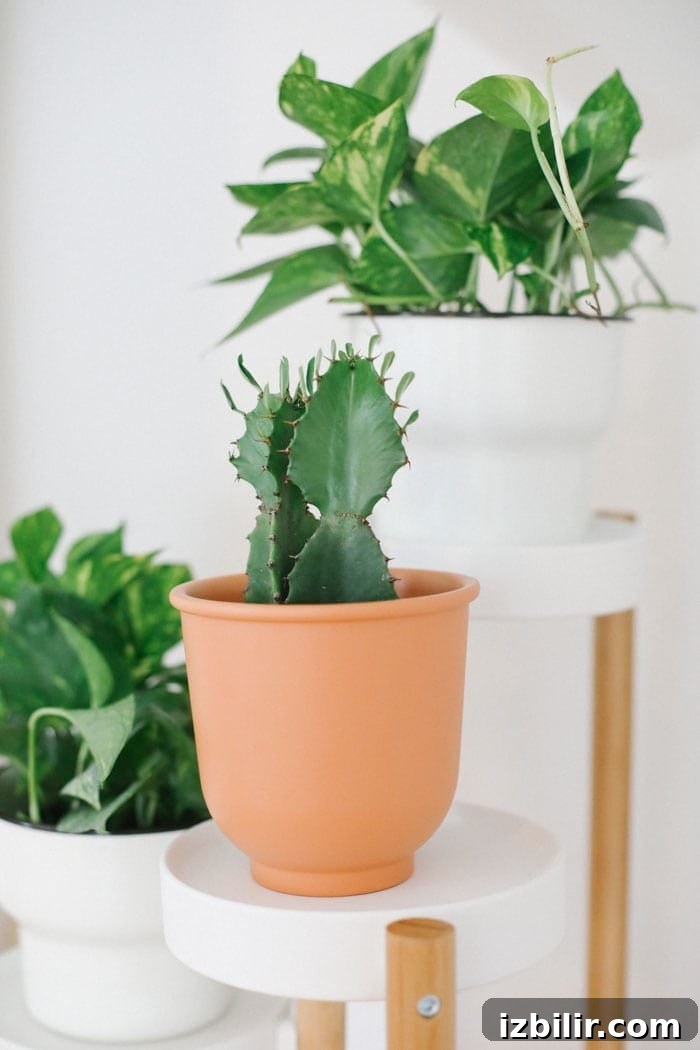
Cacti are closely related to succulents and are equally low-maintenance. They need very little water, enjoy bright light, and are ideal for busy or travel-prone plant owners. Choose a cactus variety suited to indoor light conditions and avoid frequent watering to prevent root problems.
Pothos
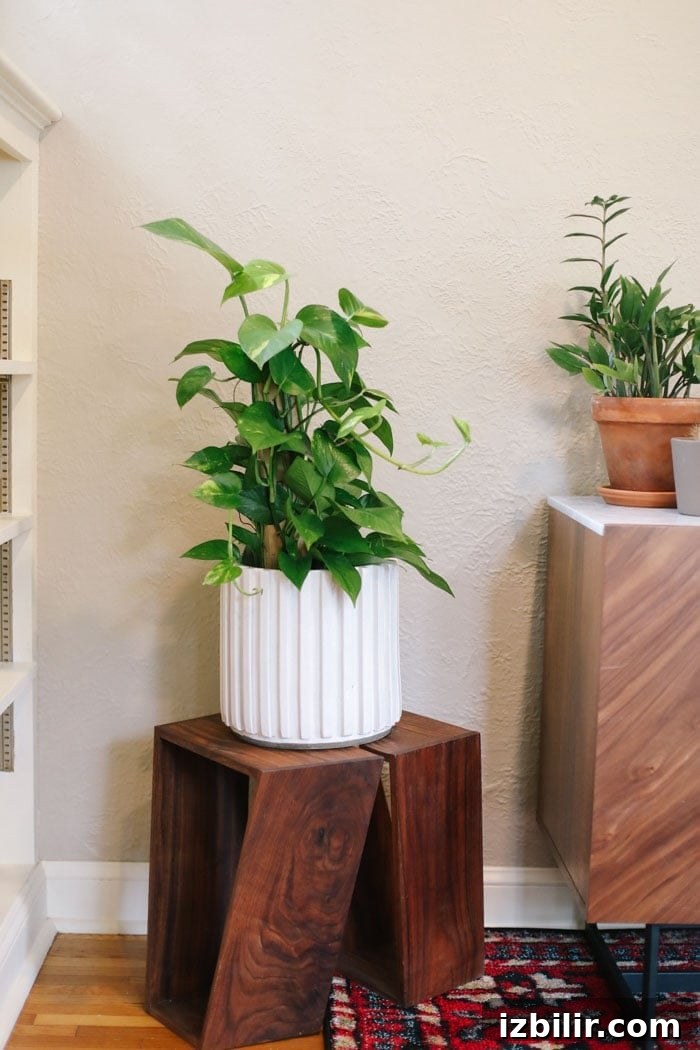
Pothos are resilient vining plants that add lush greenery to any room. They tolerate low light and irregular watering, and they grow quickly when happy. A simple propagation trick: trim a few stems, place them in water until roots form, then pot the new plants in soil.
Snake Plant
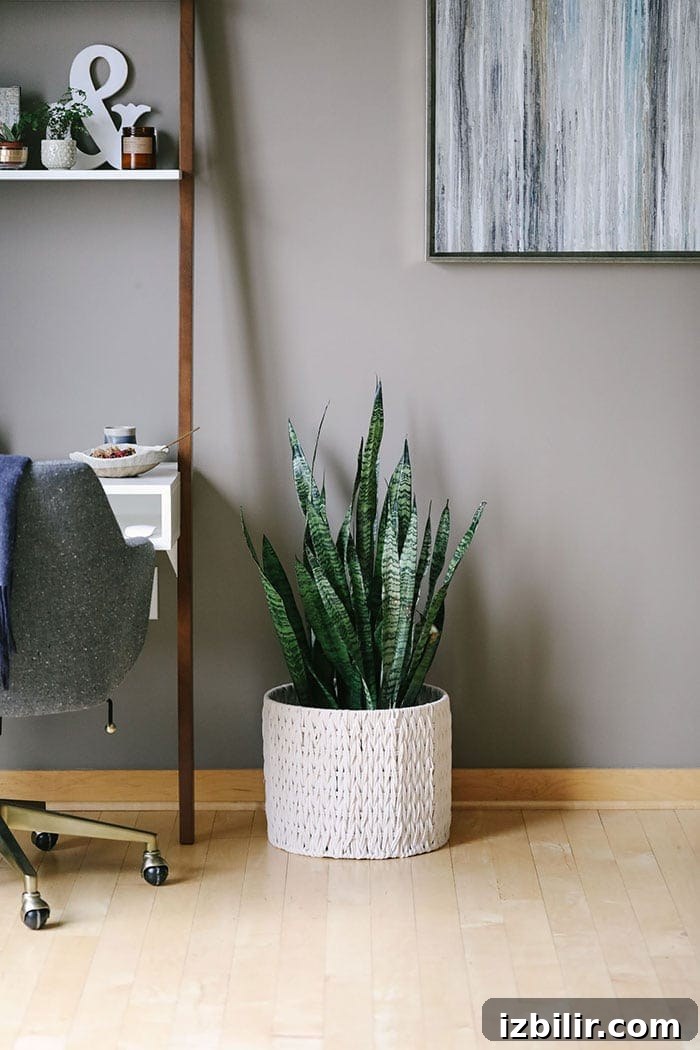
The snake plant is prized for its air-purifying qualities and dramatic vertical foliage. It tolerates low light and infrequent watering. Because it stores water in its leaves, it’s forgiving if you forget a watering or two.
ZZ Plant
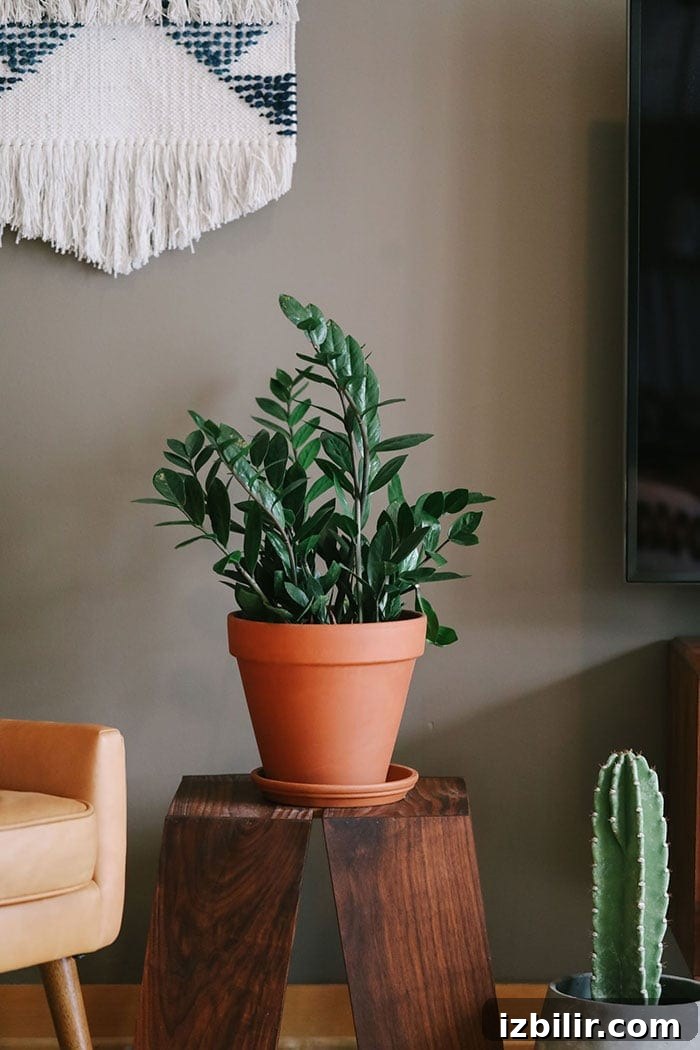
The ZZ plant is durable and attractive, with glossy leaves that tolerate low to moderate light. Water roughly once every two weeks or when the soil is completely dry—overwatering is the main risk. It’s an excellent choice for low-effort greenery.
Ivy
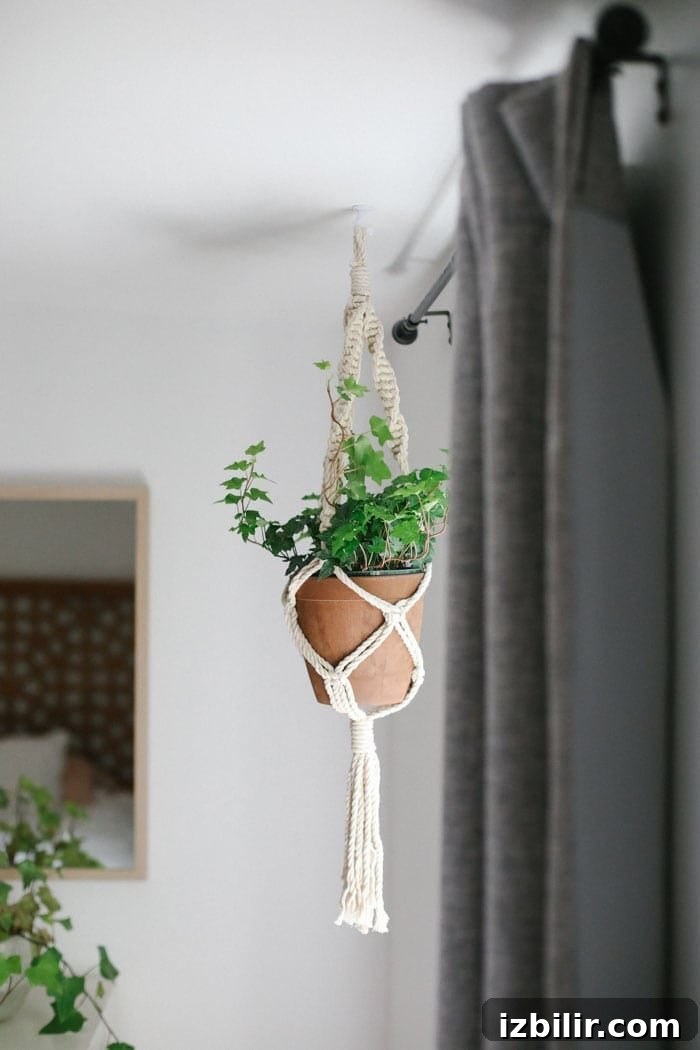
Ivy offers graceful, trailing foliage that suits hanging baskets or high shelves. It prefers bright light and soil that dries slightly between waterings. Avoid constant saturation to prevent root issues.
Jade Plant
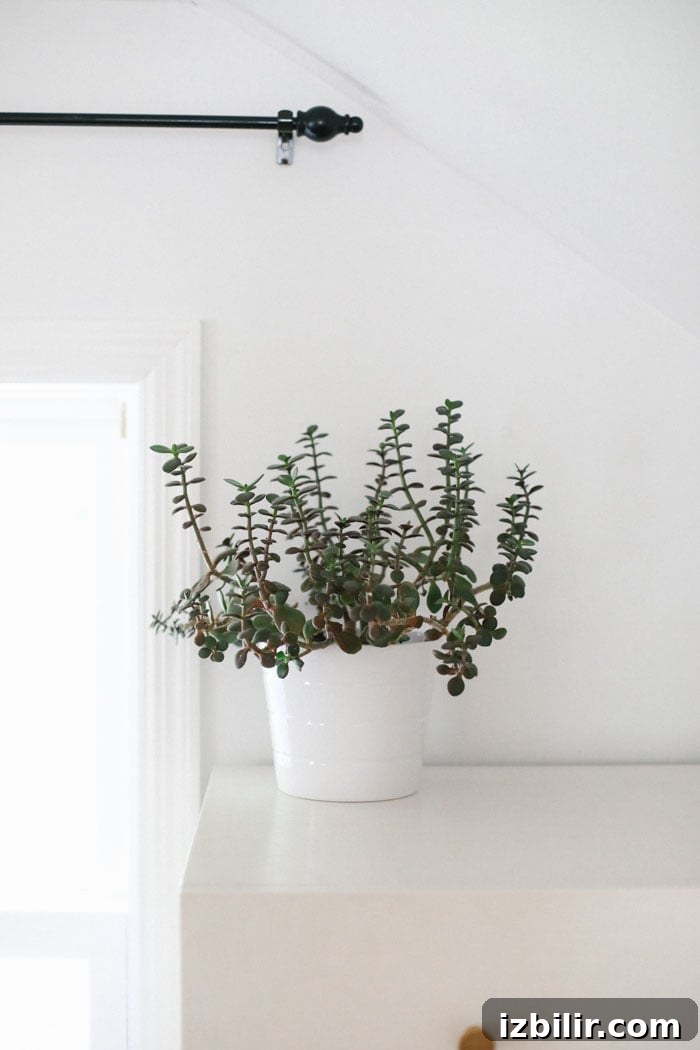
Jade plants are classic succulents with thick, fleshy leaves. My very first plant was a jade from a big-box store, and it’s still thriving years later. Jades prefer bright, indirect light and infrequent watering—they respond well to gradual changes in placement and light.
How to Not Kill Your Houseplants
Do the finger test before watering: Stick your finger an inch or two into the soil. If it still feels moist, wait to water. Watering on a schedule is sometimes suggested, but soil moisture is the most reliable indicator.
Morning sun vs. afternoon sun: Morning sun is gentler. Afternoon sun can be intense and may scorch leaves if plants are in direct exposure.
Prevent root rot: Root rot is caused by poor drainage and overwatering. Leaves often yellow or lose luster. Ensure proper drainage—use pots with drainage holes or keep the plant in its nursery container inside a decorative pot so you can remove and drain it properly.
Keep plants in their nursery container when needed: When you buy a plant, you don’t always have to immediately repot it. Placing the nursery plastic pot inside a decorative outer pot can reduce transplant shock and help the plant adjust.
Where to Buy Indoor Plants
Buying plants in person lets you inspect their condition—leaf health, size, and root status—and gives you a chance to ask staff for care recommendations. Local plant shops and greenhouses often sell healthier, longer-lasting specimens than mass-market sources, though places like garden centers, IKEA, and online retailers can be convenient options as well. Investing in a well-cared-for plant up front often pays off with better long-term success.
- Bachmans (local plant nursery example)
- Tonkadale (local greenhouse example)
- Home improvement and garden centers
- IKEA
- Online plant retailers
Indoor Plants Q&A
What plants are easiest to care for? Succulents, cacti, pothos, snake plant, ZZ plant, ivy, and jade are all beginner-friendly and require minimal maintenance.
What can you grow indoors? Many species thrive indoors—ornamental foliage, succulents, herbs (with enough light), and small flowering houseplants can all do well when matched to the right light and care.
Are succulents good indoor plants? Yes—succulents are an excellent choice for new plant owners because they need little water and are quite forgiving.
Pots, Plant Hangers, and Macrame
Pots and hangers let you express your style. I collect pots and match plants to containers that complement their size and growth habit. Choose pots with proper drainage, and consider hangers or macrame for trailing varieties like pothos and ivy to add vertical interest.
Additional Resources
If you want more reading, search reputable gardening and houseplant care sites for beginner plant lists, watering guides, and propagation tutorials—there’s a wealth of helpful material to support your plant journey.
That’s it — thanks for reading! If you have questions about indoor plants, leave them in the comments and I’ll do my best to help. <3