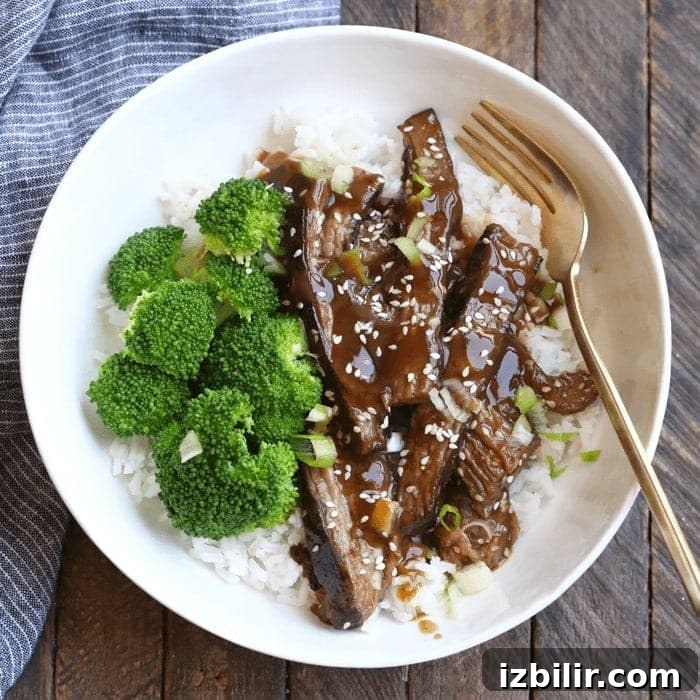
Learn how to make the most tender Mongolian Sous Vide Flank Steak using a sous vide precision cooker. This method delivers consistent doneness and exceptional tenderness—perfect for dinner parties or meal prep.
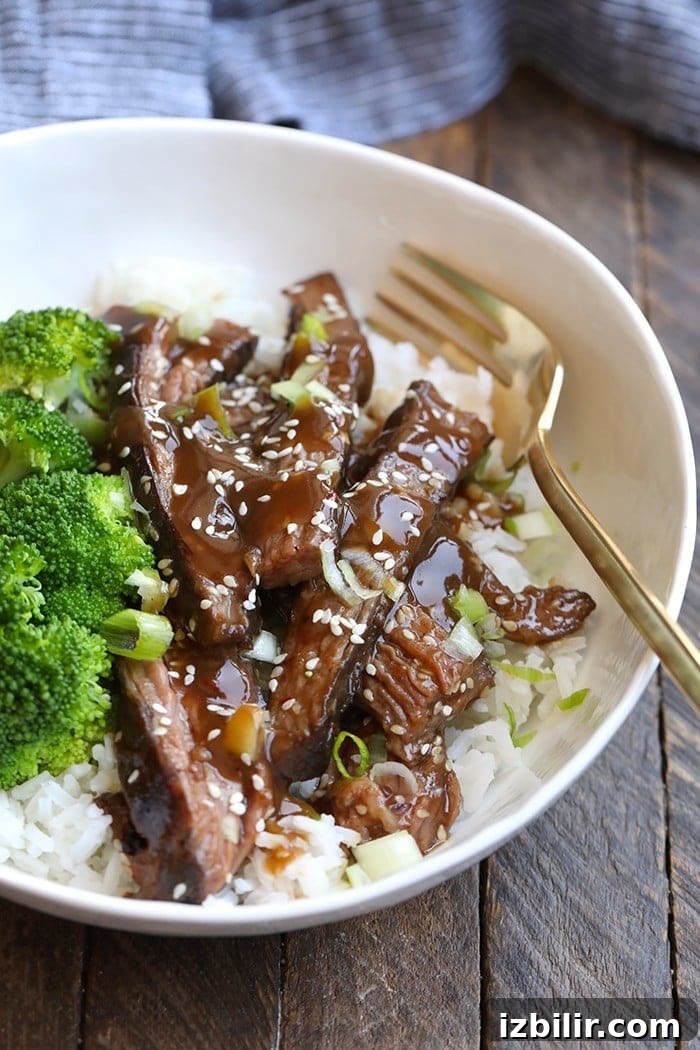
We wanted a fun, flavorful dinner that would impress guests, so a Mongolian-inspired flank steak cooked sous vide was an obvious choice. This recipe highlights how sous vide transforms a naturally lean, flavorful cut like flank steak into slices that are tender and juicy throughout.
What is Sous Vide Cooking?
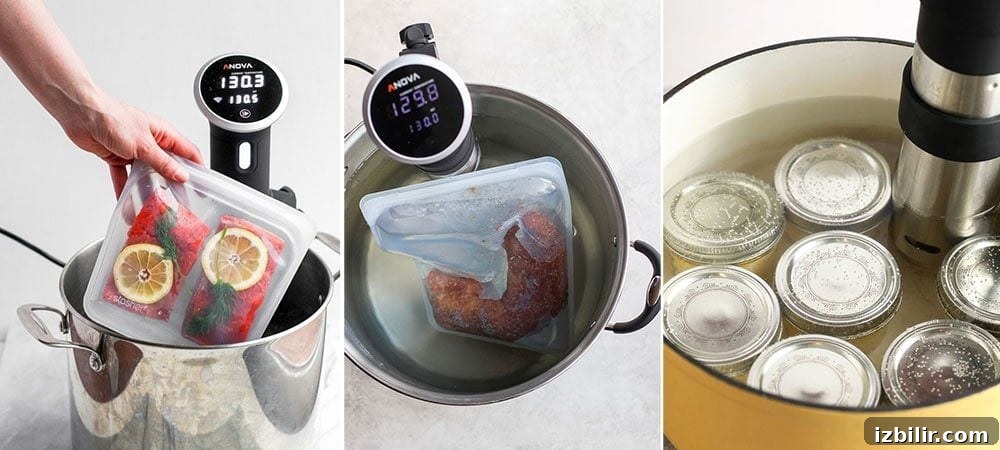
Sous vide is a cooking method that uses a precisely controlled water bath to cook food sealed in a bag. Because temperature control is so accurate, the food can never overcook; instead, longer cooking times tenderize tougher cuts without raising the internal temperature past your set point. Think of it as a precision slow-cooker that locks in juices and texture.
We first experienced the benefits of sous vide when friends introduced us to the method. Since then we’ve used it for everything from salmon and chicken to egg bites and, most notably, steak. For flank steak specifically, sous vide is a game changer—shorter cooking times give great texture, while extended low-and-slow cook times break down connective tissue and make the meat exceptionally tender.
Recommended Sous Vide Circulator
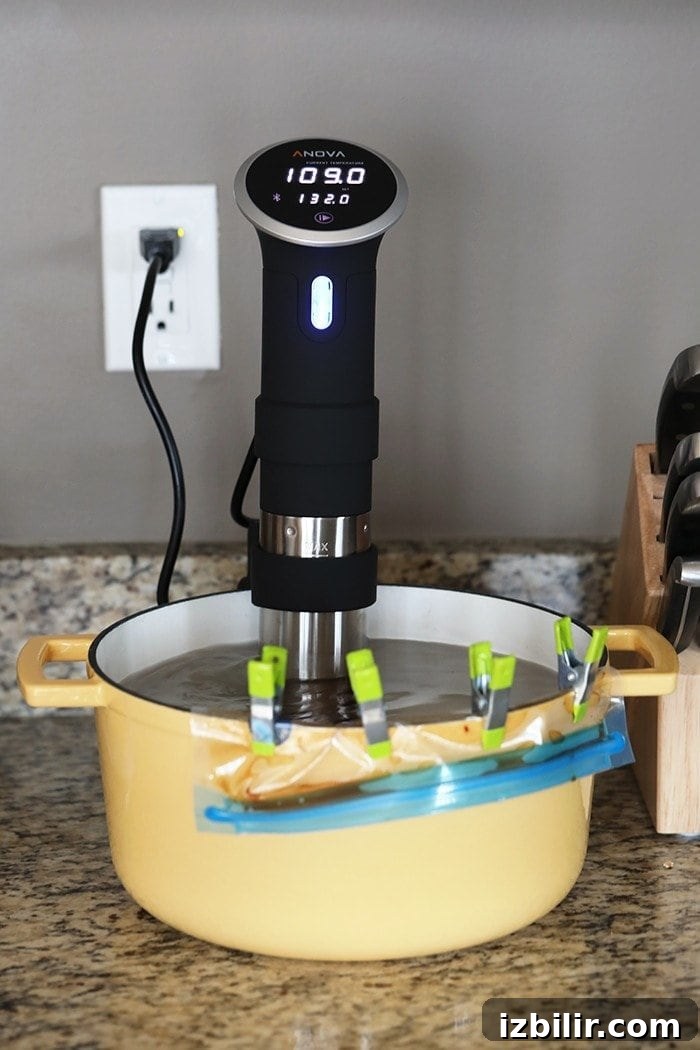
There are many good sous vide circulators on the market. We prefer a user-friendly unit with a stable temperature control and a companion app for timers and recipes. When choosing a machine, look for accurate temperature control, reliable circulation, and a secure clamp or mount to fit your pot.
Best Sous Vide Flank Steak — Mongolian
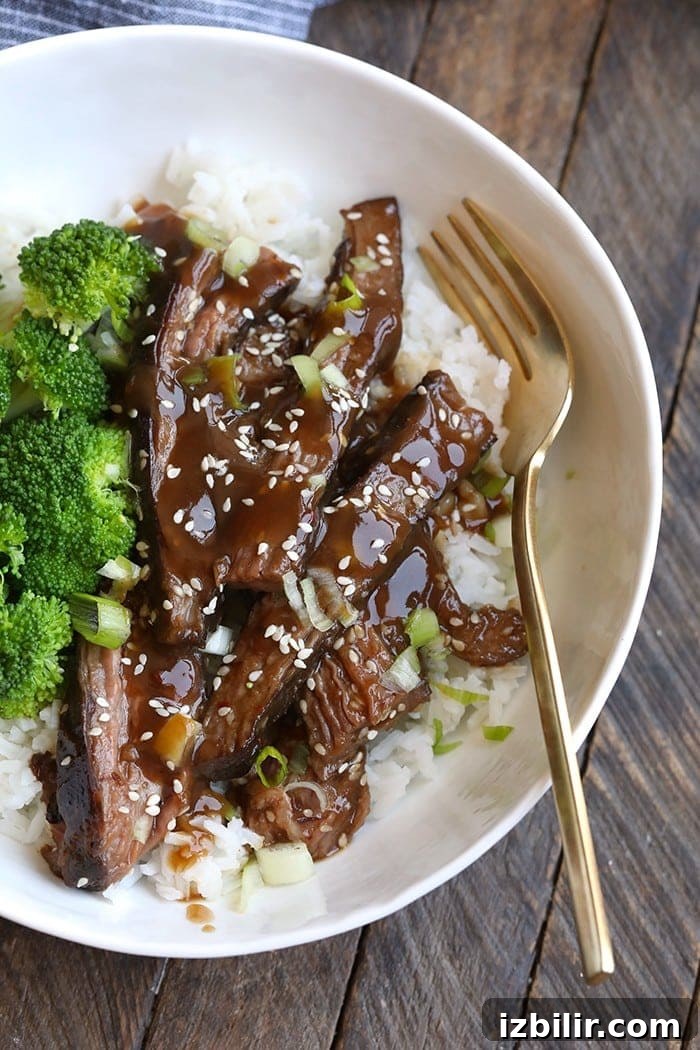
This Mongolian-style flank steak combines savory tamari (or soy), sweet maple, fresh ginger and garlic, and a touch of heat. Cooked sous vide, then quickly seared, it keeps a juicy interior and develops a flavorful crust.
Basic steps at a glance:
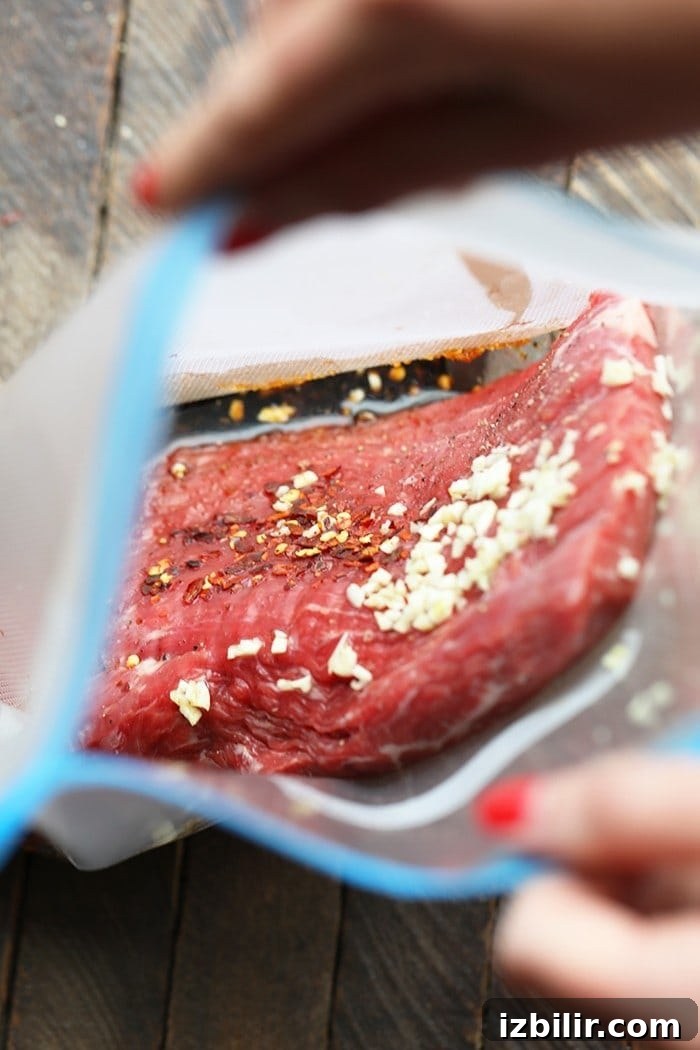
- Place seasoned flank steak into a vacuum-seal or heavy zip-top bag.
- Add the sauce ingredients to the bag so the meat marinates while it cooks.
- Seal the bag, submerge in a water bath, and set your sous vide to 132°F (56°C).
- Cook 5–24 hours. Longer cooking yields more tender results; 24 hours is ideal for maximum tenderness.
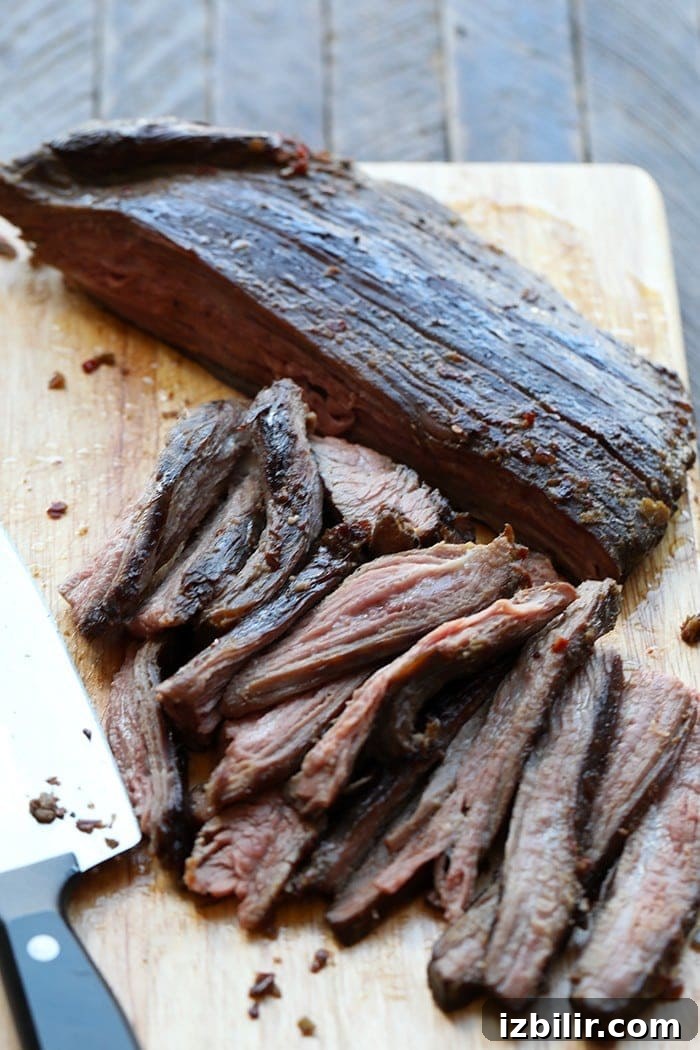
- Remove, pat dry, sear briefly in a hot skillet, thicken the cooking juices, and slice thinly across the grain.
Mongolian Sous Vide Flank Steak
Ultra-tender Mongolian-style flank steak cooked sous vide and finished with a quick sear and glossy sauce.
By: Linley Hanson
Prep: 15 mins | Cook: 5–24 hours | Total: up to 24 hours | Servings: 6
Ingredients
- 1.5 lbs flank steak
- 1/2 cup tamari or soy sauce
- 1/4 cup maple syrup
- 1/2 tablespoon fresh grated ginger
- 3 cloves garlic, minced
- 1/2 teaspoon red pepper flakes (adjust to taste)
- Salt and pepper, to taste
- 2 tablespoons olive oil or butter (for searing)
- 1 tablespoon cornstarch (to thicken sauce)
Instructions
- Fill a 6–8 quart pot with water and attach your sous vide circulator. Set the temperature to 132°F (56°C).
- In a bowl, whisk together tamari (or soy), maple syrup, grated ginger, minced garlic, red pepper flakes, salt, and pepper until combined.
- Place the flank steak in a BPA-free vacuum-seal bag or a heavy-duty zip-top bag. Pour the tamari mixture over the steak, then seal the bag using a vacuum sealer or the water displacement method to remove as much air as possible.
- Submerge the sealed bag in the water bath and cook for a minimum of 5 hours. For the most tender results, cook up to 24 hours; the meat will remain at the same doneness but become more tender over time.
- When the cook time is complete, carefully remove the bag from the water bath and transfer the steak to a plate. Reserve the juices from the bag for the sauce.
- Pat the steak dry with paper towels. Heat a cast-iron or heavy skillet over medium-high heat and add the olive oil or butter. When the pan is very hot and the oil is shimmering, sear the steak for about 30–60 seconds per side—just long enough to develop a caramelized crust.
- Remove the steak from the pan and let it rest briefly. Meanwhile, pour the reserved sous vide juices into a small saucepan. Whisk in 1 tablespoon cornstarch to help thicken the sauce, bring to a gentle boil, then reduce heat and simmer 3–5 minutes until glossy and slightly thickened.
- Slice the flank steak thinly across the grain for maximum tenderness. Serve slices over rice or steamed vegetables and spoon the warm Mongolian sauce over the meat.
Tips & Notes
- Cooking time flexibility: Sous vide lets you cook anywhere from 5 to 24 hours. Shorter times give a classic steak texture; longer times break down connective tissue and produce a fork-tender result.
- Dry the steak well before searing to ensure a good crust. A hot pan and minimal searing time prevent overcooking the interior.
- If you prefer a thicker sauce, mix the cornstarch with a little cold water to make a slurry before adding it to the juices to avoid lumps.
- Store leftovers in an airtight container in the refrigerator for up to 3–4 days. Reheat gently to maintain tenderness.
Nutrition
Nutrition information is provided as an approximation.
- Calories: 279 kcal
- Carbohydrates: 12 g
- Protein: 27 g
- Fat: 14 g
- Fiber: 0 g
- Sugar: 8 g
More Sous Vide Ideas
Once you’ve mastered this flank steak, try sous vide chicken breasts, salmon, or egg bites. The technique is versatile and reliable for consistent results.