
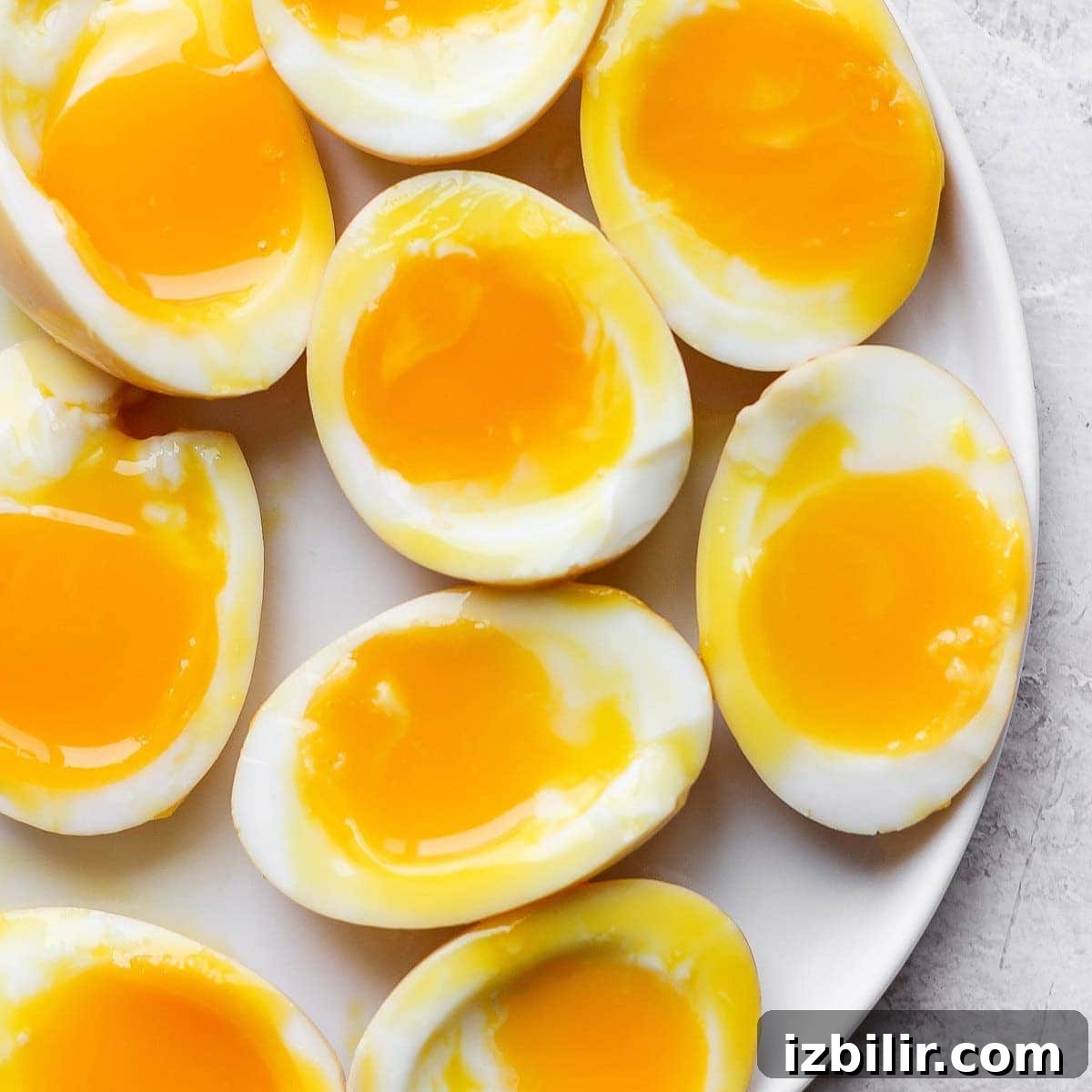
This is not a traditional soy-marinated ramen egg. These soft-boiled eggs are steeped in a fragrant black tea and ginger marinade for a unique, savory flavor. Enjoy them on top of ramen, add them to a salad, or simply eat them as a flavorful snack.
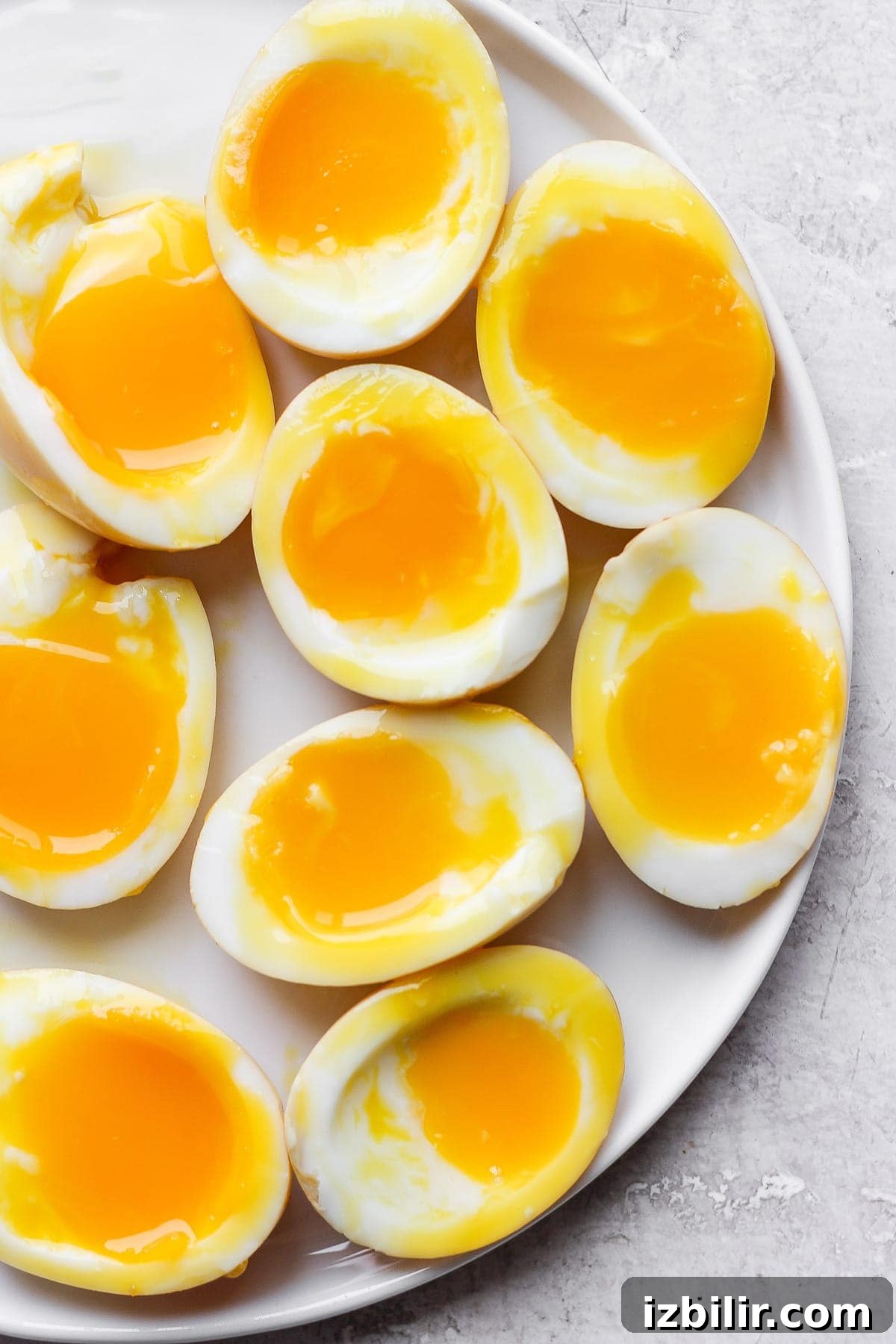
Ramen Eggs for Everyone
We love eggs in every form — hard boiled, baked, scrambled, and especially ramen eggs. These black tea ramen eggs are one of our favorites because they combine the silky texture of a soft yolk with aromatic tea and warming ginger notes. They work beautifully as a ramen topping, as a breakfast item, or as a protein-rich snack.
How to Make These Quick Ramen Eggs
The process is straightforward and mostly hands-off. Prepare the marinade first so it has time to cool, then soft-boil your eggs and let them steep. Here are the simple steps:
- Make the marinade and let it cool completely.
- Soft-boil the eggs for a perfectly set white and jammy yolk.
- Shock the eggs in an ice bath so they stop cooking immediately.
- Peel the eggs and place them in the cooled marinade to soak.
- Serve or store in the refrigerator for later use.
All About the Marinade
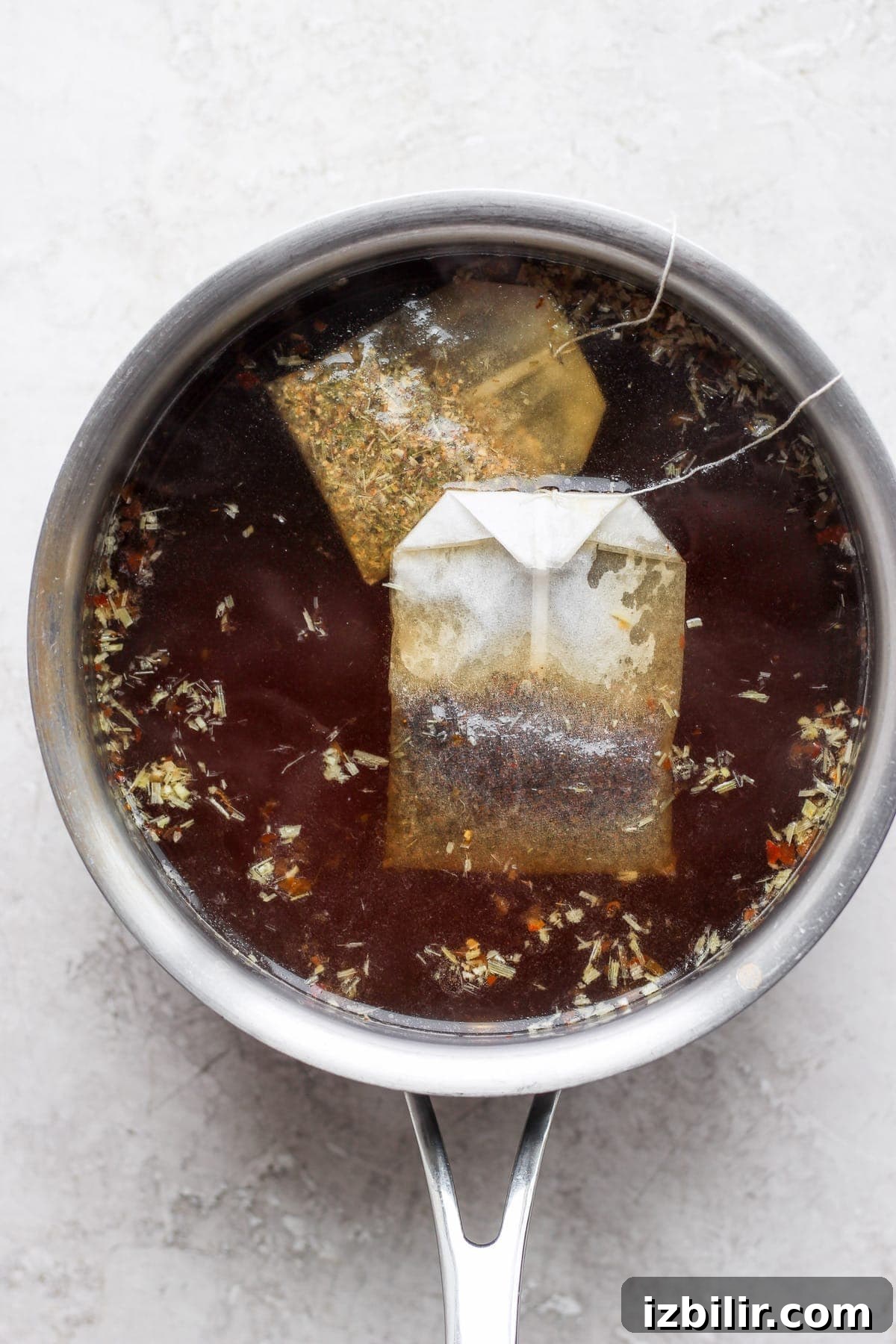
The marinade is very easy to prepare and is what gives these eggs their distinctive flavor. It combines black tea and ginger tea with savory seasoning elements like soy sauce and fish sauce. You can customize it to suit your taste — add more chili for heat or a splash of mirin for a touch of sweetness.
Basic steps to prepare the marinade:
- Bring 4 cups of water to a boil in a saucepan, then remove it from heat.
- Whisk in soy sauce, grated ginger, grated lemongrass, and fish sauce.
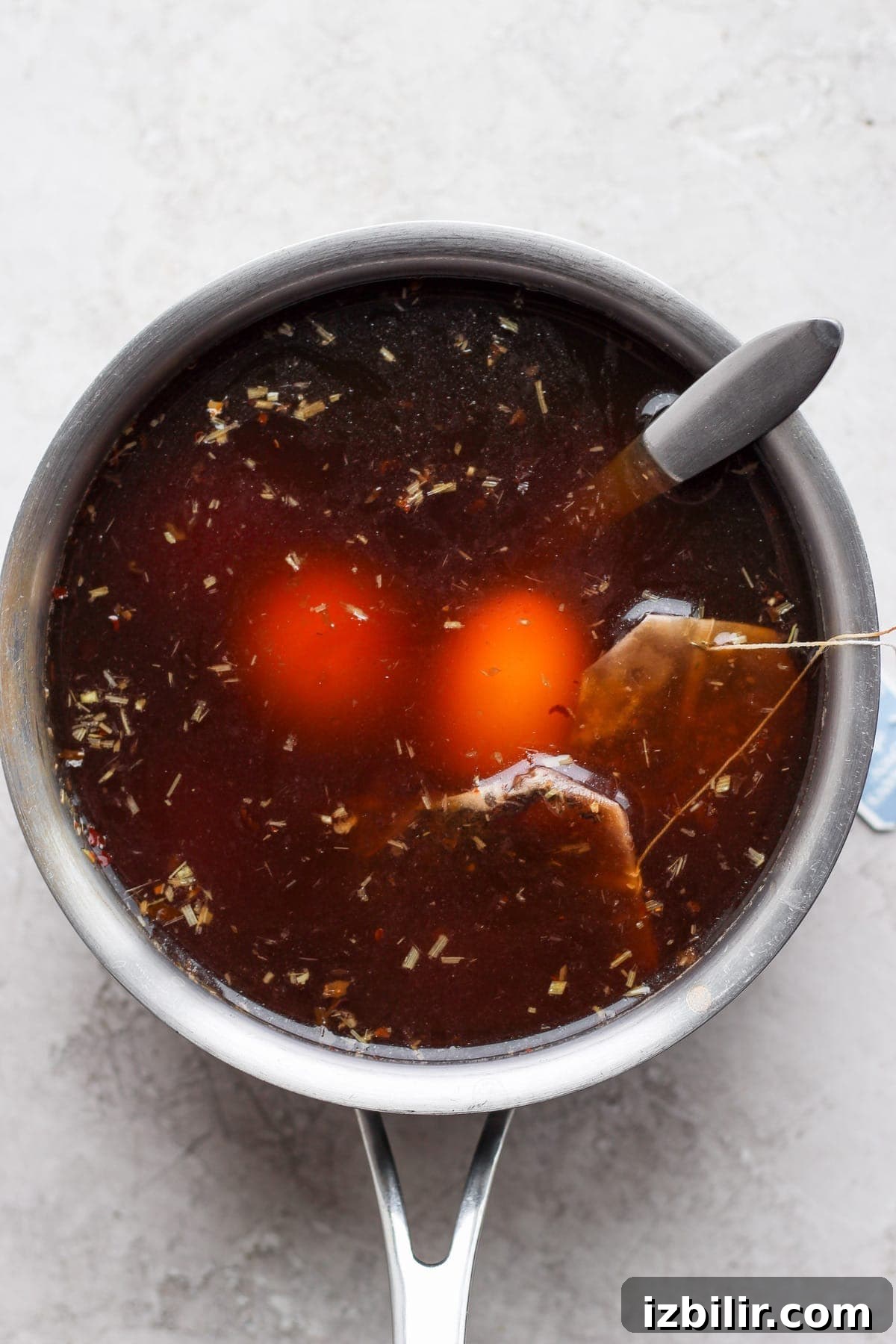
- Add black tea bags and ginger tea bags, then let them steep until the mixture cools completely.
Can I add other ingredients to the marinade?
Yes. Try adding chili paste, sliced garlic, star anise, or a pinch of sugar to balance the flavors. If you prefer less salt, reduce the soy sauce and replace part of the liquid with water or low-sodium broth.
Here’s a tip
Make sure the marinade is completely cool before adding the eggs. If the liquid is still warm, it will continue to cook the eggs and you’ll lose the soft yolk texture.
Prepare the Soft-Boiled Eggs
Ramen eggs are traditionally soft-boiled: the whites are set while the yolks remain soft and slightly runny. To achieve that texture, prepare an ice bath first so you can stop the cooking immediately after the timer goes off.
Cook Time for Ramen Eggs
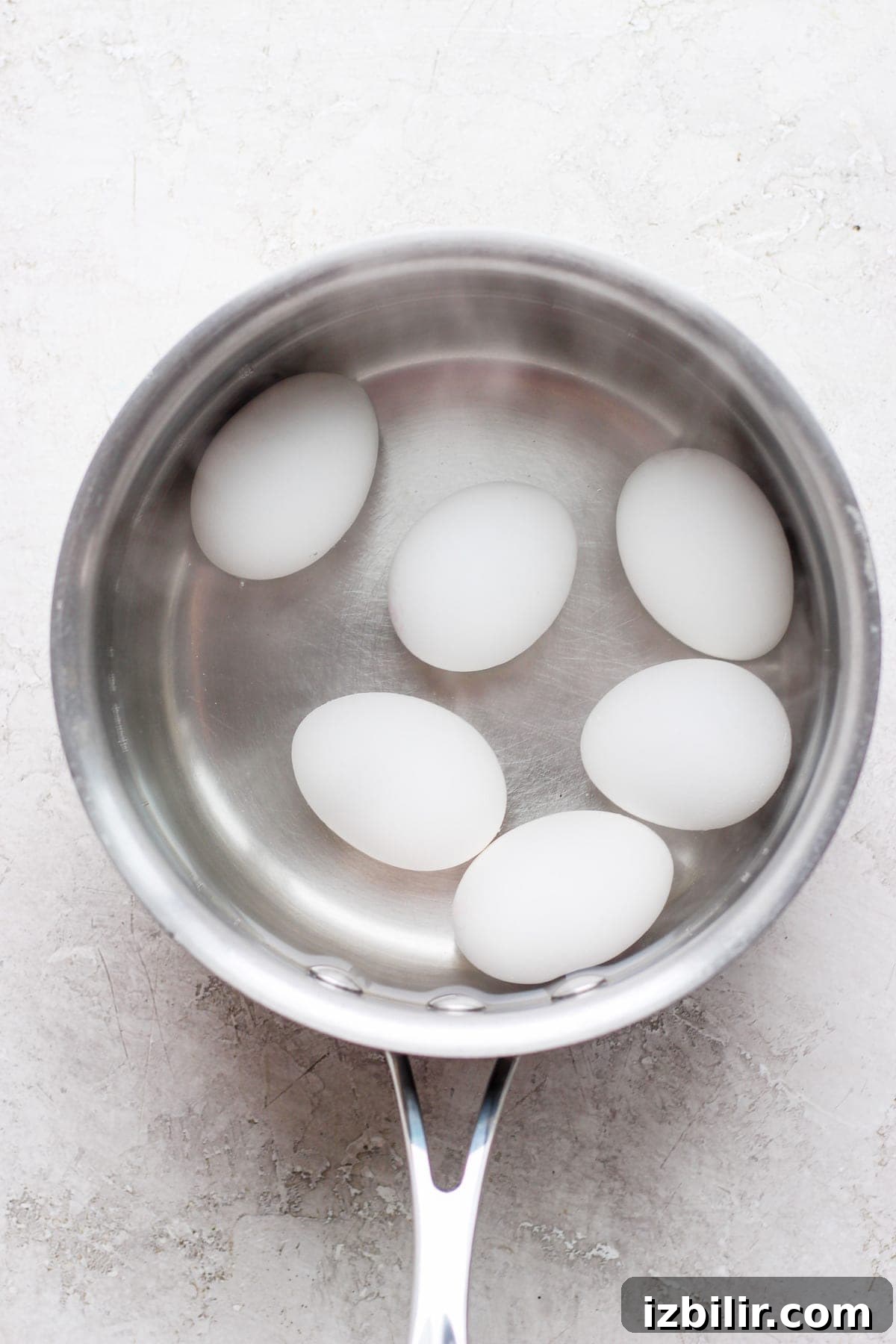
Bring a pot of water to a gentle boil, then carefully add the eggs. Set a timer for 5 minutes for a classic soft yolk. Immediately transfer the eggs to the ice bath for at least 5 minutes to halt the cooking process.
Peel and Marinate the Eggs
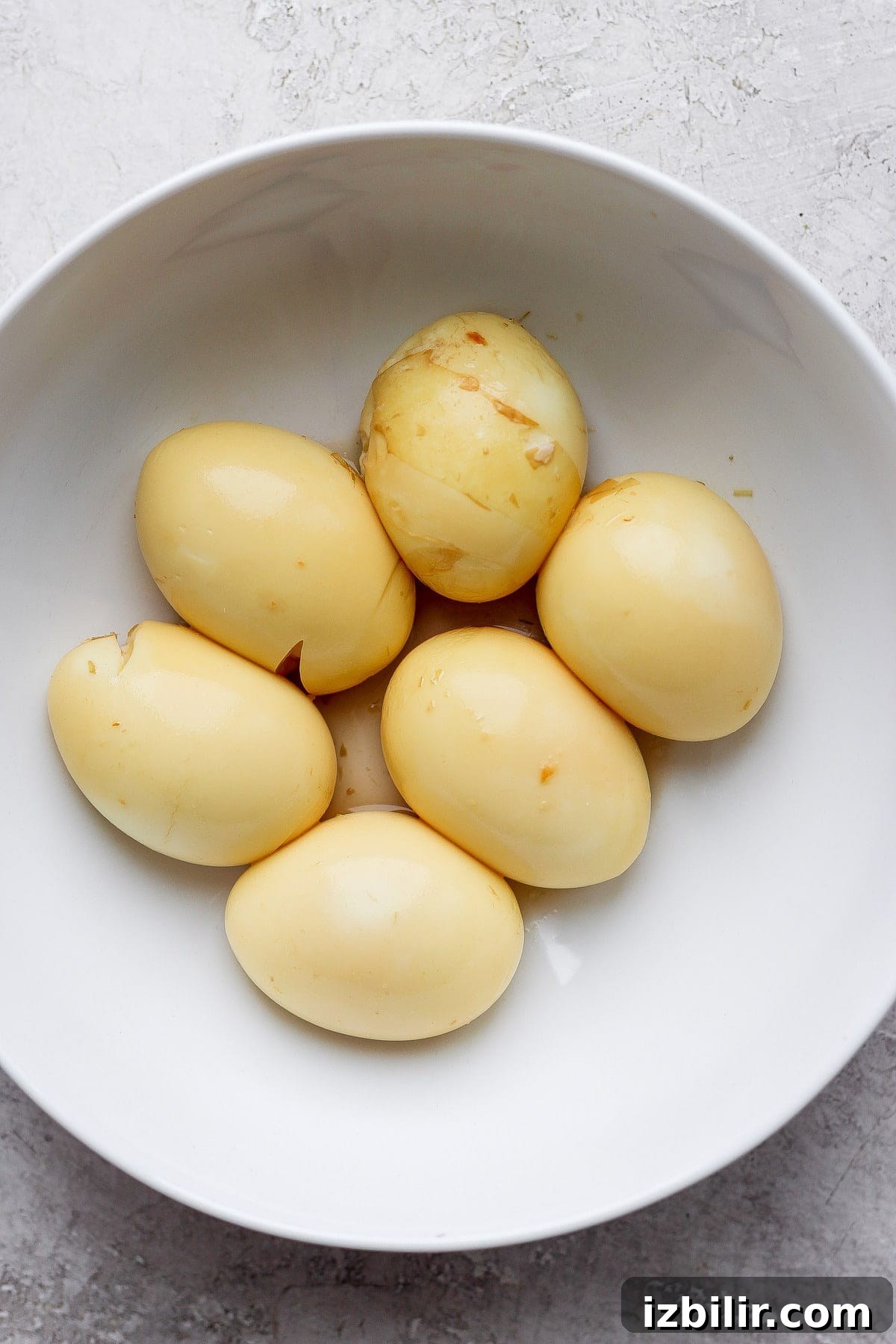
After chilling the eggs in the ice bath for a minimum of five minutes, peel each egg carefully and place them into the cooled tea marinade. Leave them to soak so they absorb the flavor and develop a subtle color from the tea.
How long do you soak the ramen eggs?
For a quick option, soak the peeled eggs for at least 30 minutes. For deeper flavor and darker color, place the eggs and marinade in an airtight container and refrigerate overnight. The flavor intensifies over time.
Tips & Tricks
What kind of eggs are best?
Use large, fresh eggs for the best texture. Very old eggs peel more easily but can be harder to get a perfect soft yolk with; very fresh eggs can be trickier to peel, so the ice bath and careful peeling technique help.
How do you peel a soft-boiled egg?
Gently crack the shell all over and start peeling from the wider end where there is an air pocket. If shell pieces cling to the membrane, slide a finger under the membrane and it should lift away along with the shell. Don’t worry if the eggs aren’t perfectly smooth — they will still taste great.
How to serve ramen eggs
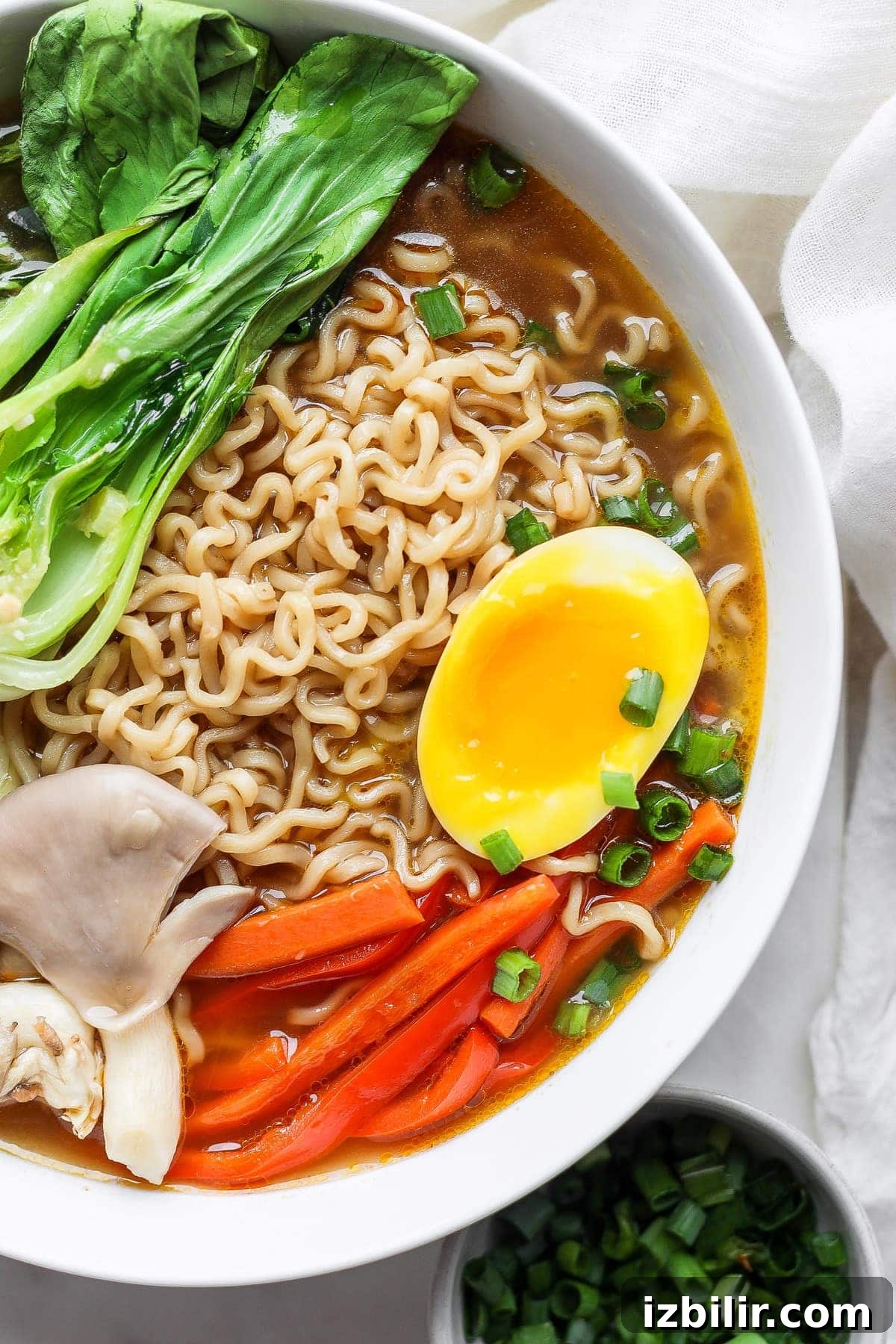
The classic use is sliced in half and placed on top of ramen. You can also:
- Serve them as a protein-rich snack or for breakfast in place of a hard-boiled egg.
- Add them to salads for extra flavor and texture.
- Use them as a topping for grain bowls or noodle salads for an umami boost.
Storage
How long do ramen eggs last?
Properly stored in an airtight container in the refrigerator, marinated ramen eggs will keep for up to 5 days. Store them submerged in the marinade for the best flavor and color retention.
Black Tea Ramen Egg Recipe
This recipe yields six marinated ramen eggs. It combines savory soy and fish sauce with bright ginger and lemongrass, plus the tannins and aroma of black tea for a balanced, aromatic result.
Ingredients
- 6 large eggs
- 6 cups water (for boiling eggs)
- 4 cups water (for the marinade)
- 2 tablespoons soy sauce (or tamari for gluten-free)
- 2 teaspoons fresh grated ginger
- 2 teaspoons fresh grated lemongrass
- 2 teaspoons garlic chili sauce (optional, for heat)
- 1 teaspoon fish sauce
- 2 black tea bags
- 2 ginger tea bags
Instructions
- Bring 4 cups of water to a boil in a medium saucepan. Remove from heat and whisk in soy sauce, grated ginger, grated lemongrass, and fish sauce.
- Add the black tea bags and ginger tea bags. Allow them to steep while the mixture cools to room temperature. Remove the tea bags when the flavor is to your liking, then let the marinade cool completely.
- In a separate pot, bring 5–6 cups of water to a rolling boil. Carefully add the eggs and boil for 5 minutes for a soft, jammy yolk.
- While the eggs cook, prepare an ice bath: fill a large bowl with ice and water.
- When the timer finishes, immediately transfer the eggs to the ice bath and chill for at least 5 minutes.
- Peel the eggs gently and place them into the cooled tea marinade. Ensure the eggs are submerged; use a small plate to weigh them down if necessary.
- Soak for at least 30 minutes for a quick version, or refrigerate overnight for deeper flavor.
Tips & Notes
- The longer the eggs soak, the more pronounced the flavor and color will be.
- For a milder tea flavor, reduce steep time or use only one type of tea bag.
- This recipe is inspired by classic Chinese tea egg techniques adapted for a softer ramen-style yolk.
Nutrition (approximate per egg)
Calories: 88 kcal • Carbohydrates: 2 g • Protein: 7 g • Fat: 5 g • Fiber: 0 g • Sugar: 1 g