

Servings:
4
servings
4
servings
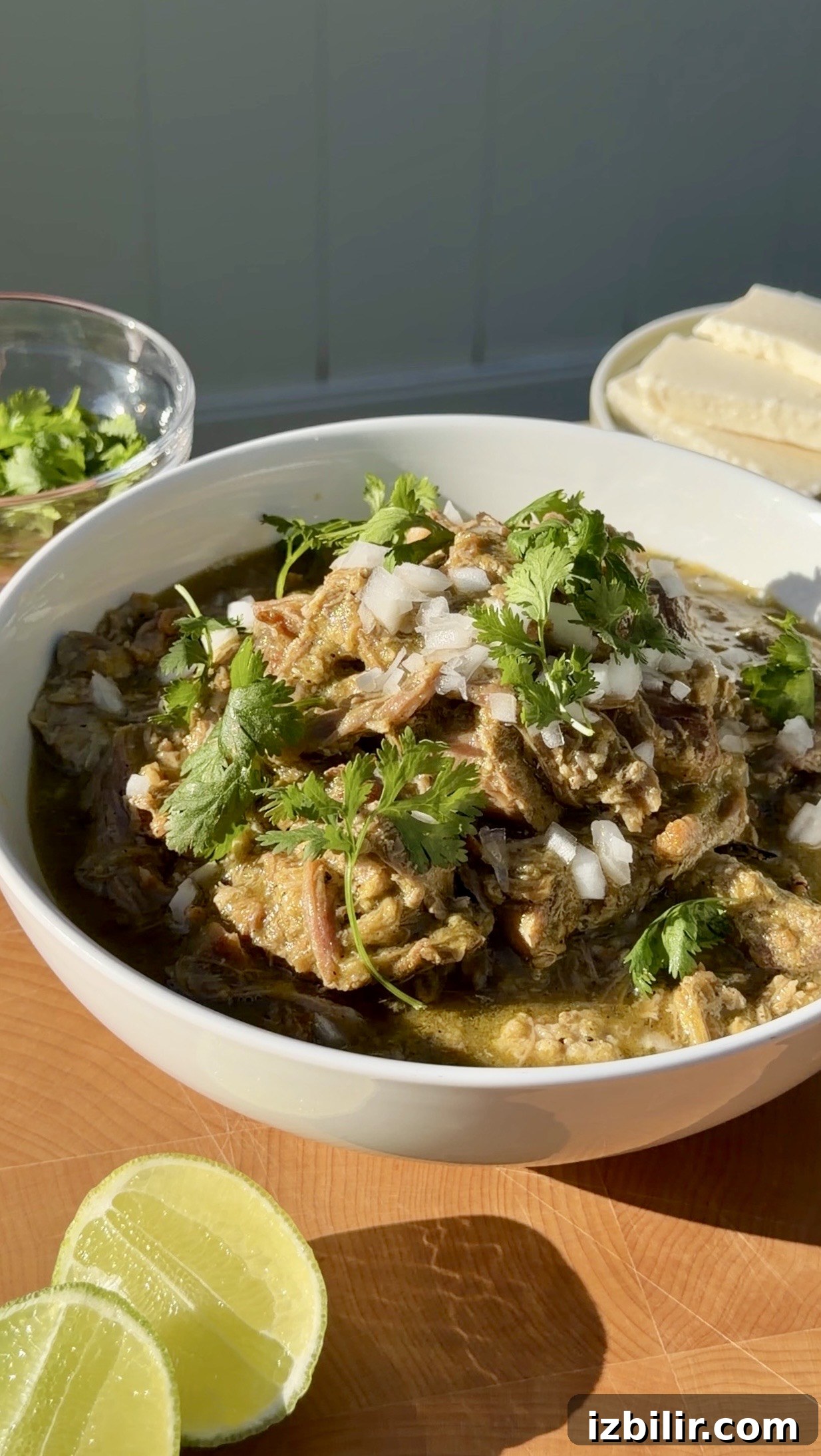
Carnitas En Salsa Verde
Transform store-bought carnitas into a vibrant, restaurant-style dish with a bright homemade salsa verde. This recipe uses charred tomatillos, serrano or jalapeño chiles, garlic, onion, and plenty of fresh cilantro to make a tangy, slightly smoky salsa. The blended salsa is quickly fried to deepen its color and flavor, then simmered with premade carnitas and a splash of chicken broth until the pork soaks up the sauce and becomes glossy and saucy. The result is a fast, satisfying meal that’s perfect for tacos, bowls, or simply served with warm tortillas and classic toppings like diced onion, cilantro, lime wedges, and crumbled queso fresco.
Prep:
15 mins
15 mins
Cook:
25 mins
25 mins
Total:
40 mins
40 mins
Equipment
- Skillet (large and deep)
- Blender
- Cutting board
- Sharp knives
Ingredients
For the Homemade Salsa Verde:
- 1 lb fresh tomatillos, husked and rinsed
- 1 serrano chile or 2 jalapeños, stems removed (adjust for heat)
- 4 garlic cloves, peeled
- ½ white onion, roughly chopped
- 1 cup fresh cilantro leaves and tender stems
- 1 tbsp fresh lime juice
- 1 tsp kosher salt, plus more to taste
- ½ tsp ground cumin
- 1 tbsp neutral oil (vegetable, canola, or avocado oil)
For the Carnitas:
- 2 lbs premade or store-bought carnitas
- 2 cups chicken broth
- Salt, to taste
For Serving:
- Warm corn tortillas
- Fresh cilantro
- Diced white onion
- Lime wedges
- Queso fresco, sliced or crumbled
Instructions
- Heat a large dry skillet over high heat until it is very hot. Place the tomatillos, serranos (or jalapeños), onion, and whole garlic cloves directly on the hot surface. Let them char, turning occasionally so each side gets blistered and blackened in spots. This will take about 8–12 minutes. The charred edges add smoky depth to the salsa—don’t rush this step.
- Transfer the charred tomatillos, chiles, onion, and garlic to a blender. Add the cilantro, lime juice, salt, and cumin. Blend on high until the mixture is completely smooth, scraping down the sides if needed. If the salsa is too thick for your blender, add a tablespoon or two of water or broth to help it come together.
- Warm the oil in a large deep skillet over medium-high heat. Pour the blended salsa verde into the hot oil and cook, stirring occasionally, for 5–6 minutes. The salsa will darken slightly and develop a deeper, more complex flavor when fried briefly. This step mellows any raw harshness from the tomatillos and chiles.
- Pour in the chicken broth and stir to combine. Bring the mixture to a gentle simmer, then add the store-bought carnitas to the skillet. Use a spoon or spatula to break the meat into bite-sized pieces and stir so each piece is coated with salsa. Reduce the heat to medium-low and simmer, uncovered, for 8–10 minutes so the pork absorbs the salsa and the sauce thickens and glazes the meat. Taste and adjust salt as needed.
- Serve the saucy carnitas immediately with warm corn tortillas and your preferred toppings: fresh cilantro, diced white onion, lime wedges, and sliced or crumbled queso fresco. For tacos, pile the carnitas onto warmed tortillas and finish with a squeeze of lime.
Notes & Tips
- Char the tomatillos and chiles until they’re deeply blistered—this char is the backbone of the salsa and gives it a roasted, slightly smoky flavor that a raw salsa lacks.
- Frying the blended salsa in hot oil before adding broth intensifies the flavor and enriches the color. It also helps the salsa cling to the pork when simmering.
- Since premade carnitas vary in seasoning and salt content, taste the finished dish before adding extra salt. The pork can already contribute a lot of seasoning.
- Simmer long enough for the carnitas to absorb the salsa rather than just sit in it. Aim for a glossy, slightly thickened sauce that lightly coats each piece of pork.
- If you prefer milder heat, remove the seeds from chiles or substitute with mild peppers. For more heat, keep the seeds or use an extra serrano.
- Leftovers keep well in the refrigerator for 3–4 days and can be reheated gently on the stovetop. The flavors often deepen overnight.
Like this recipe? Leave a comment below and let us know how it turned out!