
Servings: 10 Servings
Total time: 30 mins
Salsa for Pupusas, Pastelitos and Yuca Frita
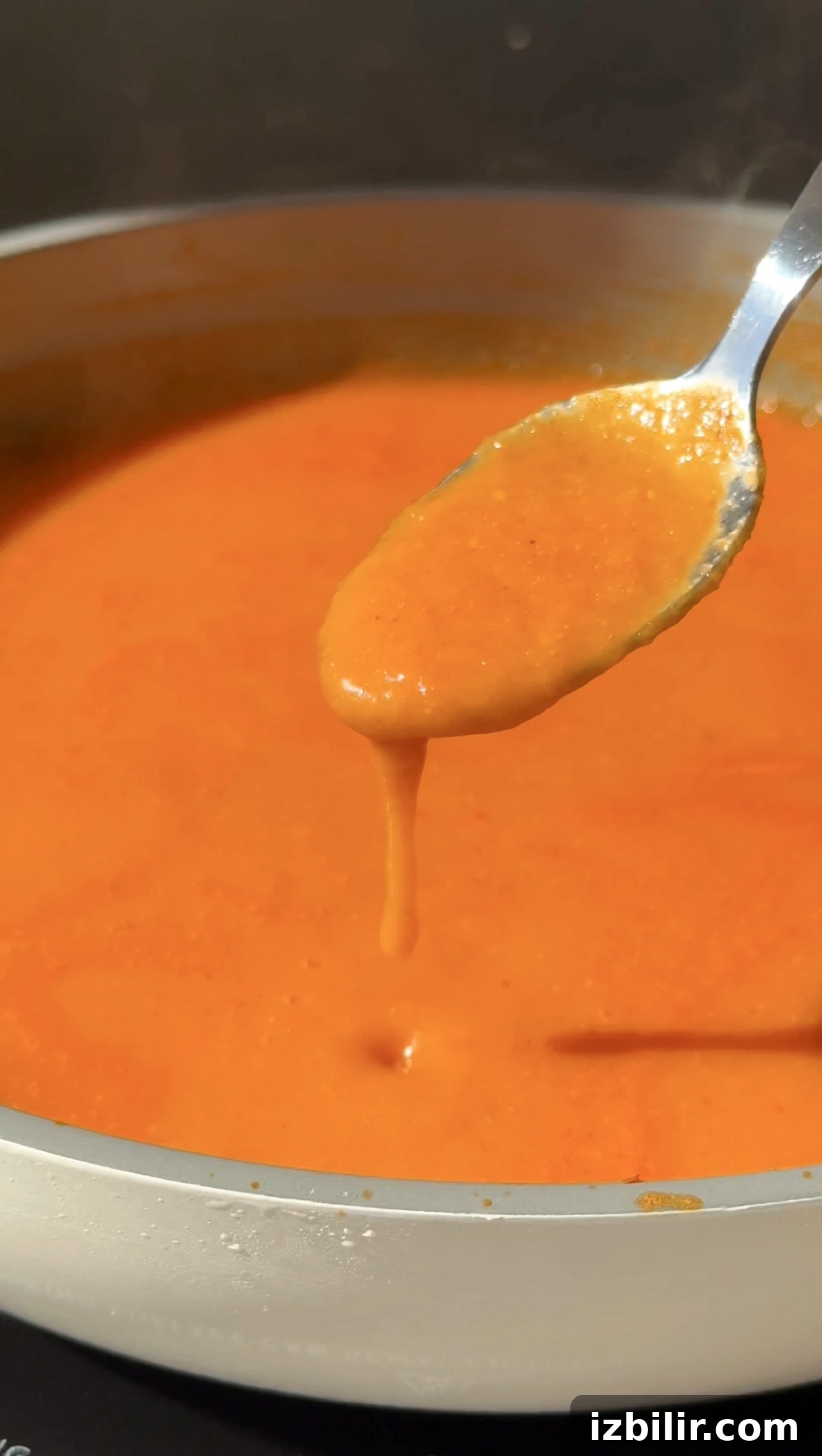
This classic Salvadoran salsa is smooth, bright, and full of tomato flavor with a mild, warming heat when chiles are used. It’s blended from simmered tomatoes (and optional dried chiles de árbol) together with sautéed onion and garlic, then cooked down into a glossy, deep-red sauce. The texture is velvety and the flavor is balanced—tangy, savory, and adaptable—making it ideal for drizzling over pupusas, pastelitos, yuca frita, or using as a vibrant table sauce for many Central American dishes.
Equipment
- Stock pot or small saucepan (for simmering tomatoes)
- Fry pan or sauté pan (for sautéing and finishing the sauce)
- Blender or food processor
- Chef’s knife and cutting board
- Measuring spoons and cups
- Long-handled spoon for stirring
Ingredients
- 3–4 roma tomatoes
- Optional: 2–6 dried chiles de árbol, stems removed (adjust to desired heat)
- 1 1/2 tbsp neutral oil (vegetable, canola, or similar)
- 1/4 small white onion, roughly chopped
- 2 garlic cloves, peeled
- 2 tsp chicken bouillon (or vegetable bouillon for a vegetarian version)
- 1/4 tsp ground cumin
- 1/2 tsp dried oregano
- Salt, to taste
- 1/2–1 cup reserved cooking water (to adjust consistency)
Instructions
- Bring a small pot of water to a simmer. Add the roma tomatoes and, if using, the dried chiles de árbol. Cook until the tomatoes are softened and the chiles are rehydrated, about 8–12 minutes depending on size.
- While the tomatoes cook, heat 1 tablespoon of the oil in a small saucepan or fry pan over medium heat. Add the chopped onion and garlic and sauté for 3–4 minutes until the onion softens and the garlic becomes just golden but not browned.
- Transfer the sautéed onion and garlic to a blender along with the cooked tomatoes, rehydrated chiles (if using), the chicken or vegetable bouillon, ground cumin, dried oregano, and 1/2 cup of the hot cooking water. Blend until completely smooth. If the blender is too full or hot, blend in batches and take care when processing hot liquids.
- Wipe the saucepan clean, add the remaining 1/2 tablespoon of oil, and heat over medium. Pour the blended tomato mixture into the pan.
- Cook the blended sauce over medium heat, stirring occasionally, for about 8–12 minutes. The salsa will darken and thicken as it cooks. Keep an eye on it and stir to prevent sticking or burning.
- Taste the salsa and season with salt as needed. If the sauce is thicker than you prefer, stir in more of the reserved cooking water a little at a time until you reach the desired consistency.
- Remove from heat. Serve warm or at room temperature alongside pupusas, pastelitos, yuca frita, or as a general-purpose table sauce.
Notes & Tips
- Heat level: Use more dried chiles de árbol for a hotter salsa or omit them entirely for a mild, tomato-forward sauce. De-seed the chiles before blending to reduce heat if desired.
- Tomato sweetness and acidity: If your tomatoes taste very acidic, add a small pinch of sugar while cooking to balance the flavors. Taste as you go—start with a little and add more only if needed.
- Bouillon substitute: For a vegetarian version, substitute chicken bouillon with a vegetable bouillon or a small amount of soy sauce. Adjust salt accordingly because bouillon is salty.
- Texture: For the silkiest texture, blend longer until perfectly smooth. For a chunkier, rustic salsa, pulse the blender or mash some of the tomatoes with a fork before finishing in the pan.
- Storage: This salsa keeps well in an airtight container in the refrigerator for up to 5 days. Reheat gently on the stove or serve cold at room temperature—both options are traditional and work well depending on your dish.
- Freezing: Portion leftover salsa into small containers or freezer-safe bags and freeze for up to 3 months. Thaw overnight in the refrigerator and reheat gently before serving.
- Serving suggestions: Drizzle over freshly made pupusas or pastelitos, serve beside fried yuca, use as a dipping sauce for empanadas, or spoon over grilled vegetables and proteins for a bright finish.
- Make-ahead: The sauce can be made a day ahead to let flavors meld. Gently reheat and adjust seasoning before serving.
- Safety tip: When blending hot liquids, allow steam to escape and blend in short bursts to avoid pressure buildup in the blender lid.
This simple Salvadoran salsa is an easy way to add a bright, savory component to many dishes. It’s approachable to make at home, highly adaptable, and becomes a reliable go-to sauce for Latin American meals and everyday cooking.
Like this recipe? Leave a comment below and tell us how you served it or which variations you tried!