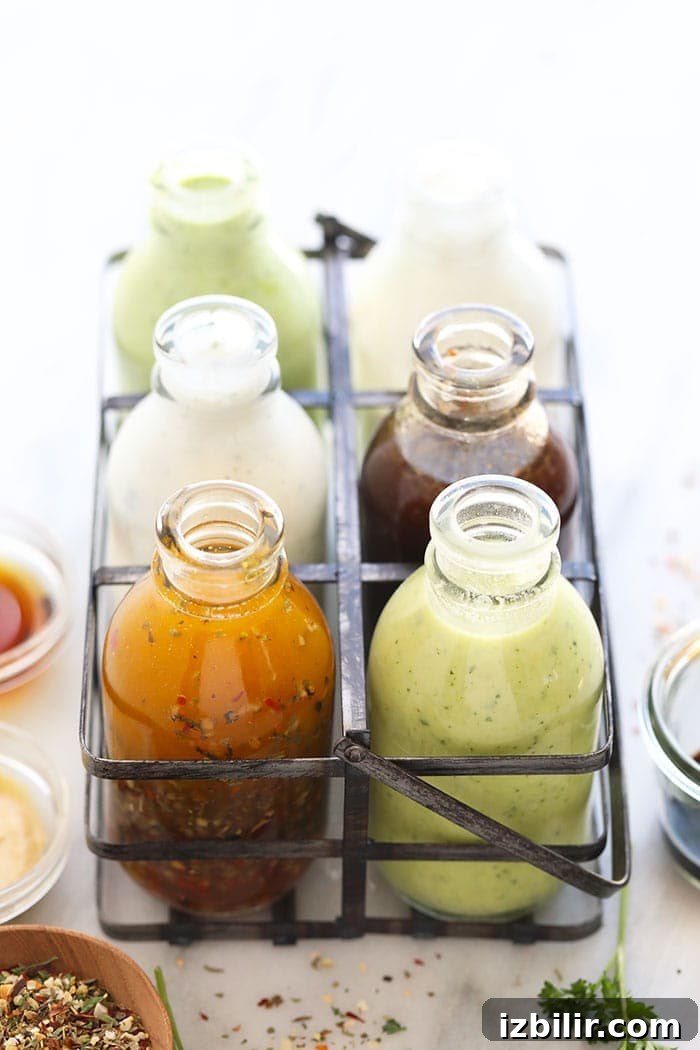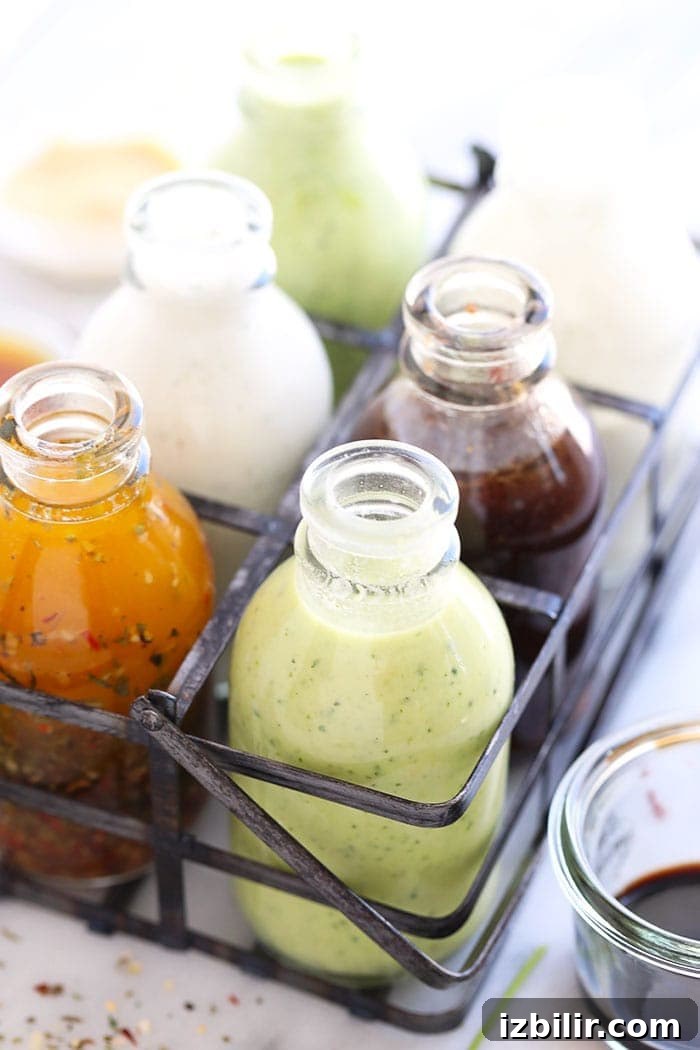
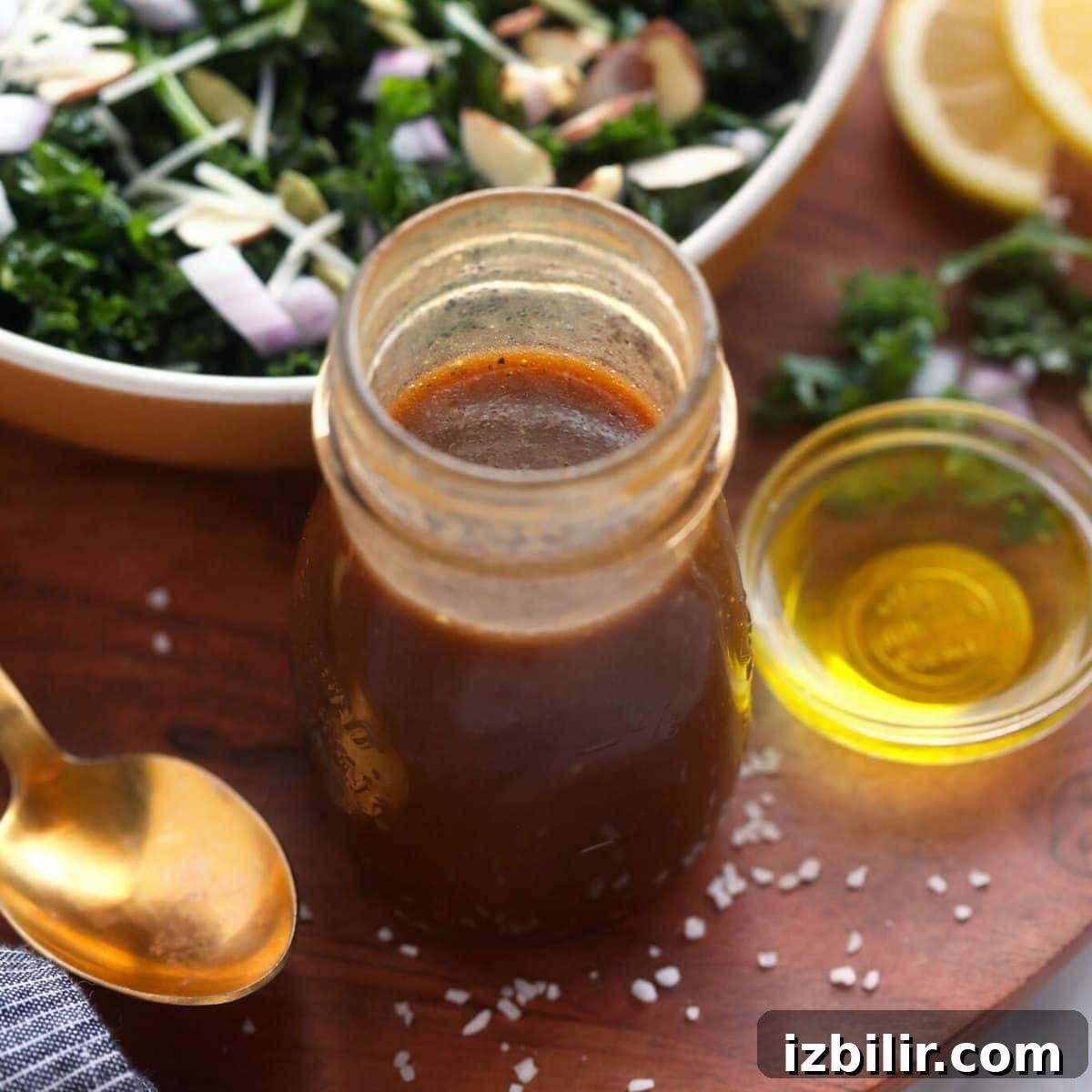
Our favorite salad dressing is a straightforward vinaigrette made from olive oil, balsamic vinegar, lemon juice, a touch of maple syrup, and Dijon mustard. It takes about five to ten minutes to prepare and delivers bright, balanced flavor that works on greens, grain salads, and even as a chicken marinade.
Making homemade salad dressing is one of the easiest ways to transform a simple salad into something memorable. It’s versatile, economical, and gives you complete control over the ingredients and flavor. You can use the same basic approach for both oil-based vinaigrettes and creamier dressings based on yogurt, mayonnaise, or avocado.
Why Make Homemade Salad Dressings?
Store-bought dressings are convenient, but making your own has clear advantages:
- Cost: Most kitchens already stock the basics, so homemade dressings are budget-friendly.
- Flavor: Fresh ingredients give brighter, more vivid flavors than many commercial dressings.
- Control: You choose the sweetness, acidity, salt, and any additives so the dressing fits your dietary needs.
Types of Salad Dressing
There are two primary categories of dressings:
- Oil-based (vinaigrettes): Built on an oil such as olive, grapeseed, or avocado oil plus an acid like vinegar or citrus. Classic examples include Italian and Greek dressings.
- Creamy: Made with a creamy base like Greek yogurt, mayonnaise, hummus, or blended avocado for a thicker texture and rich mouthfeel.
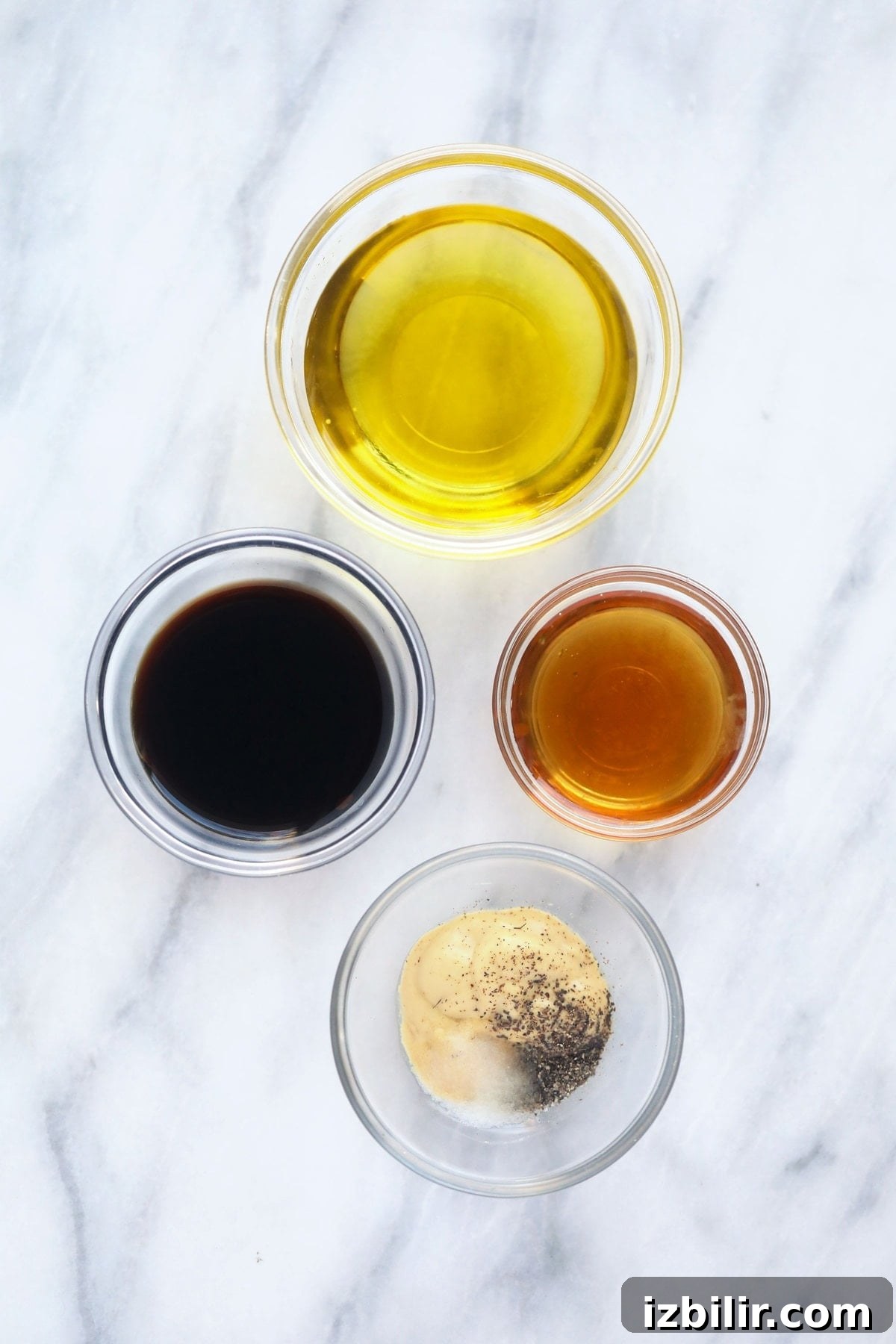
Common Ingredients for Homemade Dressing
When you want to improvise a dressing, these pantry staples will usually do the job:
- Oil (olive, grapeseed, avocado, sesame)
- Vinegar (balsamic, apple cider, rice, white wine)
- Fresh herbs (basil, cilantro, parsley)
- Spices (garlic powder, oregano, Italian seasoning)
- Citrus (lemon, lime)
- Yogurt or other creamy bases
- Salt and pepper
How to Build a Balanced Dressing
A good dressing balances fat, acid, seasoning, and a little sweetness. Use the steps below as a flexible guideline rather than strict rules.
1. Choose a Base
Start with either an oil base for vinaigrettes or a creamy base for thicker dressings.
Oil options
- Olive oil
- Grapeseed oil
- Avocado oil
- Sesame oil (for Asian-style dressings)
Creamy bases
- Greek yogurt
- Hummus
- Mayonnaise
- Sour cream
- Mashed avocado
Oil swaps
Most oils can be swapped based on what you have, though each brings its own flavor. When in doubt, extra-virgin olive oil is a reliable default.
2. Add an Acid: Vinegar and/or Citrus
Acid brightens and balances the fat in a dressing. Common choices include lemon or lime juice, apple cider vinegar, rice vinegar, white wine vinegar, and balsamic vinegar. Taste as you add acid—different vinegars vary in strength and sweetness.
- Lemon
- Lime
- Apple cider vinegar
- Rice vinegar
- White wine vinegar
- Balsamic vinegar
3. Fresh Herbs and Fruit for Dimension
Fresh herbs and soft fruits add complexity and a pleasant aroma, though they can shorten shelf life. Blend or mince herbs and soft produce into the dressing for the best texture.
- Avocado
- Strawberries, blueberries, or raspberries (for fruit-forward dressings)
- Basil, cilantro, parsley
- Roasted pear or apple for autumnal flavors
4. Other Flavor Elements
Dried herbs and spices, a touch of sweetener, and aromatics round out a dressing:
- Dry spices: Italian seasoning, garlic powder, basil, oregano
- Sweeteners: Maple syrup, honey, agave
- Salt and pepper: Always season to taste
Easy Preparation Methods
Decide how you’ll combine the ingredients based on the style of dressing:
- Oil-based vinaigrettes: Combine ingredients in a jar with a tight lid and shake until emulsified.
- Creamy dressings: Blend fresh herbs, fruit, or vegetables with the creamy base in a blender or food processor for a smooth texture.
Adjust thickness by varying the amount of oil or water: less liquid yields a thicker dressing, more liquid thins it out.
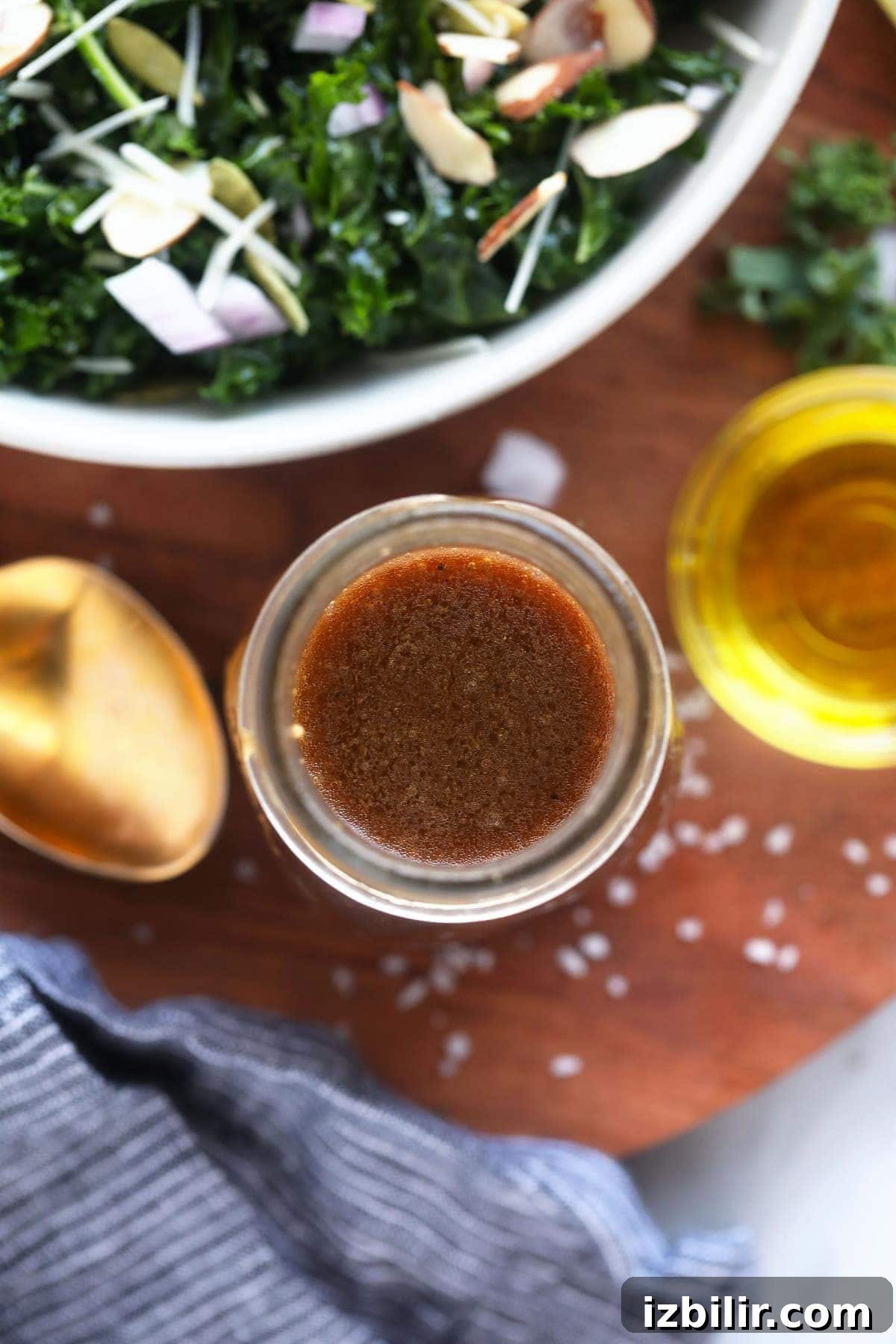
Homemade Salad Dressing Q & A
How many types of salad dressings are there? At a basic level, two: oil-based (vinaigrettes) and creamy.
What can I use instead of salad dressing? If you don’t have a prepared dressing, try a simple drizzle of olive oil, a squeeze of lemon, and salt and pepper. Other makeshift options include hummus, cottage cheese, tahini, Greek yogurt, or a nut butter thinned with a bit of water or lemon.
How long does homemade dressing last? Storage life depends on ingredients and storage method. Dressings that contain significant vinegar or lemon tend to keep a bit longer. As a general rule, homemade dressings stored airtight in the refrigerator usually last about 3–5 days; dressings with fresh produce or herbs may be best used sooner.
Every Dressing Deserves a Salad
To help you pair dressings with salads, here are a few go-to salad ideas that work well with homemade dressings: quinoa salads, kale salads, avocado tuna salad, grilled chicken salad, and classic Greek salad.
Quinoa Salad Recipes

Easy Kale Salad Recipes
Avocado Tuna Salad
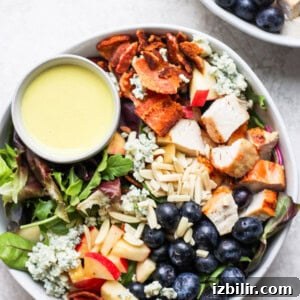
Grilled Chicken Salad
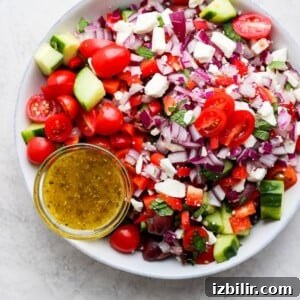
Greek Salad Recipe
Storage
Store most homemade dressings in an airtight container in the refrigerator for 3–5 days. Use a clean jar or bottle and label it with the date made. If the dressing contains raw garlic or fresh herbs, err on the side of shorter storage.
Best Containers for Storing Dressing
The most practical containers are airtight and easy to pour from. Mason jars, small dressing shakers, or narrow-neck bottles are convenient choices.
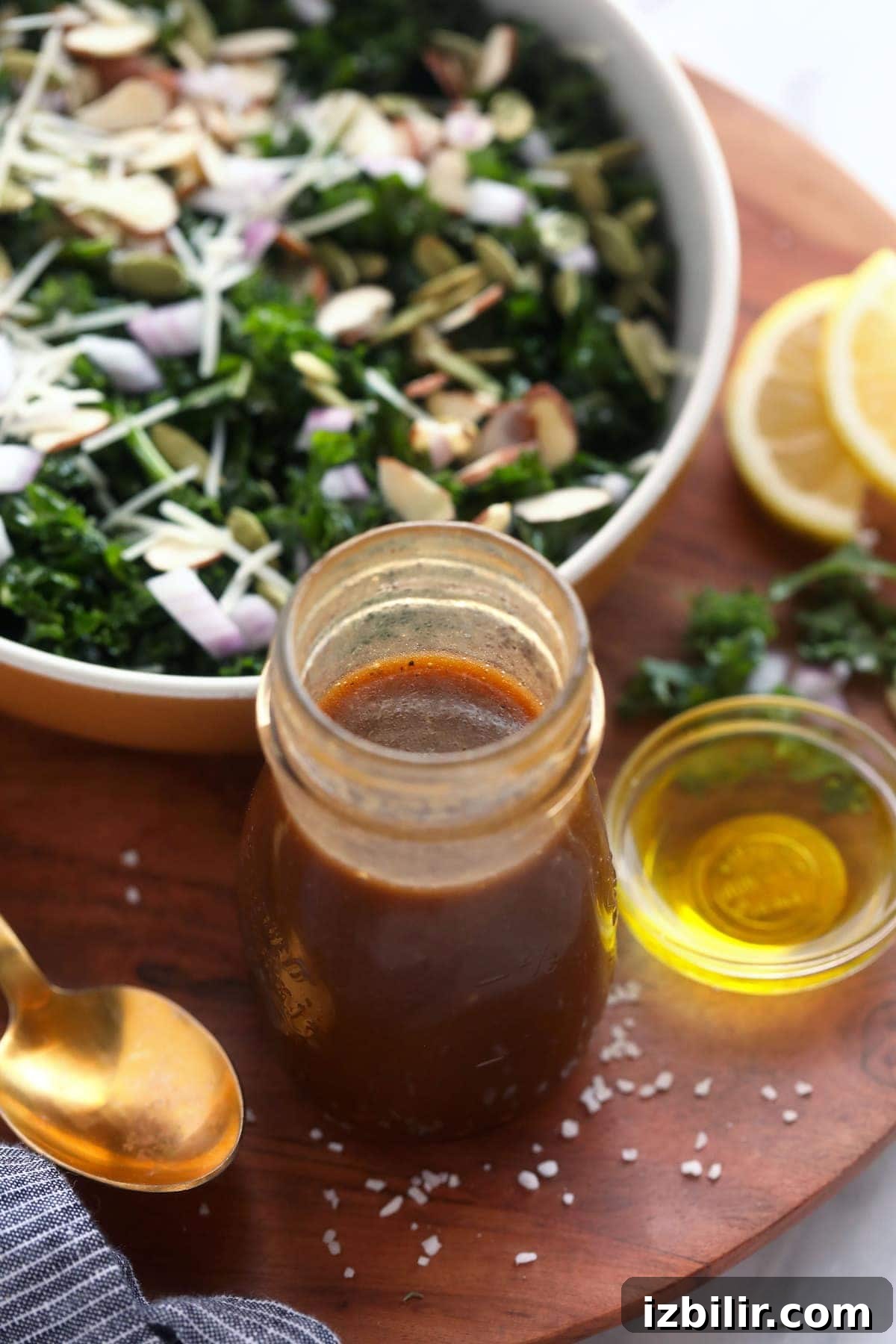
Simple Balsamic Vinaigrette (Favorite Dressing)
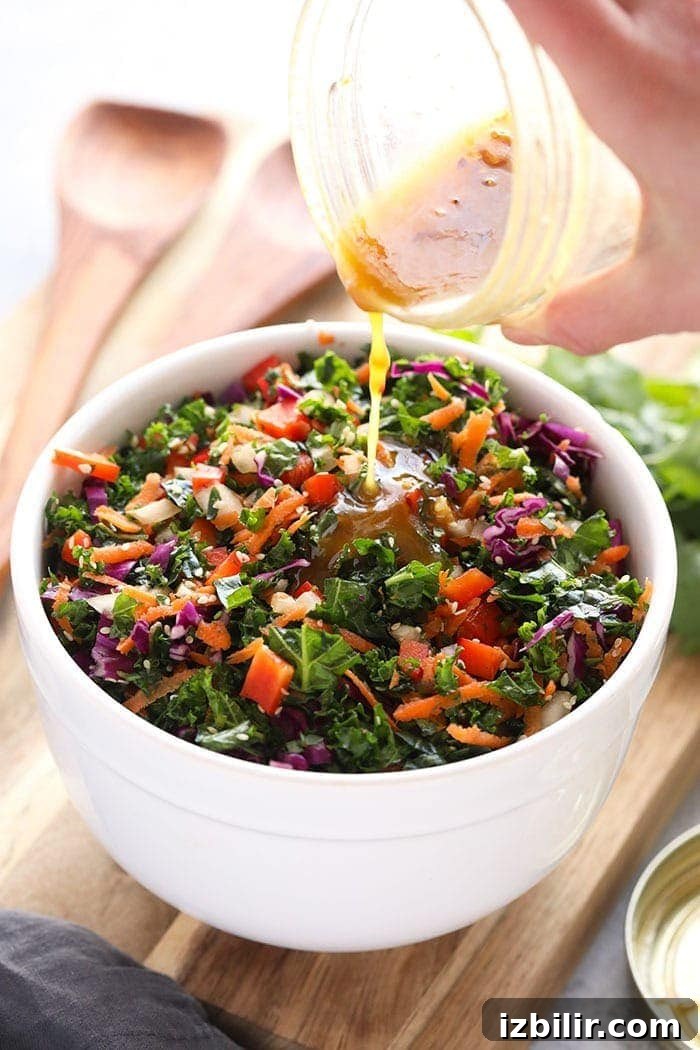
This simple balsamic vinaigrette is one of our favorites. It’s versatile enough to dress kale, quinoa, or a bed of mixed greens and makes a tasty marinade for chicken.
Ingredients (serves 4)
- 1/4 cup olive oil
- 2 tablespoons balsamic vinegar
- 1 tablespoon maple syrup
- 1/2 teaspoon Dijon mustard
- 1 teaspoon minced garlic
- 1–2 teaspoons fresh lemon juice
- Pinch of salt
- Pinch of black pepper
Instructions
- Place all ingredients in a small bowl or a mason jar.
- Whisk or shake until fully combined and slightly emulsified.
- Taste and adjust salt, pepper, or lemon to preference.
- Store in an airtight container in the refrigerator for up to 3–5 days.
Nutrition (approximate per serving)
Calories: 138 kcal • Carbohydrates: 5 g • Protein: 0 g • Fat: 14 g • Sugar: 4 g
Nutrition information is an estimate and should be used as a general guideline.
Top 3 Healthy Salad Dressings
Greek-Style Dressing
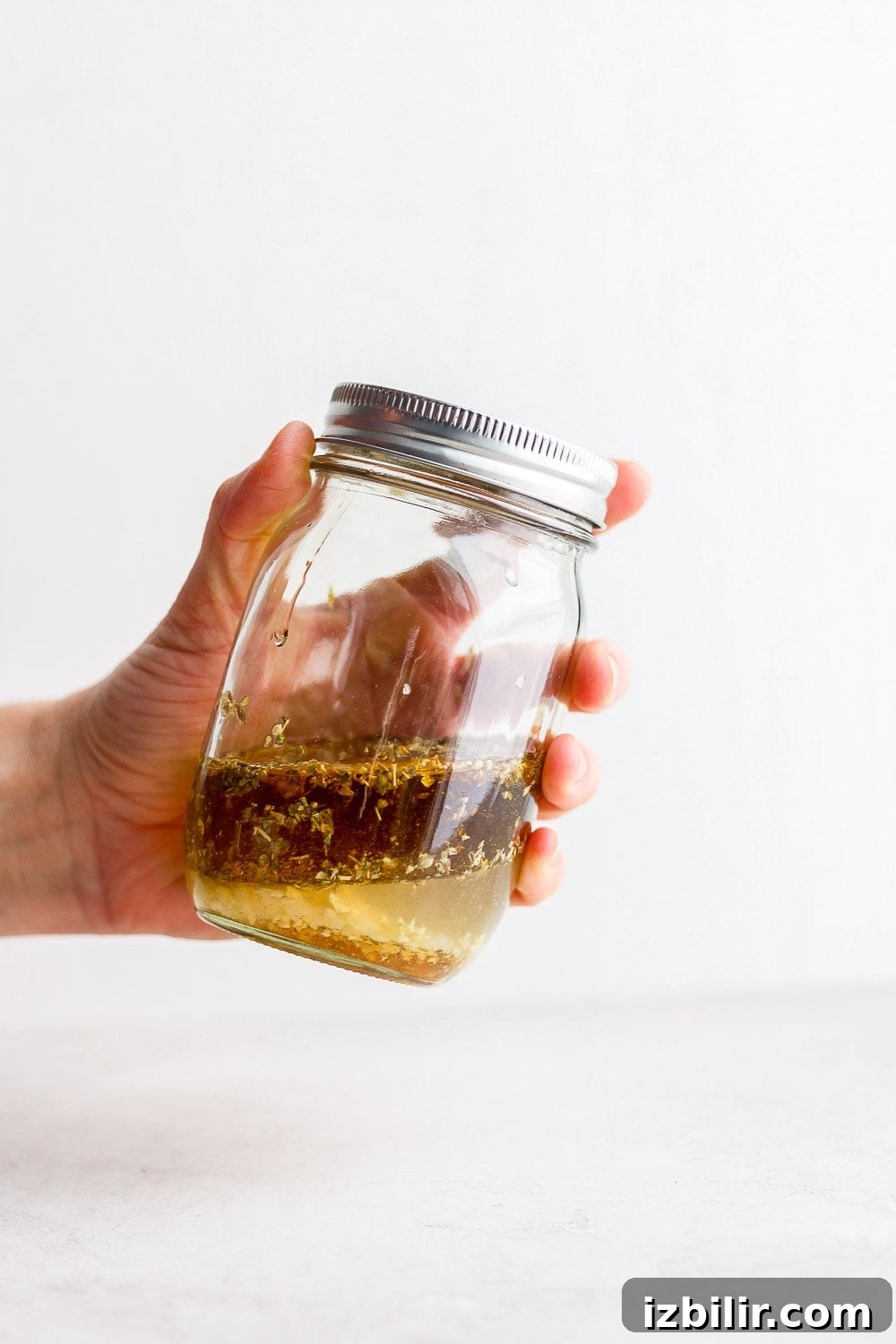
A tangy, sweet Greek-style dressing pairs perfectly with tomatoes, cucumbers, red onion, and feta. It’s also useful for marinating meats.
Lemon Vinaigrette
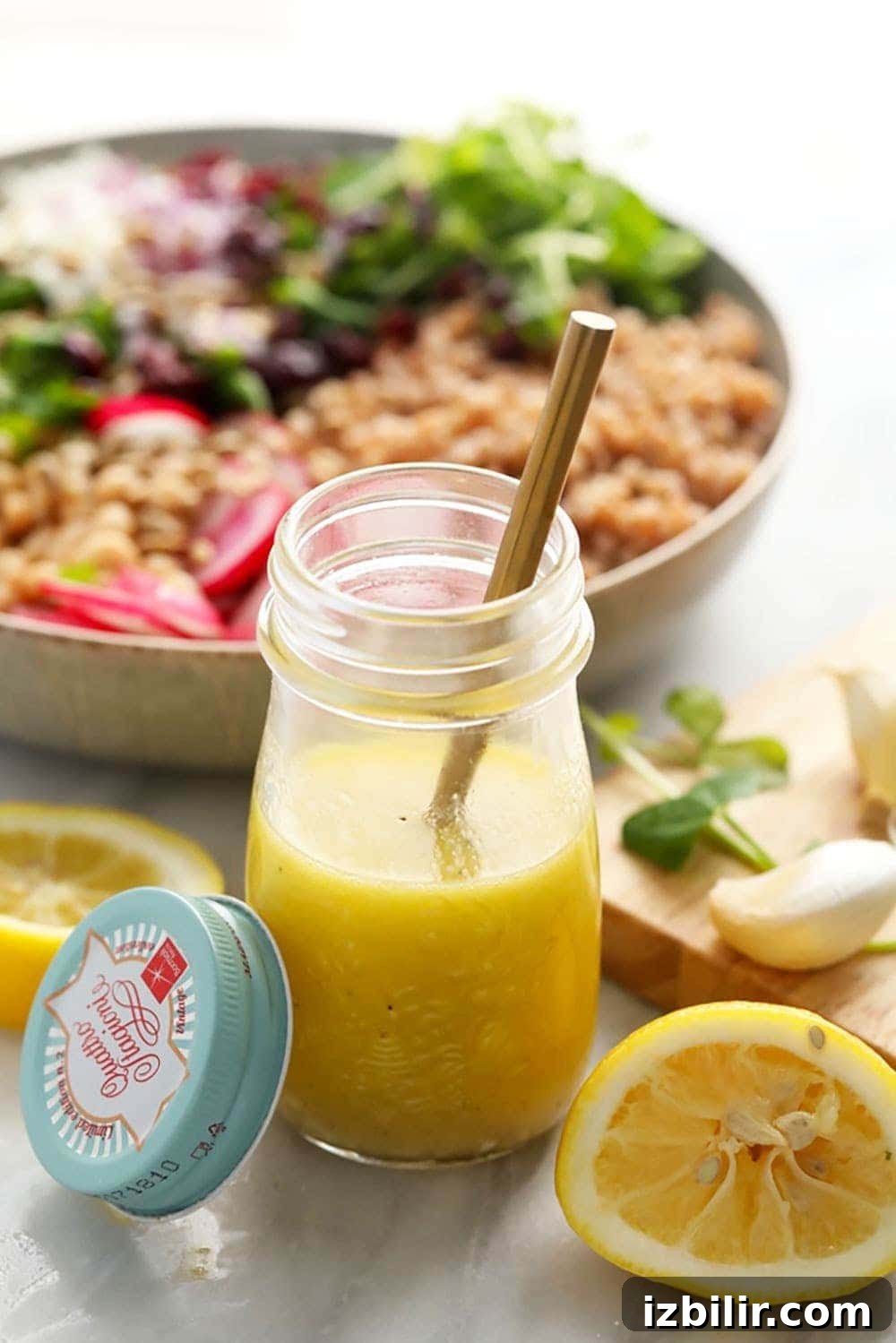
A bright lemon vinaigrette made with fresh lemon juice, olive oil, white wine vinegar, Dijon mustard, garlic, and a touch of maple syrup will refresh almost any salad.
Asian-Inspired Dressing
An Asian-style dressing with garlic, apple cider vinegar, maple syrup, and a splash of soy sauce or tamari brings savory-sweet depth to kale salads or grilled protein.
More Dressing Ideas
- All-Purpose Green Goddess Dressing
- Homemade Italian Dressing
- Avocado Cilantro Lime Dressing
- Greek Yogurt Blue Cheese Dressing
- Homemade Healthy Ranch
- Best Balsamic Vinaigrette
- Easy Honey Mustard Dressing
- Homemade Poppy Seed Dressing