
Servings:
4
servings
4
servings
Pescado A La Diabla
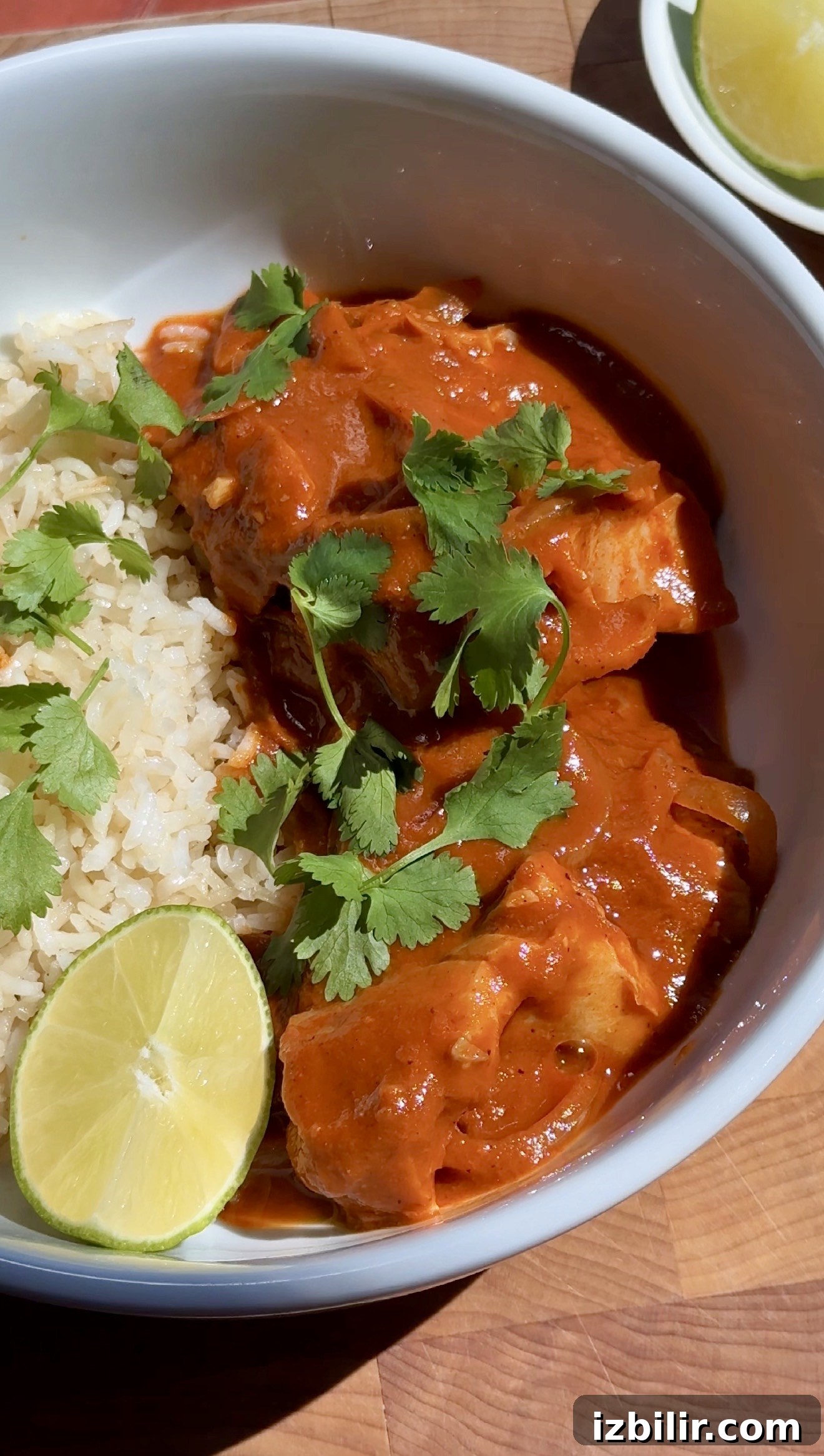
If you love bold, fiery flavors, Pescado a la Diabla delivers. This recipe adapts the classic Mexican “a la diabla” sauce—traditionally used for shrimp—into a spicy, bright sauce for flaky white fish. Roasted guajillo chiles combine with tomatoes, garlic, onion, and a touch of chipotle and adobo for smoky heat. The sauce is silky and vibrant, coating tender fish that cooks quickly and stays moist. Serve it with warm tortillas or steamed rice and a squeeze of lime for a restaurant-quality, weeknight-friendly meal.
Prep:
15
15
Cook:
30
30
Total:
45
45
Equipment
-
Medium skillet
-
Mixing bowl
-
Chef’s knife
-
Cutting board
-
Blender
Ingredients
For the sauce:
- 1 tbsp oil
- 2 dried guajillo chiles, stems and seeds removed
- 1–2 dried chile de árbol, stems removed (optional for more heat)
- 2 medium tomatoes, whole
- 2 garlic cloves
- 1/4 small white onion
- 1 cup reserved cooking water or fish stock
- 1–2 chipotles in adobo
- 1 tbsp adobo sauce
- Salt and black pepper, to taste
- 1/4 tsp garlic powder
- 1 tbsp butter
For the fish:
- 2 lbs white fish fillets (cod, tilapia, or halibut)
- 1/2 small white onion, sliced
For the garnish:
- Chopped cilantro
- Lime wedges
- Warm tortillas or rice
Instructions
-
1. Prepare and toast the chiles: Remove stems and seeds from the guajillo and chile de árbol. In a dry skillet over medium heat, lightly toast the dried chiles for 30–60 seconds per side until they become fragrant and just start to darken—do not burn them. Toasting deepens the flavor and brings out the smoky, slightly fruity notes that define this sauce.
-
2. Sauté the aromatics and tomatoes: Heat 1 tablespoon of oil in the skillet over medium heat. Add the toasted guajillo and chile de árbol, whole tomatoes, sliced onion, and garlic cloves. Fry everything together for about 5 minutes, turning the tomatoes so they blister and soften. The goal is to soften and lightly caramelize the vegetables to build a rich base for the sauce. Remove the pan from heat and allow the ingredients to cool slightly.
-
3. Blend the sauce: Transfer the fried chiles, tomatoes, onion, and garlic to a blender. Add 1–2 chipotles in adobo, 1 tablespoon of adobo sauce, 1/2 to 1 cup of reserved cooking water or fish stock (start with 1/2 cup and add more for desired consistency), salt, black pepper, and 1/4 teaspoon garlic powder. Blend on high until completely smooth. If the sauce is too thick, thin it with a little more stock or water. Taste and adjust salt and heat—adding the second chile de árbol or another chipotle will increase the spice level.
-
4. Build the finished sauce: In the same skillet, melt 1 tablespoon of butter over medium heat. Add the sliced onion and cook until softened and translucent, about 4–5 minutes. Pour in the blended sauce and simmer gently for 4–6 minutes, stirring occasionally, until it thickens slightly and the flavors meld. Adjust seasoning with salt and pepper. The sauce should be silky and coat the back of a spoon.
-
5. Cook the fish: Reduce the heat to medium-low. Nestle the fish fillets into the sauce, turning each piece to coat it thoroughly. Cover the skillet and cook for 5–8 minutes, depending on thickness, until the fish is opaque and flakes easily with a fork (an internal temperature of 145°F / 63°C is recommended). Avoid overcooking to keep the fish tender and moist.
-
6. Serve and garnish: Transfer the fish to plates and spoon extra sauce over the top. Garnish with chopped cilantro and lime wedges. Serve with warm corn or flour tortillas for tacos, or with steamed rice to soak up the sauce.
-
Tips for success: Toast the chiles gently—burned chiles will taste bitter. Adjust the number of chipotles and chile de árbol to match your heat tolerance. For a creamier sauce, stir in a splash of cream or a small pat of butter at the end.
Notes
• Heat level: Add an extra chile de árbol or another chipotle for more heat. Omit the chile de árbol or reduce the chipotle amount for a milder sauce.
• Fish selection: Use any firm white fish you prefer—cod, halibut, or tilapia all work well. Thicker fillets will need a bit more cook time; thinner fillets will cook faster.
• Make-ahead: The sauce can be prepared a day in advance and stored in the refrigerator. Reheat gently before adding the fish.
• Variations: This sauce is versatile—try it with shrimp or prawns for a classic “a la diabla” variation, or pour it over grilled vegetables for a vegetarian twist.
• Serving suggestions: Serve with warm tortillas, steamed rice, or a simple side salad. A squeeze of fresh lime brightens the dish and balances the spice.
Like this? Leave a comment below!