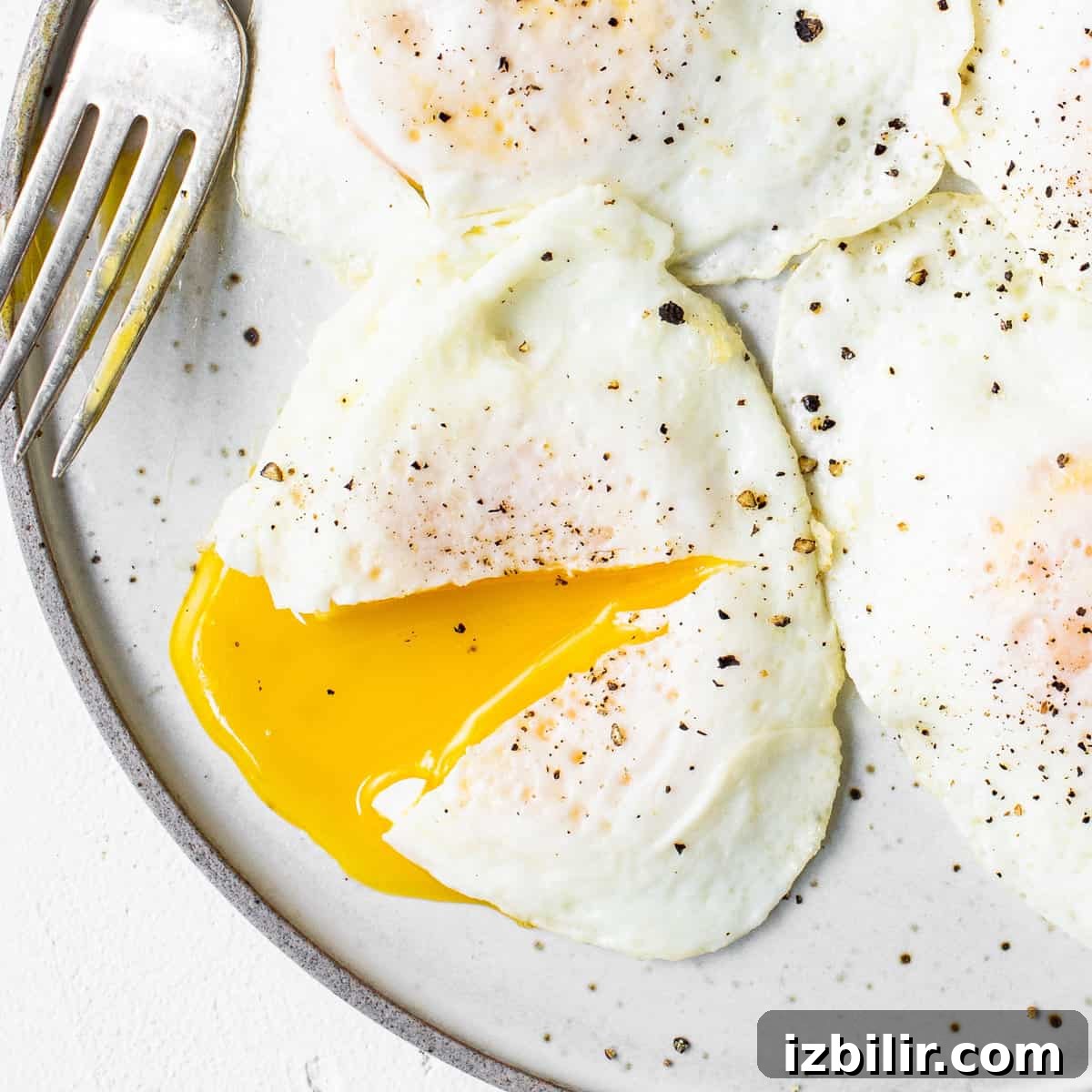
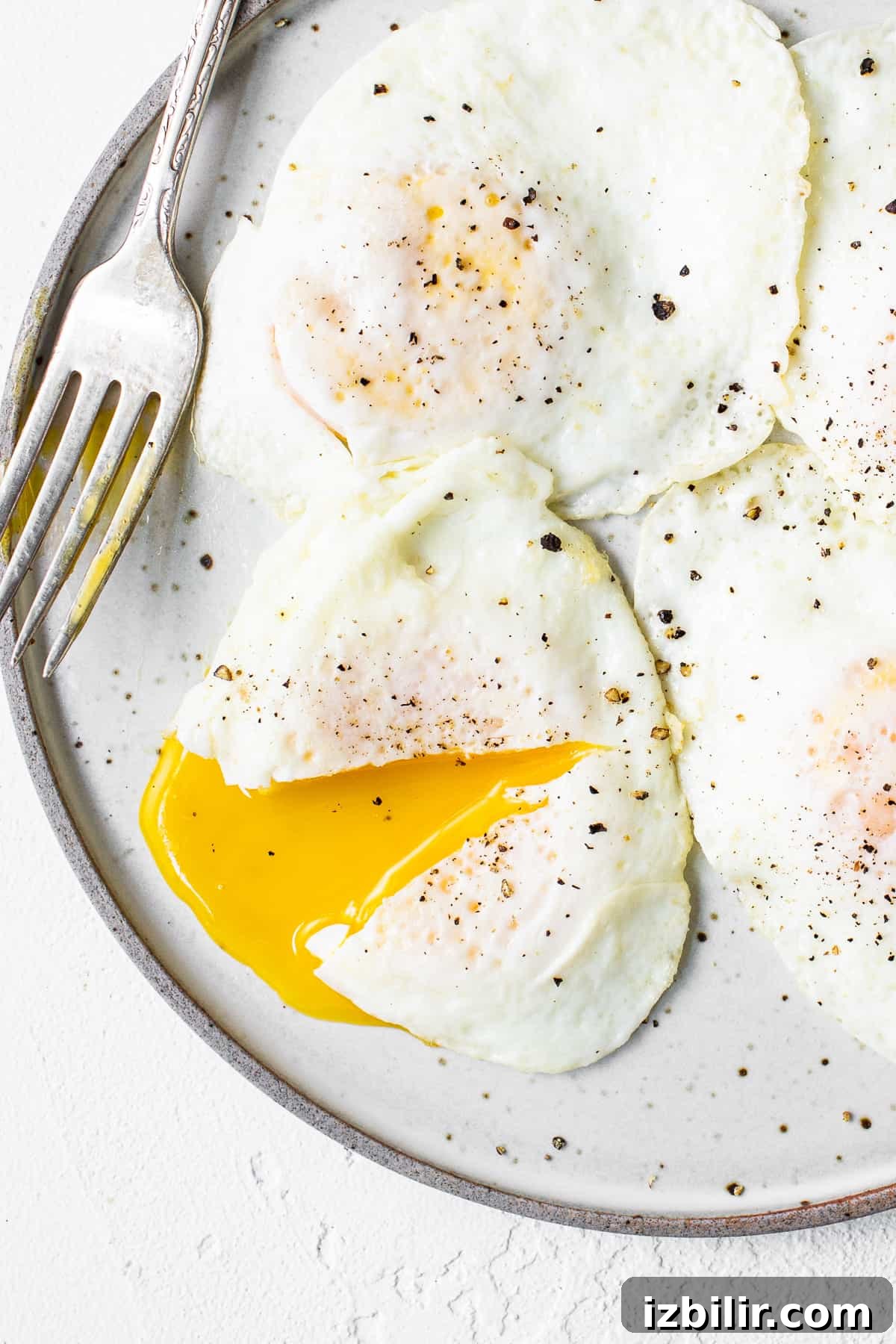
If you want a perfectly runny yolk and tender, fluffy whites, this guide to making over-easy eggs will get you reliable results every time. Over-easy eggs are quick to make and delicious on toast, salads, sandwiches, and more — not just for breakfast.
The basic technique is simple: cook the eggs gently over medium-low heat until the whites begin to set, then flip briefly so the yolk stays runny. Below you’ll find the ingredients, step-by-step instructions, pan recommendations, storage advice, serving ideas, and tips for consistent success.
What you need for over-easy eggs
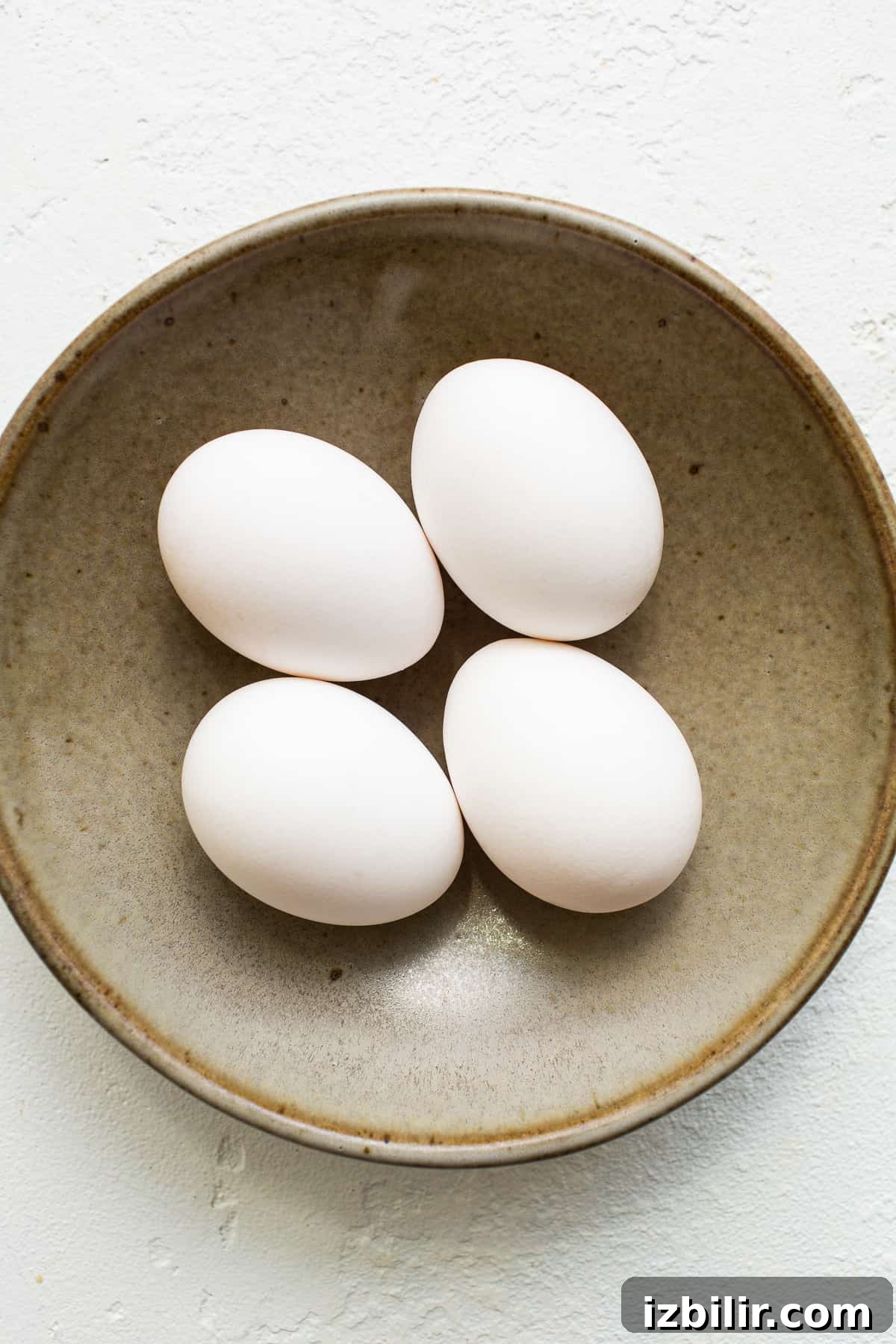
- Large eggs: We tested with large eggs. Small, medium, or extra-large eggs will change the cook time slightly, so adjust accordingly.
- Unsalted butter: Unsalted butter gives a mild, nutty finish and prevents excessive salt in the final dish. If you use salted butter, taste before adding more salt.
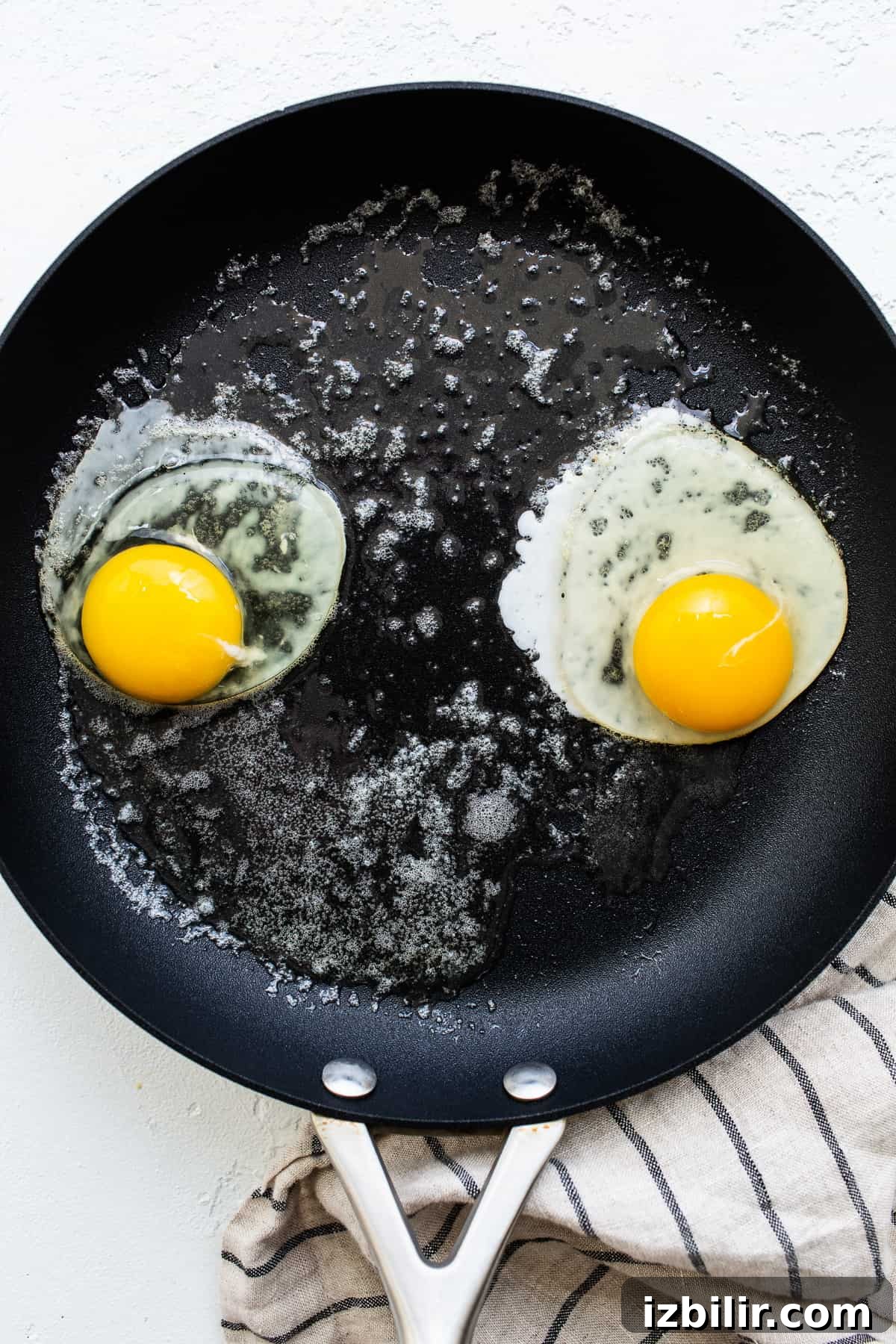
- Nonstick pan: A nonstick skillet is the easiest option because the eggs won’t stick and flips are smoother.
- Nonstick spatula: A thin, flexible spatula designed for nonstick pans helps flip the eggs gently without tearing the whites.
Season as desired — classic options are salt, black pepper, paprika, and a pinch of garlic powder.
Why we prefer butter
Butter produces a subtle, nutty flavor and minimal browning on the whites. It helps the eggs cook evenly while keeping edges soft. Vegetable oil, olive oil, or avocado oil will also work but tend to create crisper, bubbled edges and a different flavor profile, which some people prefer for a more textured fried egg.
Best pans for over-easy eggs
An 8-inch or 10-inch nonstick skillet is the most forgiving and delivers the cleanest results. If you only have other pans, these options also work with a few adjustments:
- Nonstick: Easiest for frying eggs; use low to medium-low heat and a little butter for best results.
- Cast iron: Cast iron heats quickly and retains heat well. Use ample butter and monitor the edges so they don’t stick or darken too much.
- Stainless steel: Possible, but requires careful heat control and enough fat. Heat can be uneven, so watch for hot spots and move the pan if needed.
Top tips for the perfect eggs
- Use fresh eggs: Fresher eggs hold together better and produce firmer whites when frying.
- Control the heat: Medium-low is ideal. Too hot and the whites will crisp before the yolk is ready to flip.
- Add butter or oil as needed: If the egg starts to stick, add a little more fat and lift the edges with your spatula to release it.
- Don’t overcrowd the pan: Fry no more than two eggs at once in an 8-inch skillet. Give each egg enough space to cook evenly.
- Be patient when flipping: Wait until the whites are mostly set so the yolk is supported and won’t burst when you flip.
- Season at the end: Sprinkle salt and pepper just before serving to preserve the yolk’s texture and flavor.
Over-easy eggs — simple recipe
Ingredients (serves 2)
- 4 large eggs
- 2 tablespoons unsalted butter
Instructions
- Heat an 8-inch or 10-inch nonstick frying pan over medium-low heat. Add the butter and let it melt, coating the pan evenly.
- Carefully crack the eggs into the pan, spacing them so they don’t touch. Avoid overcrowding — two eggs per pan work best.
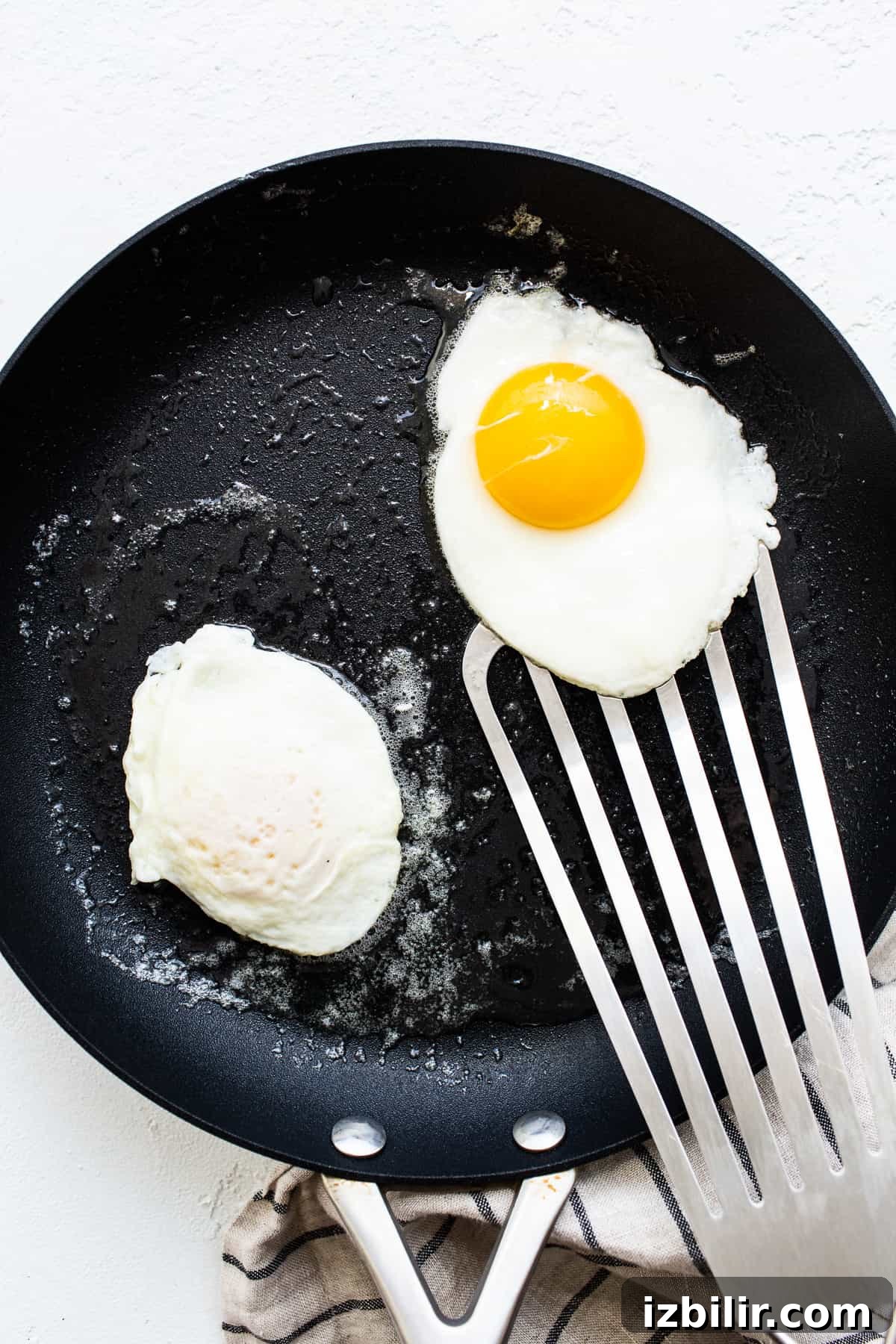
- Cook the eggs for about 2 minutes, or until the egg whites begin to set but are still slightly tender on top. The goal is to let the whites become stable enough to flip without fully cooking the yolk.
- Using a thin spatula, gently flip each egg and cook for an additional 30 seconds. This short finish sets the top of the white while keeping the yolk runny.
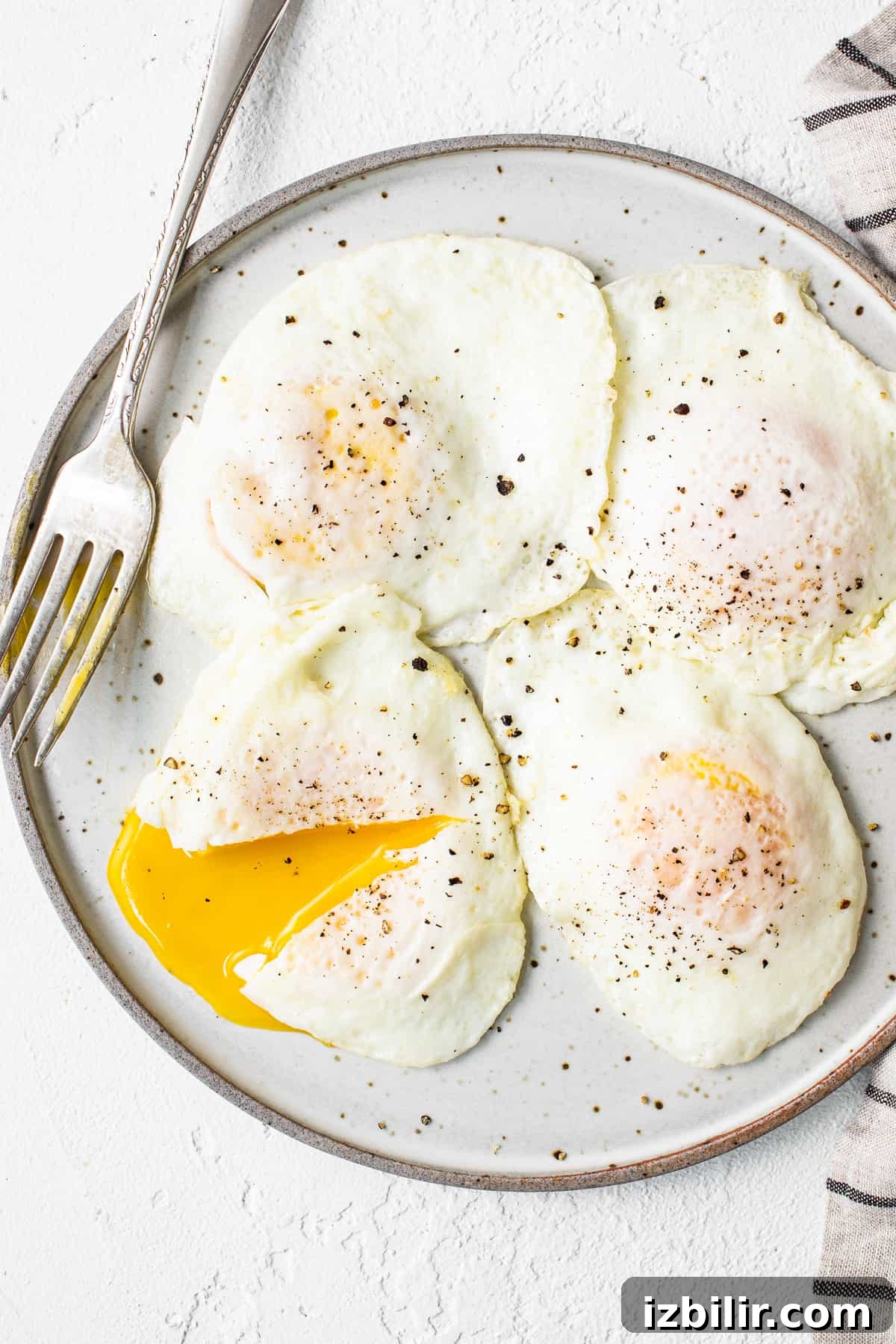
- Transfer the eggs to a plate, season with salt and pepper, and serve immediately.
Notes
- Cook times vary by stovetop and pan. Use the visual cue of the white setting rather than strictly relying on time.
- Medium or extra-large eggs will need slightly different timings; adjust as you test your equipment.
How to serve over-easy eggs
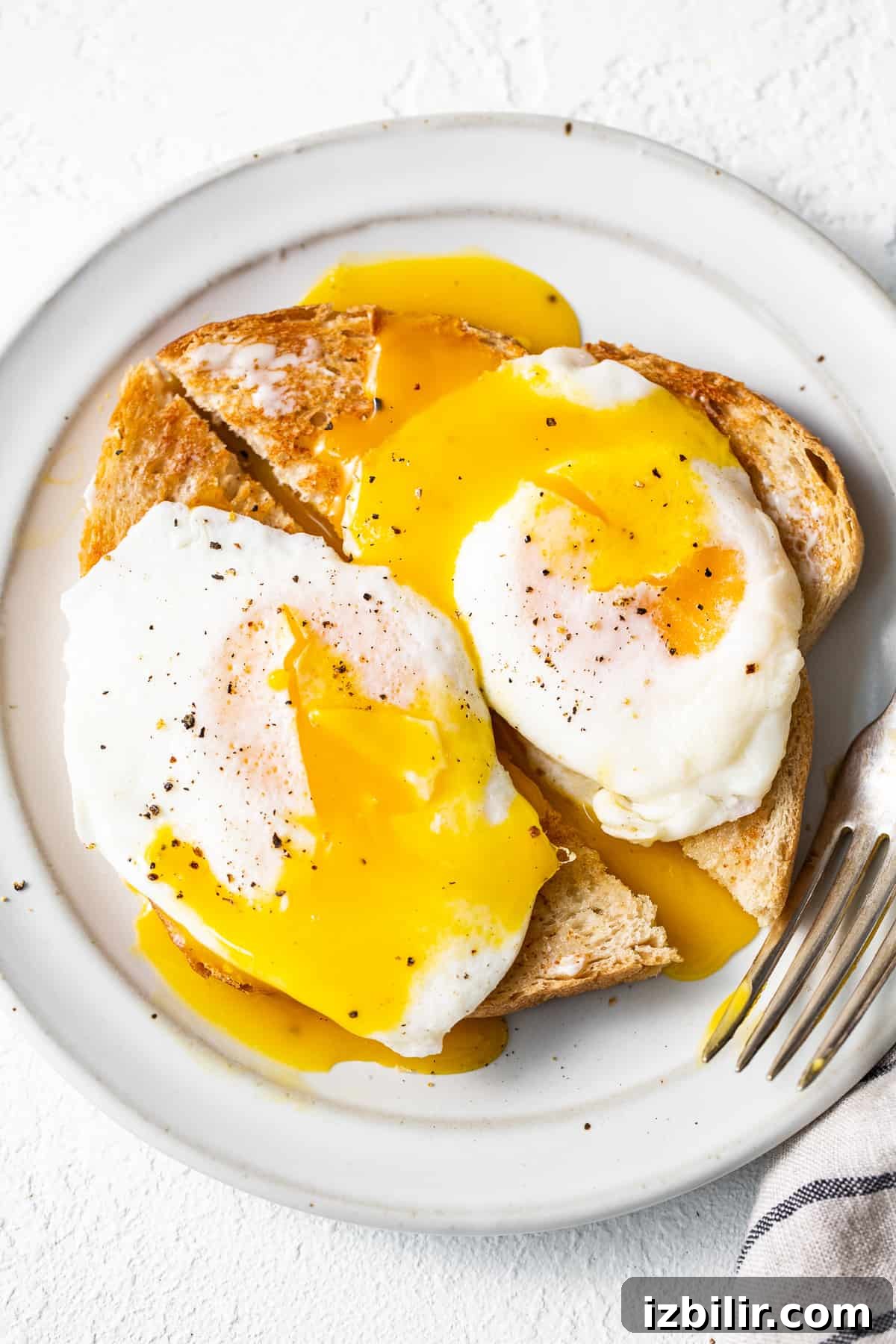
Over-easy eggs are versatile. Serve them on toast, an English muffin, or a grain bowl; add crispy bacon, breakfast sausage, or avocado for a heartier meal. They also top breakfast sandwiches, grain bowls, and avocado toast beautifully.
- Avocado toast with a runny yolk
- Breakfast sandwich with cheese and greens
- On top of sautéed greens or fried rice for added richness
- Alongside bacon or maple breakfast sausage
Storage and reheating
Over-easy eggs are best eaten immediately. If you have leftovers, store them in an airtight container in the refrigerator for up to 3 days. To reheat, use low power in the microwave and heat briefly to avoid overcooking the yolk. Leftover eggs also work well chopped into an egg salad.
FAQs
- What’s the difference between sunny-side-up and over-easy?
- Sunny-side-up eggs are cooked without flipping, leaving the yolk exposed and runny. Over-easy eggs are flipped briefly so the top of the white cooks while the yolk remains runny.
- Are over-easy eggs healthy?
- Poached or boiled eggs have the least added fat, but over-easy eggs are still a nutritious option. They provide high-quality protein and can be part of a balanced diet.
- How long can you leave cooked eggs out?
- Cooked eggs should not be left at room temperature for more than two hours to reduce the risk of bacterial growth.
Nutrition (approximate per serving)
Calories: 226 kcal; Carbohydrates: 1 g; Protein: 11 g; Fat: 20 g; Sugar: 0.3 g. Nutrition is an estimate and should be used as a guideline.