
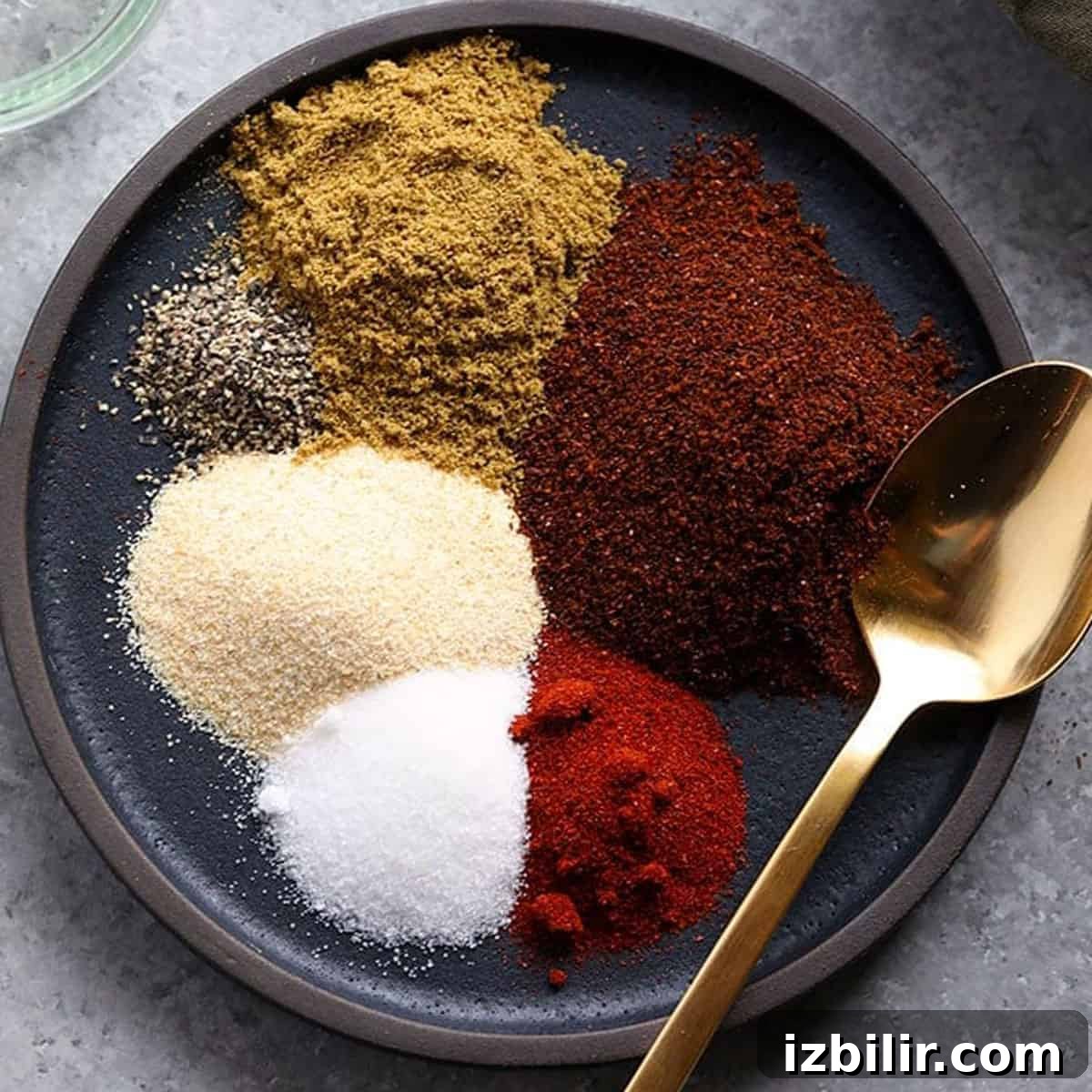
One evening while making fajitas I reached for a jar of this homemade fajita seasoning to flavor our chicken. My husband was surprised I wasn’t using a store-bought packet. I told him we’ve always used this simple recipe, and he couldn’t believe how much flavor comes from just a few pantry spices.
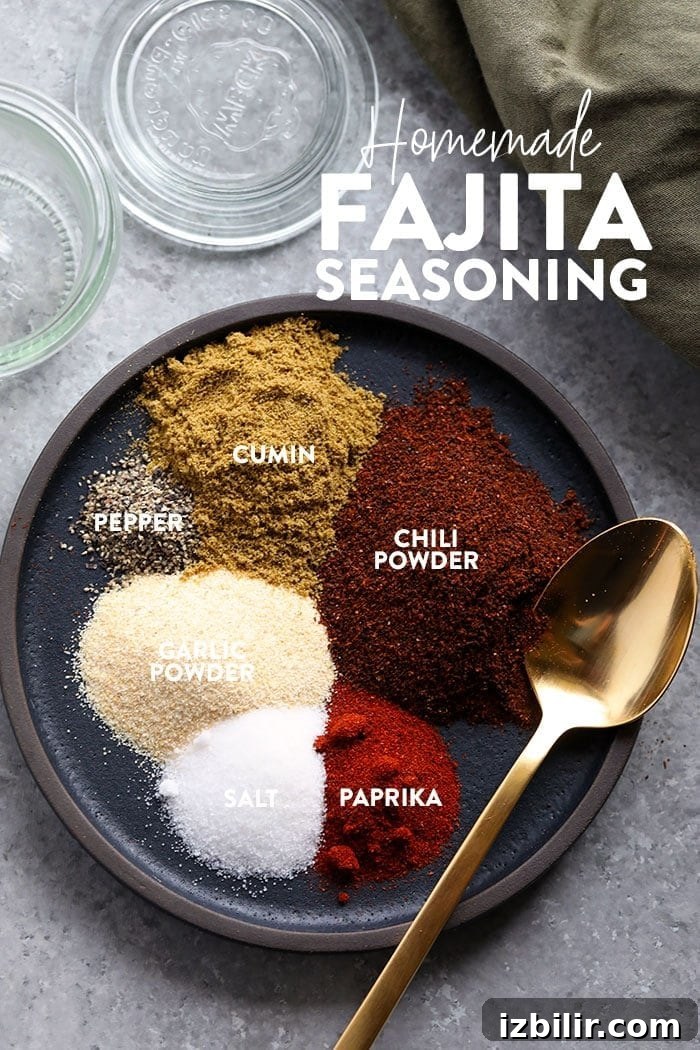
Fajitas are a staple in our kitchen, and the difference between a good fajita and a great one is the seasoning. This homemade fajita seasoning contains no weird fillers or additives—just six common spices you probably already have. It’s mild by default but easy to turn up if you like heat.
What is in fajita seasoning?
This homemade fajita seasoning is a straightforward blend that highlights warm, savory flavors. The ingredients:
- Chili powder
- Ground cumin
- Garlic powder
- Paprika
- Salt
- Black pepper
Make it spicy
The blend is mild as written. To add heat, increase the paprika by 1/2 teaspoon or stir in 1/4 teaspoon cayenne pepper. You can also use a smoky smoked paprika for a deeper flavor.
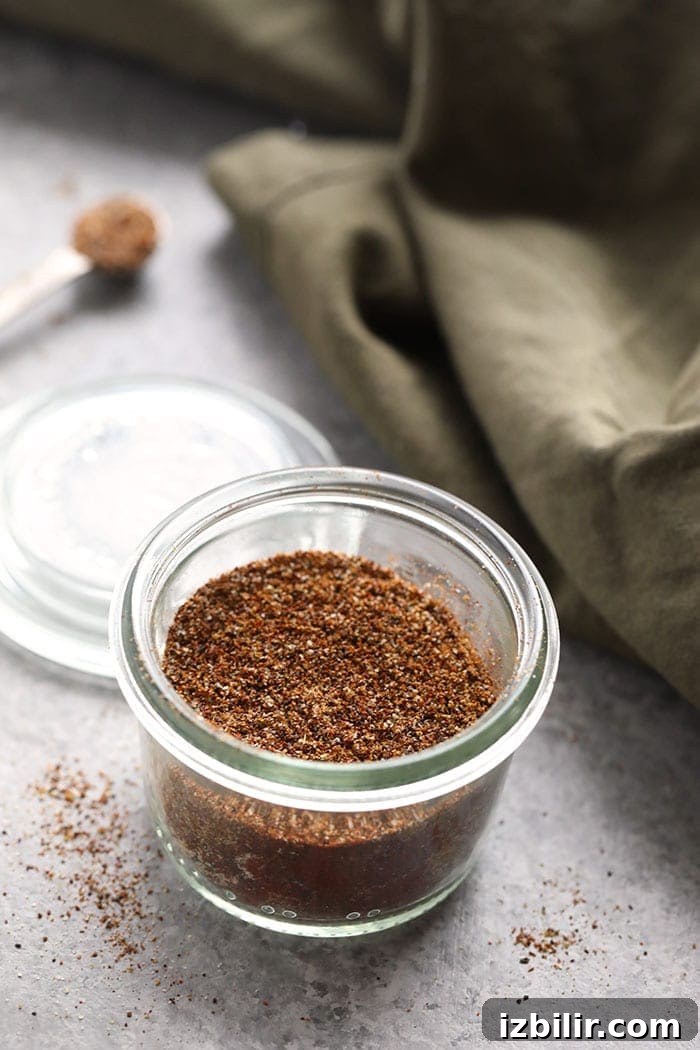
How much fajita seasoning should I use?
For every pound of meat, use 3 to 4 teaspoons of the seasoning. Start with the lower amount, then taste and add more as needed. If you’re seasoning vegetables or beans, begin with about 1 to 2 teaspoons and adjust for preference.
How to store fajita seasoning
Keep your homemade spice mix in an airtight container in a cool, dark, dry place. Properly stored, it will maintain its best flavor for up to six months. Label the jar with the date so you know when it was mixed.
Recipes that use this fajita seasoning
This blend is versatile and works in many recipes. Try it on:
- Chicken fajitas
- Steak fajitas
- Shrimp or seafood
- Roasted fajita vegetables
- Soups and chilis to boost savory notes
- As a quick meat rub or a base for marinades
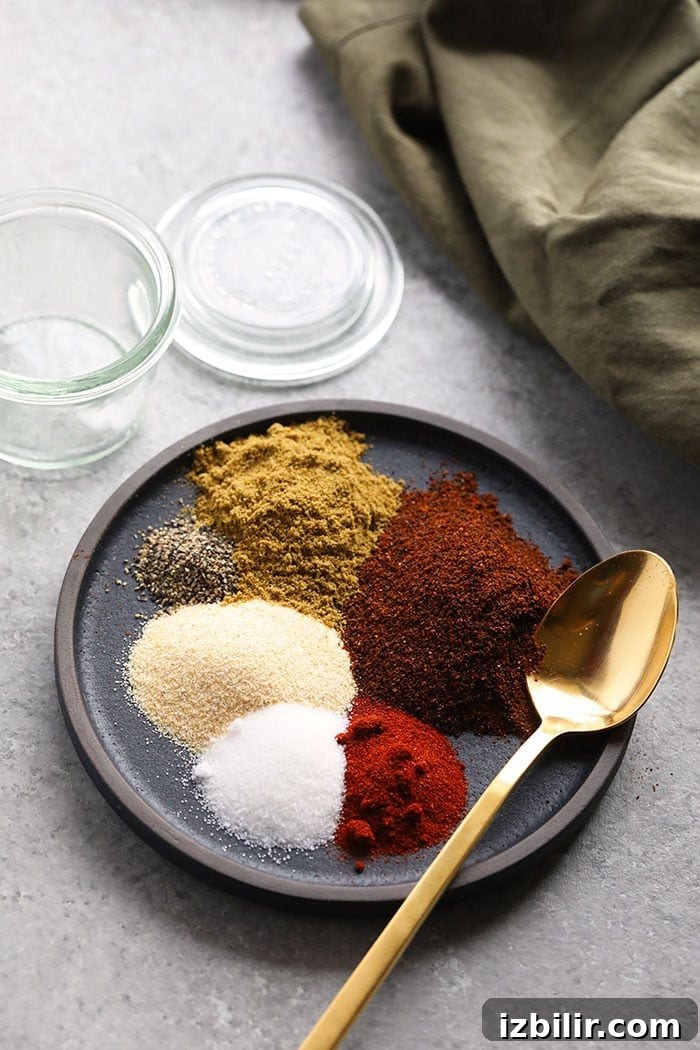
How to use this fajita seasoning recipe
While seasoning meat and vegetables for fajitas is the most common use, this mix is much more flexible. Here are practical ways to use it:
Flavor soups and chilis: Add a teaspoon or two to chili, taco soup, or bean soups for a warm, savory lift.
As a meat rub: Pat your protein dry, sprinkle the seasoning evenly, and let it rest for 15–30 minutes before grilling, pan-searing, or roasting to allow flavors to penetrate.
Roasted vegetables: Toss sliced peppers, onions, sweet potatoes, or zucchini with a little oil and 1–2 teaspoons of the seasoning, then roast until tender and caramelized.
Marinade: Whisk several teaspoons of the seasoning with olive oil and lime juice (or vinegar) to create a quick fajita-style marinade for chicken, steak, or shrimp. Marinate for at least 20–30 minutes for best results.
Fajita Seasoning Recipe
Yield: about 6 servings worth of seasoning (makes enough to season several pounds of meat). Prep time: 5 minutes. No cooking required.
Ingredients
- 3 teaspoons chili powder
- 2 teaspoons ground cumin
- 2 teaspoons garlic powder
- 1 teaspoon paprika
- 1/2 teaspoon salt (adjust to taste)
- 1/2 teaspoon ground black pepper
Instructions
- Combine all ingredients in a small bowl, jar, or airtight container.
- Stir or shake well until the spices are evenly blended.
- Seal the container and store in a cool, dark place. Use within six months for best flavor.
Tips & Notes
- Salt: This version uses a modest amount of salt. Increase or decrease based on your taste or dietary needs.
- Batch size: Double or triple the recipe to keep a larger supply on hand—just store in airtight jars.
- Customization: Substitute smoked paprika for regular paprika to add a smoky note. Add cayenne for heat or a pinch of oregano for an herb layer.
Nutrition (approximate per serving)
Calories: 15 kcal; Carbohydrates: 3 g; Fat: 1 g; Fiber: 1 g; Sugar: 2 g. These values are estimates and will vary by brand and exact measurements.
More homemade seasonings
Try other pantry spice blends
Once you start making your own blends, it’s easy to build a collection of homemade seasonings for everyday cooking. Homemade blends typically taste fresher and let you control salt and additives.
- Taco seasoning
- Ranch seasoning
- Cajun seasoning
- Steak taco seasoning