
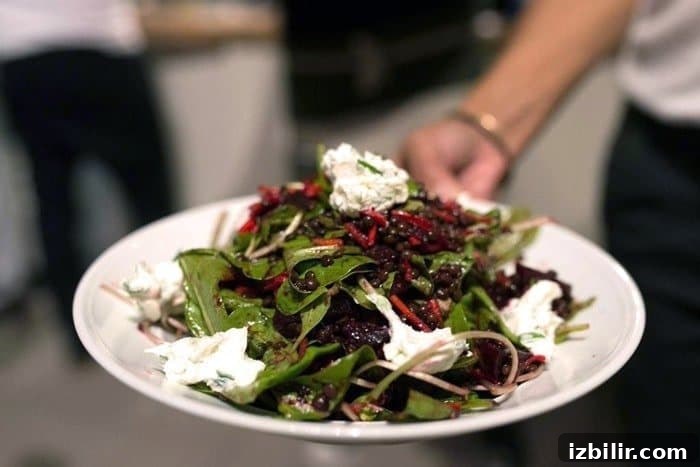
I’m writing this at 3:30 AM on a flight from Tel Aviv to New York City, wide awake despite hoping for eight hours of sleep on a 12-hour flight. So far I’ve managed three. I wanted to capture the highlights from an unforgettable eight-day journey through Israel—a week that was creative, inspiring, delicious, and deeply educational.
I was invited to a seven-day Vibe Israel wellness tour by the nonprofit Kinetis, and the trip arrived at the perfect moment. The Vibe Israel program uses curated experiences and online influencers to bridge perception and reality, and this tour did exactly that for me. I’m sharing my favorite moments here, with plenty of photos courtesy of our talented photographer, Or.
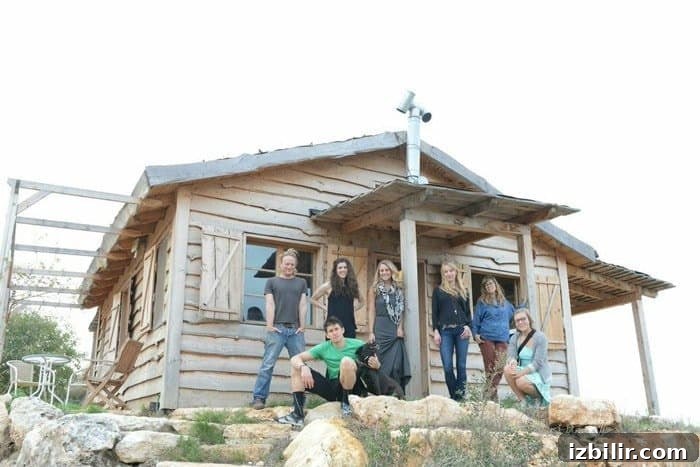
Our group included Ben, Jessa, Kathryne, Emily, and me—all arriving in Tel Aviv on Sunday night. From fast-track VIP airport service to a thoughtfully curated itinerary, the Vibe Israel Wellness Tour delivered nonstop experiences: restaurants, spas, farms, workshops, and local encounters that brought the country to life.
The Dead Sea & Kibbutz Ein Gedi
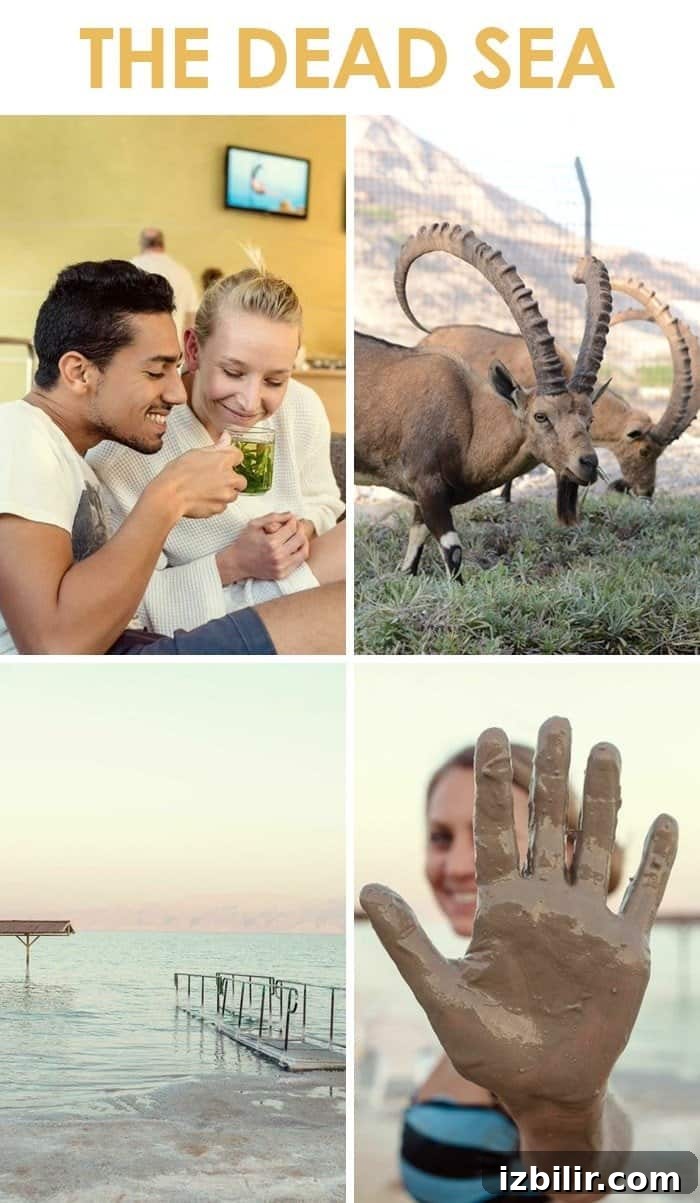
The Dead Sea was a highlight—surreal, otherworldly, and intensely therapeutic. With an extremely high salinity, floating in the Dead Sea is unlike any ocean experience. The local routine is to cover your skin in mineral-rich mud, let it dry, then float—an immediate boost to skin texture and radiance after rinsing in mineral water. Note: avoid open cuts; the salt stings.
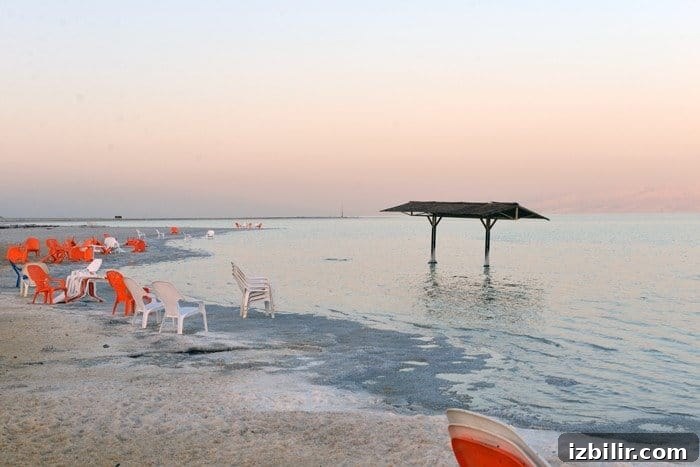
Before visiting the sea, we spent time at Kibbutz Ein Gedi, a communal spa and agricultural community near the Dead Sea. The kibbutz lifestyle centers on collective agriculture and wellness—think saunas, massages, and treatments like a nourishing date paste wrap. Dates are everywhere in Israel, and this spa ritual was a memorable way to unwind.
Carmel Market and Slow Food Workshop
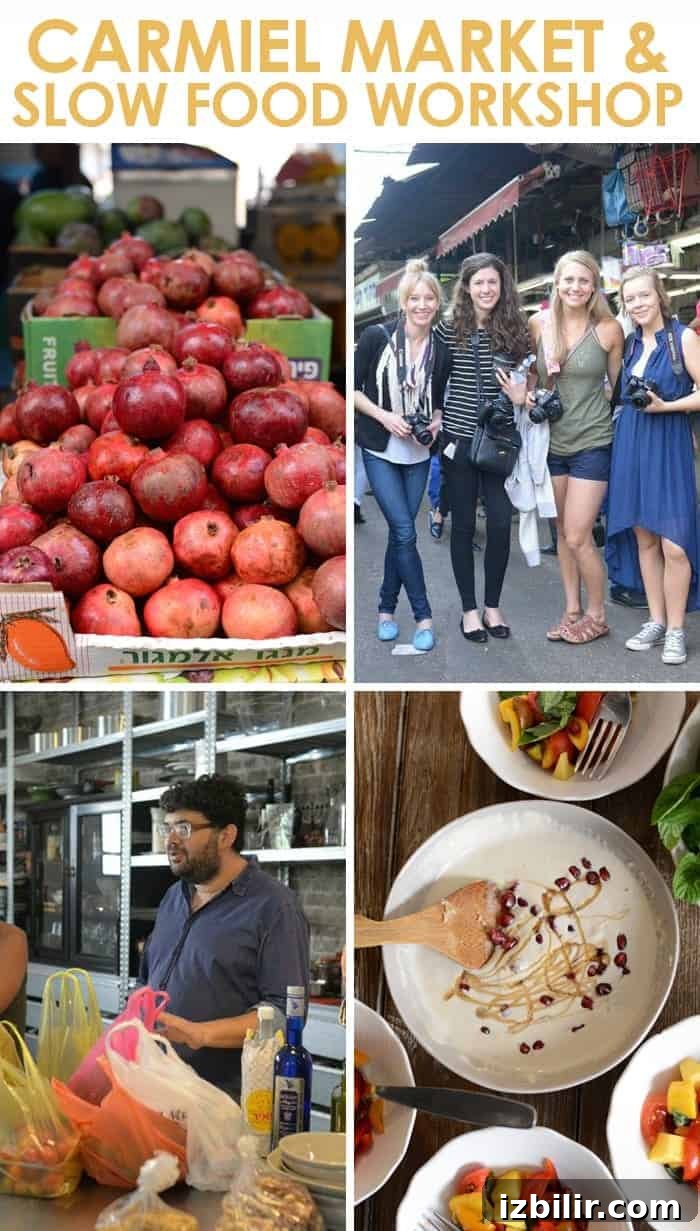
Markets are a passion of mine, and Tel Aviv’s Carmel Market did not disappoint. Rows of fresh produce, spices, and nuts created an impressive sensory feast. We teamed up with Rafram Hadad for a slow food workshop: shopping in the market, returning to a loft, and preparing a communal lunch in a local home. Israeli hospitality shone—family-style cooking, piano jams, and warm conversation made this one of the most authentic food experiences of the trip.
Strauss Hummus Factory
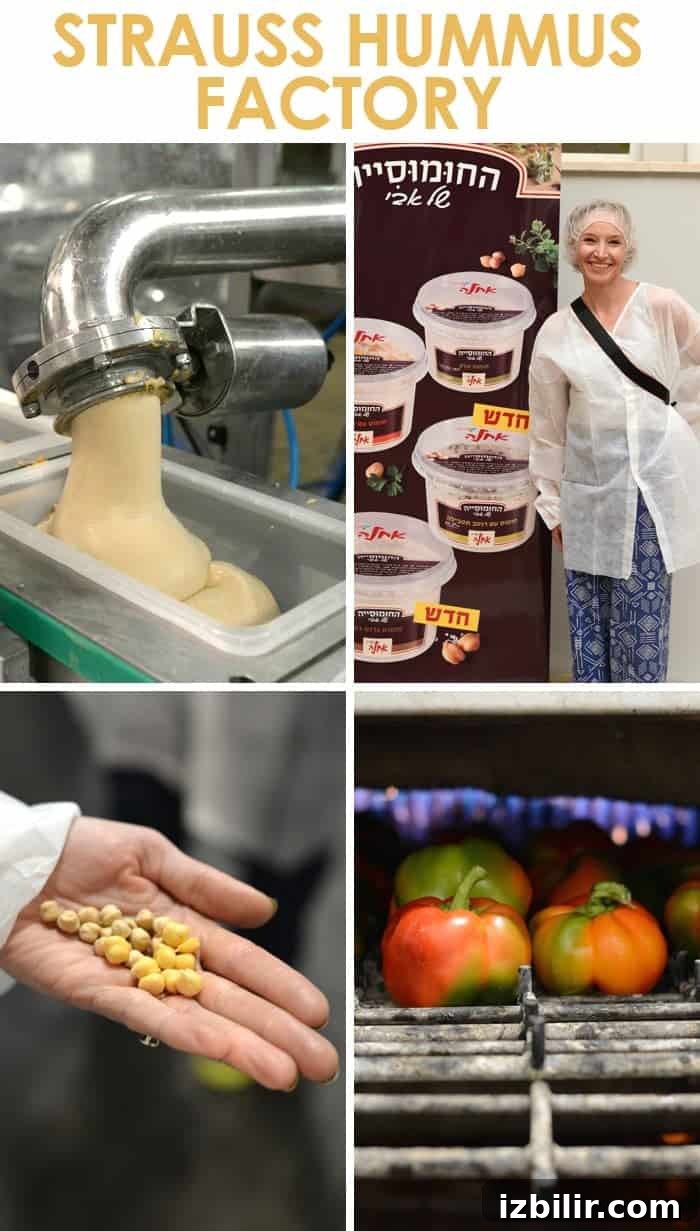
If you love hummus, this was heaven. At the Strauss plant (the parent company behind brands like Sabra), we toured production lines and learned how large-scale hummus is made using whole, non-GMO ingredients. A test kitchen demonstration with the chief recipe developer revealed practical tips—soak and cook chickpeas properly, maintain the ideal chickpea-to-tahini ratio (about 4:1), and remember that olive oil is typically drizzled on top, not blended in.
Israeli Breakfast Workshop with Paula Rosenburg
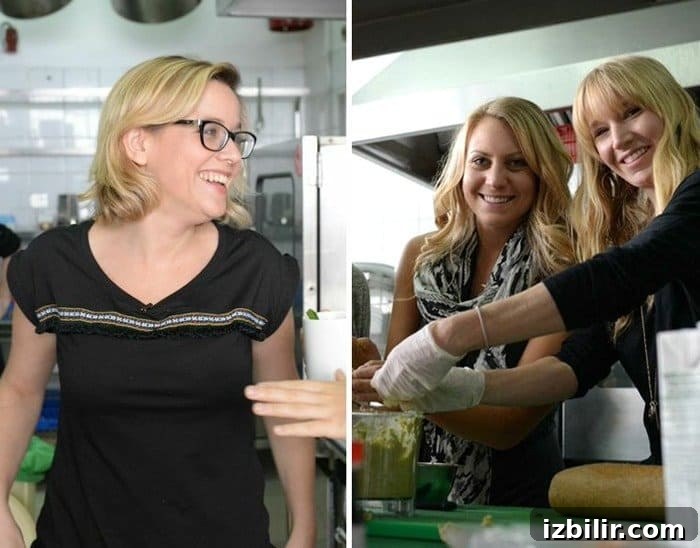
This workshop was a standout. Paula Rosenburg, a recipe developer and naturopath, guided us through healthier takes on classic Israeli dishes. We made shakshouka (I fell in love with the flavors), a vibrant beet-infused tahini, and baked falafel—an easy, flavorful alternative to frying. Paula’s approach of reinventing tradition through fresh, nourishing ingredients felt deeply aligned with the wellness spirit of the tour.
Rishlakish Organic Olive Press
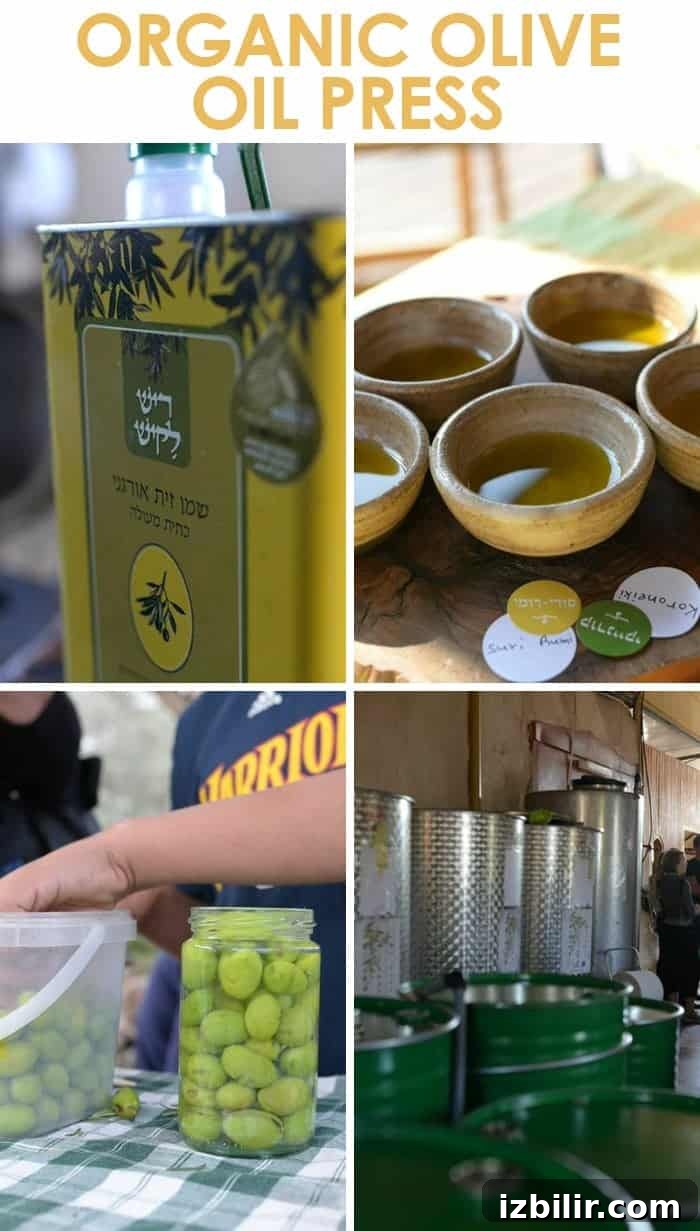
Visiting an organic olive press offered practical insights into olive oil quality and storage. We sampled fresh extra virgin olive oil and learned simple tips: store oil in dark glass containers (green glass is ideal) to prevent rancidity, and note that extra virgin olive oil can safely be used for higher-heat cooking up to certain temperatures. The family-run operation impressed with its commitment to organic practice and traditional methods.
Harduf Kibbutz and Organic Farm Lunch
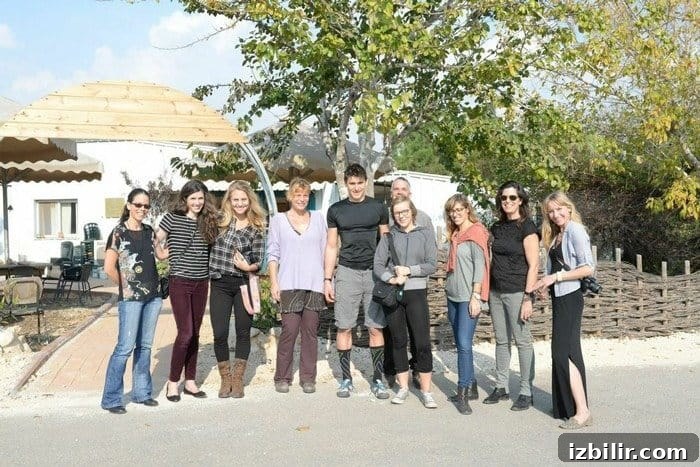
Harduf is an inspiring community-centered kibbutz focused on rehabilitative programs for people with special needs, trauma histories, and mental health challenges. The farm is entirely organic and diverse—more like a huge garden than a single-crop operation. They raise animals, grow hundreds of crops, and use the produce to support the community. We gathered vegetables, collected eggs, and baked pita bread over an outdoor fire—a wonderful hands-on farm-to-table meal.
// Where We Stayed //
Diaghilev Hotel – Located in central Tel Aviv, this boutique hotel offered an artsy vibe and a convenient base for exploring the city on foot.
Mitzpe Hayamim – A well-known spa hotel in northern Israel combining wellness services with organic farming. The on-site restaurant uses produce and dairy from the property, creating a true farm-to-table experience.
// Other Activities //
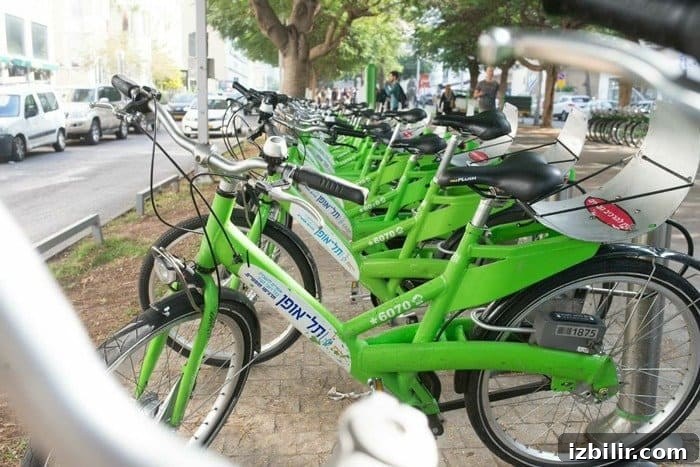
Bike share tour of Tel Aviv – Tel Aviv is exceptionally bike-friendly. We used the city’s bike share system to ride along the Mediterranean, through markets, and across vibrant neighborhoods.
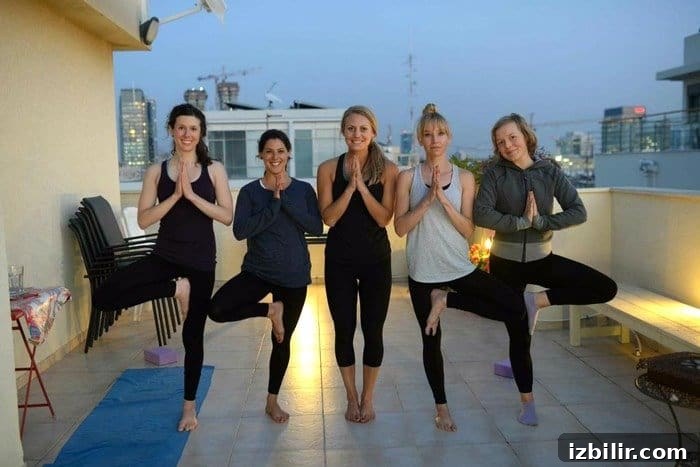
Rooftop yoga – A sunset vinyasa session on a Tel Aviv rooftop was a perfect pause—energizing and restorative.
Local gym workout – On our final full day, a few of us visited a neighborhood health club for a quick workout and a shower before our evening plans—an easy way to stay active while traveling.
// Where We Ate //
We ate exceptionally well, sampling everything from vegan hot-bar fare to farm-driven organic menus. The tour prioritized restaurants aligned with health and sustainability, and chefs consistently served generous, family-style meals so we could taste many dishes.
Taizu – An Asia-Terranean concept blending Southeast Asian street-food influences with bold flavors.
Village Green – Fresh, hot-bar style vegan dishes; a favorite lunch stop.
Cafe Louise – Healthy, vibrant meals focusing on vegan, vegetarian, and gluten-free options.
Nanuchka – A Georgian restaurant offering authentic flavors with a 100% vegan menu.
Muscat Restaurant (Mizpe Hayamim) – Farm-to-table dishes made from the hotel’s own produce and dairy; desserts were a highlight.
Puaa – Comfort food reinvented with creative, healthy twists in a cozy, local setting.
// Reflections on Israel, Tel Aviv, and the Culture //
Before this trip I had a limited sense of Israel. The experience revealed a dynamic, diverse country with warm hospitality, a strong wellness culture, and a thriving tech scene. Tel Aviv felt very modern and walkable, with bike paths, recycling systems, and public hydration stations. The city has a youthful energy; many residents are young professionals and entrepreneurs, which shows in its vibrant street life and innovation.
I was struck by how approachable and Westernized many locals seemed—friendly, open, and enthusiastic about sharing food and stories. Health-conscious living and vegan options are widespread; the country’s wellness movement often overlaps with plant-based cuisine, and I was glad to see people embracing wholesome, green eating.
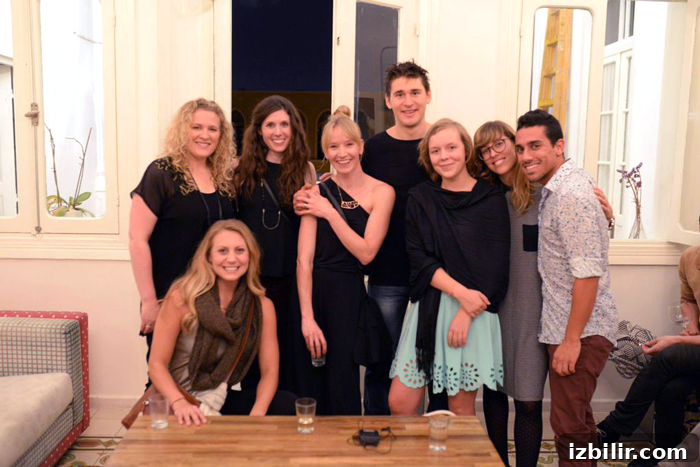
The group at our farewell cocktail party
A huge thank you to Kinetis, founder Joanna, and program director Rotem for making this trip possible. It was a deeply personal experience filled with local encounters, hands-on workshops, and memorable food. I even managed to work out five of the eight days—helpful after indulging in so many incredible meals. I can’t wait for my next journey.

This post was made possible by Kinetis and Vibe Israel. I received a round-trip, all-expenses-paid trip to Israel; all opinions are my own. Thank you for supporting my work as I cook and explore great food around the world.