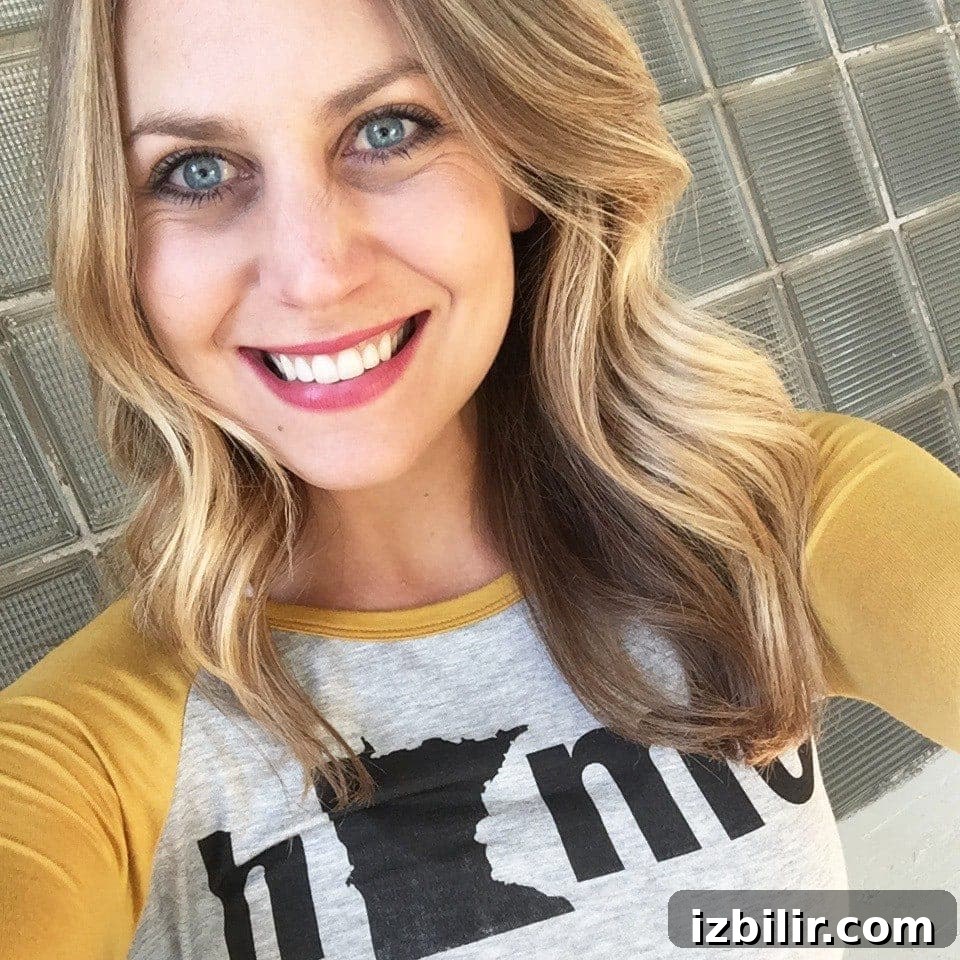
Has it really been that long since I was deep in an eating disorder? It feels surreal. I had to scroll through old Facebook albums to remember the year—it’s been that long. I wanted to check in because obsessing over “healthy” food and exercise is something many of us still struggle with. This is a part of my wellness and recovery story, and through the ups and downs I’ve learned a lot about myself and what recovery really looks like.
Davida and I have spent some much-needed downtime together these past few weeks, talking about everything from business and friendship to wellness and podcasts. She inspired me to finally sit down and write. I’m often hard on myself about writing because I have people in my life—like her and my sister—who make it look effortless. I always joked that I’m bad at writing, and she reminded me, “No Lee—you don’t suck at it, you just need to sit down and do it.” So here we go.
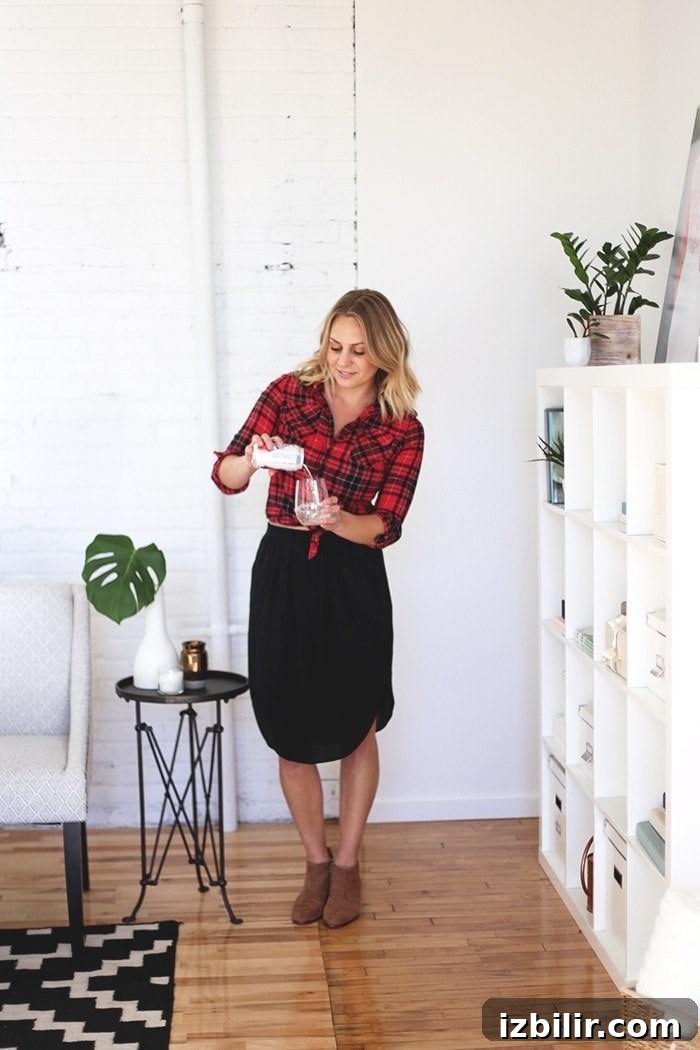
PS: I cut my hair.
If you’re not familiar with my background, click HERE for the full story. That post gives context for some of the things I mention here.
So: it’s been six years since I was in the thick of anorexia and exercise addiction, followed by a period of binge eating. It gets easier to say those words with time. I get a lot of questions about how I recovered, and the most important thing I want to say up front is that recovery did not happen overnight. I didn’t even accept that I had an eating disorder until about a year into recovery.
Many people assume recovery is as simple as “eating a cheeseburger,” but it’s far more complex. Eating disorders are a form of mental illness; mine was tightly bound up with severe depression and anxiety. For me, food and exercise were two things I could control absolutely. If calories in were less than calories out, the scale moved—quickly. Dropping from 155 to 118 in three months was dangerous and unhealthy. My personality is naturally obsessive, so if I was going to recover I needed to redirect that drive into something positive—hello, Fit Foodie Finds.
I credit this blog with helping to refocus my mind on what matters. Recovery taught me that life isn’t about fitting a certain mold or following every trend. It’s about living each day with purpose, supporting the people around you, and yes—finding joy and humor along the way. Humor was something I lost during the darkest parts of my illness. I became rigid and joyless. I’m so grateful to feel like my quirky, weird self again—because if you’re not a little weird, you’re probably boring.
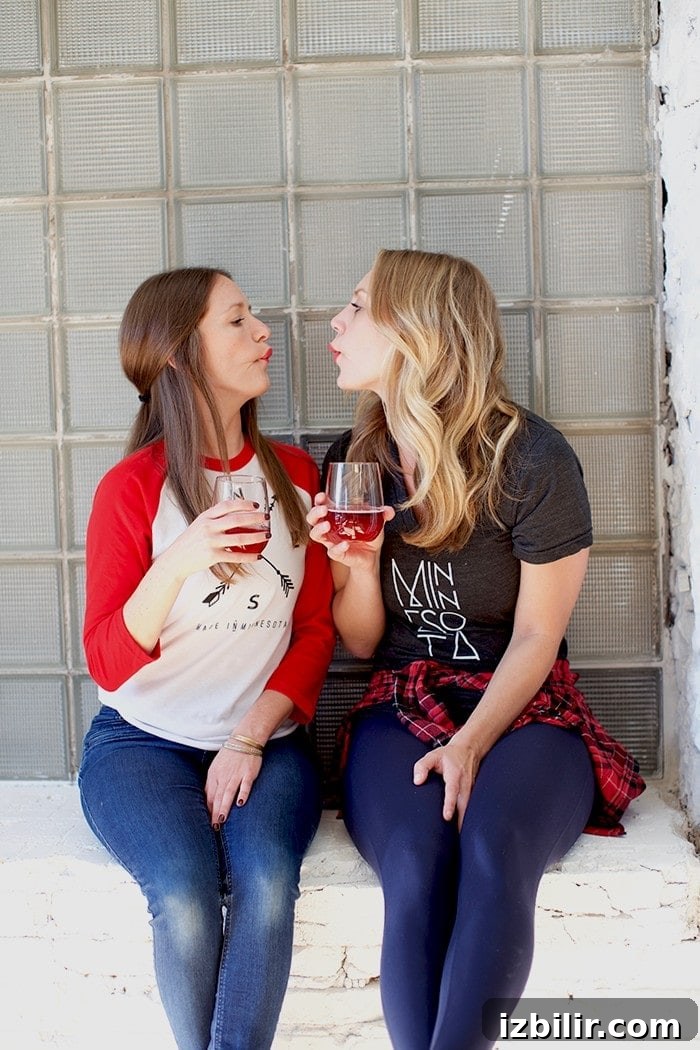
TODAY
Today I still have moments when I’m self-conscious about my stomach or nostalgic for the days I had visible abs. Then I remind myself of the bigger picture—life is good. I’m proud of what my body does for me every day. I’m proud that I can hike eight miles up a Norwegian mountain and feel strong. I’m proud that I can hold a plank for two minutes, run a 5K without stopping, and that my quads force me into a larger pant size. These are markers of strength, not weakness.
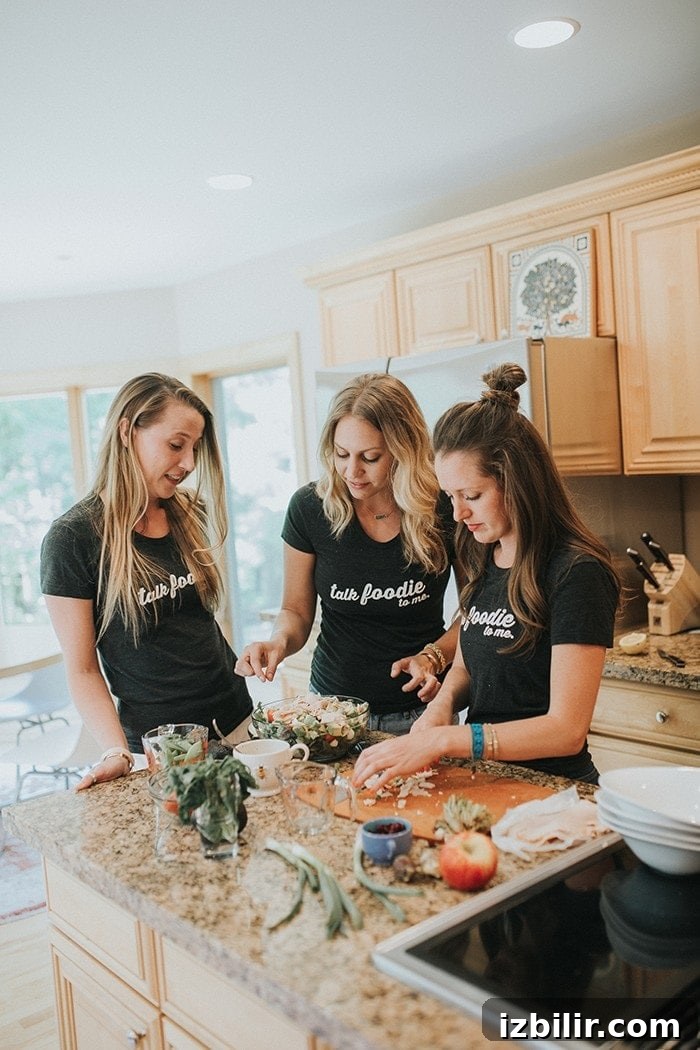
A supportive circle has been essential in my recovery and ongoing mental health. Mark has been a wonderful addition to my life; whether he knows it or not, he’s a body-positive influence and makes me feel beautiful. I also rely on friends and family—people like Linley, Emily, Davida, Lindsey, Monique, and my siblings—who regularly remind me I’m not chasing perfection. They reassure me that it’s okay to enjoy a donut, to take rest days, and to choose balance over extremes. That acceptance has allowed me to be kinder to myself.
The past year has been challenging for my health—between a broken foot, seasonal depression, and a major breakup last May, there were times I struggled. Still, I am in a good place. As simple as it sounds, I genuinely love my life because I chose to build it this way: with intention, compassion, and boundaries that protect my mental and physical health.
My message to anyone dealing with an eating disorder, depression, anxiety, or any form of mental illness is this: you are enough. You are exactly where you are supposed to be in this moment. Recovery is not linear, and healing takes time—but you are not alone, and you can reclaim joy, strength, and peace in your life.