
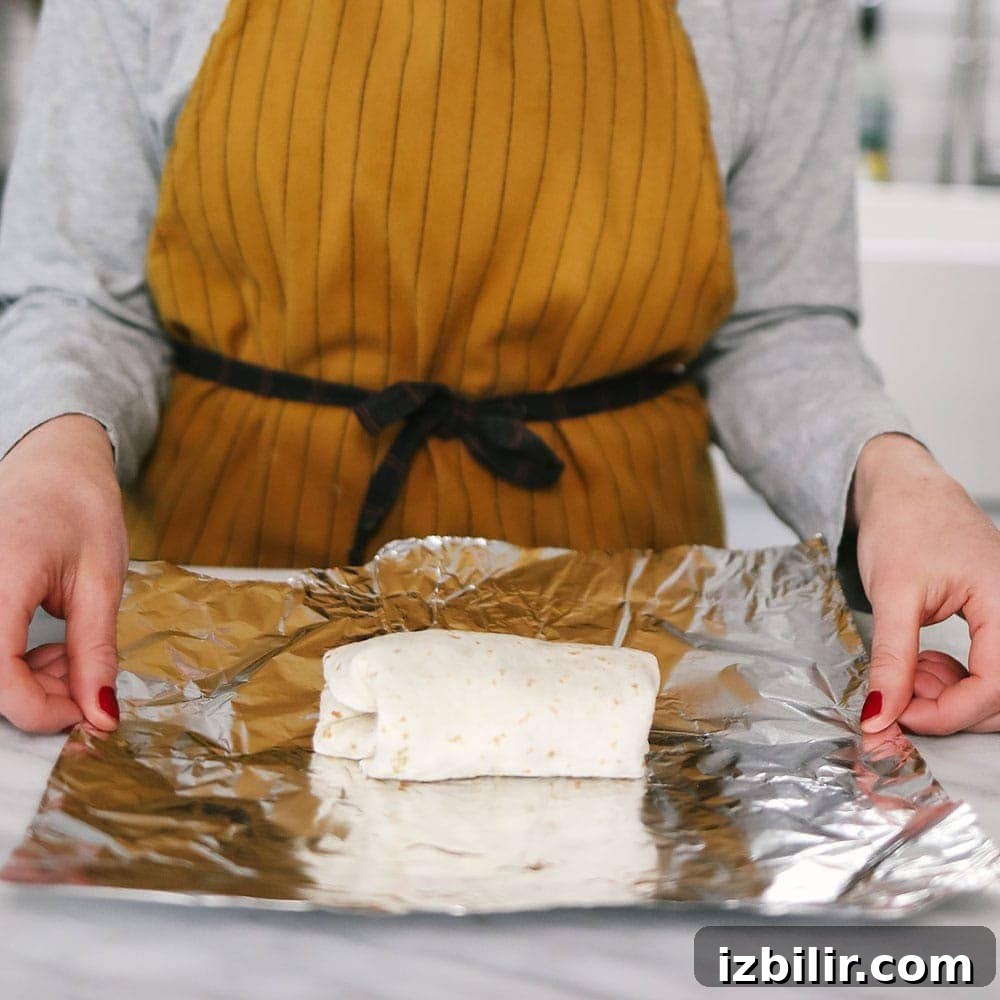
Welcome to our Guide to Emergency Food Prep. This guide explains which healthy, long-lasting foods to keep in your pantry during a crisis and offers practical meal ideas that use those staples.
Table of Contents
- Emergency Food Prepping
- How to Stock Your Pantry During a Crisis
- Tips for Emergency Prepping
- Food to Stock Up On
- Healthy Emergency Meal Ideas
Emergency Food Prepping
We wrote this post during the COVID-19 pandemic to share practical steps we used to prepare our kitchens and maintain healthy eating when access to grocery stores was limited. Eating well during a crisis requires planning and patience, but choosing nutrient-dense foods helps support immune health and overall well-being.
Reliable resources
- World Health Organization — COVID-19 updates
- CDC — Get Your Household Ready for COVID-19
- Harvard — Coronavirus Resource Center
How to Stock Your Pantry During a Crisis
Preparing a balanced emergency food supply means stocking your pantry, freezer, and refrigerator with shelf-stable, nutrient-rich ingredients. Start by planning a few recipes you’ll actually cook so you buy ingredients you’ll use.
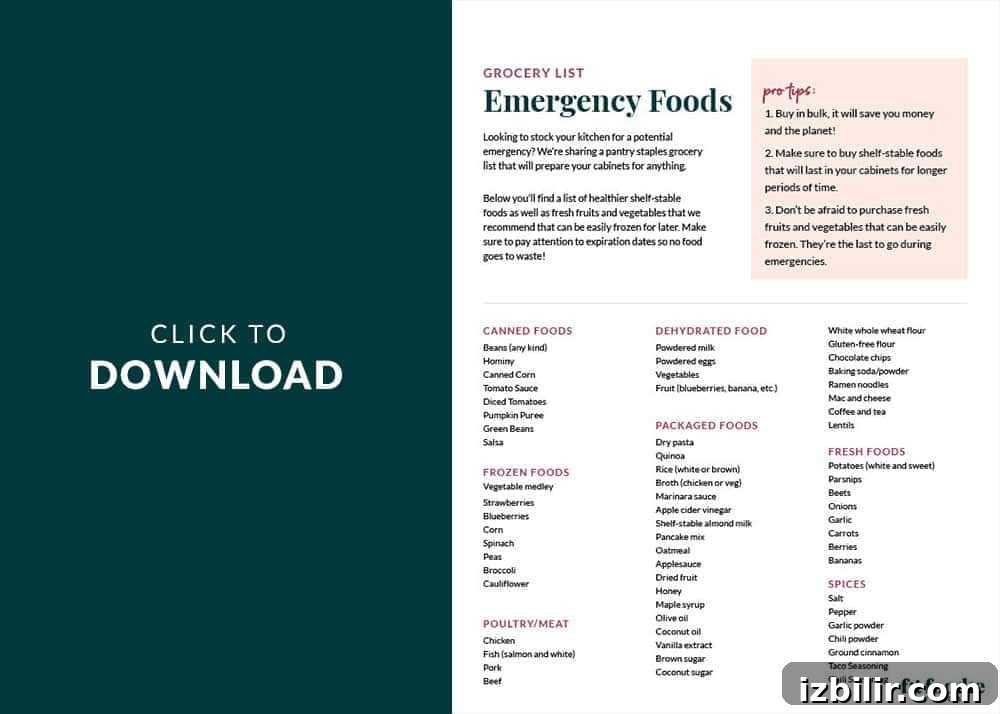
We created a downloadable grocery list focused on whole foods rather than highly processed items high in sodium and additives.
Scroll down for a detailed breakdown of recommended items and meal ideas.
5 Tips for Emergency (Healthy) Food Prepping
- Plan meals: Make a short list of recipes to prepare now and recipes to make and freeze. Planning prevents waste and keeps shopping focused.
- Check expiration dates: When buying canned or packaged items, choose the newest dates and rotate older items to the front at home so they are used first.
- Use the freezer: Prepare freezer meals to simplify eating well. Freezer breakfasts, slow-cooker meals, soups, and casseroles freeze and reheat well.
- Include fresh produce: Don’t avoid fresh fruits and vegetables. Buy what you can and freeze extras for later use in smoothies, soups, or stews.
- Buy in bulk when sensible: Bulk purchases can save money and reduce trips to the store; focus on items you will use regularly.
Foods to Stock Up On
Canned Foods
Choose canned items that are low in sodium and high in protein. Think about recipes you plan to make and buy ingredients that can be used across several dishes, ideally in double batches to freeze.
Great canned options for soups, chilis, and casseroles include:
- Black beans
- Garbanzo beans (chickpeas)
- Pinto beans
- Refried beans
- Canned hominy
- Canned corn
- Tomato sauce
- Diced tomatoes
- Canned pumpkin puree
- Canned sweet potato puree
- Canned butternut squash puree
Frozen Foods
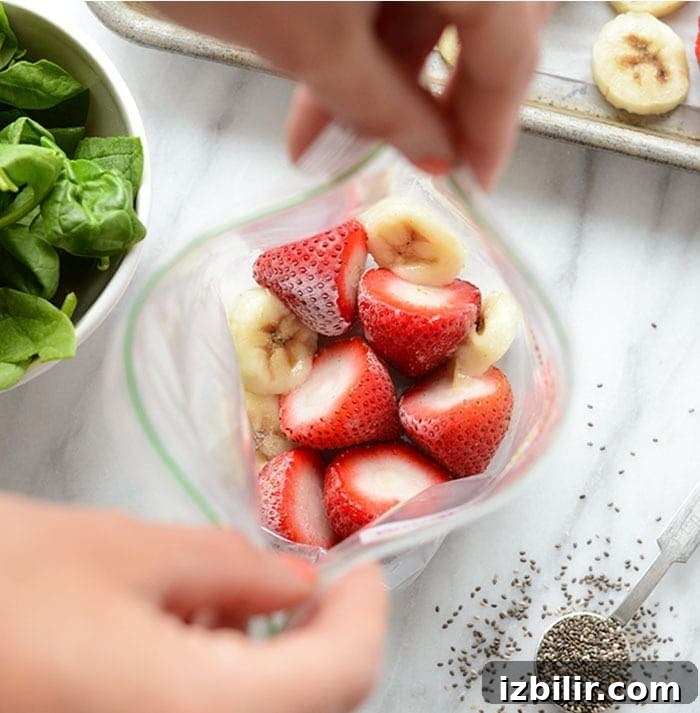
Frozen produce and proteins preserve nutrients and extend shelf life, making them essential in an emergency pantry. Frozen veggies can substitute fresh in most recipes—just thaw and drain excess liquid before cooking.
Frozen fruits are perfect for smoothies, and frozen proteins let you stretch meals when fresh meat isn’t available.
- Frozen vegetable mixes
- Frozen fruit mixes (strawberries, blueberries)
- Frozen corn, peas, spinach, broccoli, cauliflower
- Frozen meats (chicken, salmon, beef, pork)
- Frozen pasta options (tortellini, dumplings)
- Frozen pizzas and burritos for quick meals
Dehydrated Food
Powdered and dehydrated staples extend shelf life and work well in soups, chilis, and baked goods when fresh eggs or milk are scarce.
- Powdered milk
- Powdered eggs
- Dehydrated vegetables
- Dehydrated fruit (strawberries, blueberries, bananas)
Packaged Foods
Stock pantry basics and baking staples so you can make bread, pancakes, and baked goods to freeze or eat right away. Choose whole-grain and minimally processed options when possible.
- Dry pasta and quinoa
- Rice (brown and white)
- Lentils
- Vegetable and chicken broth
- Marinara sauce
- Apple cider vinegar
- Shelf-stable nut milks
- Pancake mix and oatmeal
- Applesauce and dried fruit
- Honey, maple syrup, oils (olive, coconut)
- Vanilla, sugar (brown, coconut)
- Flours (white, whole wheat, gluten-free)
- Cornmeal, chocolate chips, baking soda, baking powder
Fresh Foods
When fresh produce is available, buy what you can. Fresh fruits and vegetables are excellent in soups, stews, and smoothies, and many can be frozen for later use.
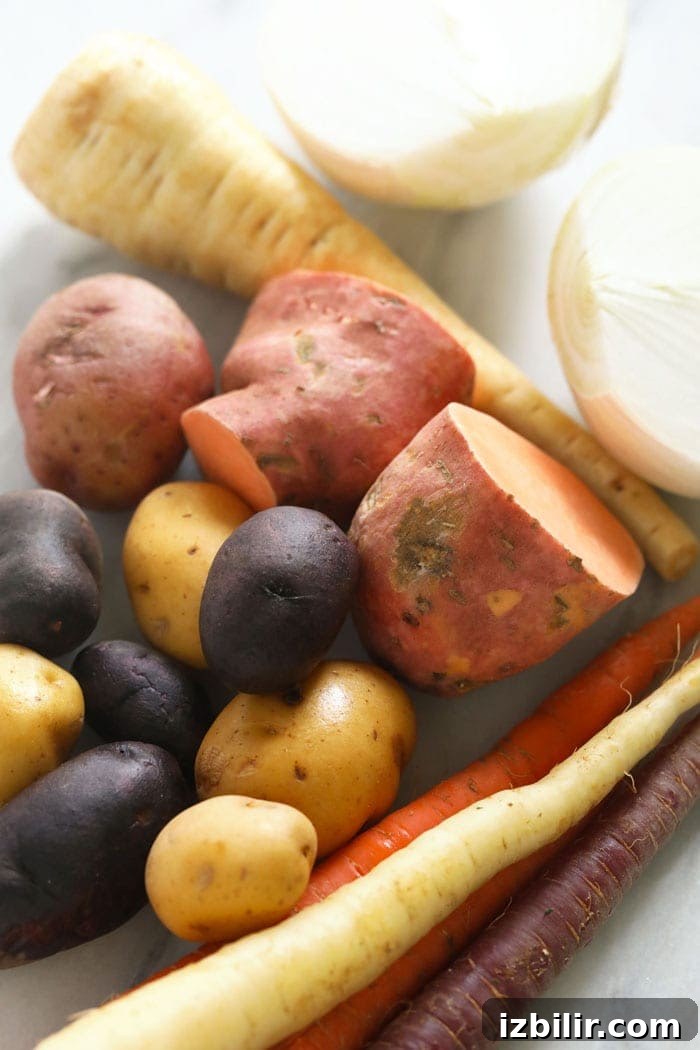
Root vegetables store well in a cool, dry place and last far longer than most fresh produce—perfect for stretching meals.
- Potatoes (white and sweet)
- Parsnips
- Carrots
- Beets
- Onions
- Garlic
Spices
A well-stocked spice cabinet transforms simple ingredients into satisfying meals. Keep pre-made blends or make your own seasonings to add variety to shelf-stable dishes.
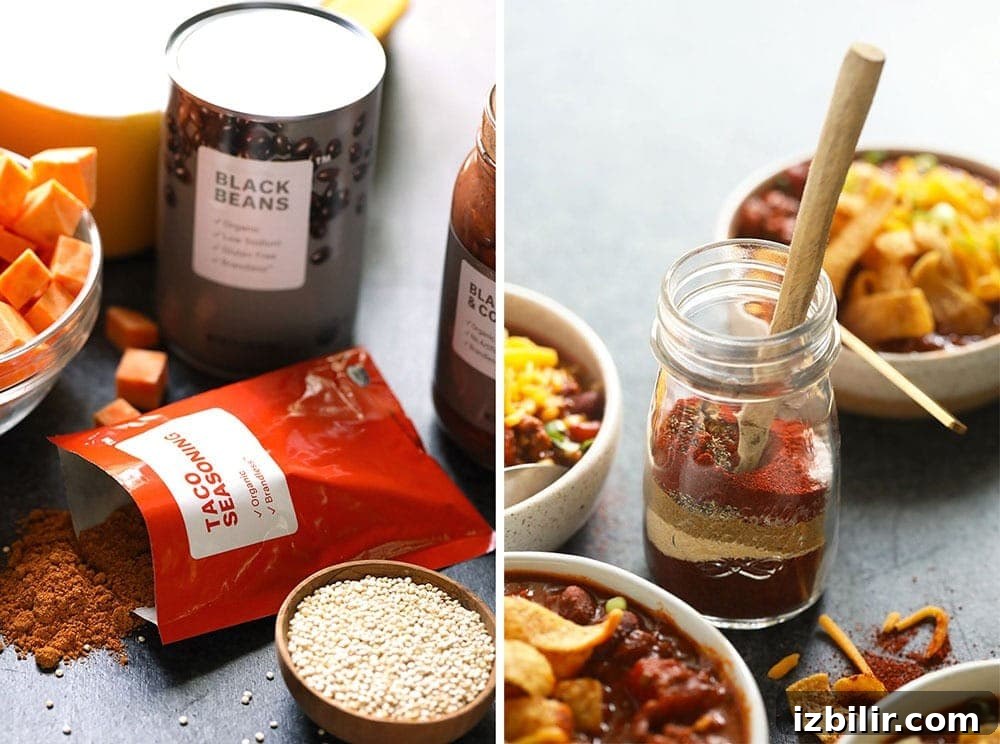
Top 10 spices to stock:
- Salt
- Black pepper
- Taco seasoning
- Garlic powder
- Chili powder
- Ground ginger
- Ground cinnamon
- Chili seasoning
- Onion powder
- Italian seasoning
Drink Mixes
Staying hydrated is essential. In addition to water, keep options that help replace electrolytes and provide variety so everyone in the household stays hydrated.
- Electrolyte drink mixes
- Vitamin C packets
- Coffee grounds and instant coffee
- Tea bags
Storage Options
When you buy more food than usual, invest in proper storage to keep it fresh and organized. Stock up on resealable bags, sturdy containers, and foil to make portions and freezing easier.
- Gallon-size resealable bags
- Glass or BPA-free storage containers
- Tinfoil and plastic wrap
- Reusable silicone bags
Healthy Emergency Meal Ideas
With your pantry stocked, these recipe ideas make it easy to prepare nourishing meals during a crisis. Many can be frozen, stretched to feed a family, or adapted to vegetarian or vegan diets.
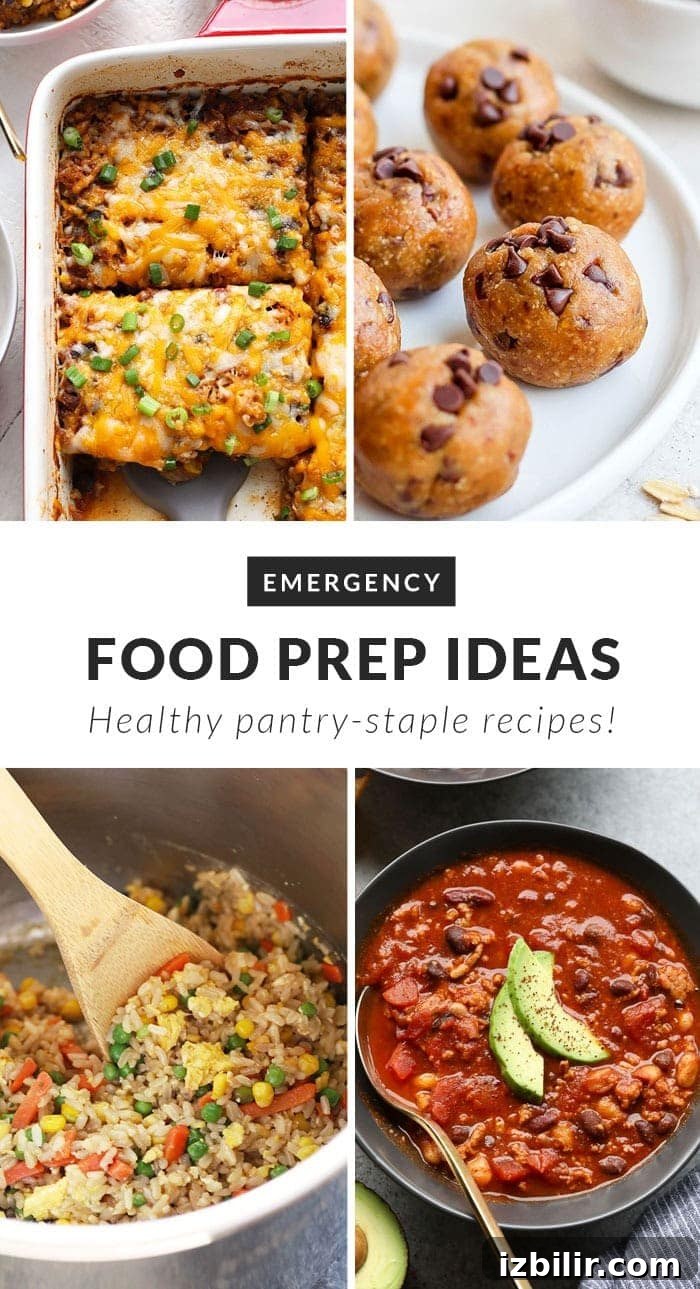
Breakfast
- 2-Minute Microwave Oatmeal — quick, affordable, and easy to top with nut butter or fruit.
- PB Chocolate Chip Baked Oatmeal Cups
- Baked Eggs
- Oven Hard-Boiled Eggs
- Banana Pancake Muffins — bake and freeze for grab-and-go breakfasts.
- Applesauce Skillet Pancake Cake
Mains
For lunches and dinners focus on casseroles, soups, stews, pastas, salads made from pantry items, and nourishing bowls.
Casseroles
- Southwestern Chicken Casserole — pantry-friendly and adaptable to vegetarian diets.
- Chicken and Rice Casserole
- Slow Cooker Enchilada Casserole
- Mexican Quinoa & Sweet Potato Casserole — hearty, vegetarian, and mostly shelf-stable ingredients.
Soups, Stews & Chili
- Vegetarian Instant Pot Chili — protein-packed and made with canned goods and a few fresh vegetables.
- Crock-Pot Chicken Chili
- Sweet Potato Lentil Stew
- Lazy Girl Turkey Chili — simple and flexible with frozen or fresh ground meat and pantry staples.
Pasta & Rice
- Instant Pot Fried Rice — just a few ingredients: rice, frozen veggies, broth, oil, egg, and sauce.
- Spaghetti and Meatballs
- Sun-Dried Tomato Basil Pasta — mostly pantry ingredients.
- Vegetarian Thai Curry Skillet — versatile and great with canned coconut milk and frozen veggies.
Non-Perishable Salads & Bowls
- Black Bean Corn Salad — light, nutritious, and pantry-based.
- 5-Minute Tuna Salad — canned tuna, Greek yogurt, chives, lemon, salt, and pepper.
- Vegetarian Brown Rice Bowls — mix grains, veggies, and a healthy fat like hummus or guacamole.
Frozen Meals & Make-Ahead
- Homemade Frozen Burritos
- 6 Crockpot Freezer Meals — prepare several meals and store in the freezer.
- Make-Ahead Breakfast Recipes — freezer-friendly breakfasts to keep you stocked.
Other simple mains
- Crock Pot Baked Potatoes
- Chicken and Broccoli Stir Fry — use frozen or canned vegetables if needed.
- Egg Roll in a Bowl — cabbage-based, long-lasting, and easy to adapt.
Snacks & Desserts
- No-Bake Chocolate Peanut Butter Cookies — made with pantry basics and freezer-friendly.
- Healthy Cookie Dough Bites — energy bites made from oats, dates, and nut butter.
- Healthy Banana Bread — pantry staples and frozen bananas make a comforting treat.
- Flourless Brownies
Stocking a balanced emergency pantry helps you prepare nourishing meals with minimal stress. Focus on whole ingredients, plan a handful of versatile recipes, and use freezing and proper storage to make food last. With thoughtful prep, you can keep your household well-fed and healthy even during disruptions.