My Eating Disorder Story: From Restriction to Recovery
I’ve had this post written for months but never felt quite ready to share it. A morning coffee with a yogi friend inspired me to open up about something deeply personal: my eating disorder and the path I took back to a healthier life.
Before I begin, there’s an earlier post that sets the stage: The Story: Part 1. If you want background, that piece is a helpful read.
Fitness and healthy living have been central to my life for as long as I can remember. I grew up in Milwaukee in an active, health-minded family and played competitive sports. In college at the University of Minnesota I studied a blend of health, fitness, and design, and I stayed involved with student government and a wide circle of friends. Despite this outward involvement, I had a complicated relationship with my body and with food that began in high school and worsened during my junior year of college.
Under the pressures of school and with a family history of depression, I started to tightly control what I ate and how much I exercised. I counted calories obsessively and restricted myself to roughly 1,100–1,300 calories a day while doing intense workouts—long runs, 40-minute HIIT sessions, and more. For the level of activity I was doing, that intake was far too low. I also demonized fats and many carbohydrates and treated fruits and vegetables as my “safe” foods.
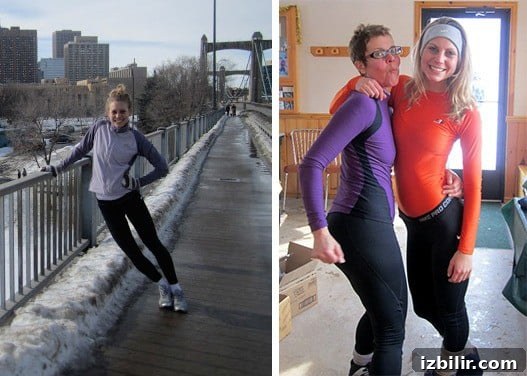
Once calorie counting became the focus, things spiraled quickly. Knowing exactly how many calories I consumed made it easy to tighten restrictions. In less than two months I lost about 30 pounds—dropping from what was probably a healthy size to an unhealthy one. At 5’8″, I went from a strong, muscular build to a frail, emaciated frame. My breasts and curves disappeared, my legs lost muscle definition, and I looked skinny rather than fit. Mentally I was in a dark place: relationships suffered, school took a back seat, and my overall happiness plummeted. All my energy went toward controlling my appearance and worrying about others’ perceptions.

Those photos might look ordinary, but my inner life was chaotic. I had always been naturally muscular, and losing that strength felt awful. I struggled to see the longer-term consequences of my behavior because, for a while, I convinced myself that being extremely thin equaled success or approval.
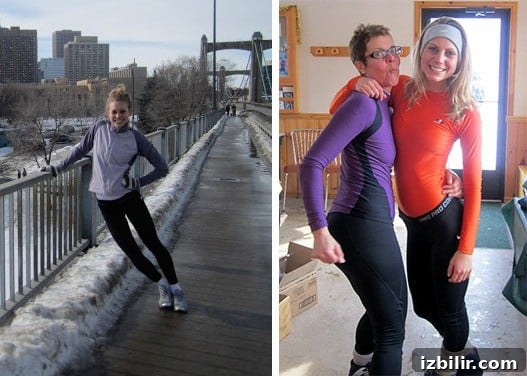
Recovery didn’t happen overnight. I started by recognizing that my relationship with food and my body wasn’t healthy. I reached out for help and surrounded myself with positive influences: supportive friends, blogging that helped me process emotions, regular yoga, meditation, and therapy. I changed my exercise habits to include gentler practices—yoga and walking instead of relentless HIIT and far-too-long runs—and I worked on incorporating all foods in moderation.
That transition wasn’t smooth. Binge eating emerged as a new challenge as my biology and psychology adjusted. Foods I’d labeled “safe” became targets for binge episodes—I remember eating an entire three-pound bag of grapes in a sitting and feeling terrible afterward. Learning to eat intuitively took time and patience.
Two years into recovery I met Blake, and that relationship helped shift my approach to food for the better. He models intuitive eating—he eats when he’s hungry and stops when he’s full—and watching him helped me relearn how to listen to my body. It’s not simple, but having that example and support made a big difference.
About three and a half years on from the worst of it, I’m in a much healthier place. I’m happier and more balanced. I still have days when I feel uncertain about my appearance or worry I ate too much, and I continue to manage depression while working toward reducing my antidepressant. Despite that, I feel grateful for how far I’ve come. I’m only 23 and already feel like I’ve learned a lot about resilience, self-care, and what it means to be healthy.
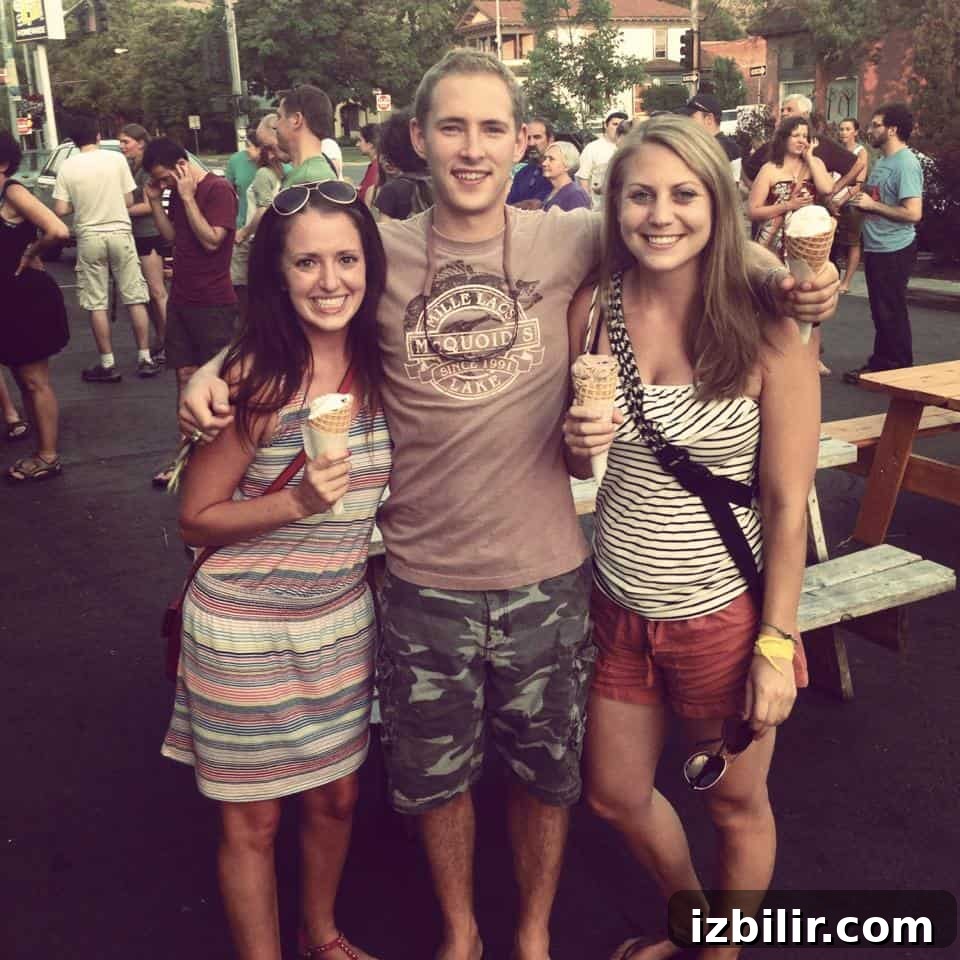
Today I wouldn’t avoid avocado or Greek yogurt because of calories, and although I once ran four miles in 31 minutes and felt proud of that achievement, I now also celebrate strength in the gym and the appearance of healthy muscle. My perspective has shifted: strong is healthy, and muscles are something to feel proud of.
I truly believe that challenges shape us for a reason. Once I began to accept and love myself for who I am, life began to change. I think everyone deserves to feel loved and to wake up with gratitude for their body and the life they’ve created. Self-compassion and consistent, small acts of care make a big difference.
If you have questions about my experience, I’m open to talking about it. Leave a comment below or email me at fitfoodiefinds(at)gmail(dot)com—I’m happy to share what helped me on my recovery journey.