
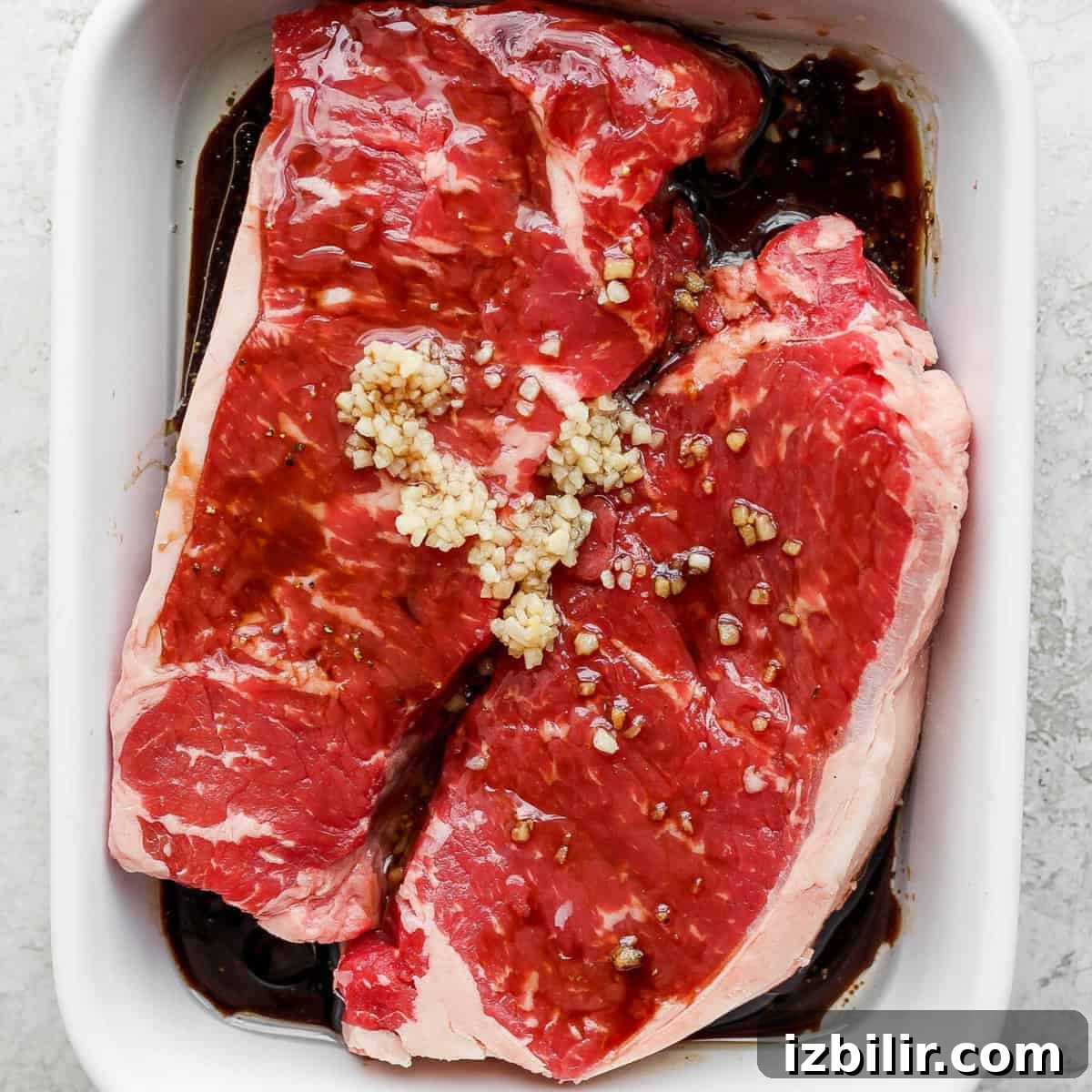
I used to keep things simple—just salt, pepper, and a pat of butter—but this steak marinade transformed how I prepare steaks. It soaks into the meat, adding savory depth from Worcestershire and balsamic vinegar, bright notes from lemon, and a garlic-forward aroma. When properly marinated, the steak stays juicy and develops a richer crust when grilled. If you want bold, balanced flavor without complicated steps, this marinade is a reliable go-to.
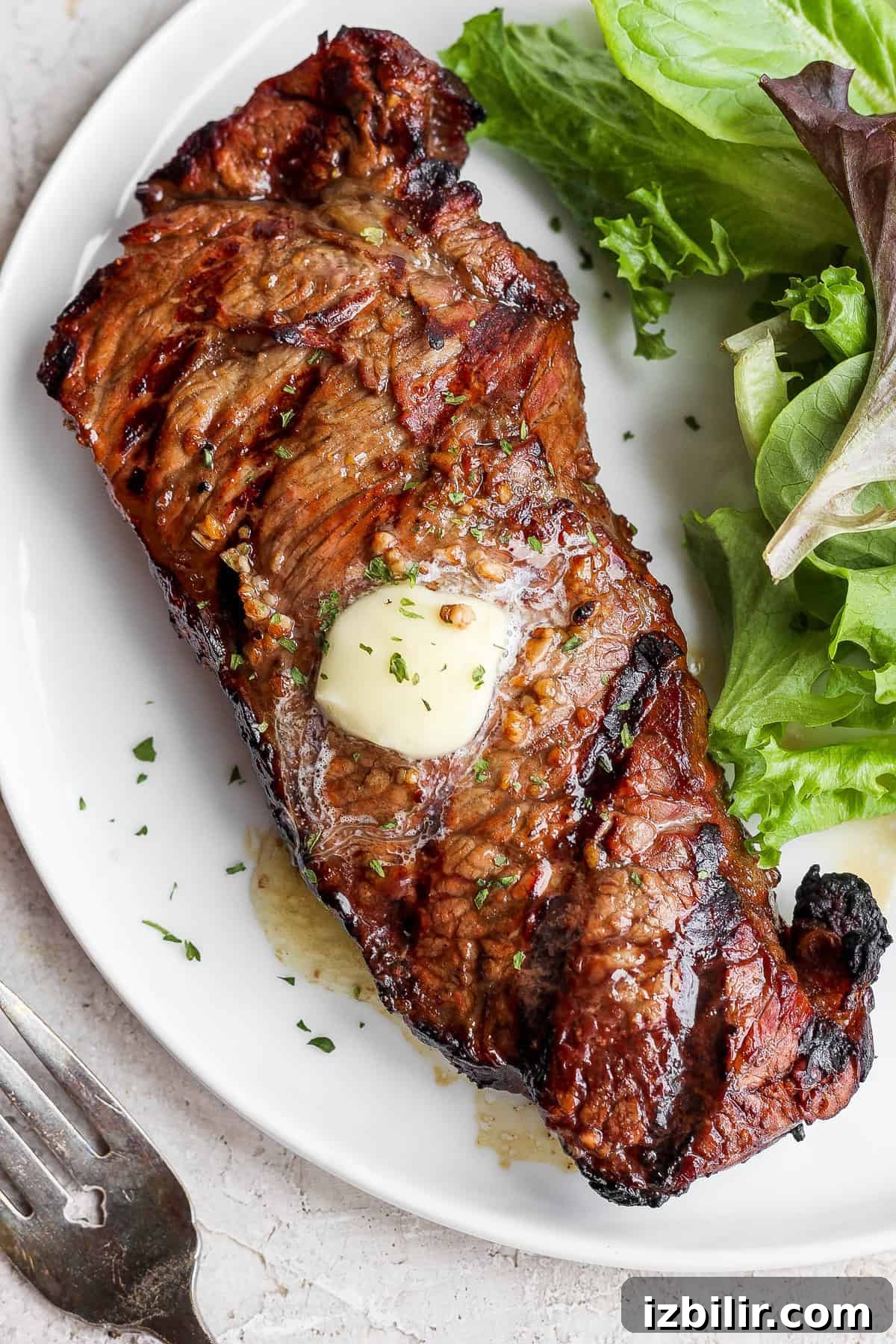
The Best Steak Marinade
This marinade combines Worcestershire sauce, balsamic vinegar, fresh garlic, olive oil, and lemon juice for a well-rounded flavor profile that enhances beef without overpowering it. It helps tenderize the exterior, adds savory and slightly sweet notes, and pairs beautifully with grilled or pan-seared steaks. Marinate for at least 30 minutes or up to 12 hours depending on the cut and how much time you have. Shorter times give a gentle boost of flavor; longer times are useful for tougher cuts.
The Secret
The key to this recipe is balance: salt and umami from Worcestershire, acidity and subtle sweetness from balsamic, fresh garlic for aromatic depth, and a touch of citrus to brighten everything. There’s no soy sauce here—just a simple blend of common pantry items that leaves steak tender, juicy, and full of flavor.
Serve these steaks with grilled or roasted potatoes, or slice the meat to top a hearty steak salad. Leftovers are perfect in tacos, fajitas, or sandwiches.
How long should you marinate steak?
Marinate steaks for at least 30 minutes and up to 12 hours. Thicker or tougher cuts benefit from longer marinating times to help tenderize and infuse flavor. If you’re using a very acidic marinade, avoid extremely long marination times on thin cuts to prevent the surface from becoming mushy. For most everyday steaks, a couple of hours is ample.
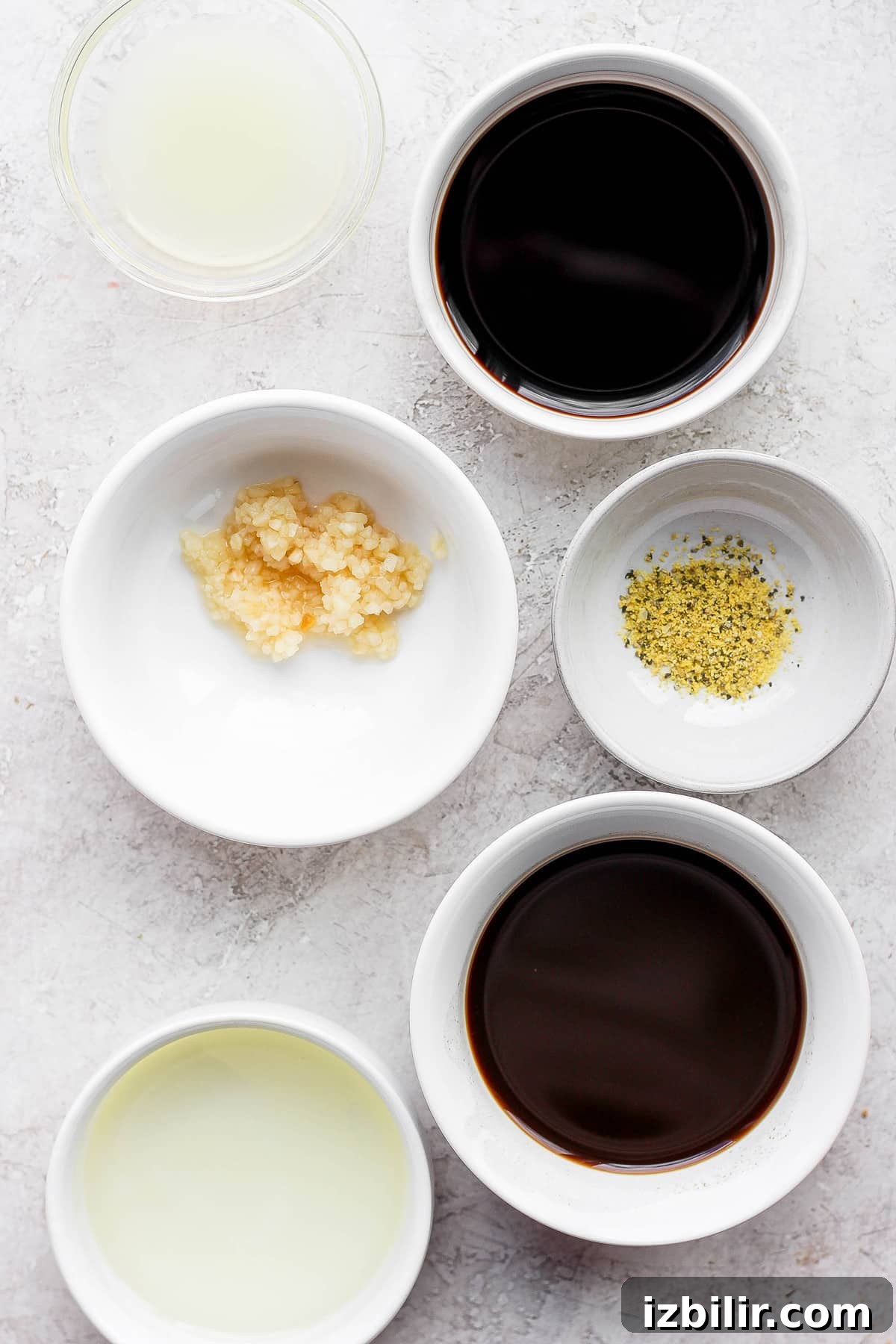
Everything You Need
- Worcestershire sauce – provides vinegar-based umami and a savory backbone ideal for beef.
- Balsamic vinegar – adds balanced acidity and a hint of sweetness to counter the saltiness.
- Minced garlic – fresh garlic delivers bright aromatics and character; avoid substituting powdered garlic for the same effect.
- Olive oil – carries flavors and helps the marinade coat the meat evenly.
- Fresh lemon juice – brightens the marinade and helps loosen muscle fibers for better tenderness.
- Lemon pepper – reinforces the citrus component and adds a mild peppery warmth.
How to Marinate Steak (3 Steps)
- Combine: In a small bowl or jar, whisk Worcestershire sauce, balsamic vinegar, minced garlic, olive oil, lemon juice, and lemon pepper until evenly blended.
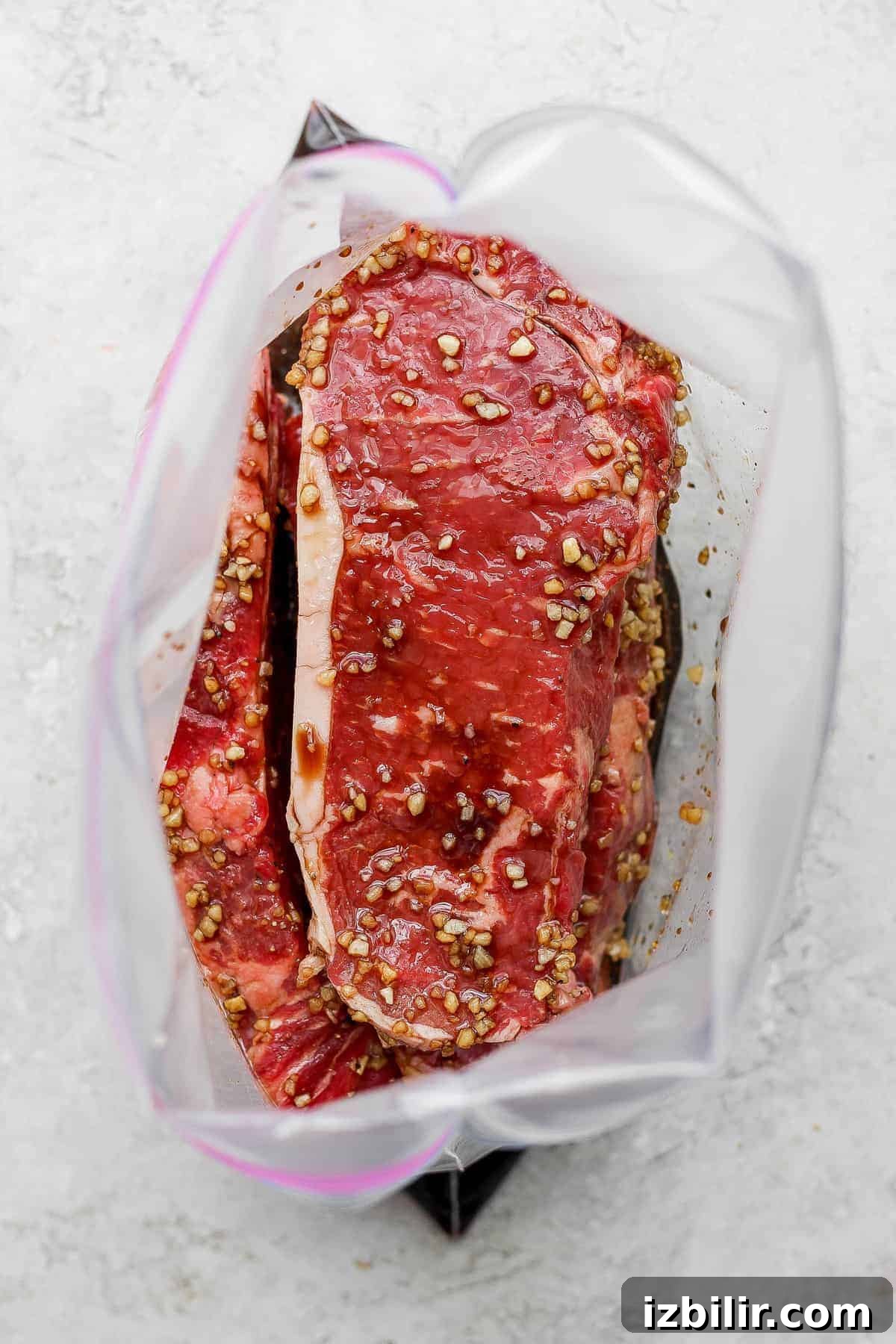
- Coat: Place steaks in a large resealable bag or shallow container. Pour the marinade over the meat, remove as much air as possible, and seal. Press or massage the bag so the marinade covers all surfaces.
- Chill: Refrigerate and let the steaks marinate for 30 minutes to 12 hours depending on the cut. Turn the bag or flip the steaks occasionally for even flavor distribution.
Prep it ahead of time
Make a larger batch of the marinade in a mason jar and keep it refrigerated. It stores well for several days and works great on chicken, pork, shrimp, and steak—handy when you want quick flavor without extra prep.
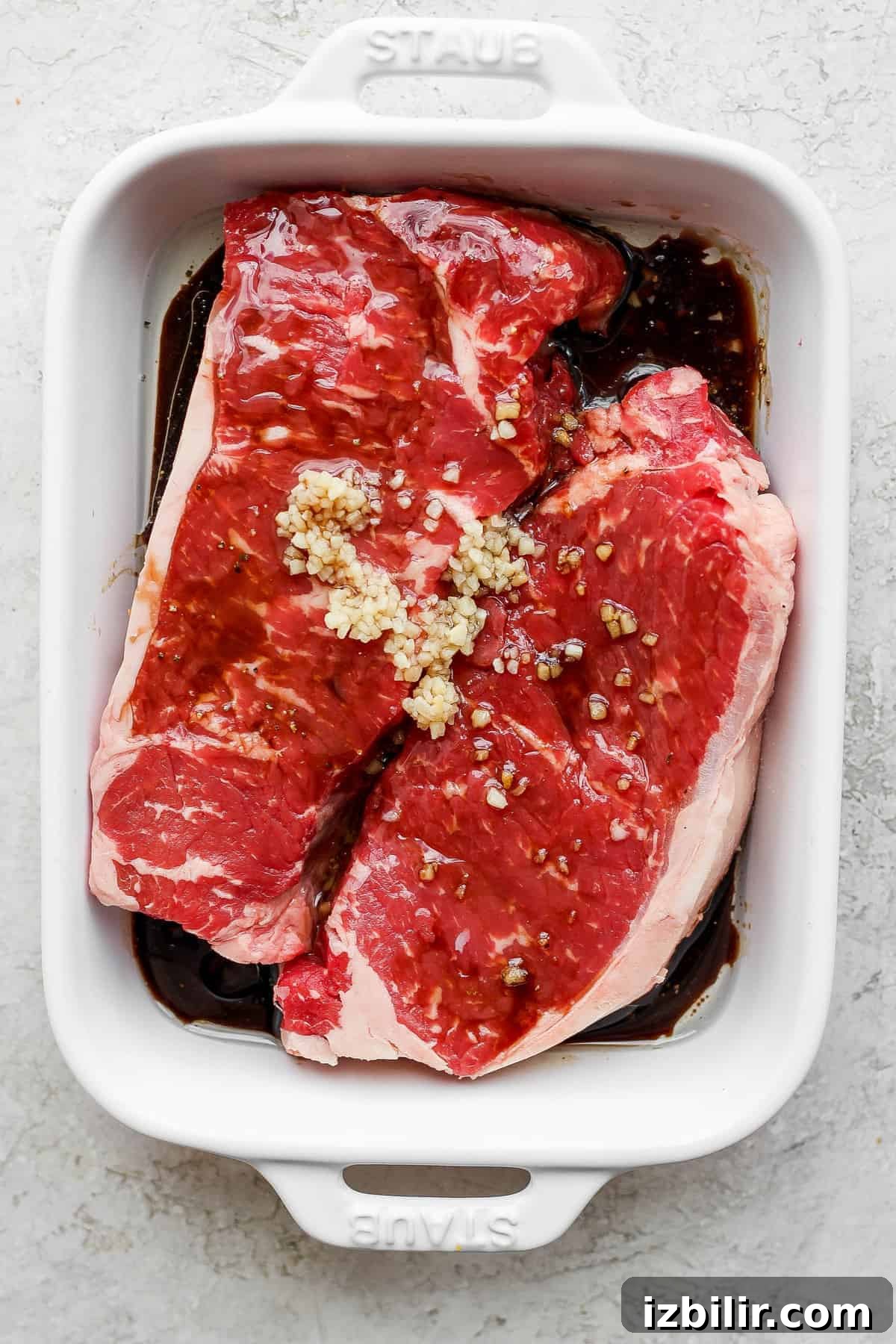
What should I marinate my steak in?
Use a large resealable plastic bag or a lidded container so the steak stays submerged in the marinade. For best results, minimize excess air and make sure the marinade coats the entire piece of meat.
Best cuts for marinating
This marinade works well with nearly every cut of steak. It’s especially helpful for leaner or chewier cuts that benefit from extra flavor and tenderizing action.
- Flank steak
- Skirt steak
- SIRLOIN
- Ribeye
- New York strip
- Filet mignon (shorter marination recommended)
- T-bone and Porterhouse
Ways to Cook Marinated Steak
Marinated steak is versatile and cooks beautifully using several methods:
- Grill: Direct high heat creates a flavorful char and seals in juices—ideal for strip and ribeye.
- Pan-sear: Use a hot cast-iron skillet to develop a crust, then finish in the oven if needed for thicker cuts.
- Sous vide: For precise temperature control, cook sous vide then sear briefly to finish and add texture.
Steak Internal Temp
Use a thermometer to check doneness. These are general targets; remove steak close to the desired temperature and allow it to rest so it finishes cooking and juices redistribute.
Rare: 130ºF
Medium Rare: 140ºF
Medium: 155ºF
Well Done: 165ºF
Note: Resting the steak for 5–10 minutes after cooking will raise the internal temperature by about 5ºF.
How to store cooked steak
Store cooked steak in an airtight container in the refrigerator for up to 7 days. Reheat gently to preserve moisture—use a low oven or a quick sear after bringing the meat to room temperature.
Recipe: Best Steak Marinade
This simple marinade yields enough to coat 1–2 pounds of steak.
Ingredients
- 1/4 cup Worcestershire sauce
- 2 tablespoons balsamic vinegar
- 1 tablespoon minced garlic (fresh)
- 2 tablespoons olive oil
- 2 tablespoons fresh lemon juice (about half a lemon)
- 1/2 teaspoon lemon pepper
Instructions
- Whisk all ingredients together in a small bowl or jar until combined.
- Place steaks in a resealable bag or shallow container and pour the marinade over them. Remove excess air, seal, and press the marinade to coat each piece.
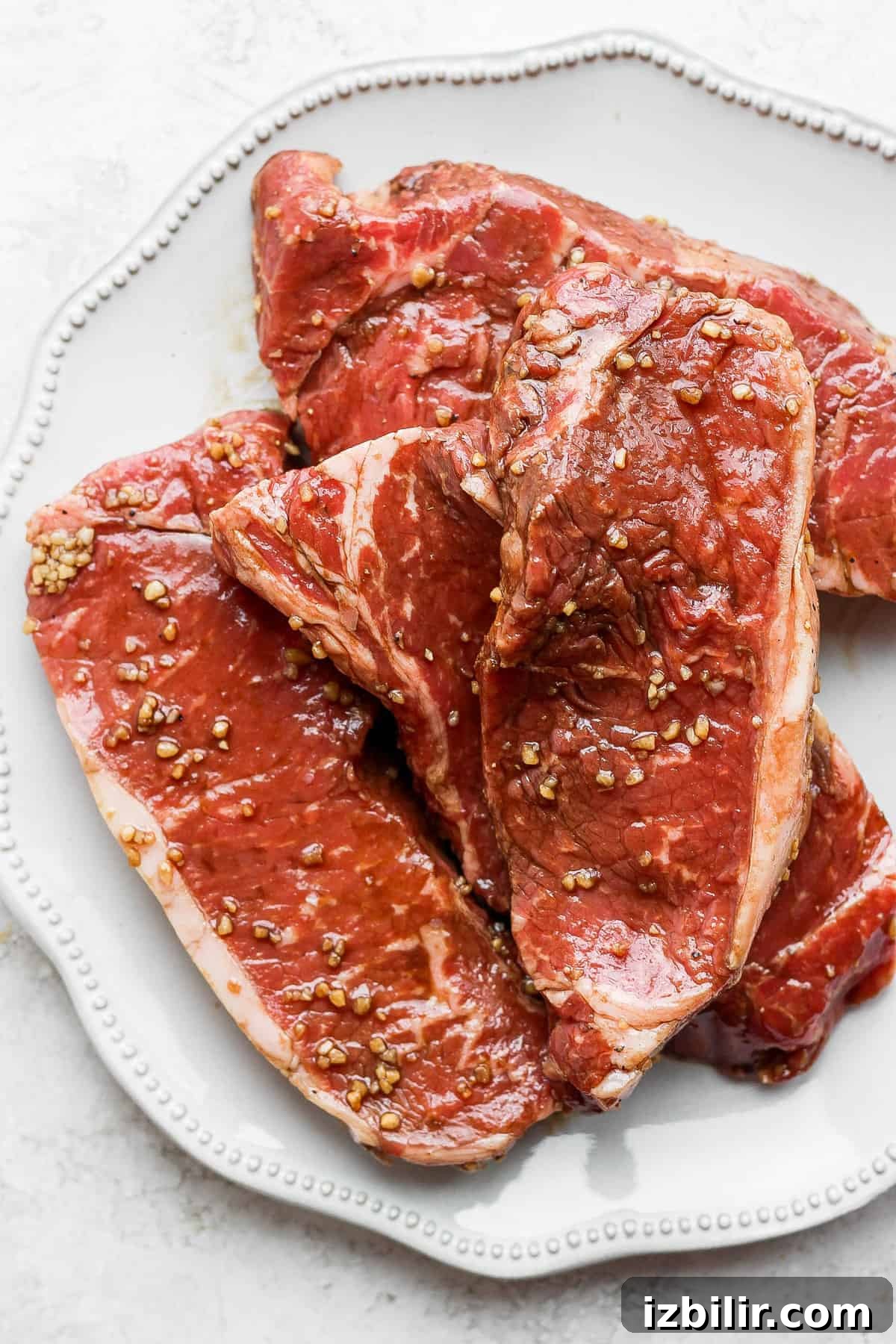
- Refrigerate for at least 30 minutes or up to 12 hours. Turn the steaks occasionally to ensure even coverage.
- Remove the steaks from the marinade, pat lightly dry, and cook using your preferred method. Discard leftover marinade that has been in contact with raw meat.
Notes
- Nutrition information below applies to the marinade only and does not include the steak.
- Make extra marinade and store it in the fridge for a few days to use on other proteins.
Nutrition (per serving, marinade only)
Calories: 87 kcal, Carbohydrates: 7 g, Protein: 0 g, Fat: 7 g, Sugar: 3 g
Nutrition values are approximate and intended as a general guide.
Photography by: The Wooden Skillet