

These cottage cheese brownies are the semi-homemade trend worth trying. They use a single box of brownie mix combined with blended full‑fat (4%) cottage cheese to make a fudgy 9×9-inch pan with only about 10 minutes of hands‑on prep. The technique is straightforward, forgiving, and an easy way to stretch pantry staples into a rich dessert.
I tested the method with two different boxed mixes to account for the small but important differences between brands and sizes. The result: a reliable two‑ingredient approach (plus a splash of water if needed) and clear cues for batter consistency and doneness so you know exactly how to get moist, tender brownies every time.
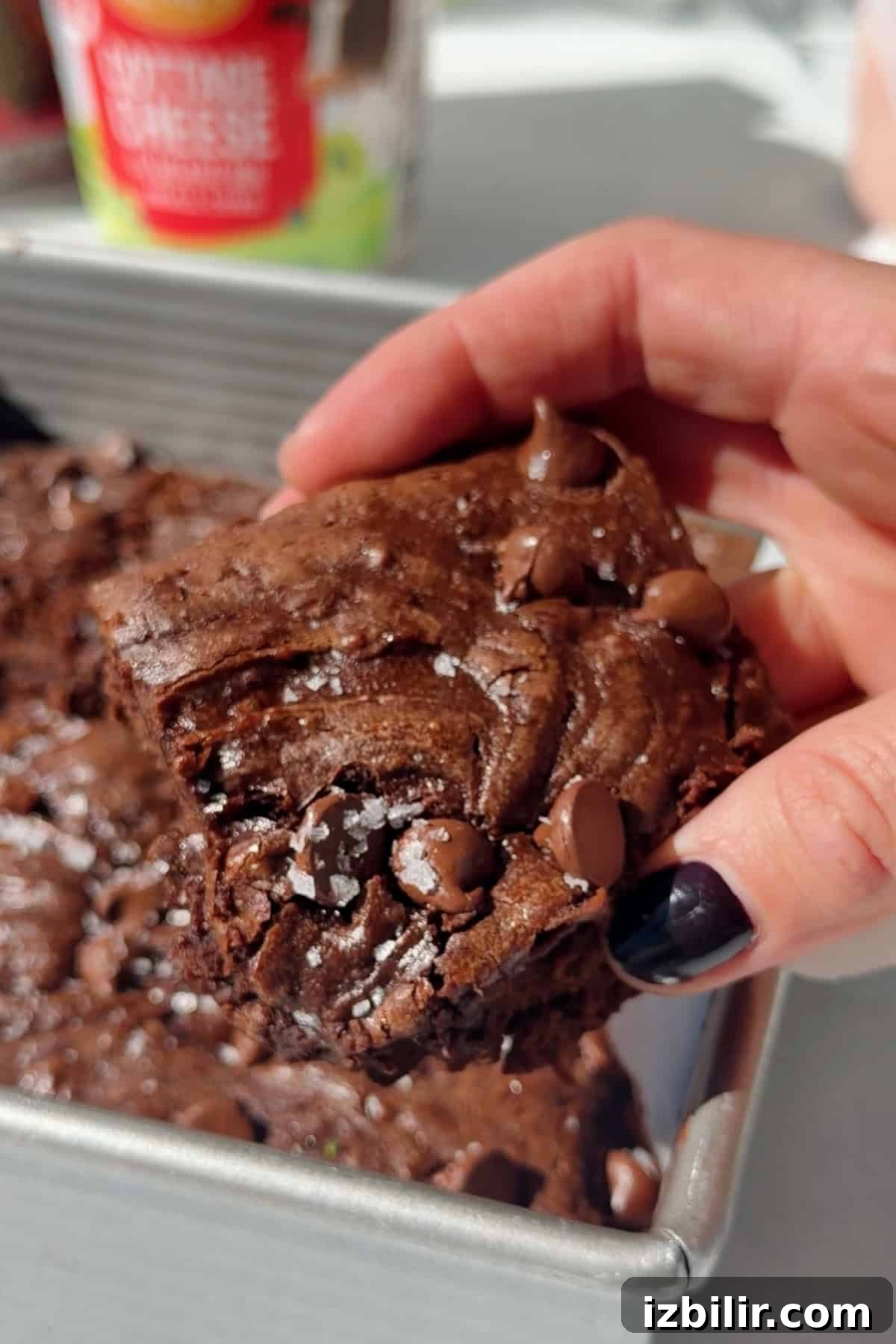
Why You’ll Love These Brownies
- Only two main ingredients: One standard box of brownie mix plus 4% cottage cheese (and a little water if needed).
- Semi-homemade convenience: The boxed mix supplies the dry ingredients, so this is a low‑effort baking win.
- Makes a full 9×9 pan: Yield is nine shareable brownies—perfect for potlucks or family dessert.
- Works with different brands: I tested both a 14.8‑ounce mix and an 18.3‑ounce mix; the method adapts with a small water adjustment.
Featured Ingredients
- Brownie mix: Use a standard boxed mix in the 14.8–18.3 oz range. Different sizes and formulations will change how much liquid the batter needs.
- 4% cottage cheese: Full‑fat cottage cheese is blended until fully smooth and pourable before it’s added to the dry mix.
- Water (optional): Add only if necessary to reach a spreadable batter. Stir in one tablespoon at a time; in testing I used about 1–1.5 tablespoons depending on the brand.
Why Cottage Cheese Works In Brownies
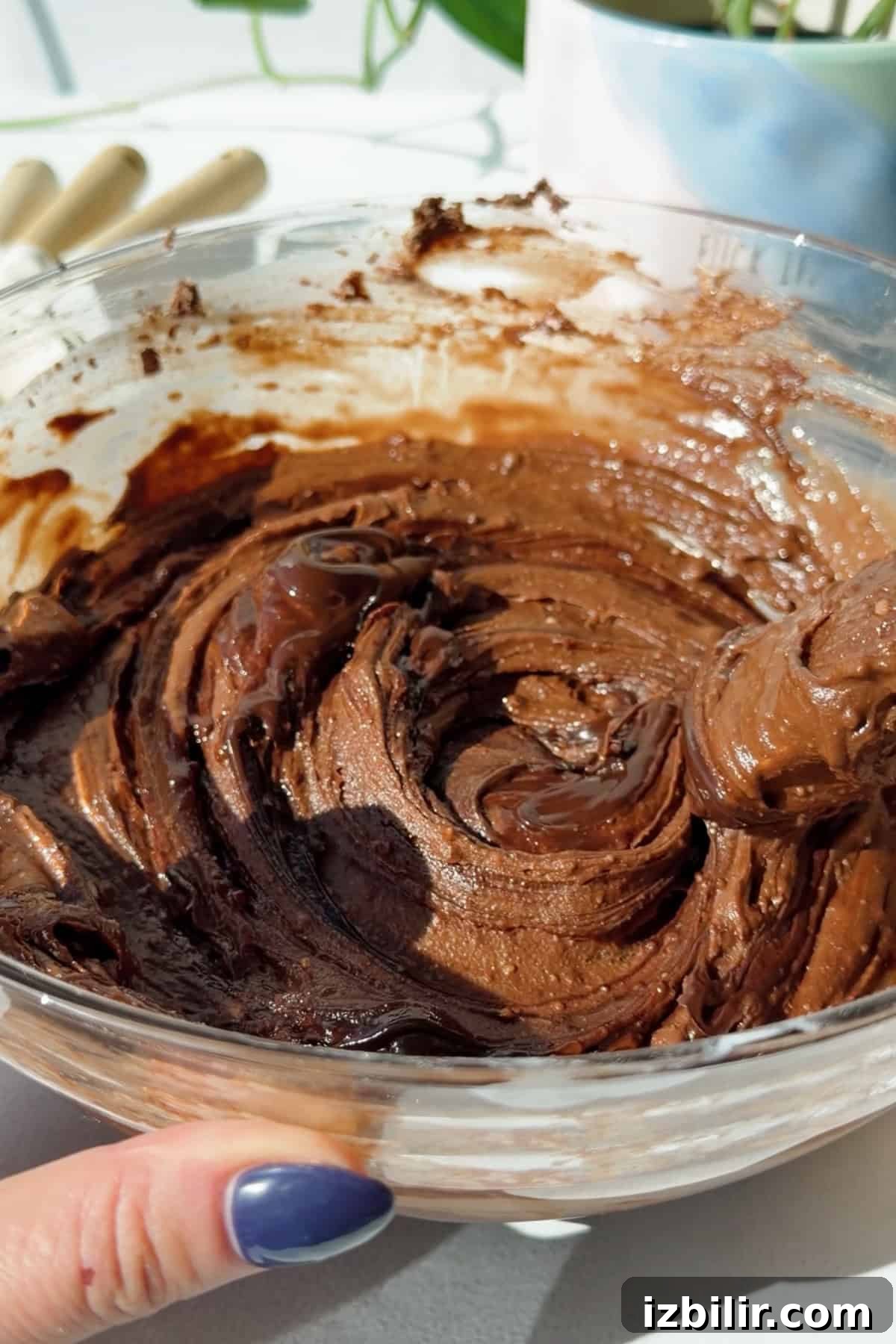
Blending cottage cheese is the key: it breaks down the curds and turns the cheese into a smooth, milky liquid that disperses evenly through the dry mix. That liquid replaces the usual eggs and oil in many boxed brownie recipes, adding moisture and a slightly denser, fudgy texture without leaving chunks of curd in the batter.
Brownie Mix Size Matters
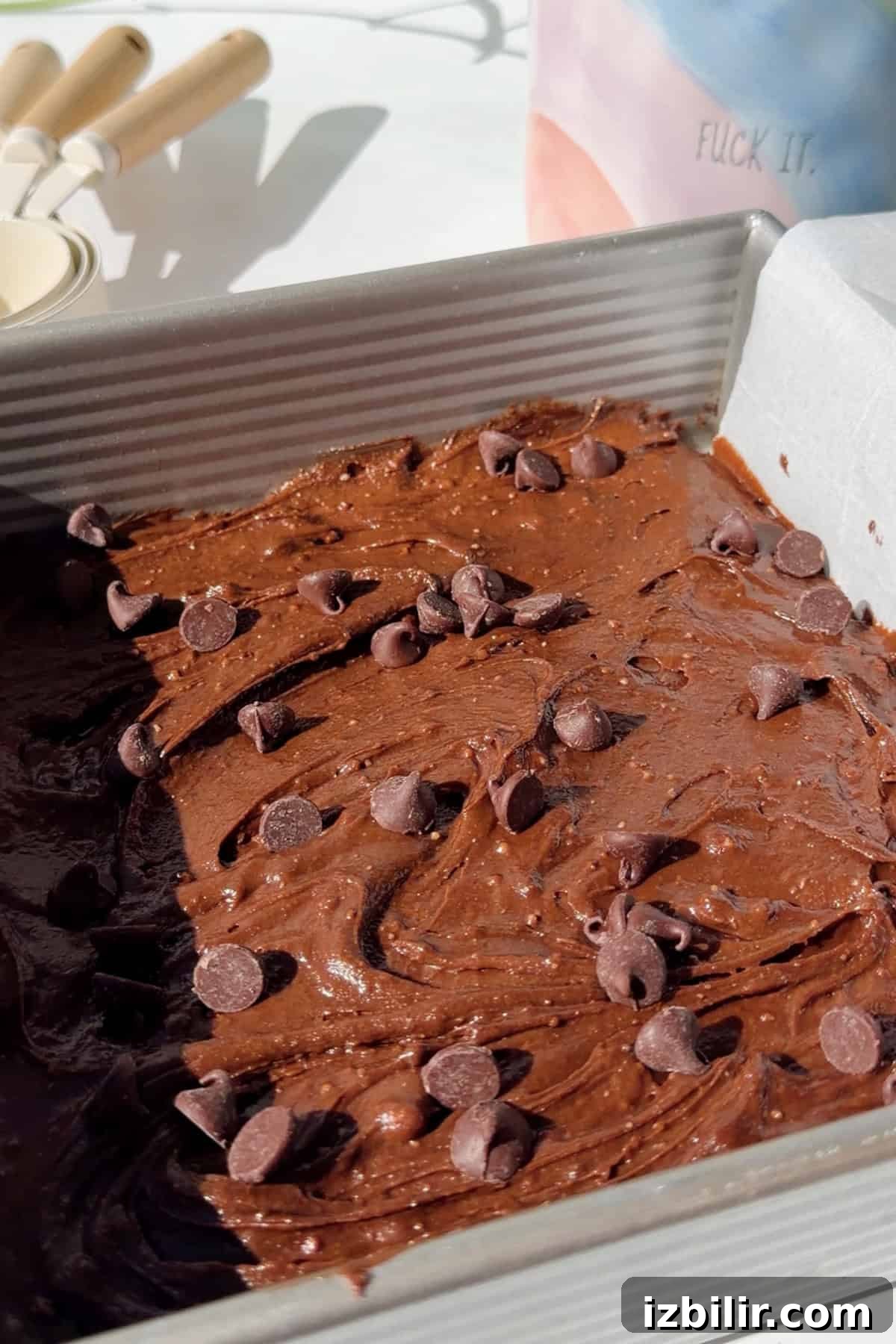
Boxed brownie mixes vary in weight and formulation, so this recipe focuses on batter consistency rather than a fixed water amount. Start by blending the cottage cheese until smooth and combining it with the dry mix. If the batter seems too stiff to spread, add water one tablespoon at a time until the batter is thick but spreadable. I tested a 14.8‑ounce mix and an 18.3‑ounce mix; both worked with small water adjustments.
Top Tips for Success
- Blend until silky: Pulse the cottage cheese in a blender or food processor until it’s as smooth and thin as milk or cream.
- Check the batter, not the box: Different mixes require different amounts of liquid. Aim for thick but spreadable batter.
- Add water gradually: One tablespoon at a time prevents you from over‑thinning the batter.
- Watch for moist crumbs: Brownies are done when the edges are set and a toothpick comes out with moist crumbs—not wet batter and not completely clean.
- Let them set: Cool in the pan for 10–15 minutes before slicing so the brownies finish setting and cut cleanly.
Full Pan or Single Serve?
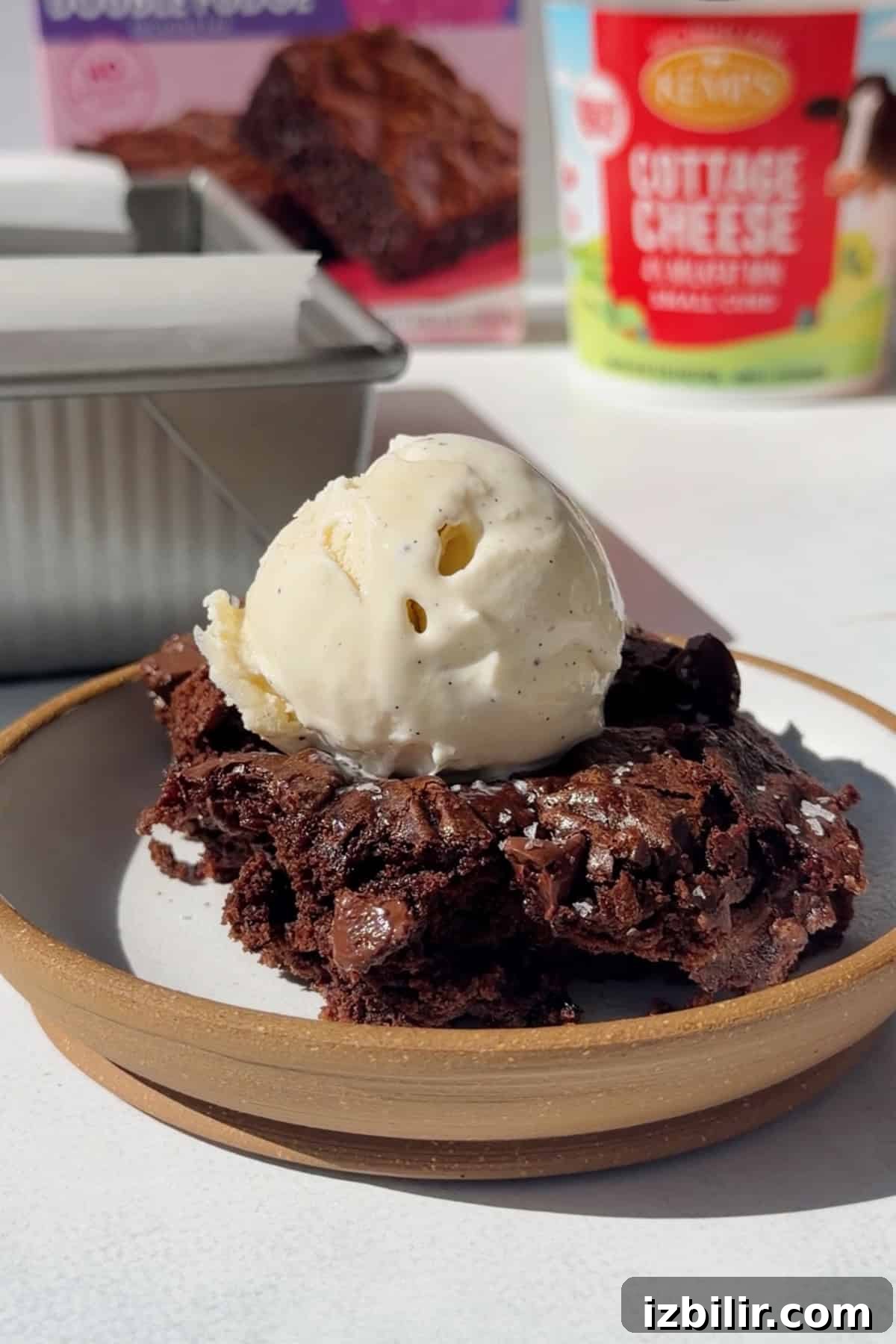
This recipe is designed for when you want a full 9×9 pan using a boxed mix. If you prefer a single‑serve option, you can make a microwave or small‑dish variation using cottage cheese and protein powder or follow a from‑scratch single‑serve brownie formula. You can also experiment with mix‑ins like chocolate chips or nuts for variety.
Storage
Because the brownies contain cottage cheese, store leftovers covered in the refrigerator. Allow brownies to cool completely before covering so condensation does not form inside the container.
Frequently Asked Questions
Yes. Combine one standard 14.8–18.3‑ounce box of dry brownie mix with 1 cup of blended 4% cottage cheese. Adjust water as needed depending on the mix.
Blending breaks down curds and creates a smooth liquid that mixes uniformly into the dry ingredients. Blend until it’s smooth and pourable.
Only add water if the batter is too thick to spread. Stir in one tablespoon at a time until the batter is thick but spreadable.
They’re ready when the edges are set and a toothpick inserted in the center comes out with moist crumbs. Start checking around 20 minutes to avoid overbaking.
Let them cool, then cover and refrigerate. Chilling keeps the dairy fresh and prevents spoilage.
Cottage Cheese Brownies
A simple two‑ingredient brownie: one box of brownie mix plus blended 4% cottage cheese makes a dense, fudgy 9×9 pan. Tested with multiple boxed mixes; adjust water as needed.
By: Lee Funke
Prep: 10 mins Cook: 20–25 mins Total: 50 mins Servings: 9 brownies

Equipment
- Blender or food processor
- Large mixing bowl
- 9×9‑inch baking dish
Ingredients
- Nonstick cooking spray
- 1 standard box store‑bought brownie mix (14.8–18.3 oz)
- 1 cup 4% (full‑fat) cottage cheese, blended until smooth
- Water, 1 tablespoon at a time as needed to thin the batter
Instructions
- Preheat the oven to 350°F. Coat a 9×9‑inch baking dish with nonstick cooking spray.
- Blend the cottage cheese until completely smooth and pourable. In a large bowl, combine the dry brownie mix and the blended cottage cheese. Stir until incorporated. The batter should be thick but spreadable; if it is too stiff, add water 1 tablespoon at a time until it reaches the right consistency.
- Transfer the batter to the prepared pan and smooth into an even layer. Bake for 20–25 minutes, or until the edges are set and a toothpick inserted in the center comes out with moist crumbs.
- Let the brownies cool in the pan for 10–15 minutes so they set before slicing. Cut into nine squares and serve.
Tips & Notes
- Box sizes and formulations vary—this method was tested with both 14.8‑ounce and 18.3‑ounce mixes.
- Nutrition estimates assume a specific boxed mix and are approximate.
- Blend the cottage cheese thoroughly before measuring it into the batter.
- Add water sparingly to avoid a runny batter.
- Cooling time is included in the total time.
- Store leftovers refrigerated because of the dairy content.
Nutrition (per brownie, approximate)
Calories: 201 kcal, Carbohydrates: 33 g, Protein: 11 g, Fat: 5 g, Fiber: 4 g, Sugar: 26 g
Nutrition information is automatically calculated and should be used as an approximation.