
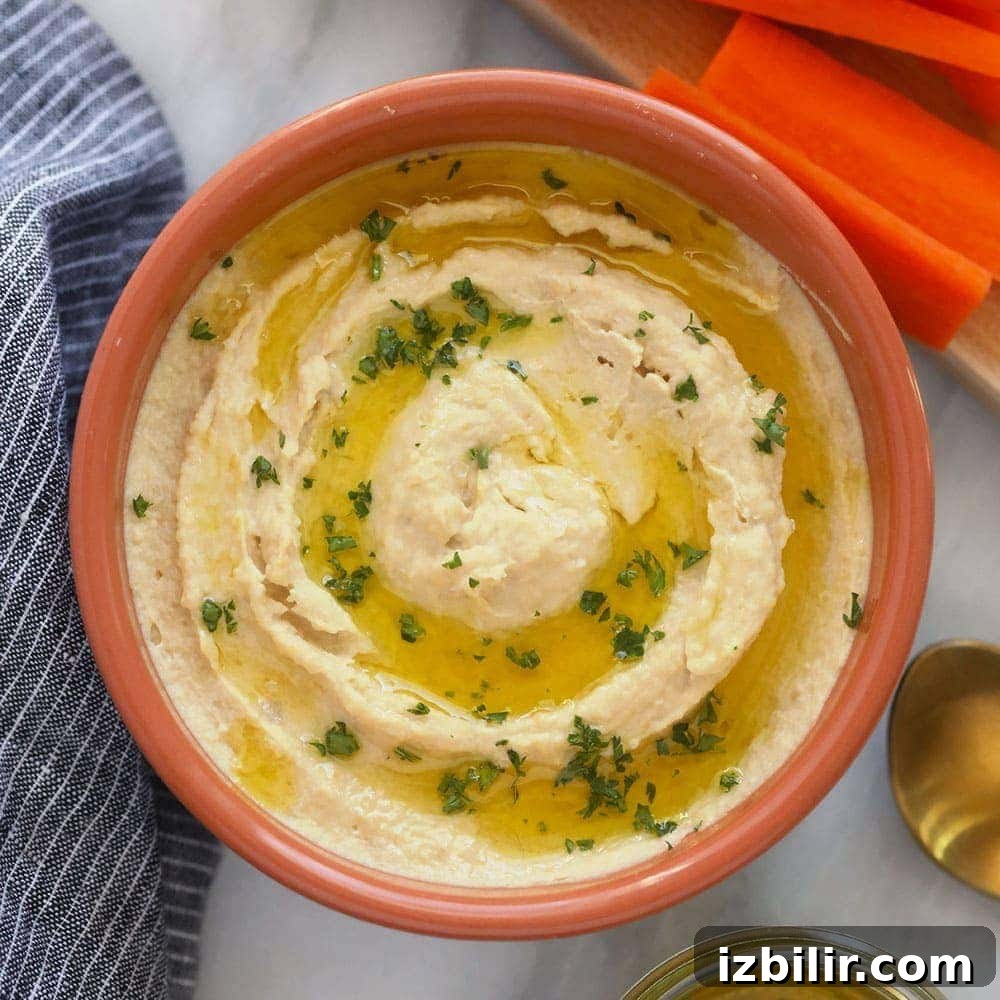
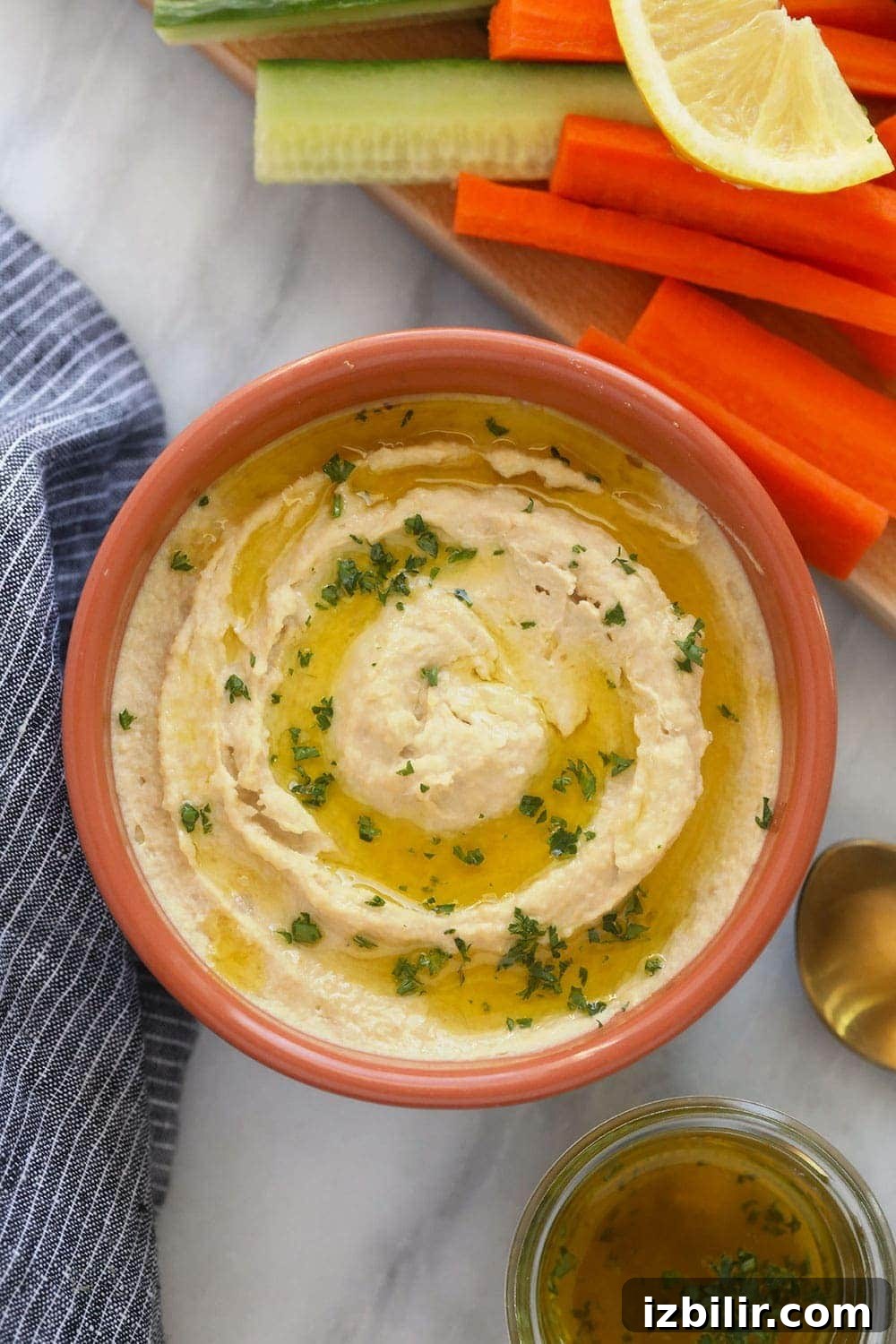
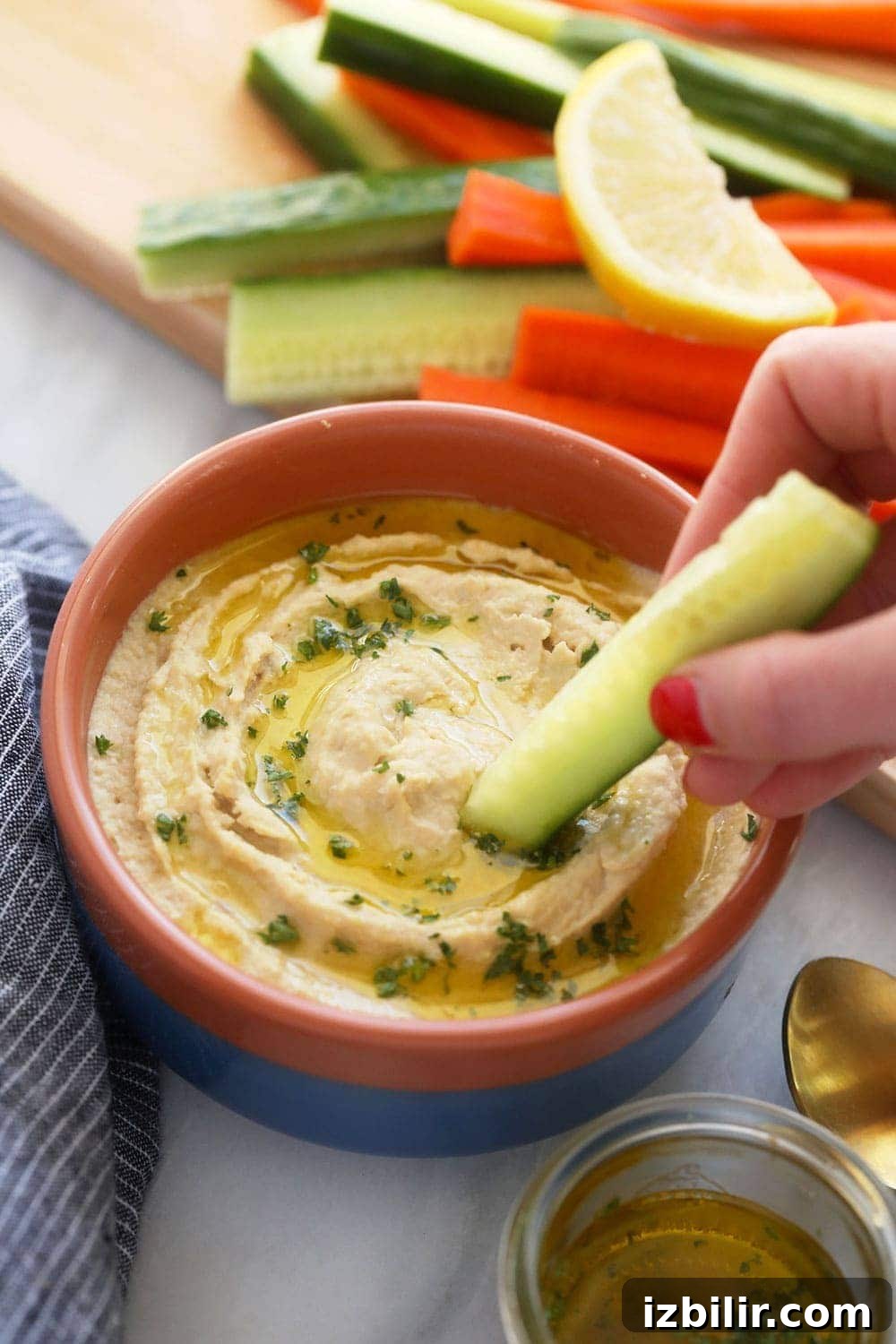
If you love hummus, this lemon garlic version will quickly become a favorite. Bright lemon, assertive garlic, and silky tahini create a creamy dip that’s ideal for dipping, spreading, or stirring into pasta and salads. It’s simple to make at home—fresher and more flavorful than most store-bought varieties—and you can top or tweak it however you like.
What Makes This Recipe Great
This lemon garlic hummus is fast, flavorful, and easy to customize:
- Ultra-creamy texture: A high-speed food processor (or a powerful blender) purees the chickpeas, tahini, and olive oil into a smooth, luscious dip.
- Very quick: Active prep takes about five minutes—less time than a grocery trip.
- Diet-friendly: Naturally vegan and gluten-free, made from whole-food ingredients that provide fiber, plant protein, and healthy fats.
- Highly versatile: Use it as a dip, sandwich spread, pasta sauce base, or bowl topper; dress it up with herbs, spices, or crunchy toppings.
Key Ingredients
Every component plays a role in the hummus’ flavor and texture:
- Chickpeas (garbanzo beans): Canned chickpeas are convenient—drain and rinse before blending. For extra smoothness, some cooks remove the skins, but it’s optional.
- Tahini: Sesame paste adds nutty richness and helps create the classic hummus mouthfeel. Unsalted tahini lets you control the seasoning.
- Olive oil: Extra-virgin olive oil brings silkiness and depth without weighing the dip down.
- Garlic: Raw garlic gives a bright, punchy note; roasted garlic can be used for a sweeter, milder flavor.
- Lemon juice: Freshly squeezed lemon brightens the hummus and balances the tahini’s richness.
- Sea salt: Enhances all the flavors—adjust to taste.
- Water: Added sparingly to thin the hummus to your preferred consistency.
- Food processor or blender: A powerful appliance produces the creamiest results.
About Tahini
Tahini—ground sesame seeds—is a cornerstone of traditional hummus. It lends a nutty, slightly bitter note and contributes to the dip’s silky texture, helping to balance lemon and garlic. While tahini is typical, you can substitute plain Greek yogurt or a neutral nut butter (almond, cashew) in a pinch, though the flavor will shift. For a classic result, tahini is recommended.
How to Make This Hummus
Homemade hummus is straightforward. Follow these steps for a smooth, flavorful result:
- Prep the chickpeas. Drain and rinse canned chickpeas. If you want an exceptionally smooth hummus, pinch off the skins—this takes extra time but improves texture.
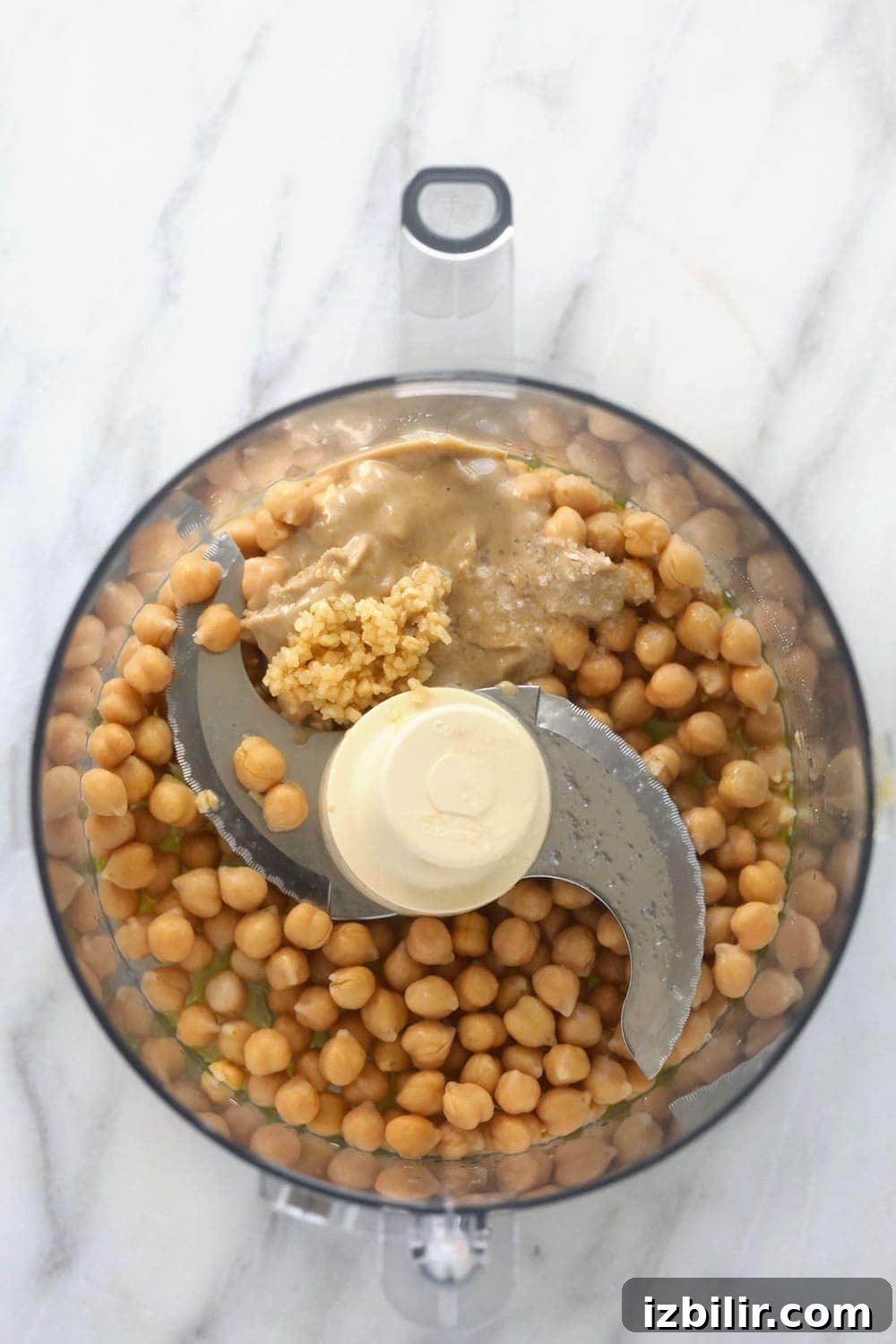
- Combine ingredients. Add chickpeas, tahini, garlic, olive oil, lemon juice, salt, and a small amount of water to a food processor or high-powered blender. Begin with less water and add more as needed.
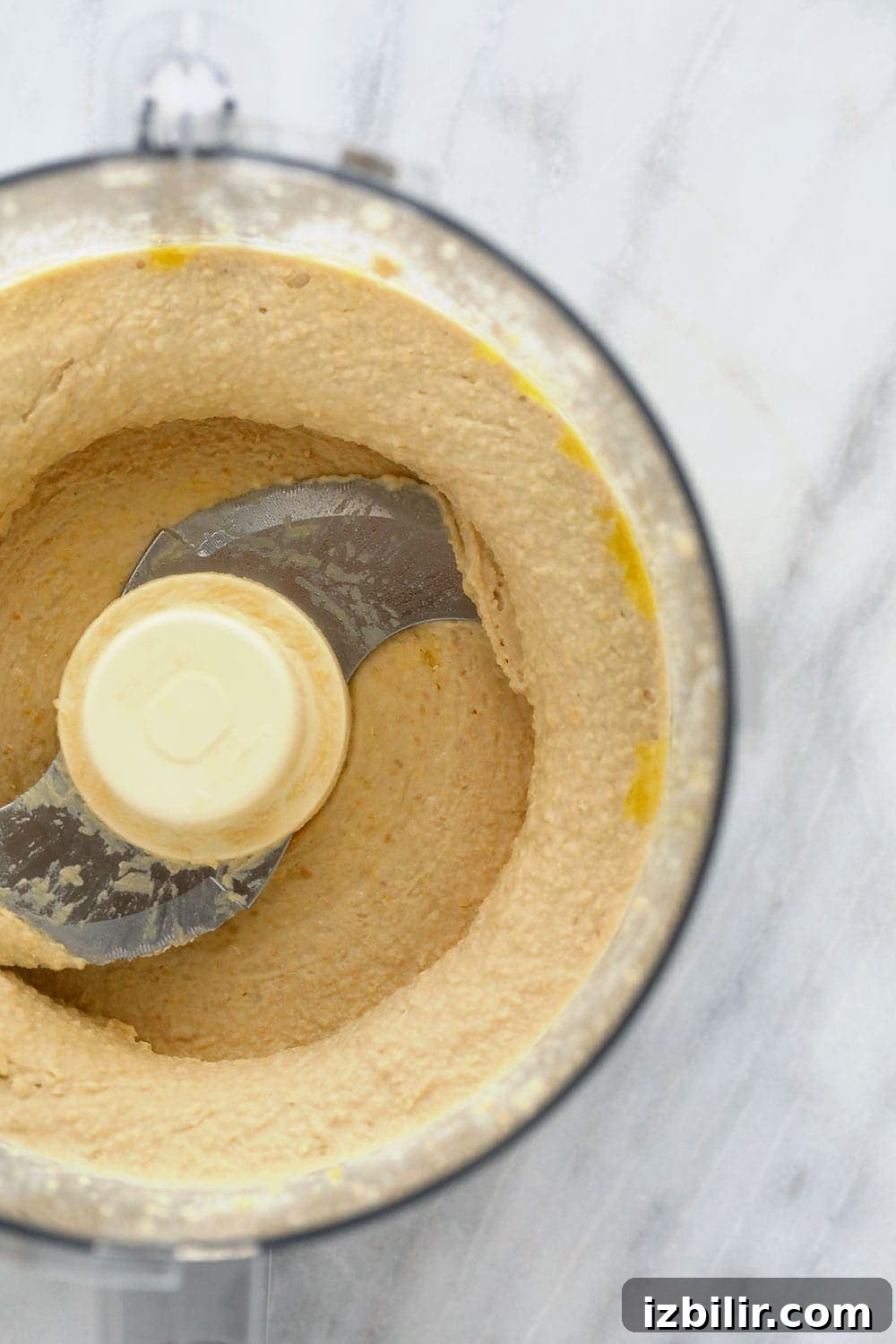
- Blend until silky. Process on high for 1–2 minutes, stopping to scrape the bowl so everything blends evenly. Add 1–2 tablespoons more water if the mixture is too thick.
- Finish and serve. Transfer to a bowl and garnish if desired. Store any leftovers in an airtight container in the refrigerator for up to five days.
If you don’t have a food processor, a strong blender works—expect to stop and scrape the sides frequently.
Flavor & Topping Ideas
This lemon garlic hummus is a great blank canvas. Try these additions and toppings to change the profile:
- Toppings: Drizzle olive oil and sprinkle paprika, sesame seeds, toasted pine nuts, or chopped herbs. Crumbled feta or roasted garlic cloves also add interest.
- Spice: Add cayenne, ground cumin, sumac, or red pepper flakes. For smoky heat, blend in a roasted red pepper or a chipotle.
- Herbs: Fold in fresh parsley, cilantro, or dill after blending for a bright finish.
- Mix-ins: Try sun-dried tomatoes, chopped olives, caramelized onions, or diced roasted vegetables for a more substantial dip.
Experiment to find your favorite combination—once you discover it, it becomes your go-to hummus flavor.
What to Serve It With
This hummus is extremely versatile and pairs well with many foods. Popular options include:
- Classic dippers: Warm pita, pita chips, crackers, or fresh vegetables like carrots, cucumbers, and bell peppers.
- Sandwich spread: Replace mayonnaise with hummus for extra flavor and creaminess.
- Pasta sauce: Stir hummus into hot pasta for a quick, creamy sauce without heavy cream.
- Bowl topper: Add a generous scoop to grain or salad bowls for additional plant-based protein and flavor.
- Falafel pairing: Use hummus as a spread inside pita with falafel, fresh herbs, and chopped vegetables.
Storage Notes
Store hummus in an airtight container in the refrigerator for up to five days. If it thickens after chilling, stir in a splash of water or re-blend briefly to restore a smooth texture. Freezing is not recommended because the texture can become grainy after thawing; if you do freeze it, thaw overnight in the refrigerator and stir or re-blend before serving.
More of our favorite hummus variations
More Favorite Hummus Recipes
- Chocolate Hummus
- Mexican Black Bean Hummus
- Roasted Red Pepper Hummus
- Sweet Potato Hummus
FAQs
How can I make my hummus extra creamy?
Use a high-speed food processor or a powerful blender and consider peeling the chickpeas for a noticeably smoother texture. Add 1–2 tablespoons of water while blending until you reach the desired consistency.
What does baking soda do with canned chickpeas?
A short simmer with a pinch of baking soda can help soften chickpea skins and make them easier to remove, improving creaminess. Rinse well afterward to remove any residue. This step is optional.
How do you cook dried chickpeas for hummus?
Soak dried chickpeas overnight, then drain and simmer in fresh water for 60–90 minutes until very tender. For hummus, the softer the chickpeas, the creamier the final dip.
Why avoid eating hummus after seven days?
Homemade hummus lacks commercial preservatives, so its fridge life is shorter. Keep it up to five days and discard it if you notice off smells, separation, discoloration, or mold.
Classic Lemon Garlic Hummus
This creamy and tangy hummus uses simple ingredients and works as a dip, spread, or sauce.
Ingredients (makes about 8 servings)
- 1 (15-ounce) can garbanzo beans, drained and rinsed
- 1/4 cup extra-virgin olive oil
- 1/4 cup unsalted tahini
- 1/4 teaspoon sea salt (adjust to taste)
- 1/2 tablespoon minced garlic (about 1–2 cloves, to taste)
- 2 tablespoons fresh lemon juice
- 3 tablespoons water, plus 1–2 tablespoons more if needed
Optional Herby Topping
- 1/4 cup extra-virgin olive oil for drizzling
- 1/4 cup fresh basil or parsley, chopped
Instructions
- Place all hummus ingredients in a high-speed food processor or blender.
- Process on high for 1–2 minutes, scraping down the sides as needed, until smooth.
- Optional: Add 1–2 more tablespoons of water to reach a creamy, dippable consistency.
- Serve immediately with a drizzle of olive oil and desired toppings, or refrigerate for 3–5 days.
Tips & Notes
The amount of water depends on the texture you prefer. Add it gradually—water thins the hummus, so a little goes a long way. Removing chickpea skins improves smoothness if you have the time.
Nutrition (approx. per serving)
Serving: 1/8 of recipe • Calories: 328 kcal • Protein: 6 g • Fat: 27 g • Fiber: 5 g • Sugar: 3 g
Nutrition information is an estimate and should be used as a guideline only.