
I’m back with stop #2 of my Scandinavian adventure — Copenhagen. Choosing Copenhagen was a last-minute decision: we had three unplanned days between Norway and Iceland and wanted a bit of city life, a convenient route to Bergen (our departure point for Iceland), and, above all, great food. Copenhagen’s culinary scene sealed the deal—I’m always on the hunt for good food. This trip was also the first time Mark and I traveled alone together after spending eight days in Norway with friends, so we were excited to enjoy a few days just the two of us. A friend from design school, Mel, who now lives in Copenhagen, gave us a long list of recommendations and even invited us for dinner one evening.
We arrived on a Friday night and took the Metro to our Airbnb. The transit is straightforward and affordable. From the station we had about a ten-minute walk with our suitcases—no problem in good weather, though we would have called a ride if it had been raining.
<< STAY >>
We skipped a hotel and stayed in an Airbnb, which turned out to be an excellent choice. Our host, Morten, offered helpful local tips on where to eat and what to see. We paid a little extra to be centrally located by “The Lakes,” a chain of five man-made lakes in the middle of Copenhagen. That central location made it easy to walk to most attractions and was perfect for morning runs.
Our one-bedroom flat was compact, charming, and well suited for two people. You’ll find that apartments in Copenhagen tend to be on the smaller side, but this one had everything we needed and put most sights within a 5–20 minute walk. We paid around $171 per night and felt it was worth it for the location and convenience.
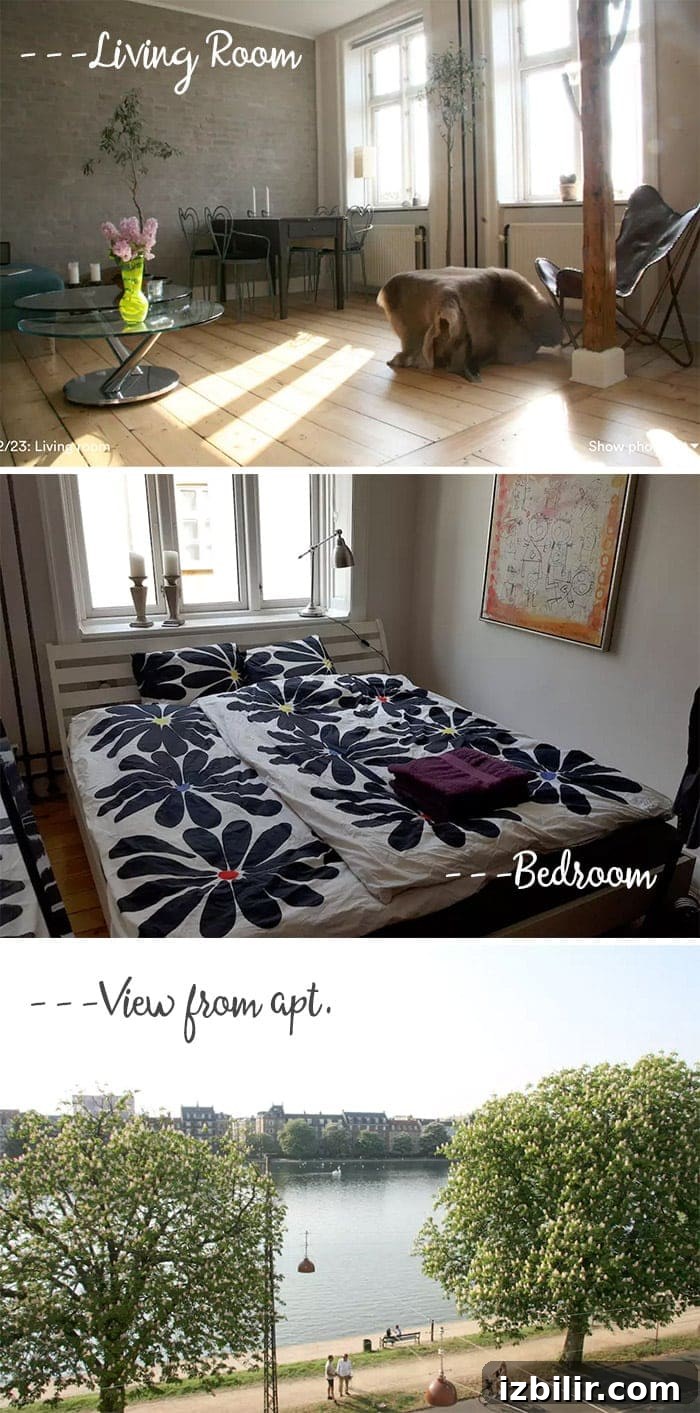
Photos from Airbnb.
<< SEE >>
We spent four nights and three full days in Copenhagen. Most of what we wanted to see can be done in two days, especially if you rent bikes. Cycling is deeply ingrained in Copenhagen culture—bike lanes are huge and many locals travel by bike year-round. We chose to walk to soak up more of the city, but daily bike rentals are widely available and easy to use.
We were lucky with the weather: light drizzle one afternoon and pleasant temperatures the rest of the time. Highlights of our time in Copenhagen:
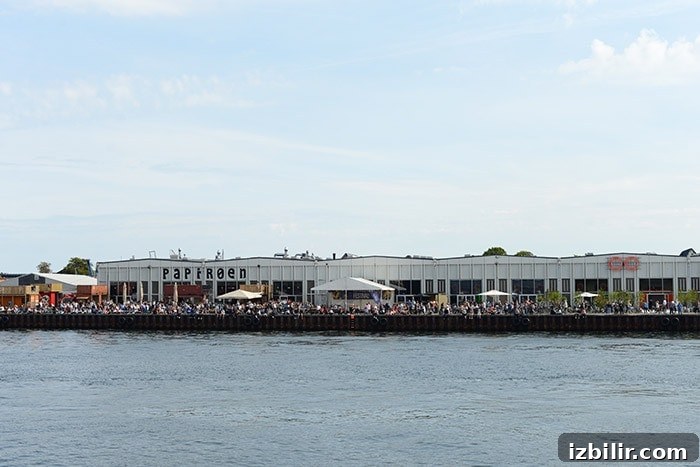
Paper Island (Papirøen): My favorite activity. This large food market brings together street food vendors from around the world—Mexican, Asian, Scandinavian, vegan, paleo—you name it. It felt like a global food fair on an island and was a great place to sample diverse flavors over lunch and a beer.
Torvehallerne Food Market: A must for food lovers. This lively market in the city center offers organic produce, specialty items, bakeries, coffee shops, meats, flowers, and more. It’s partially indoor, so it’s perfect on a rainy day. We picked up breakfast essentials to use in our kitchen, which helped balance budget and experience. Note that central markets tend to have higher prices.
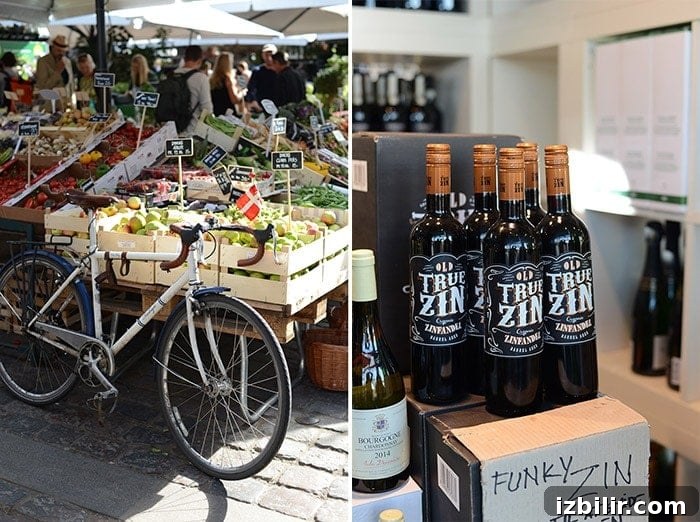
Shopping District: The main shopping street is the heart of town and gets crowded, especially on weekends. It’s fun to browse Danish and Scandinavian shops—just expect higher prices for food and cafés in this area.
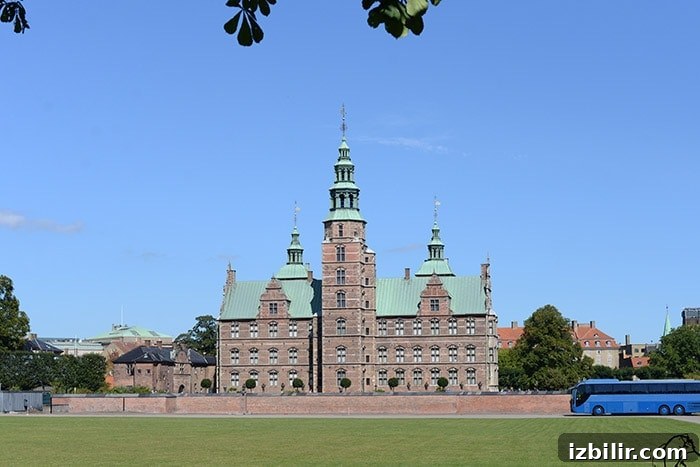
Royal Palace: Centrally located and impressive from the outside. We took photos and moved on, but palace tours are available if you want to go inside.
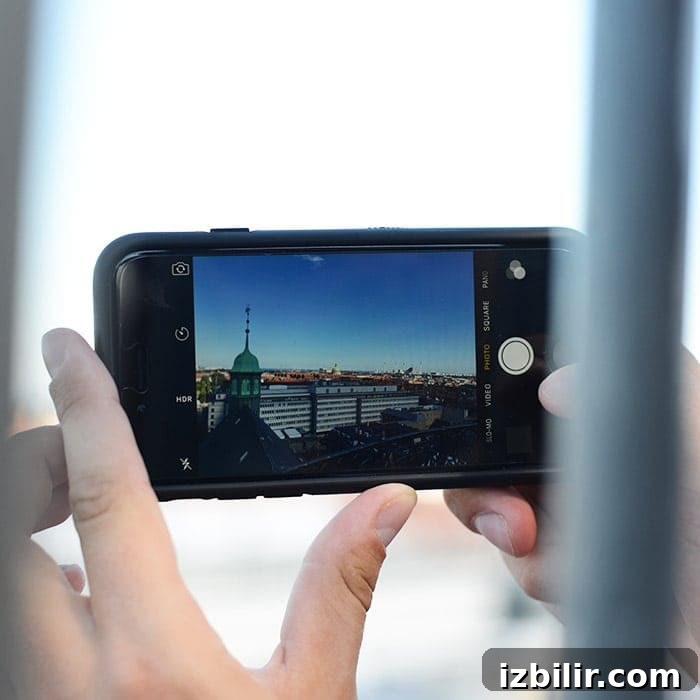
Round Tower: The one paid attraction we visited. The entry fee is modest, and the walk to the top offers a pleasant city view. Not essential, but an enjoyable, low-cost activity.
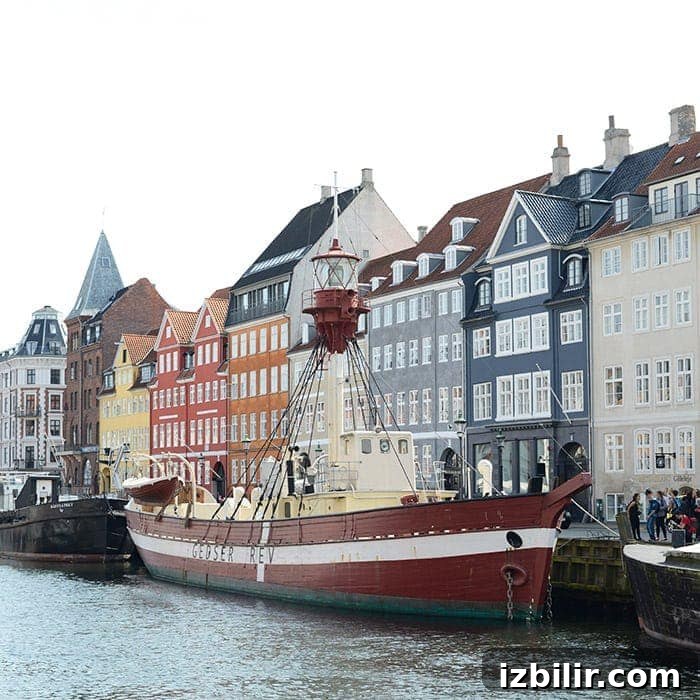
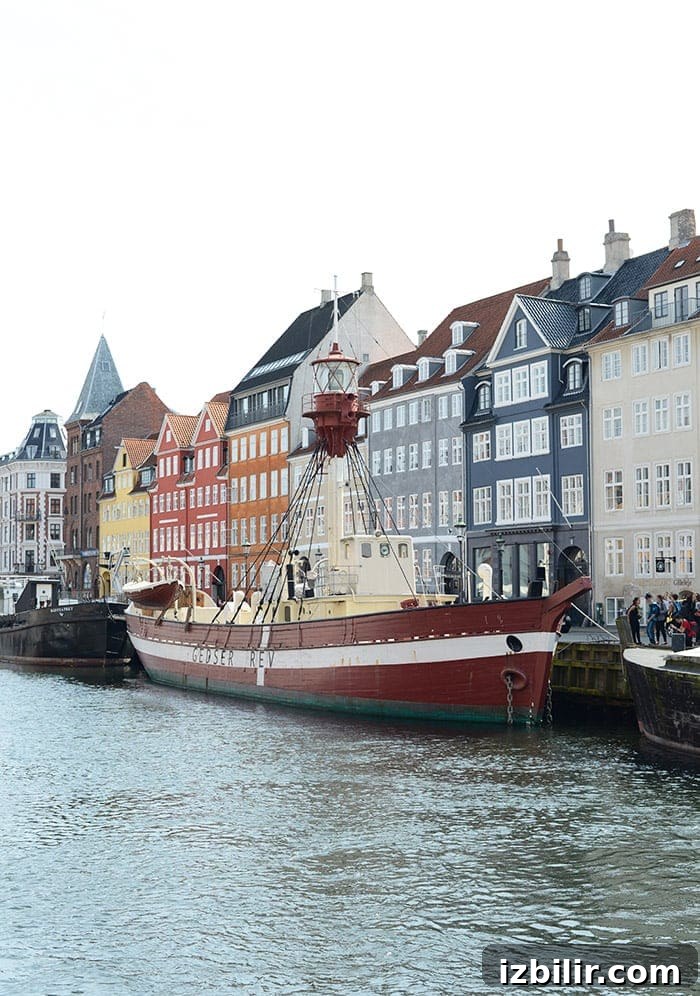
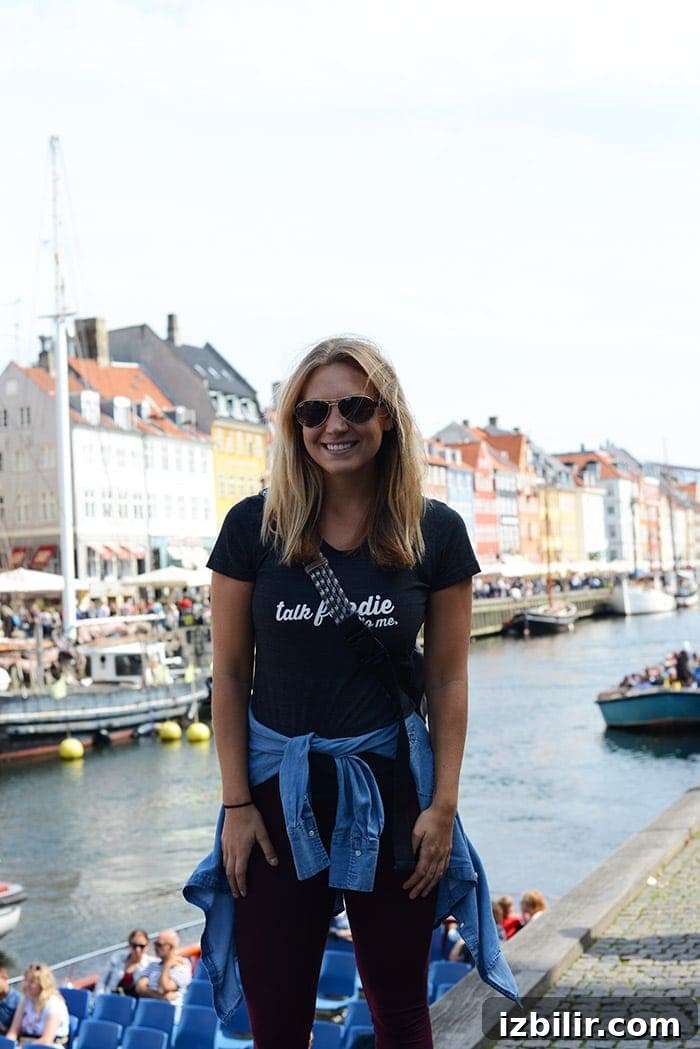
Nyhavn: The iconic colorful waterfront lined with 17th- and 18th-century townhouses, bars, and cafés. It’s beautiful but extremely touristy—expect crowds and many canal tour boats. We stopped to take photos on our way to Paper Island.
Freetown Christiania: One of the most fascinating places we visited. Christiania operates as a self-governed neighborhood with its own rules and a unique atmosphere. Parts of it are hard to describe—there are open market stalls and a street where cannabis is sold despite national laws. Visitors should be aware of local guidelines, including restrictions on photography in certain areas. It’s an unusual, memorable stop.
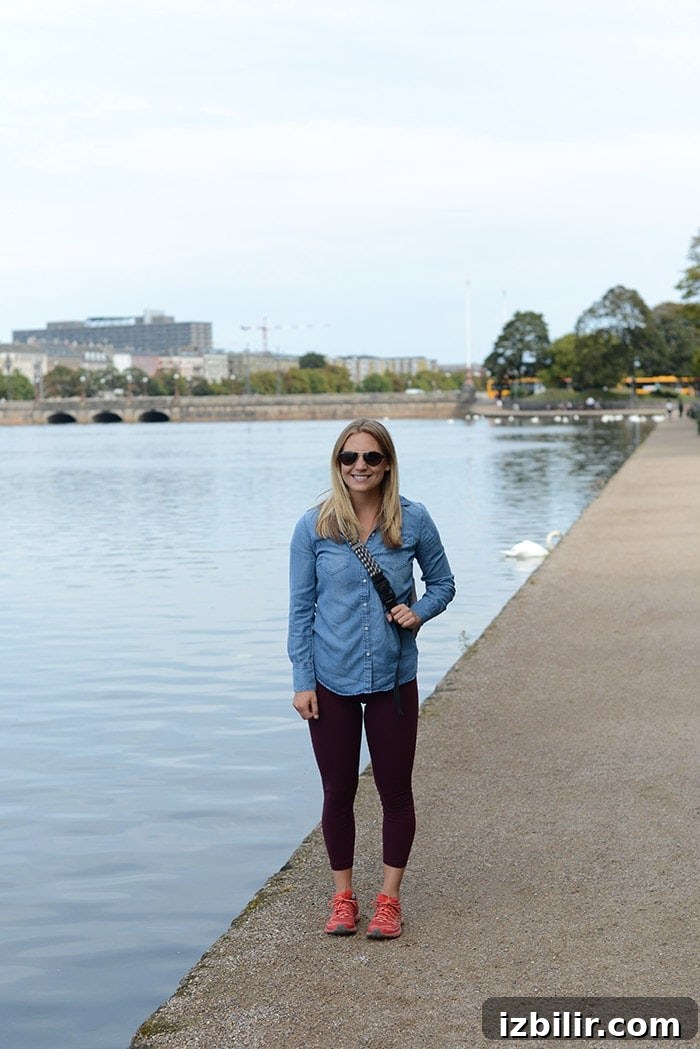
The Lakes: A popular 6.4 km chain of man-made lakes ideal for running, walking, and biking. We ran around the lakes twice; it’s a favorite local route and a peaceful way to experience the city. Our Airbnb was right by one of the lakes, nicknamed “Swan Lake” for its resident swans.
Nørrebro Neighborhood: A hip, residential neighborhood with independent shops and cafes. Mel and her boyfriend welcomed us for dinner here. We explored Jægersborggade, a trendy street filled with charming stores, organic cafés, and local flavor.
Assistens Kirkegård: Copenhagen’s famous cemetery and green space where notable Danes, including H.C. Andersen, are buried. Locals use this cemetery as a park—to picnic, sunbathe, and relax—which made it feel inviting rather than somber. It’s a beautiful urban green space worth visiting.
<< EAT >>
Copenhagen is a food-lover’s city and where we splurged the most on meals and drinks during our trip. Highlights and recommendations:
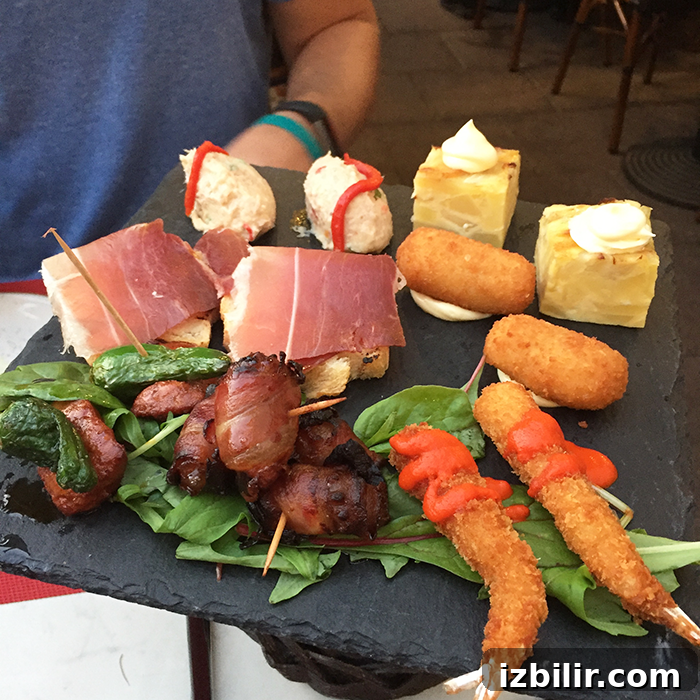
Pintxos (Tapas Bar): Our most expensive dinner but unforgettable. We were seated on a back patio and served a surprise set menu: a multi-course Spanish-style tapas experience. It was a splurge, and we enjoyed every course and a bottle of wine—an indulgent night out recommended by our host.
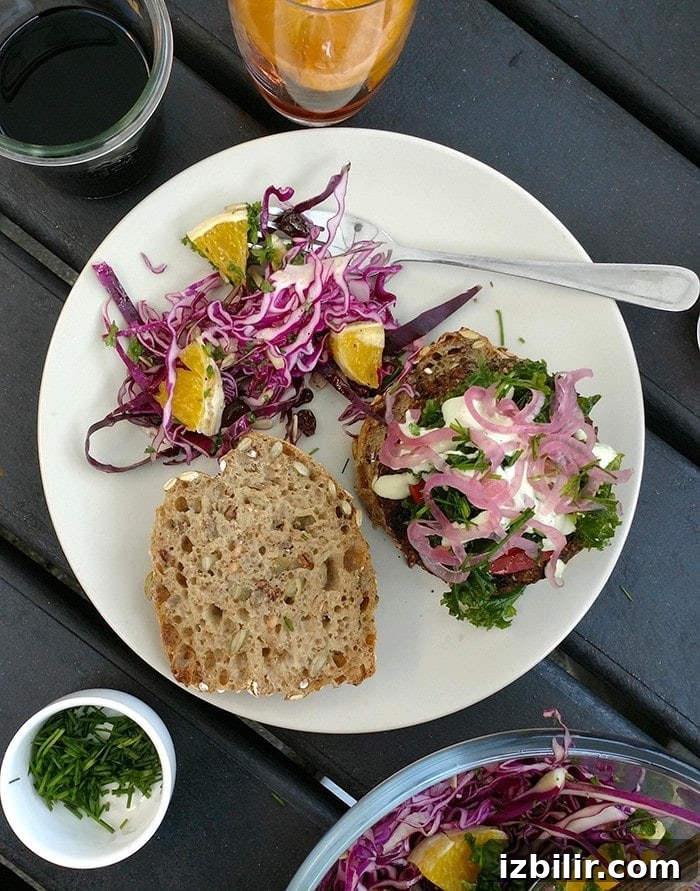
Cafe 22: Great for breakfast—located across the lakes from our stay. We enjoyed a Sunday brunch buffet and tasty pancakes with fresh-pressed coffee.
Joe & the Juice: A convenient juice and smoothie chain around the city—perfect for a quick, healthy bite on the go.
Laura’s Bakery: Located in Torvehallerne, their whole-grain loaves and pastries were excellent. We picked up bread and pastries to enjoy with coffee at our flat.
Lagkagehuset: A reliable bakery for Danish pastries—if you want a classic cinnamon roll (or “snail”), this is a good stop for coffee and a sweet treat.

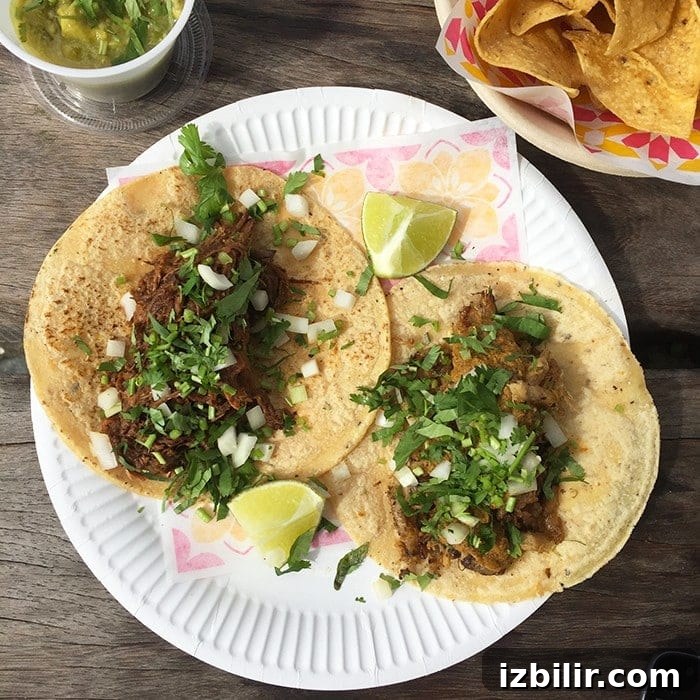
Hija de Sanchez Taquería: For a taco craving, we found this popular stand in the outdoor section of Torvehallerne. Fresh, authentic tacos hit the spot.
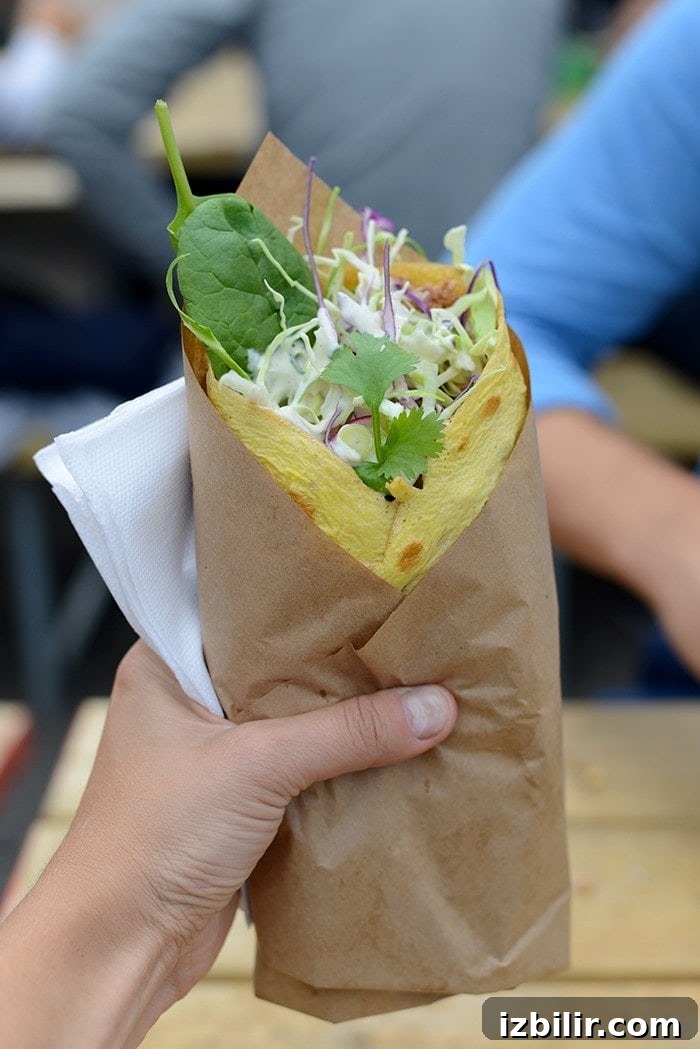
Brass (Paper Island): At Paper Island I had a unique gluten-free egg wrap filled with braised pork, greens, pickles, and a tahini-yogurt dressing. It was flavorful, satisfying, and a creative street-food option.
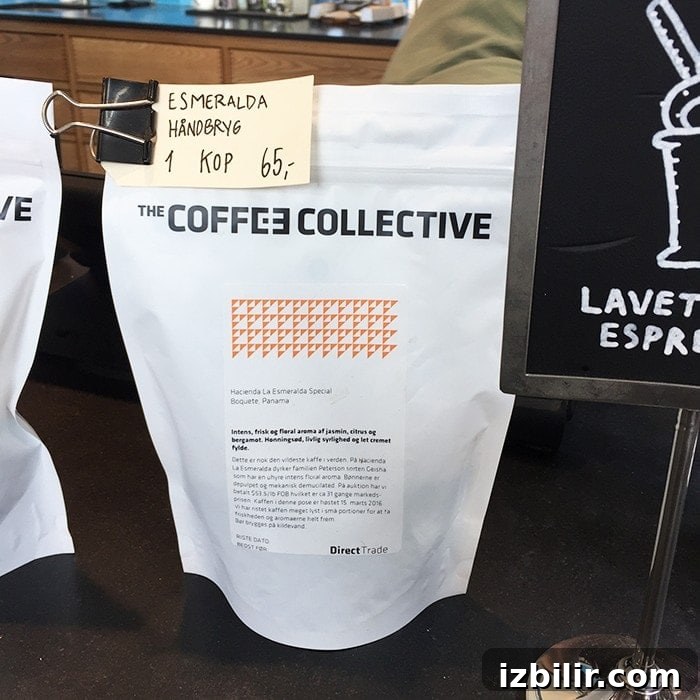
Coffee Collective: A local coffee chain we visited several times. Great coffee and a relaxed atmosphere—recommended for a reliable cup.
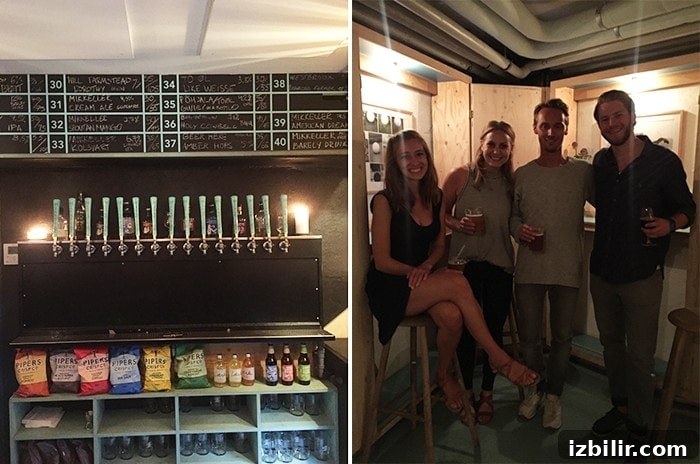
Mikkeller Brewery: A microbrewery in Nørrebro with an impressive selection—over 50 beers on tap. Beer prices were higher than in the U.S. but still reasonable compared to Norway. It was fun to sample local brews and enjoy the neighborhood vibe.
Overall, Copenhagen felt trendy, health-conscious, and design-focused. The abundance of organic cafés, active outdoor culture, and minimal Scandinavian architecture made it inspiring. If we could replan, we would shorten Copenhagen by a day and lengthen our stay in Iceland—most Copenhagen highlights are centrally located and easily covered in two days. That said, if you appreciate great food, thoughtful design, and a compact, walkable city, Copenhagen should be on your itinerary.