
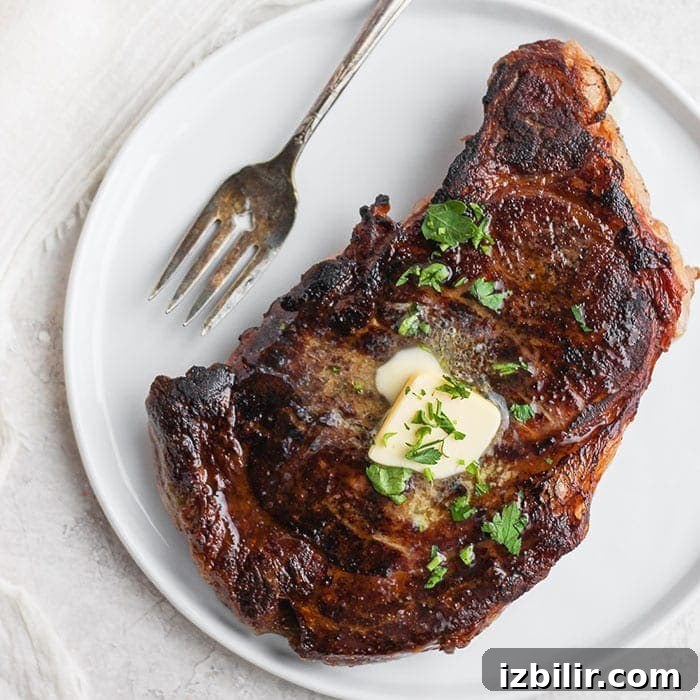
Since I learned to cook steak sous vide, it has become the only method I use at home. The precision of the water bath delivers consistently tender, evenly cooked meat—ideal for anyone who prefers a true medium-rare every time. With just a few simple steps you can reproduce restaurant-quality steak in your kitchen.
Sous vide cooking began in professional kitchens but is now easy to do at home with an immersion circulator. Seal your steak with butter and herbs, set a precise temperature, and let the water bath do the work. The result is a steak that’s edge-to-edge evenly cooked, juicy, and ready for a quick finish for a beautiful crust.
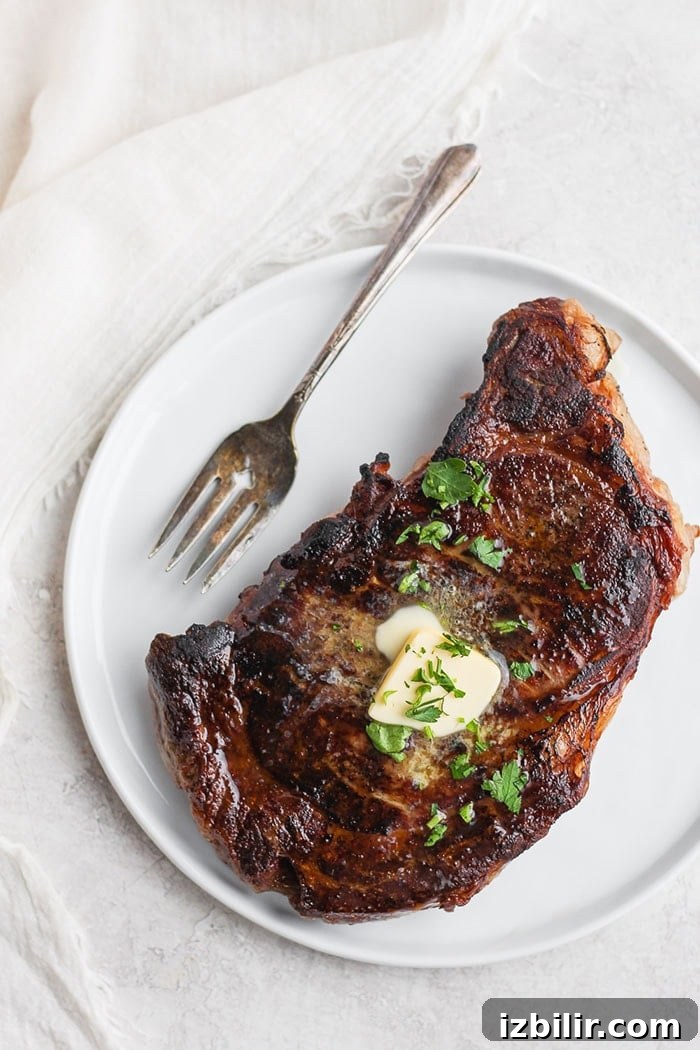
Why Sous Vide?
Sous vide steak is cooked in a precisely controlled water bath at a low temperature for a set time. The steak is sealed in a bag with butter and herbs, then gently heated so the interior reaches and holds the exact temperature you select. Key benefits:
- Even doneness: The steak cooks uniformly from edge to edge with no overcooked edges or underdone centers.
- Precise control: You set the exact temperature for your preferred doneness—no guesswork. For medium-rare I typically set 125–128°F and then sear to bring the surface up a few degrees.
- Consistent restaurant-quality results: The technique produces reliable, tender steaks every time, whether you’re cooking a New York strip or a ribeye.
Pro tip
You can use sous vide for much more than steak. Try it for chicken, pork, salmon, eggs, and even ribs to get consistent results.
How to Cook Perfect Sous Vide Steak
Cooking sous vide is straightforward: prepare, season, cook precisely, then finish with a high-heat sear for flavor and texture. Follow these steps:
- Set up the water bath: Fill a large container or pot with water, attach your immersion circulator, and set the temperature for your desired doneness (see the temperature guide below).
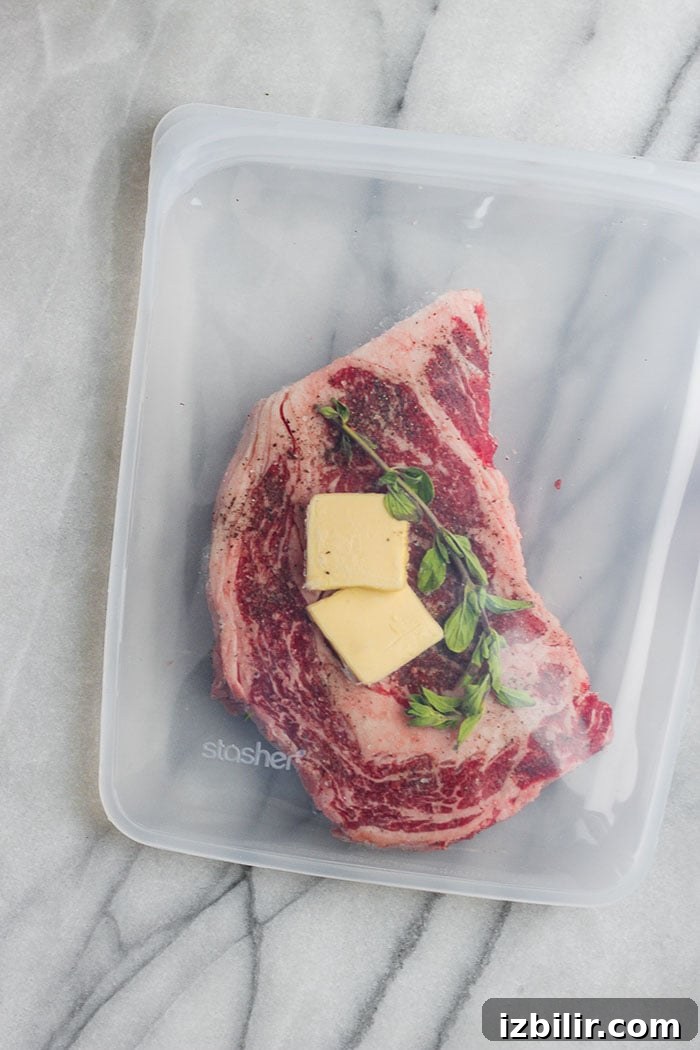
- Season and bag the steak: Generously season with coarse salt and black pepper. Place each steak in its own vacuum-seal or heavy-duty zip-top bag with a tablespoon of butter and a sprig of rosemary or thyme. Remove as much air as possible so the bag stays submerged.
- Cook: Submerge the sealed steak in the water bath and cook for 2–4 hours. Two hours is perfect for a standard medium-rare, while up to four hours yields extra tenderness without overcooking the steak.
- Sear for flavor: Remove the steak from the bag, discard the juices, and pat the meat dry. Heat a cast-iron skillet over medium-high heat with a little olive oil or butter. Sear the steak about 1 minute per side until a golden crust forms. Baste with butter and fresh herbs while searing for extra richness.
- Rest and serve: Let the steak rest for about 5 minutes, then slice and serve with your preferred sauce or sides.
To Sear or Not to Sear?
Technically you can eat steak straight from the sous vide bath, but a quick sear adds essential flavor and a pleasing crust. You can sear in a hot skillet or over very high heat on the grill and baste with butter for added richness.
Searing Methods
- Stovetop: Use a hot cast-iron skillet with a little oil or butter. Sear 1 minute per side, then rest. Basting with butter and herbs during the sear enhances flavor.
- Grill: Preheat to very high heat (around 450°F) and sear each side for about a minute over direct heat. Rest and serve.
Temperature & Doneness Guide
Sous vide delivers precise results. If you plan to sear after cooking, set the sous vide a few degrees below your final target since the sear will raise the internal temperature slightly. Typical pre-sear temperatures:
- Rare: 120–129°F
- Medium-Rare: 130–134°F
- Medium: 135–144°F
- Medium-Well: 145–155°F
- Well-Done: 156°F and up
Pro tip
Use a reliable instant-read thermometer to verify final temperature when you want extra precision. Aim to remove the steak from the bath at a few degrees below your target if you will be searing.
Best Cuts of Steak to Use
Most cuts work well with sous vide as long as the steak is at least 1 inch thick. Thicker steaks require a bit more time to reach temperature and reward you with added tenderness. Favorites for sous vide:
- New York Strip: A personal favorite—lean, tender, and ideal for medium-rare.
- Ribeye: Rich and well-marbled for robust flavor.
- T-Bone & Porterhouse: Great for impressive dinners; ensure even thickness for consistent cooking.
- Skirt or Flank: Leaner cuts benefit from the gentle sous vide process—slice against the grain for best texture.
Key Ingredients
Keep ingredients simple and high quality:
- Steak: At least 1 inch thick; New York strip works beautifully.
- Coarse sea salt & black pepper: Season before the bath for best flavor.
- Fresh herbs: Rosemary, thyme, or oregano to infuse subtle aroma.
- Butter: A tablespoon per steak in the bag melts and enriches the meat.
- Olive oil: For searing; you can also use butter for finish.
Equipment Needed
A few tools make the process easy and reliable:
- Immersion circulator: Heats and maintains water at the exact temperature.
- Container or pot: Large enough to fully submerge the bagged steak.
- Cooking bags: Vacuum-seal bags, FoodSaver bags, or heavy-duty zip-top bags with most air removed.
- Cast-iron skillet or grill: For a hot, quick sear to finish.
- Instant-read thermometer: Useful for checking final temperature and ensuring consistency.
More Sous Vide Ideas
- 24-hour sous vide ribs for fall-off-the-bone tenderness
- Cheesy sous vide egg bites for a rich breakfast
- Sous vide chicken breast for perfectly juicy poultry
- Sous vide pork tenderloin for a tender, consistent roast
- Sous vide salmon for silky, evenly cooked fish
Can You Sous Vide Steak From Frozen?
Yes. You can cook steak straight from the freezer without thawing. Add roughly 30–60 minutes of extra cooking time depending on thickness. The gentle sous vide process brings the steak slowly to the target temperature while preserving moisture and texture. Finish by searing as you would a fresh steak.
Storage & Reheating
Cool cooked steak slightly, then wrap tightly or place in an airtight container and refrigerate for up to 3–4 days.
To reheat without compromising texture, use a warm water bath (120–130°F) for 5–15 minutes depending on thickness. Alternatively, reheat gently in a low oven (about 250°F) or in a skillet over low heat, then quickly sear to refresh the crust. Avoid microwaving, which can dry the meat.
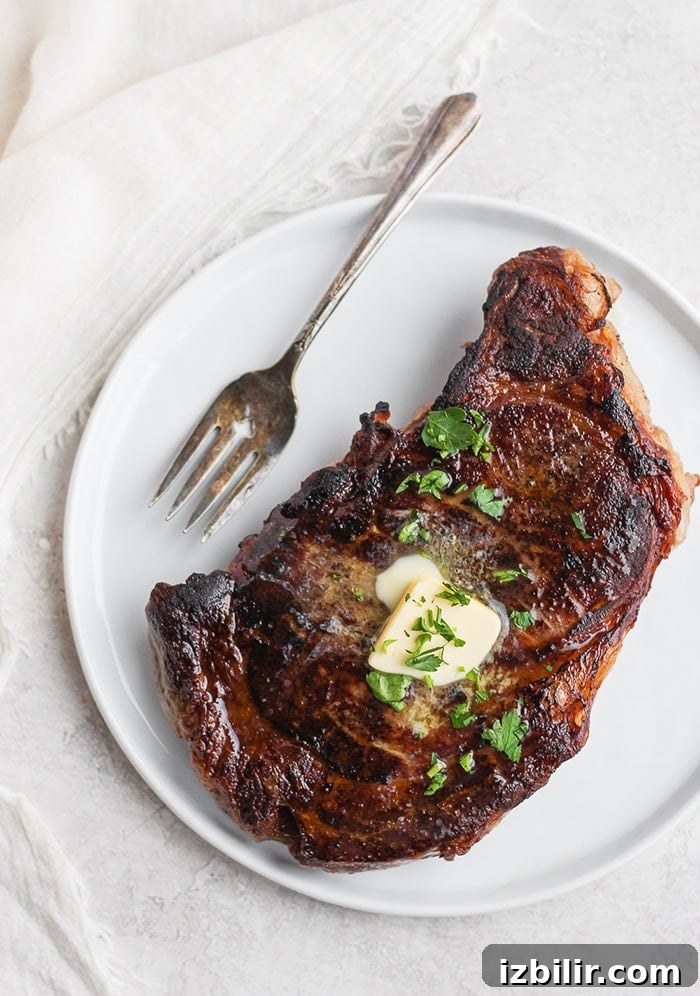
Best Sides to Serve
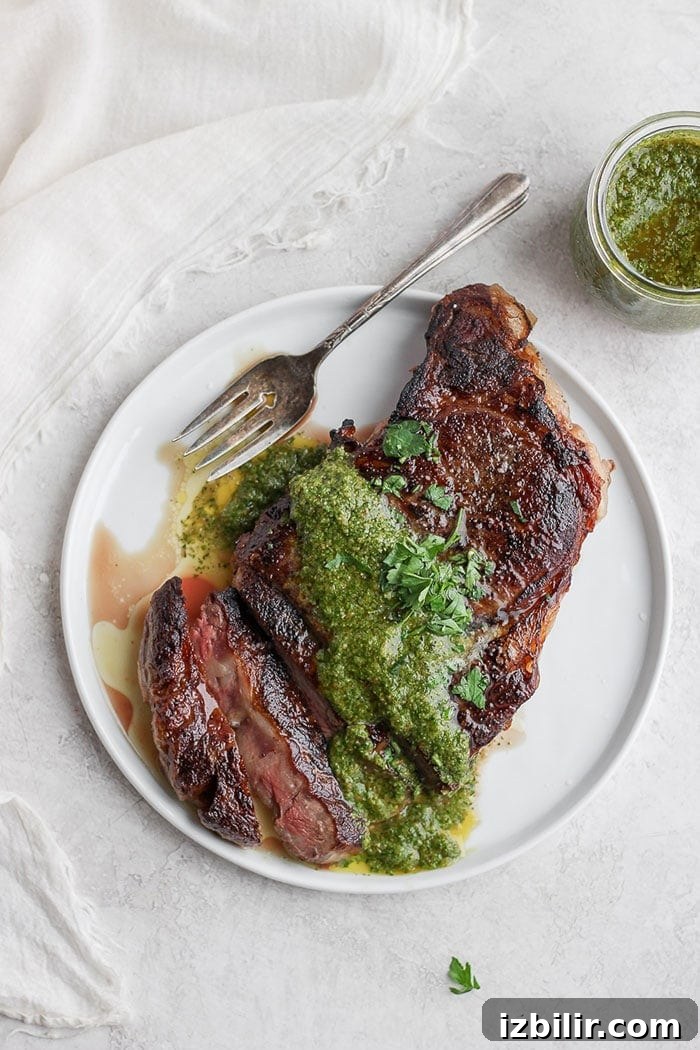
Sous vide steak pairs beautifully with bright or creamy sides. Popular choices include chimichurri, simple green salads, mashed potatoes, roasted asparagus, and roasted Brussels sprouts. These sides balance the richness of the steak and make the meal feel special.
FAQs
Can you overcook steak with sous vide?
Because the water bath holds a constant temperature, the steak won’t continue cooking past that temperature while in the bath. However, extended cook times beyond about 4 hours can break down connective tissue too far, altering texture.
What are the pros and cons of sous vide steak?
Pros: reliably even doneness, tender, juicy results and forgiving timing. Cons: it requires an immersion circulator and takes longer than a quick grill or pan-sear, though active effort is minimal.
Which containers work best?
A large pot is common, but a deep plastic container, small cooler, or even a sink can work—anything that allows full submersion and circulation of the water.
Common mistakes to avoid:
- Not removing enough air from the bag—air can cause floating and uneven heat transfer.
- Skipping the sear—without it you miss the flavorful crust.
- Ignoring thickness differences—adjust time for thinner or thicker cuts.
Recipe: Sous Vide Steak
Sous vide steak yields perfect edge-to-edge doneness. Prepare the bath, seal the steaks, cook at your chosen temperature for 2–4 hours, then finish with a hot sear.
Ingredients (Serves 4)
- 1 lb New York strip steaks (or larger cuts—adjust quantity as needed)
- 1/2 teaspoon coarse sea salt
- 1/2 teaspoon coarse black pepper
- 2 herb sprigs (rosemary, thyme, or oregano)
- 2 tablespoons butter (about 1 Tbsp per steak)
- 2 tablespoons olive oil (for searing)
Instructions
- Fill a large pot or container with water deep enough to reach the water line on your circulator. Attach and set your sous vide to the desired temperature (125–128°F for medium-rare).
- Season both sides of each steak with coarse salt and black pepper. Place each steak in its own bag with 1 tablespoon of butter and a herb sprig.
- Remove as much air as possible and seal the bags. Submerge in the preheated water bath and cook for 2–4 hours.
- When the time is up, remove steaks from the bath, discard bag juices, and pat steaks dry with paper towels.
- Heat a cast-iron skillet over medium-high heat. Add olive oil, then sear steaks about 1 minute per side until golden and caramelized. Baste with butter and herbs if desired.
- Rest steaks 5 minutes, slice, and serve with chimichurri or your favorite sides.
Tips & Notes
- Any steak at least 1 inch thick works well.
- Temperature mini-guide (pre-sear): Rare 120–129°F; Medium-rare 130–134°F; Medium 135–144°F; Medium-well 145–155°F; Well-done 156°F+
- For a grill finish, preheat to ~450°F and sear each side for about 1 minute.
- Marinades can be added before sealing to boost flavor—olive oil, fresh herbs, garlic, and a touch of acid work well.
Nutrition (approx. per serving)
- Calories: 739 kcal
- Protein: 58 g
- Fat: 55 g
- Carbohydrates: 1 g
Nutrition information is approximate and should be used only as a guideline.