
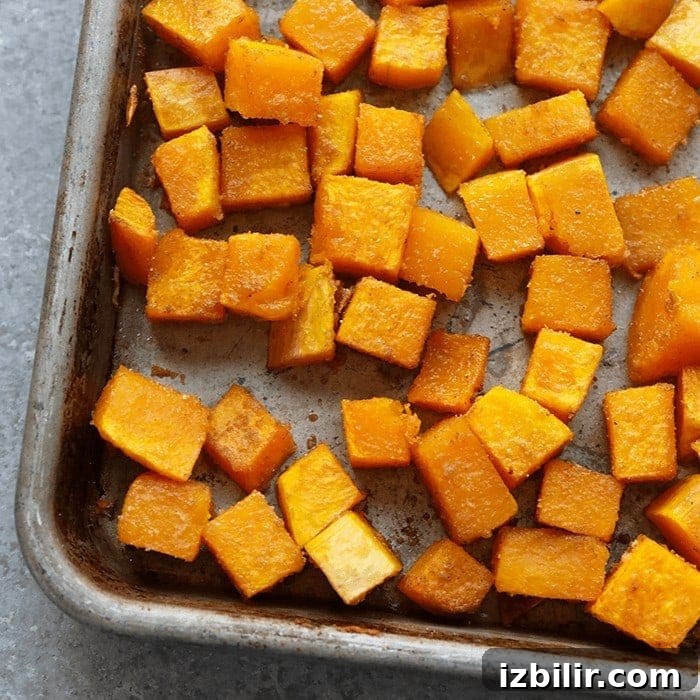
Cooking butternut squash is simple and rewarding. With just a few straightforward steps—peel, cube, toss with oil and seasoning, and roast—you get tender, slightly caramelized squash that works as a side, salad topper, or ingredient in soups and pasta. This guide walks you through the easiest oven method, provides seasoning ideas, storage tips, and serving suggestions so you can make the most of this versatile fall vegetable.
What You Need to Cook Butternut Squash
Roasted butternut squash requires very little equipment and just a few pantry ingredients. At a minimum you’ll need:
- 1 large butternut squash
- 2–4 tablespoons olive oil
- Salt and freshly ground black pepper
- A sharp knife, a sturdy cutting board, and a baking sheet lined with parchment paper or foil
What Does Butternut Squash Taste Like?
Butternut squash has a soft, creamy texture when roasted—similar to a roasted sweet potato but generally a little more tender. Its flavor is mildly sweet with nutty, earthy undertones that pair beautifully with warm spices like cinnamon and savory herbs like thyme or rosemary.
Roasted Butternut Squash Variations
One of the joys of roasted squash is how well it adapts to different flavor profiles. Try any of these variations when seasoning the cubed squash before roasting:
- Cumin and cinnamon for a warm, slightly smoky-sweet combination
- Homemade fajita or chili seasoning for a spiced, savory finish
- Everything bagel seasoning or garlic and herb blends for a savory snack or salad topper
- A pinch of cayenne for heat, or pumpkin pie spice for dessert-like warmth
FAQ
No—halving and roasting the squash whole is possible and works well for some recipes. However, cubing the squash lets it roast faster and gives more surface area to caramelize, which enhances flavor and texture.
How big should the squash cubes be?
About 1-inch cubes are ideal. Uniform pieces ensure even cooking; smaller cubes will roast faster and crisp more, larger ones will stay softer.
How do you know when butternut squash is done?
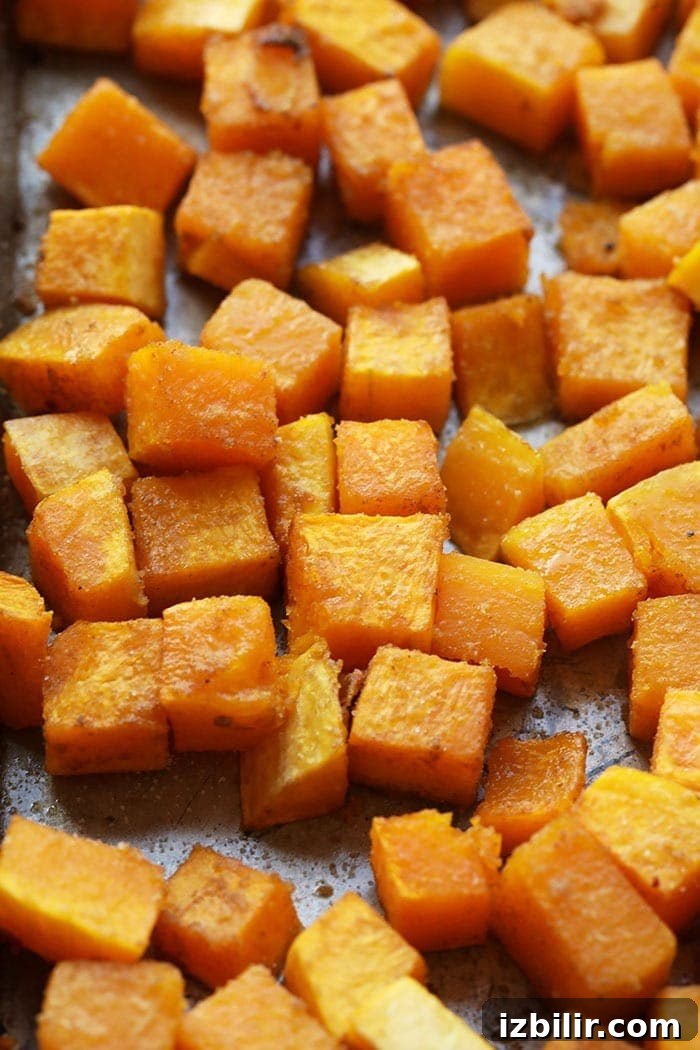
Roasted squash is done when a fork slides in easily and the edges are golden and slightly crisp. Cook time will vary with cube size and oven, but check for fork tenderness after about 20–25 minutes.
Can you use frozen butternut squash cubes?
Frozen cubes are convenient, but they tend to become softer and less crisp when roasted. They work best in soups or purees; for the best roasted texture, use fresh squash or thawed, well-drained pieces.
How to Cook Butternut Squash in the Oven
This simple oven-roasting method yields tender, caramelized butternut squash in about 25–30 minutes of baking time. Prep time is quick—around 15–20 minutes—especially once you get comfortable peeling and cutting the squash.
Ingredients
- 1 large butternut squash (yields roughly 4 cups cubed)
- 2–4 tablespoons olive oil
- Salt and pepper, to taste
- Optional: 1 teaspoon ground cumin, 1/2 teaspoon cinnamon, or other spices from the variations above
Instructions
- Preheat the oven to 400°F (204°C). Line a baking sheet with parchment paper or foil, or lightly grease the sheet.
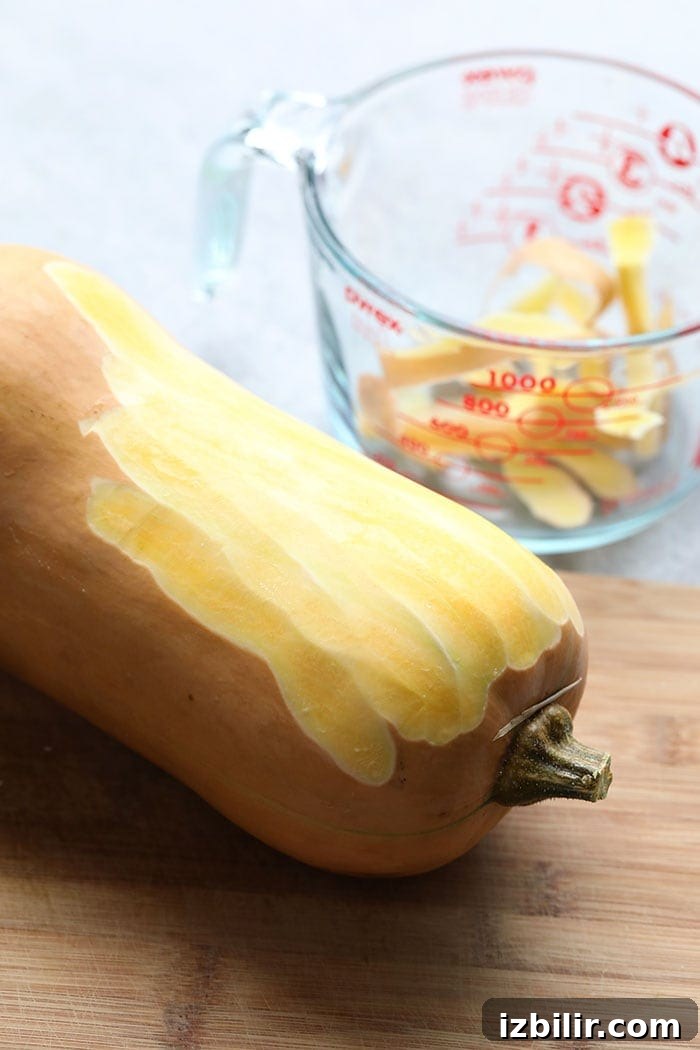
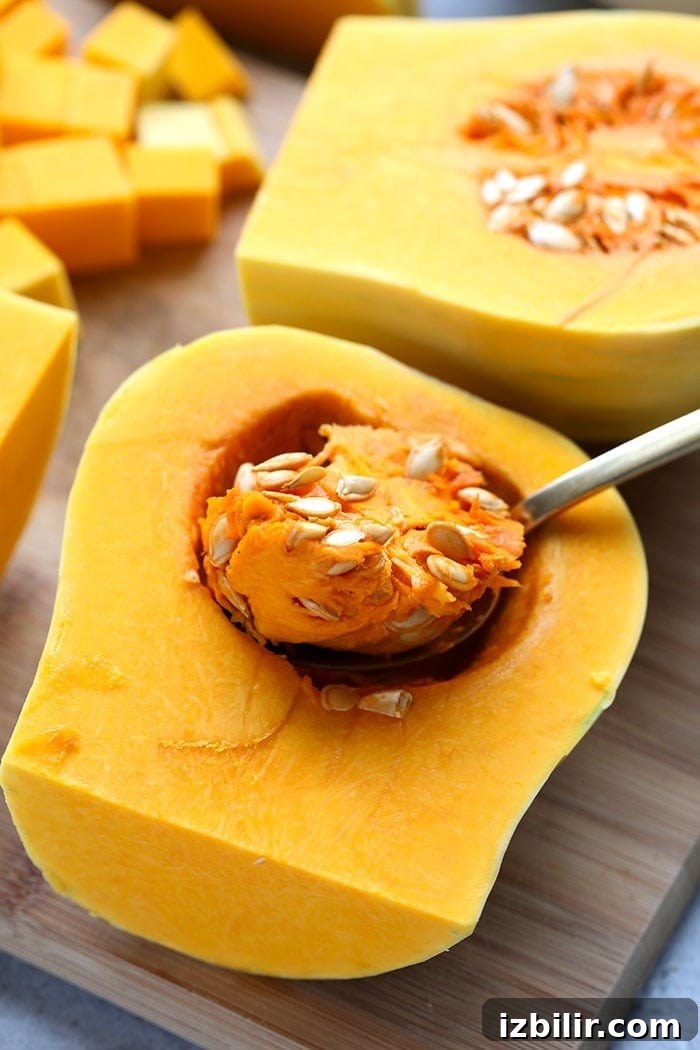
- Peel the squash with a vegetable peeler. Place the peeled squash on a cutting board and slice it in half lengthwise. Use a spoon to scoop out seeds and strings.
- Cut the squash into roughly 1-inch cubes. Try to keep pieces uniform so they roast evenly.
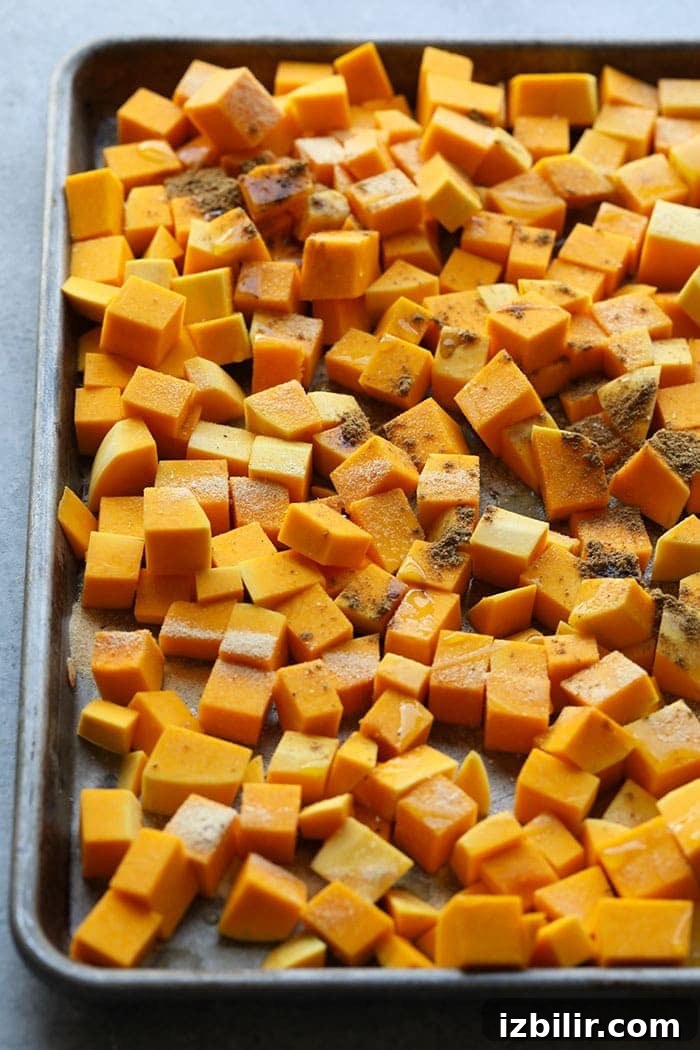
- Place the cubes in a bowl or directly on the baking sheet. Drizzle with olive oil, season with salt and pepper, and add any optional spices. Use your hands or a spatula to coat the cubes evenly.
- Spread the cubes out in a single layer with space between pieces so they roast rather than steam.
- Bake for 25–30 minutes, tossing once halfway through, until the squash is fork-tender and the edges are browned and caramelized.
Storing Roasted Butternut Squash
Allow roasted squash to cool completely, then transfer to an airtight container and refrigerate for up to 5 days. Reheat gently in the oven or skillet for best texture, or enjoy cold in salads. Freezing roasted squash is not recommended, as its texture can become grainy after thawing and reheating.
Make Ahead
You can cube raw butternut squash and store it in an airtight container in the fridge for up to 2 days before roasting. This saves prep time on busy days—simply toss with oil and seasonings and bake when ready.
Serving Suggestions
Roasted butternut squash is versatile. Try it in any of the following ways:
- Mash into a creamy soup or use as the base for a squash bisque.
- Add to grain bowls with wild rice, farro, or quinoa and a tangy vinaigrette.
- Layer into vegetarian lasagna with ricotta and mushrooms.
- Stir into mac and cheese for a naturally sweet, silky sauce.
- Toss into salads or serve alongside roasted Brussels sprouts and other autumn vegetables.
Tips & Notes
- Storage: After cooling, keep roasted squash in an airtight container in the refrigerator for up to 5 days.
- Make ahead: Raw, cubed squash can be stored up to 2 days before roasting.
- Yield: One large butternut squash yields about 4 cups of cubes.
- Time-savers: If short on time, buy pre-cut squash from the store, then toss with oil and seasoning and roast.
Nutrition (per serving)
Nutrition information is an approximation:
- Calories: 153 kcal
- Carbohydrates: 16 g
- Protein: 1 g
- Fat: 10 g
- Fiber: 3 g
- Sugar: 3 g
If you enjoy this method, experiment with different spice combinations and herbs to match the flavors of the dishes you plan to serve. Roasted butternut squash is a simple, nutritious component that enhances many meals and can be adapted to sweet or savory preparations.