
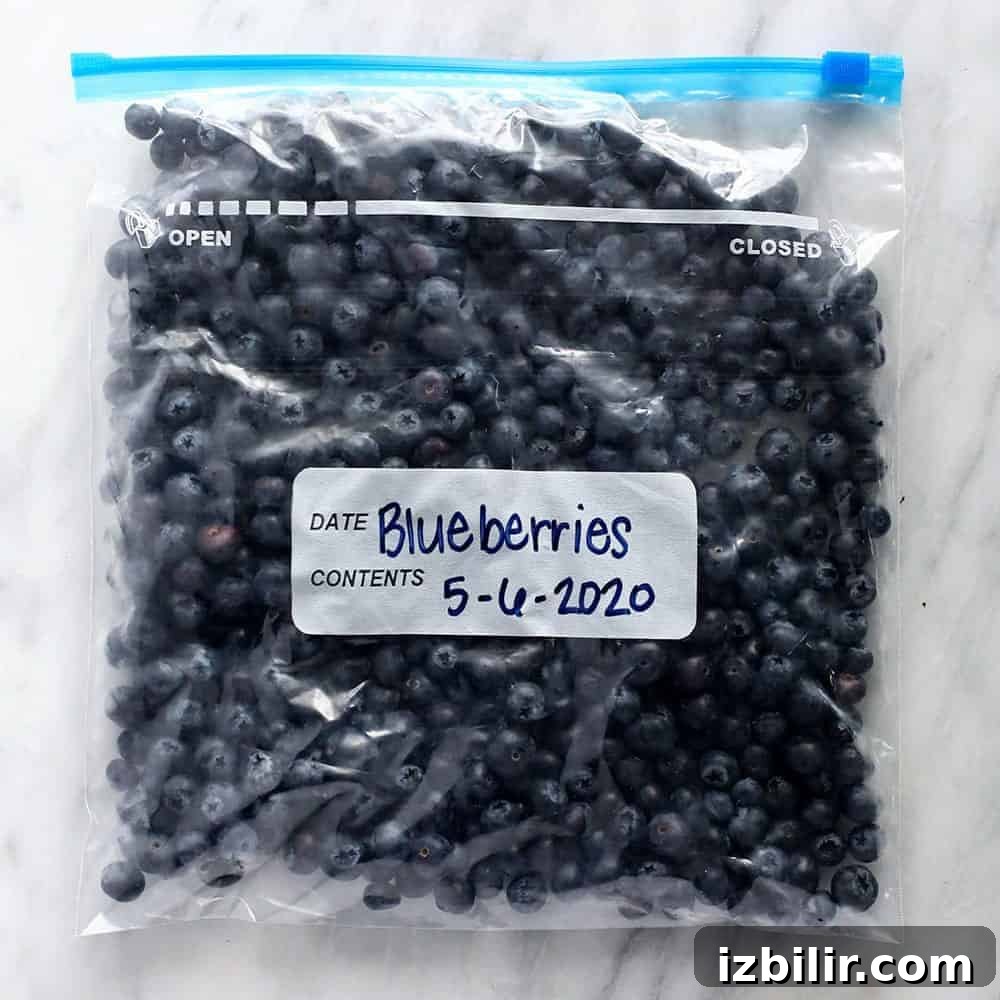
Wondering how to freeze blueberries? Freezing fresh blueberries is quick and easy, and it keeps them on hand for smoothies, baking, and desserts. Whether you scored a great deal at the market or harvested berries from your own bush, this simple guide shows you how to freeze blueberries, how to thaw them, and tasty ways to use them.
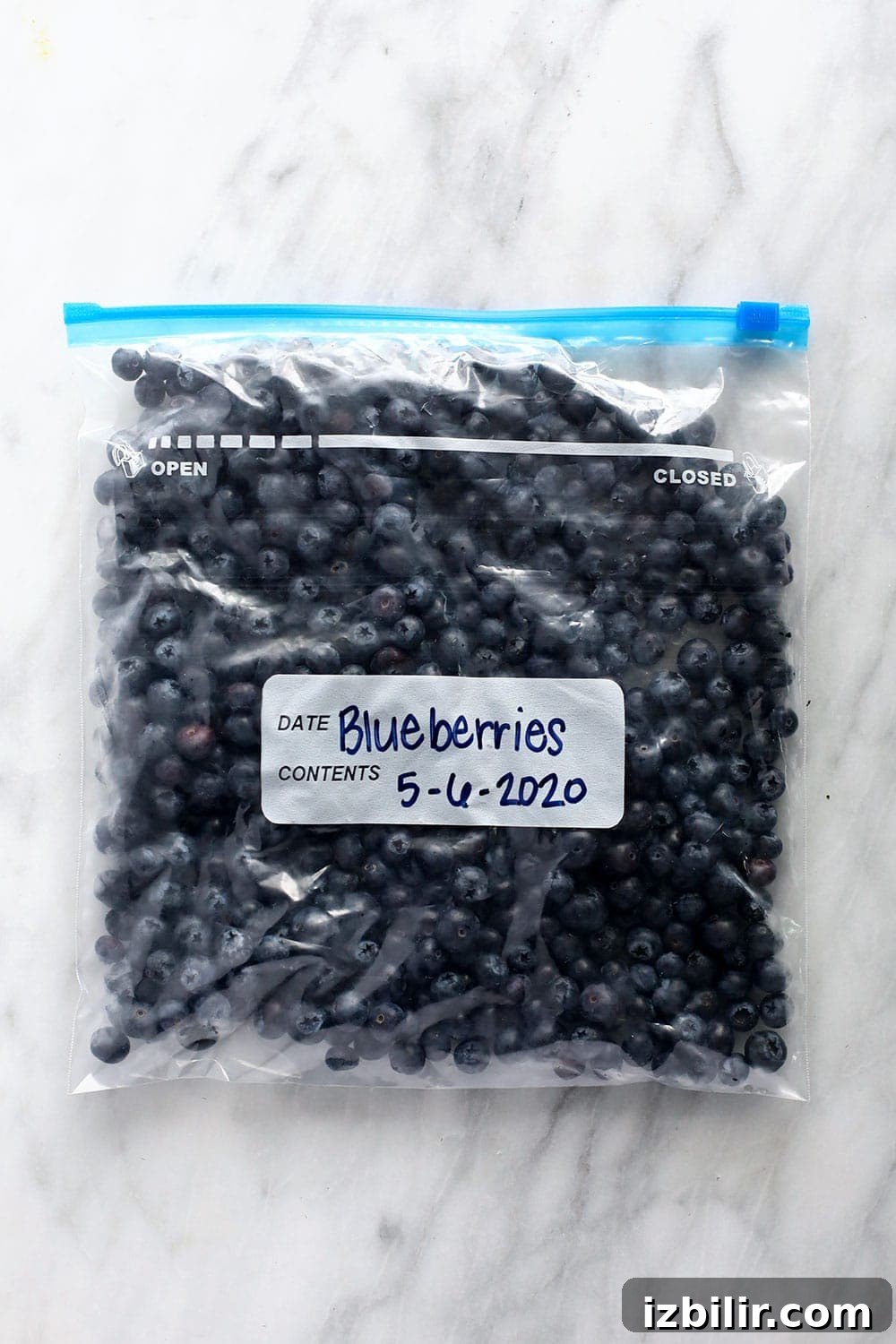
Freezing blueberries at home gives you better flavor and value than most pre-frozen options. Once frozen, berries are ready to drop into smoothies, fold into muffins, or top pancakes. Follow the steps below for best results and long-lasting frozen berries.
Why you should freeze your blueberries
Freezing fresh blueberries preserves their flavor and nutrients and gives you convenient access to them year-round. Here are the main reasons to freeze blueberries:
- Save money: Buy blueberries when prices are low—often during summer—and freeze them to enjoy later.
- Always available: Keep a stash in the freezer for quick smoothies, baking, or a healthy snack when fresh fruit is out of season.
- Less waste: Freeze extras before they become overly ripe so you reduce food waste and get more use from your purchase or harvest.
Kitchen tools for freezing blueberries
Gather a few simple items before you start:
- Baking sheet (rimmed, at least 1/2-inch lip)
- Parchment paper or a paper towel for drying
- Strainer for rinsing
- Gallon-size freezer bags or freezer-safe containers (Ziploc, Stasher, or plastic/glass meal-prep containers)
How to freeze blueberries (step by step)
STEP 1: Prepare a baking sheet
Line a rimmed baking sheet with parchment paper or leave it bare, ensuring it has at least a 1/2-inch lip so berries don’t spill. Freezing the berries flat on a sheet keeps them from clumping together.
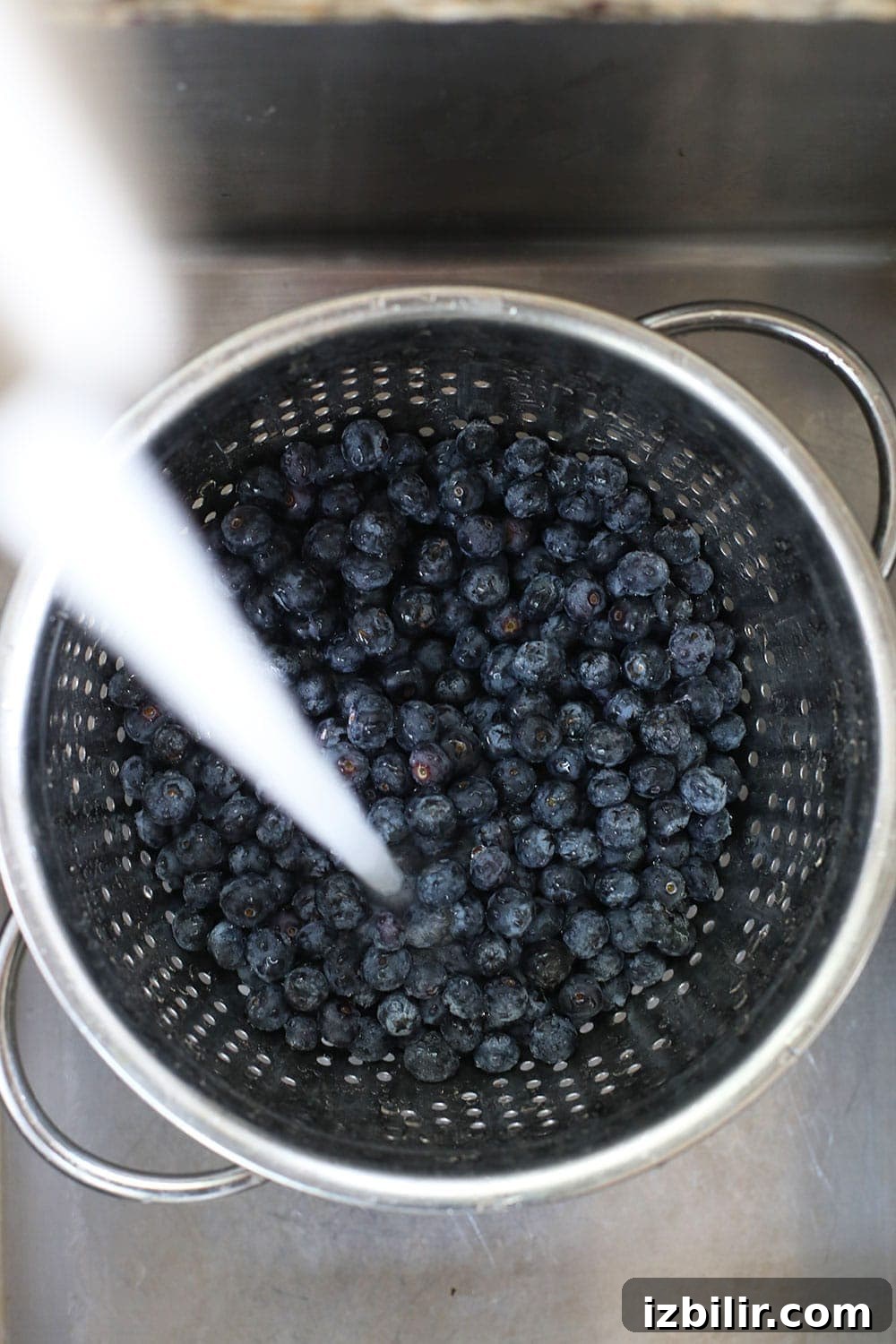
STEP 2: Rinse and inspect the blueberries
Place blueberries in a strainer and rinse with cold water to remove dirt. Check for and remove stems, leaves, or any overly soft or damaged berries. Washing first is important for cleanliness before freezing.
STEP 3: Dry completely
Spread the rinsed berries on paper towels or a clean kitchen towel and pat them dry. Let them air-dry until fully dry—any excess water can lead to freezer burn or make the berries stick together.
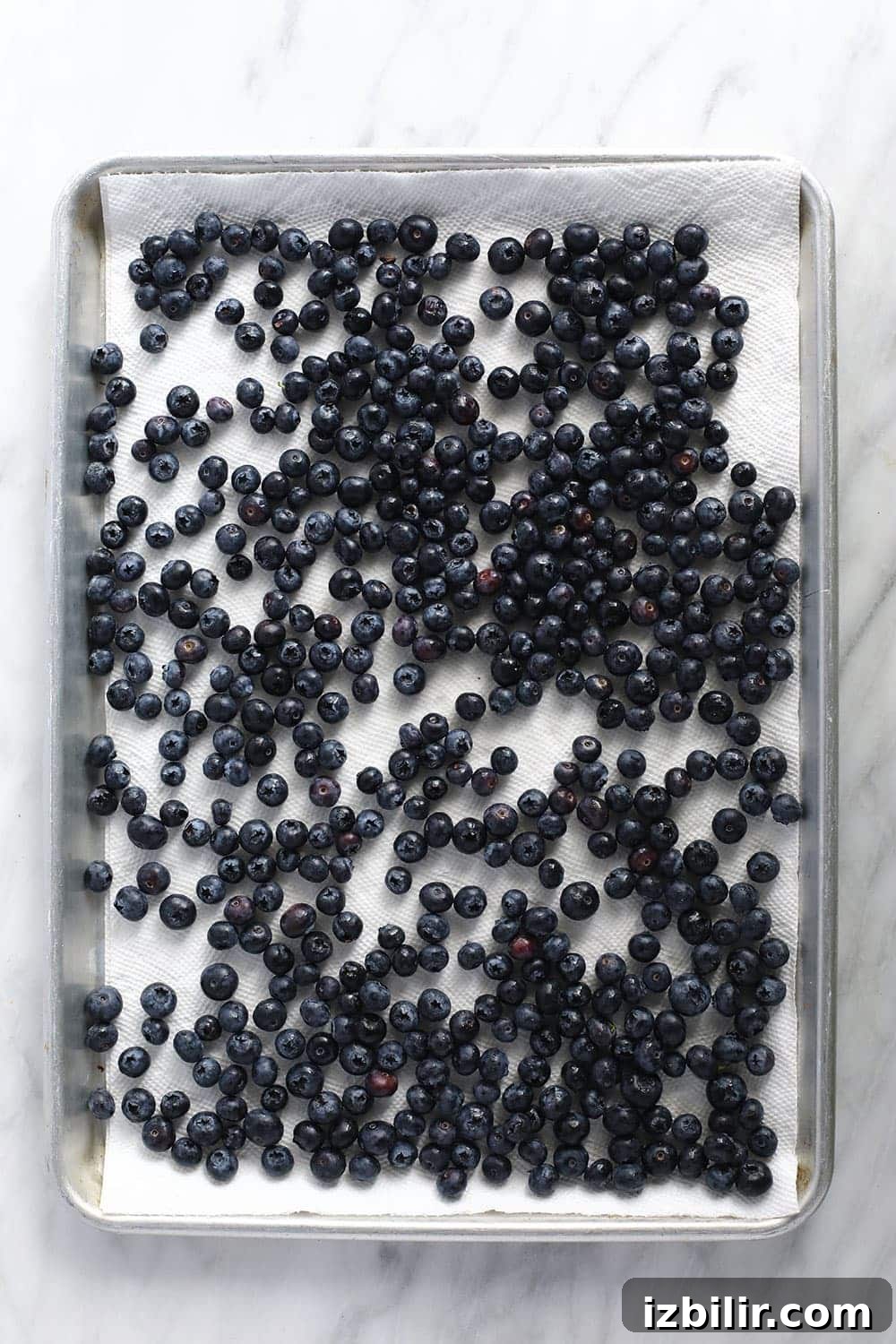
STEP 4: Flash-freeze on the baking sheet
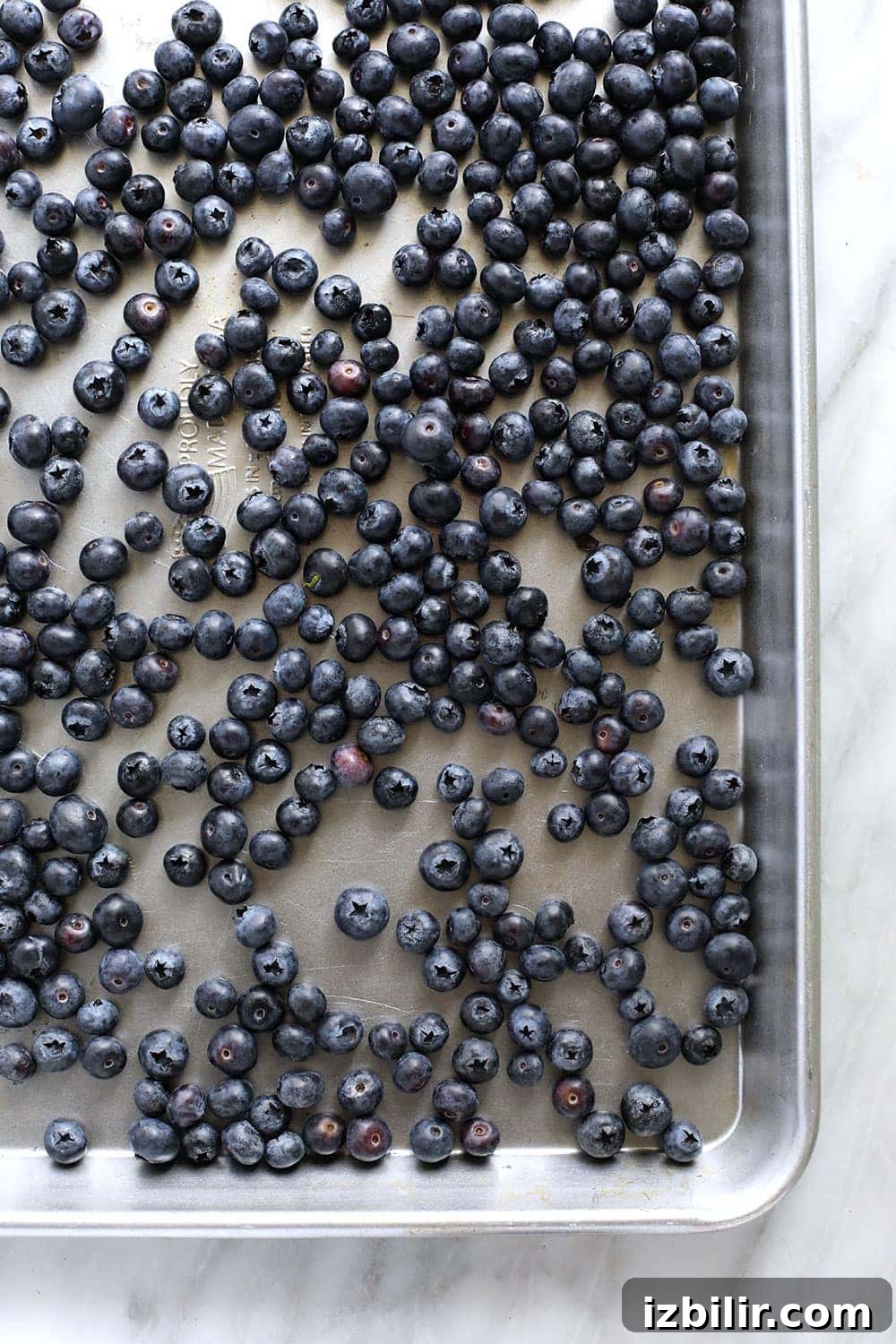
Spread the completely dry blueberries in a single layer across the baking sheet, spacing them so they are not touching. Place the sheet in the freezer and freeze for 30–60 minutes or until the berries are firm and fully frozen. Smaller berries usually freeze faster than larger berries.
STEP 5: Transfer to freezer-safe containers
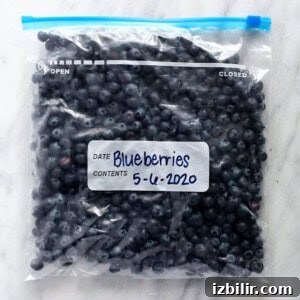
Once frozen solid, transfer the berries into airtight freezer bags or containers. Remove as much air as possible from bags before sealing. Label bags with the date. Store in the freezer for best quality for up to 3 months—berries may remain safe longer but can lose texture and flavor over time.
How to thaw frozen blueberries
Thawing frozen blueberries is easy. Here are a few methods depending on how you plan to use them:
- Remove the desired amount from the freezer.
- For gentle thawing, place frozen berries on a paper towel-lined baking sheet or plate and let sit at room temperature for about 30 minutes.
- If you need them faster, run the sealed bag under cold water briefly to loosen the frozen berries, then open and separate them.
- Many recipes, such as smoothies, nice cream, or some muffins, accept berries straight from the freezer with no thawing needed.
Note: thawed berries may be softer and release extra juice. If you plan to bake with thawed berries, toss them lightly in a tablespoon of flour or cornstarch to reduce bleeding into batters.
How to use frozen blueberries
Frozen blueberries are versatile. Keep a supply for quick breakfasts, snacks, and desserts. Popular uses include:
- Blueberry crisp: Use frozen berries straight into a crisp or crumble without thawing; add a touch of lemon or a thickener to balance juices.
- Smoothies: Frozen blueberries are perfect for smoothies—blended cold and creamy. They add natural sweetness and color.
- Muffins and quick breads: Fold frozen berries into batter. They can be added without thawing, which helps prevent color bleeding and sinking.
- Banana soft serve / nice cream: Blend frozen bananas and blueberries for a fruity frozen treat.
- Pancakes and waffles: Add berries to batter or scatter them on top while cooking.
- Bars and crusts: Frozen berries work well in crumble bars, tarts, and other baked desserts.
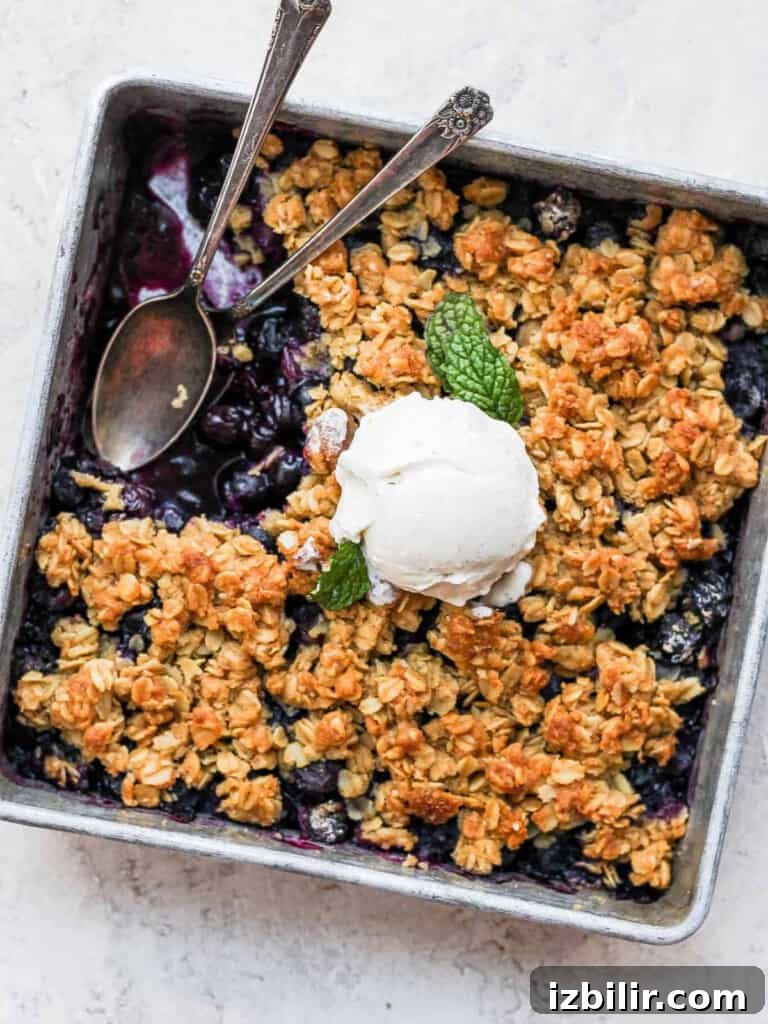
Because frozen blueberries are so convenient, they can inspire many quick meals and treats—try keeping multiple bags labeled for smoothies, baking, and snacking.
More fruit and vegetable freezer tutorials
- How to freeze bananas
- How to freeze avocados
- How to freeze mixed berries
- How to freeze strawberries
How to Freeze Blueberries (Recipe Summary)
A simple method for freezing fresh blueberries so they’re ready for smoothies, baking, and desserts.
By: Lee Funke
Prep: 1 hr (includes drying time)
Cook: 0 mins
Total: 1 hr
Servings: About 4 (varies with pint sizes)
Ingredients
- 1 pint (about 2 cups) fresh blueberries, or more as desired
Instructions
- Line a rimmed baking sheet with parchment paper and prepare your workspace.
- Rinse blueberries under cold water and transfer them to paper towels. Allow them to dry completely.
- Remove any stems, leaves, or overly ripe berries.
- Spread the dry berries in a single layer on the baking sheet so they don’t touch each other.
- Freeze for 30–60 minutes or until the berries are hard and fully frozen.
- Use a spatula to lift frozen berries from the sheet, then transfer them to a freezer-safe bag or container. Remove excess air and seal tightly.
- Label with the date and store in the freezer. Use within about 3 months for best quality.
Tips & Notes
- Freeze as many pints as you like; label and rotate stock so older bags are used first.
- If a recipe calls for thawed berries, allow them to defrost in the refrigerator or on the counter briefly to prevent excess leaking.
- For baking, you can fold frozen berries directly into batters to prevent them from sinking and bleeding.
- Store at a consistent freezer temperature and avoid repeated thawing and refreezing to maintain texture.
Nutrition (per serving estimate)
Calories: 42 kcal · Carbohydrates: 11 g · Protein: 1 g · Fat: 0 g · Fiber: 2 g · Sugar: 7 g
Nutrition information is an approximation and should be used as a guideline.
If you tried this method for how to freeze blueberries, leave a comment or note what you made with your frozen berries. Tag your photos on social media with your favorite hashtag to share your results!