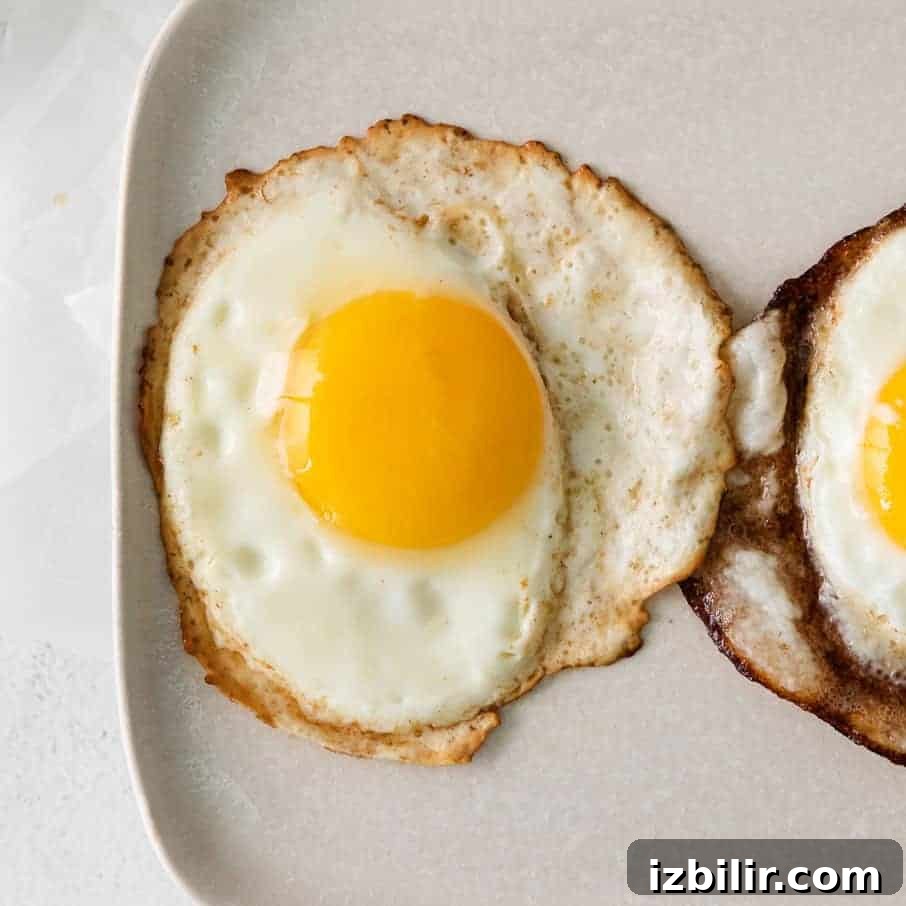
Learn how to fry the perfect egg every time with a few simple techniques. Heat a pan, melt butter or add oil, then crack the egg into the center and cook to your preferred doneness. For an over-easy egg aim for about 2–3 minutes, over-medium about 3–4 minutes, and over-hard 4–5 minutes, flipping briefly if you want the yolk fully set.
We tested different pans, fats, and times to find a reliable method that produces consistent results whether you prefer a runny yolk or a fully set center. Read on for the essentials, variations, and practical tips to make frying eggs fast and enjoyable.
PS: if you’re curious, my favorite is over-medium.
What You Need for Fried Eggs
- Pan: A non-stick skillet is the easiest option. Cast iron and stainless steel also work with the right technique.
- Fat: Butter gives a rich, nutty flavor; oils like avocado or olive give crispier edges.
- Eggs: Use fresh eggs for the best texture and appearance.
- Seasoning: Salt and freshly ground pepper to taste. Optional: a pinch of flaky sea salt or a splash of hot sauce when serving.
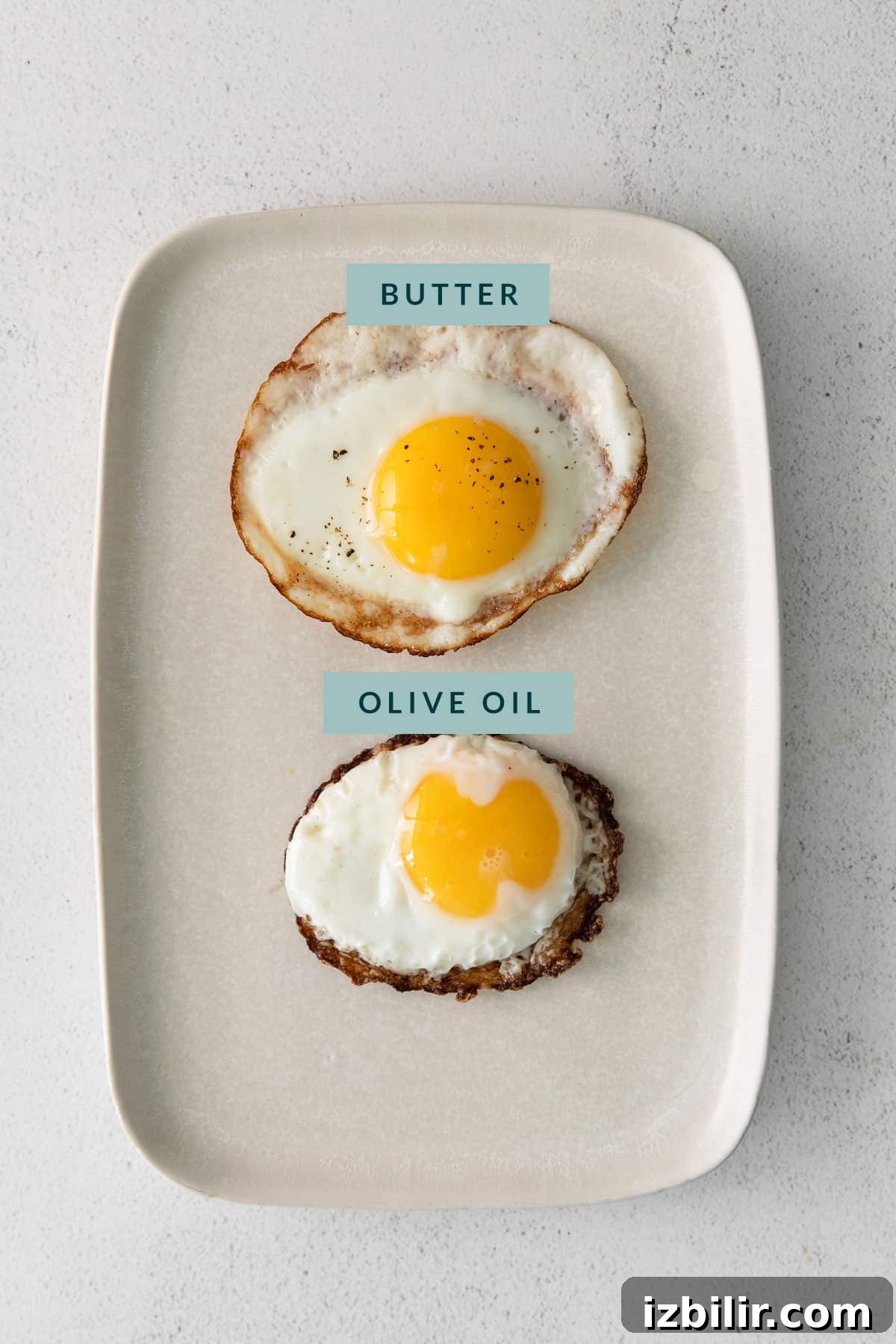
Butter vs. Oil
Choose butter if you want a tender white and rich flavor—cooking over medium to medium-high heat with butter will give you a nicely cooked white without much browning for over-easy or over-medium eggs. Choose oil such as avocado or olive oil if you prefer bubbly, crisp edges on the egg white; the higher smoking point and thinner fat create those golden, lacy edges.
Variations of Fried Eggs
Your preferred yolk texture determines how you cook the egg and whether you flip it. Below are common styles and the approximate times to aim for when cooking over medium heat in a preheated pan.
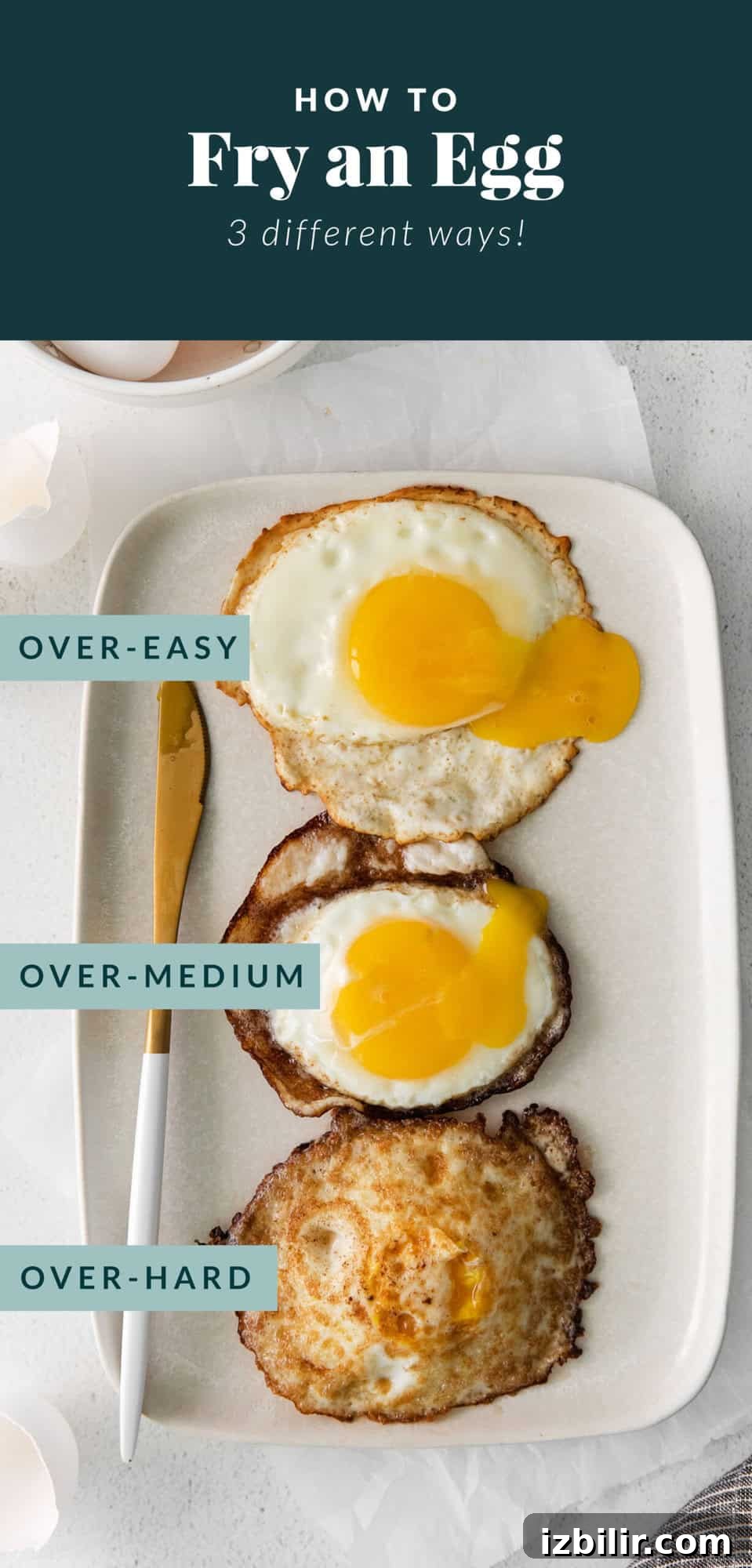
- Over-easy — Cook until the white is just set, about 2–3 minutes. Flip briefly so the top of the yolk firms slightly but remains runny.
- Over-medium — Cook until the white is fully set with no raw areas and the yolk is slightly jammy in the center, about 3–4 minutes.
- Over-hard — Cook until both the white and yolk are fully set, about 4–5 minutes. Flip and cook an additional 20–30 seconds to ensure the yolk is firm.
What Pan + Material Is Best?
A non-stick skillet is the most forgiving choice for frying eggs and makes flipping or sliding eggs out of the pan effortless. Cast iron retains heat and works well if you use ample fat and watch for sticking. Stainless steel can be used successfully but requires more attention to temperature and adequate fat to prevent the egg from bonding to the metal.
Pans You Can Use to Fry an Egg
- Non-stick — Easiest for beginners and quick cleanup.
- Cast iron — Great heat retention; use more fat and moderate heat.
- Stainless steel — Possible to use, but watch hot spots and add enough fat to prevent sticking.
FAQ
For an egg sandwich, cook the egg to your preferred consistency. If you want to avoid a runny yolk that can drip, choose over-hard or cook the yolk slightly longer after flipping so it is less liquid.
How can I fry an egg without oil?
Use a good non-stick pan. Add the egg and then pour 1–2 tablespoons of water into the pan and cover briefly; the steam will cook the top of the egg without oil. This method yields a tender white but not crispy edges.
Can you fry an egg in the oven?
Yes. Lightly oil a rimmed baking sheet or use a lightly greased muffin tin, crack eggs into it, and bake at 325–350°F (160–175°C) for about 10–20 minutes depending on how set you want the yolks. Times vary by oven and dish size.
What pairs well with fried eggs?
Fried eggs are versatile: serve with toast, bacon, breakfast sausage, roasted potatoes or a simple grain bowl. For lunch or dinner, try a fried egg on top of a rice bowl, salad, or alongside steak for a classic steak-and-eggs plate.
Different Ways to Make Eggs
Beyond frying, eggs can be prepared many ways to suit different meals and textures: scrambled, soft- or hard-boiled, poached, baked, or folded into omelettes. Each technique highlights a different egg texture and works well for specific dishes and meal planning.
Storage
Allow fried eggs to cool completely, then store them in an airtight container in the refrigerator for up to 3 days. To reheat, warm gently on low power in the microwave or in a skillet over low heat—brief reheating prevents overcooking the yolk.
Serving Suggestions
Top fried eggs with a few drops of hot sauce or a sprinkle of flaky salt. Serve alongside toast and a side of bacon or sausage, over a breakfast hash, on top of fried rice, or on a toasted sandwich with cheese for a satisfying meal.
Easy Fried Egg Recipe
Prep: 2 mins · Cook: 5 mins · Total: 7 mins · Serves: 2
Ingredients
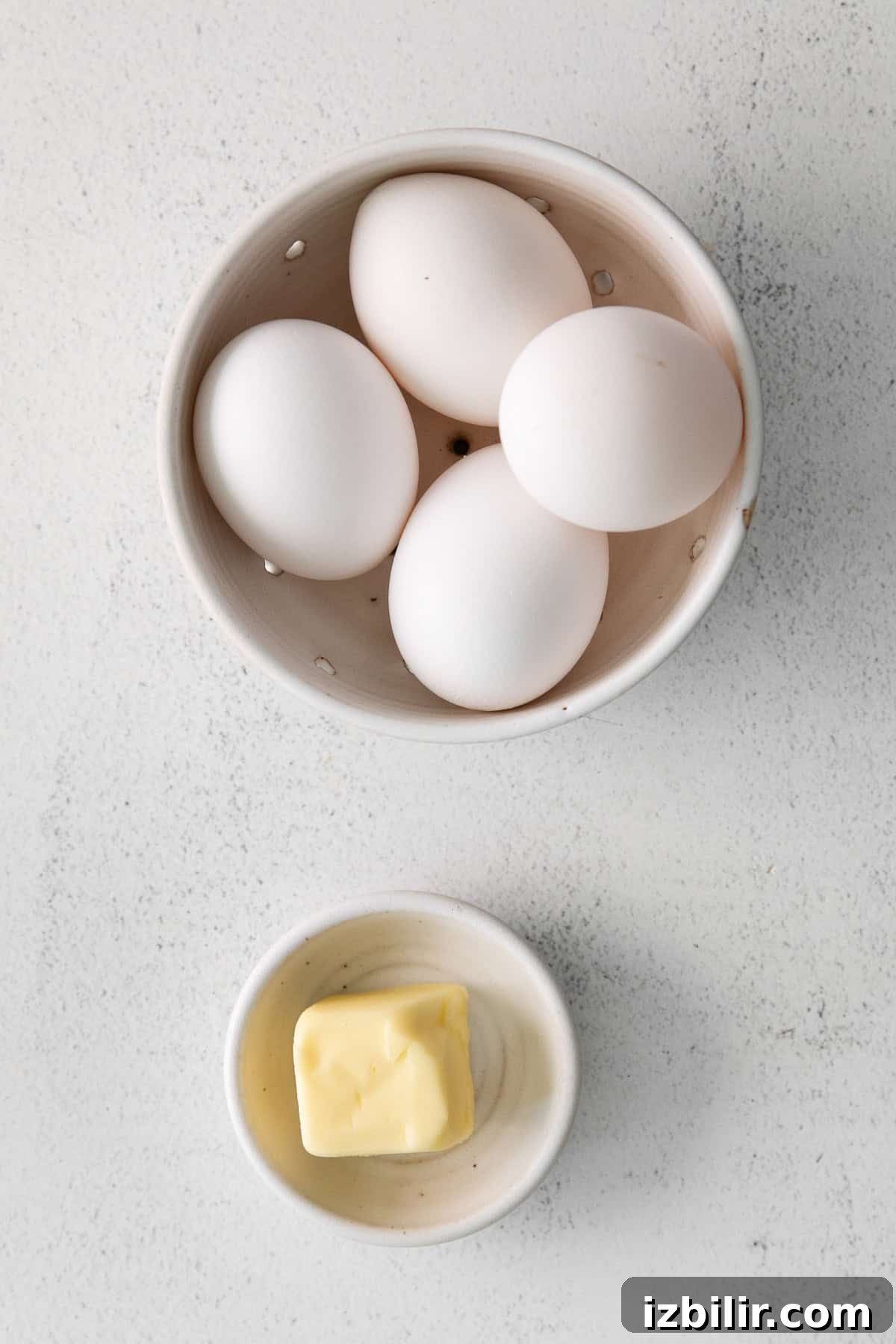
- 4 large eggs
- 2 tablespoons unsalted butter or neutral oil (e.g., avocado or light olive oil)
- Salt and pepper to taste
Instructions
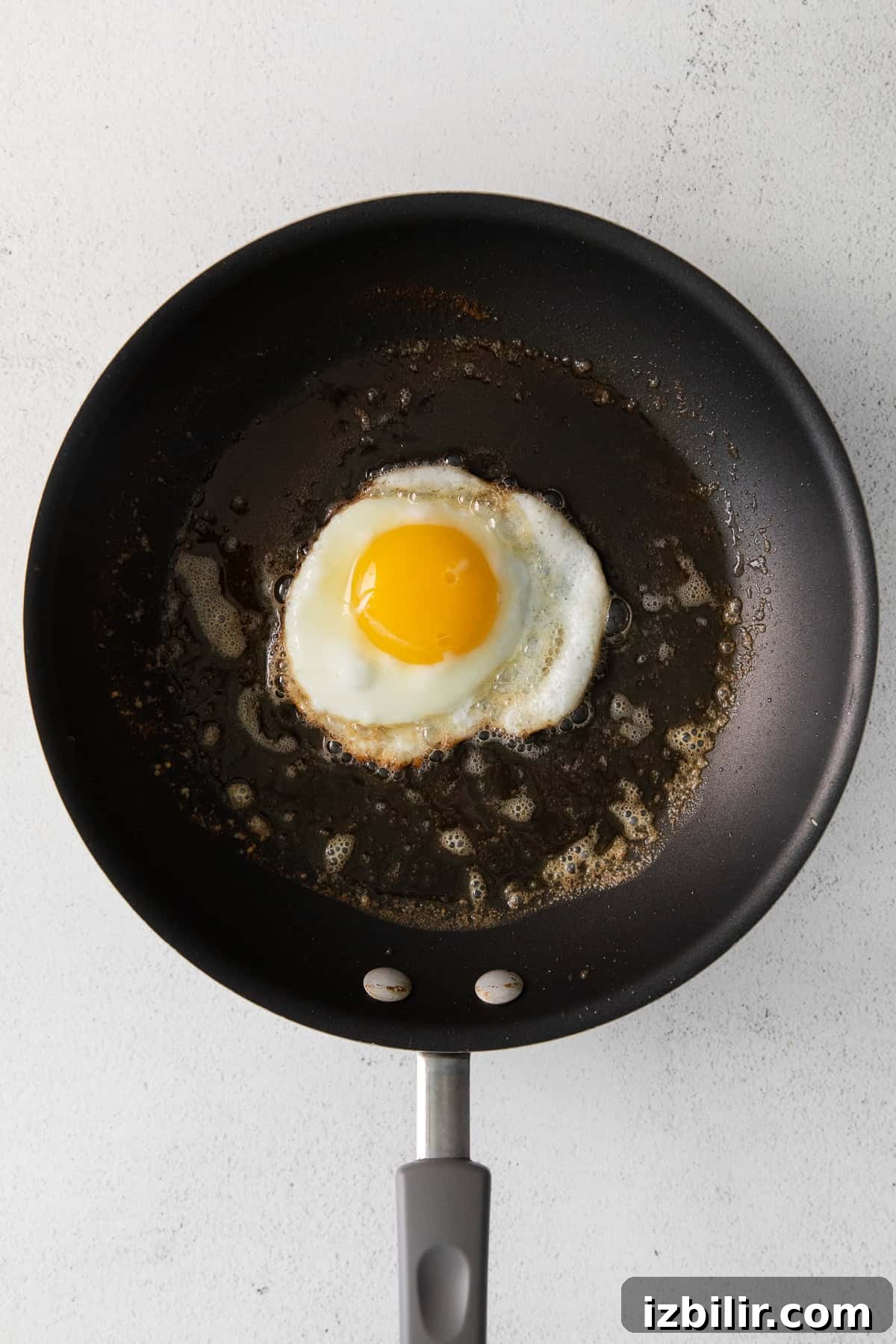
- Heat an 8–10 inch non-stick skillet over medium heat. Add the butter or oil and let it melt and coat the pan.
- Crack the eggs into the pan, spacing them so they do not touch. Reduce heat slightly if the fat is bubbling aggressively.
- Cook until the whites are set and the yolks reach your desired doneness: about 2–3 minutes for over-easy, 3–4 minutes for over-medium, and 4–5 minutes for over-hard. For over-hard, flip the eggs and cook an additional 20–30 seconds.
- Season with salt and pepper, then remove from the pan and serve immediately.
Tips & Notes
- Use a non-stick skillet and moderate heat for the most forgiving results. Cast iron and stainless steel require more attention to prevent sticking.
- Do not overcrowd the pan—use a larger skillet for multiple eggs.
- Butter yields a softer edge and richer flavor; oil gives crispier, lacy whites.
- If you prefer to avoid oil, add a tablespoon of water and cover briefly to steam the tops of the eggs.
Nutrition (approx.)
Calories: 245 kcal · Carbohydrates: 1 g · Protein: 13 g · Fat: 21 g · Fiber: 0 g · Sugar: 0 g
Nutrition information is an approximation and should be used as a guideline only.